Mental Health Trekking: How Walking in Nature Heals Your Mind
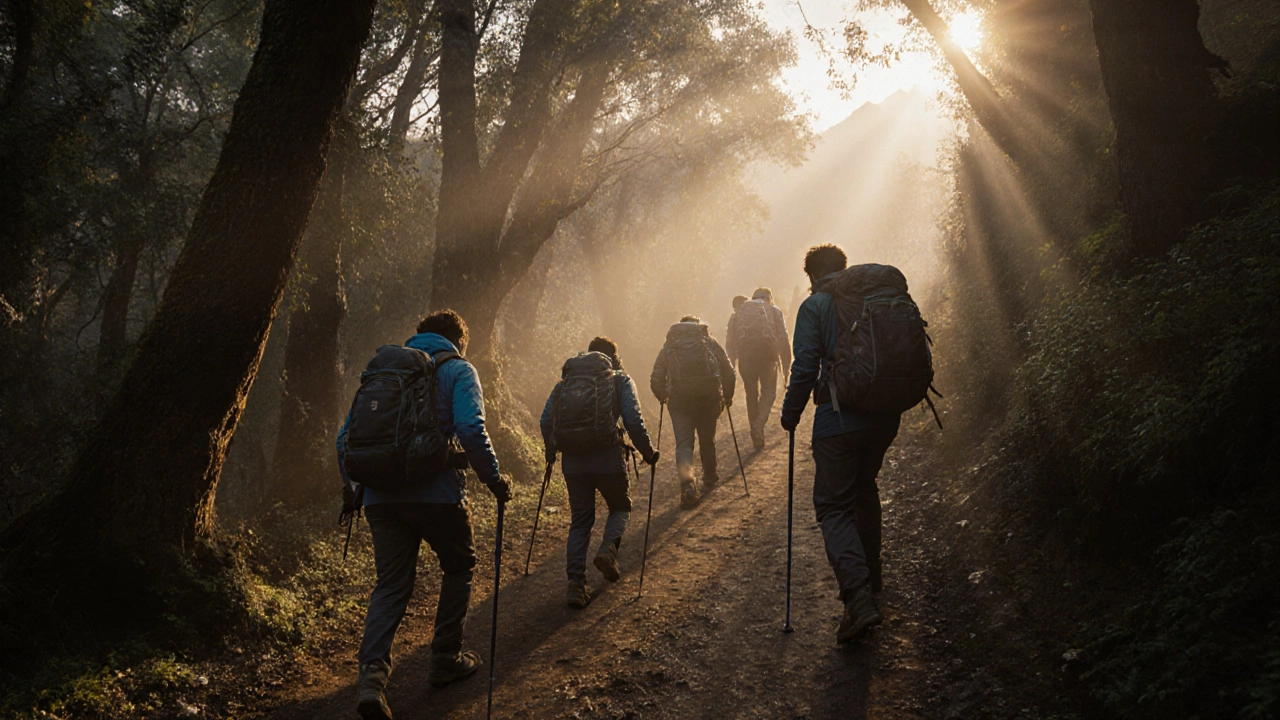
When you step onto a trail, especially in the quiet hills of India, you’re not just walking—you’re resetting your brain. mental health trekking, the intentional practice of using long walks in nature to improve emotional well-being. It’s not a new age trend—it’s biology. Your nervous system was built for movement under open skies, not scrolling under fluorescent lights. Studies from the University of Stanford show that people who walk in nature for just 90 minutes show reduced activity in the part of the brain linked to rumination—the endless loop of negative thoughts that feeds anxiety and depression. You don’t need a therapist on the trail. You just need boots, a backpack, and the willingness to let the wind carry away what’s weighing you down.
nature therapy, the science-backed use of natural environments to support psychological healing works because it pulls you out of your head and into your body. The crunch of gravel underfoot, the smell of pine after rain, the rhythm of your breath syncing with your steps—these aren’t just sensory details. They’re anchors. When your mind starts spiraling, these physical cues bring you back. And in places like Ladakh or the Western Ghats, where the silence is thick and the views stretch forever, that quiet becomes medicine. You don’t have to climb a mountain to feel the shift. Even a gentle 3-hour walk through a forested trail in Coorg can lower cortisol levels, slow your heart rate, and make space for real peace.
hiking for anxiety, a practical, accessible form of movement-based mental health care doesn’t require perfection. You don’t need to be fit, fast, or fearless. What matters is showing up. Many travelers who come to India for its temples and beaches end up finding something deeper: a way to breathe again. The trails in Rishikesh, the hills around Munnar, the paths near Ooty—these aren’t just tourist spots. They’re open-air therapy rooms. And unlike a clinic, there’s no waiting list, no bill, no judgment. Just you, the trail, and the slow, steady healing that happens when you stop chasing and start walking.
What you’ll find in the posts below isn’t a list of trails to tick off. It’s proof that mental health trekking works—through real stories, practical tips, and hard-won insights from people who’ve walked their way out of burnout, grief, and overwhelm. You’ll learn how to pick the right path for your energy level, what gear actually matters (and what doesn’t), how to handle loneliness on the trail, and why some of the most powerful healing happens when you’re not talking to anyone—not even yourself.
- Oct, 30 2025
- 0 Comments
Trekking boosts heart health, helps with weight loss, strengthens bones, reduces stress, and improves sleep. It’s not just exercise-it’s a natural reset for body and mind. Start small, stay consistent, and let the trails heal you.
More