Pondicherry Tourism: Discover France in India with Beaches, Heritage, and Quiet Streets
When you think of Pondicherry, a former French colony on India’s southeastern coast known for its blend of European architecture and Tamil culture. Also known as Puducherry, it’s the only place in India where you can walk down tree-lined boulevards with pastel-colored villas, sip coffee in French-style cafés, and hear French spoken on the street—all while the Bay of Bengal laps just a few minutes away. This isn’t just another beach town. Pondicherry tourism is about slow living, layered history, and the quiet magic of a place that refused to fully become either France or India.
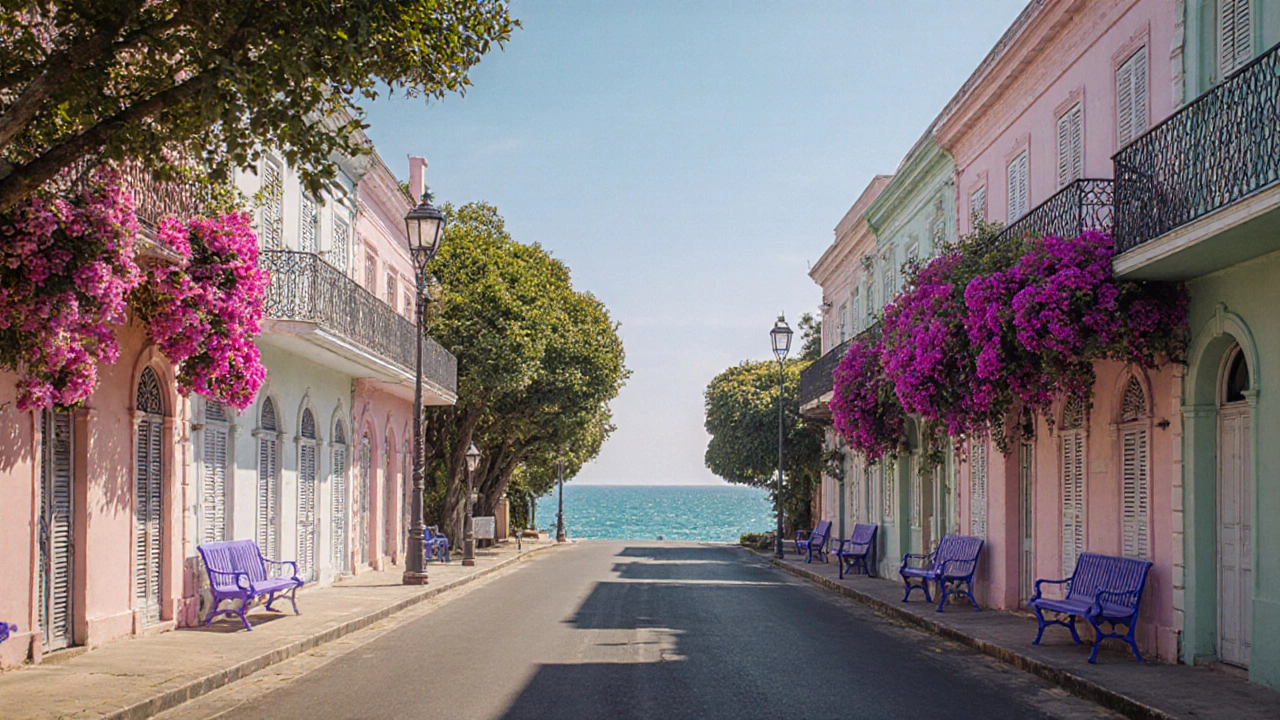
Pondicherry tourism isn’t complete without its French Quarter, a preserved colonial neighborhood with wide sidewalks, wrought-iron balconies, and shuttered windows that feel like a scene from Marseille. Also known as White Town, it’s where time slowed down after 1954, when France handed control back to India but left behind its streets, laws, and love of croissants. Then there’s the Aurobindo Ashram, a spiritual center founded in 1926 that draws seekers from around the world, not for rituals, but for stillness. Also known as Sri Aurobindo Ashram, it’s where meditation happens in silence, and the only thing sold is books and organic chai. These aren’t tourist traps—they’re living parts of the town. You’ll find locals walking their dogs past French signboards, kids playing cricket near colonial churches, and yoga teachers offering sessions on the beach at sunrise.
Pondicherry tourism also means beaches—long, uncrowded stretches like Paradise Beach and Promenade Beach—where you can skip the loud clubs and just sit with a coconut. Unlike Goa, there’s no neon, no bass, no pressure. Just salt air, bicycles, and the occasional rickshaw driver who’ll take you to a hidden bakery for a warm pain au chocolat. The food? Think French-Indian fusion: duck confit with tamarind chutney, seafood dosas, and coffee that tastes like it came straight from Lyon.
What makes Pondicherry different? It doesn’t shout. It whispers. You won’t find crowds at the Rock Beach at 7 a.m., or ticket lines at the Bharati Institute. You’ll find people reading under banyan trees, cyclists biking past the old lighthouse, and artists painting the same white walls you saw yesterday—but now with morning light. This is the real Pondicherry tourism: not the Instagram version, but the one you feel in your bones after three days of slow walks and quiet mornings.
Below, you’ll find real traveler stories, hidden spots most guides miss, and practical tips on when to go, where to stay without overpaying, and how to eat like a local without getting sick. Whether you’re here for the history, the beach, or just the peace, these posts will help you see Pondicherry the way those who live here do—without the noise, without the rush, and without the fake charm.
- Oct, 8 2025
- 0 Comments
Discover why Pondicherry is dubbed the Paris of India, explore its French colonial charm, top attractions, travel tips, and how it compares to other Indian cities with similar nicknames.
More