Protected Area: What They Are and Why India’s Best Sites Matter
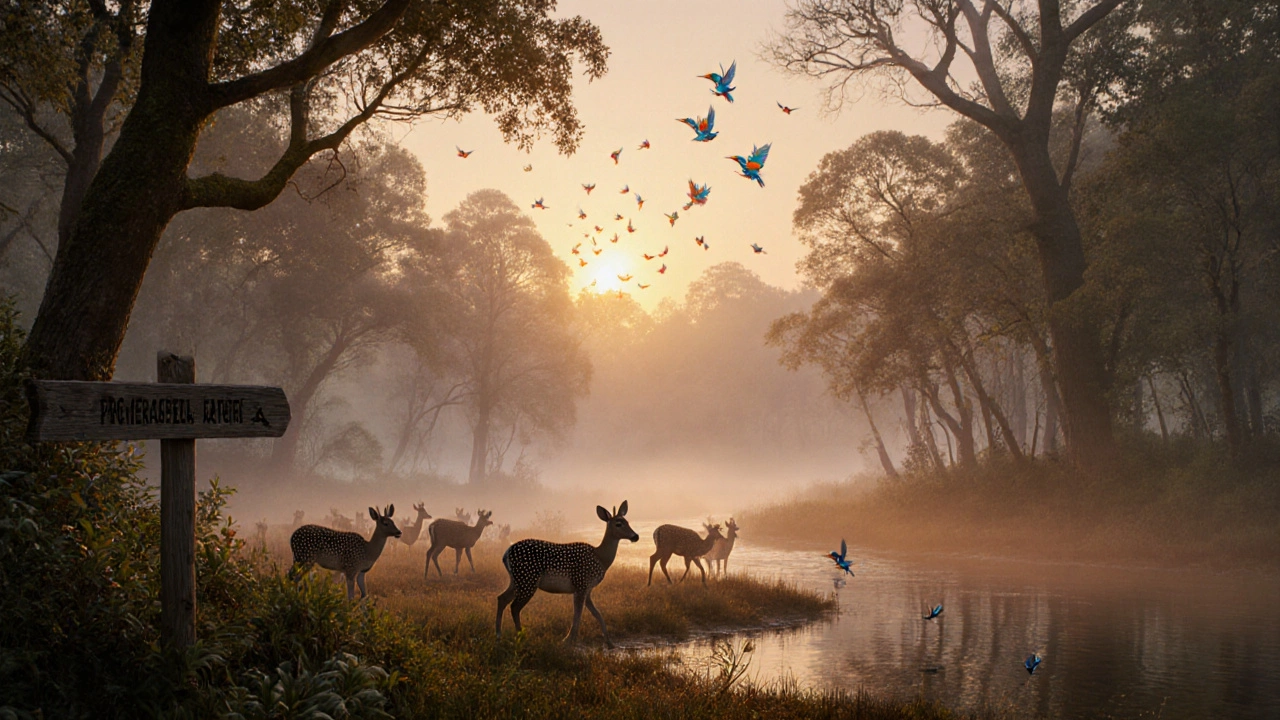
A protected area, a legally designated zone where nature, wildlife, or cultural heritage is preserved from development and exploitation. Also known as conserved land, it’s not just a patch of forest or a quiet temple—it’s a lifeline for tigers, elephants, ancient temples, and the communities that live beside them. In India, these spaces aren’t optional extras. They’re the reason you can still see a Bengal tiger in the wild, walk through 12th-century carvings untouched by crowds, or hear hornbills call from a canopy that hasn’t changed in centuries.
India’s national parks, government-managed reserves focused on wildlife conservation and ecological balance like Jim Corbett and Kaziranga are the backbone of this system. But protected areas also include wildlife sanctuaries, areas where hunting is banned but limited human activity may still occur, and even UNESCO heritage sites, cultural landmarks protected for their global historical value like Jaipur’s Pink City or the Khajuraho temples. These aren’t just tourist spots—they’re working ecosystems and living histories. The Taj Mahal, for example, isn’t just a monument. It’s a protected area, surrounded by buffer zones to control pollution and preserve its marble from acid rain.
What makes these places special isn’t just their beauty. It’s their rules. No mining. No logging. No unchecked tourism. Even in places like Goa, where beaches are popular, protected coastal zones keep dunes intact and sea turtles safe. In South India, forest corridors between protected areas let elephants move safely between hills—something you won’t see in a city, but something that keeps entire species alive. These zones also shape your travel. The best time to visit South India? Not just for weather—but because monsoon rains make trails muddy and animals harder to spot. The quietest, most authentic heritage experiences? They’re often inside protected zones where crowds are managed, not ignored.
When you visit a protected area in India, you’re not just sightseeing. You’re stepping into a balance—between humans and wildlife, between history and progress, between profit and preservation. The posts below show you exactly where this balance plays out: from the tiger trails of Madhya Pradesh to the ancient stones of Hampi, from the quiet beaches of Kerala that protect nesting turtles to the high-altitude treks in Ladakh that rely on untouched mountain ecosystems. You’ll find out how to visit responsibly, where to find the least crowded spots, and why some of India’s most famous places are protected for a reason. No fluff. Just real places, real rules, and real travel that matters.
- Oct, 20 2025
- 0 Comments
Explore why wildlife sanctuaries exist, their conservation goals, benefits, management challenges, and how you can support them.
More