Religious Festival in India: What You Need to Know Before You Go
When you think of a religious festival, a public celebration rooted in faith, tradition, and community worship. Also known as spiritual gathering, it’s not just about rituals—it’s when entire cities come alive with color, music, and devotion. In India, a religious festival isn’t an event you attend. It’s something you step into—sometimes barefoot, always humbled.
These aren’t staged performances for tourists. They’re real, raw, and deeply personal. The Hindu festival, a family of celebrations tied to lunar calendars and ancient texts, including Diwali, Holi, and Navratri. Also known as dharma-based celebration, it turns streets into rivers of marigolds and fireworks. The Sikh festival, a vibrant expression of faith centered on community service, equality, and remembrance, with Vaisakhi as its biggest. Also known as Gurpurab, it fills gurdwaras with free meals for anyone, regardless of belief. And the Muslim festival, a time of prayer, fasting, and charity, including Eid al-Fitr and Eid al-Adha. Also known as Islamic holy day, it brings families together after days of fasting, with prayers echoing from minarets across villages and cities.
What ties them all? They’re not about spectacle—they’re about connection. A mother in Varanasi lighting a diya for her ancestors. A child in Amritsar eating langar for the first time. A traveler in Hyderabad watching lanterns float into the night sky during Eid. These moments don’t happen in museums. They happen on sidewalks, in temple courtyards, beside rivers, and inside crowded streets where you can’t move but you don’t want to.
You won’t find these festivals on a typical tour itinerary. But if you’re curious, you’ll see them everywhere—from the chaos of Pushkar’s camel fair to the quiet dawn prayers in Kerala’s mosques. You’ll hear drums in Bengal, see processions in Gujarat, smell incense in Tamil Nadu. And you’ll realize: this isn’t just religion. It’s rhythm. It’s memory. It’s identity.
What you’ll find below are real stories from travelers who got caught up in these moments—not as spectators, but as participants. From safety tips during Holi crowds to how to behave in a gurdwara, from when to visit for the best light at Diwali to why you should skip the fancy hotels and sleep in a temple courtyard. These aren’t guidebook tips. They’re hard-won lessons from people who showed up, listened, and stayed long enough to understand.
- May, 24 2025
- 0 Comments
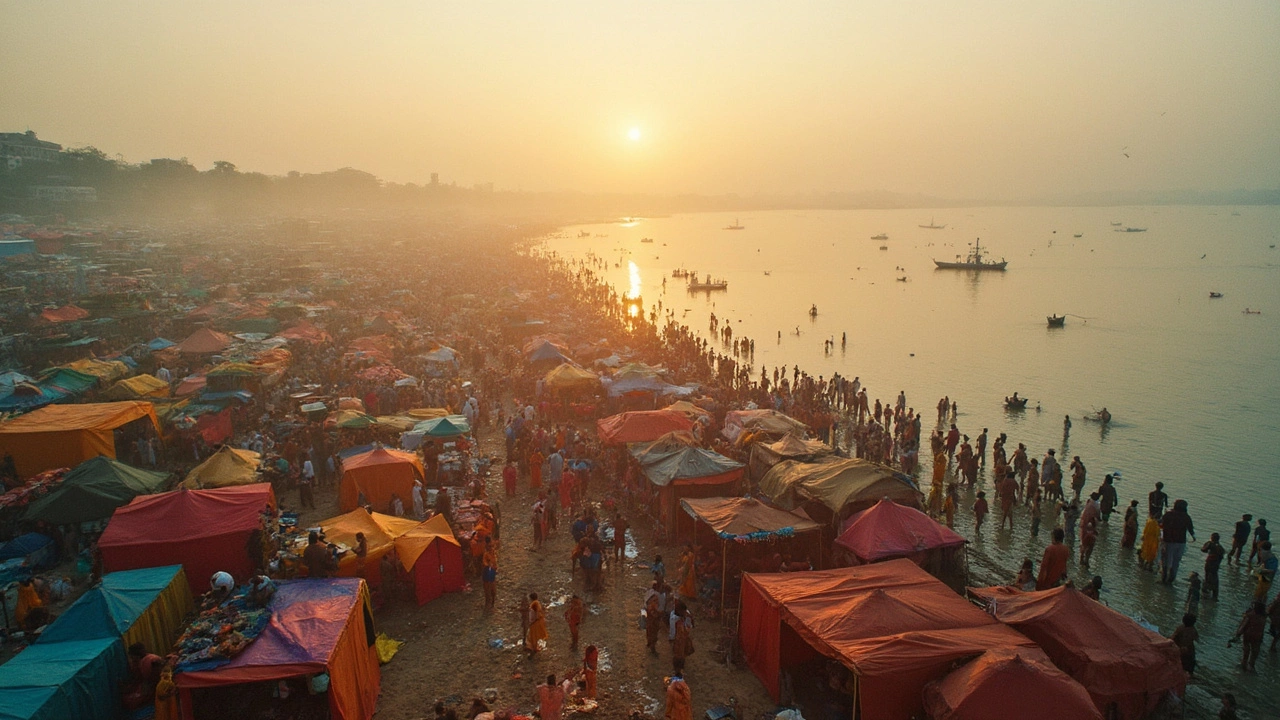
Kumbh Mela isn’t just the largest religious festival in India—it’s the largest human gathering on Earth. This article breaks down why Kumbh Mela has such massive appeal, what happens during the festival, and how travelers can experience it safely. Expect insider facts, planning tips, and a peek into the spiritual energy that makes Kumbh Mela unique. From key rituals to practical travel advice, everything you need for understanding this giant celebration is right here.
More