Spiritual Travel in India: Sacred Sites, Quiet Journeys, and Inner Discovery
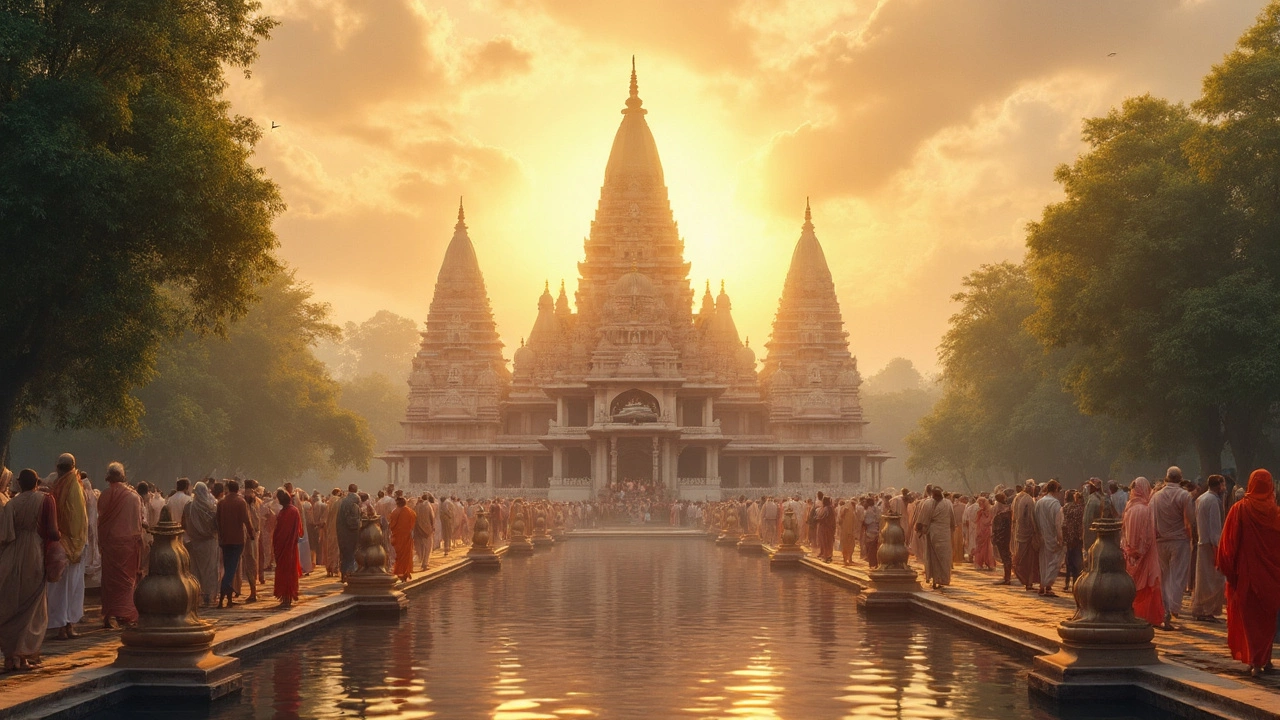
When you think of spiritual travel, a journey focused on inner growth, sacred places, and deep cultural connection rather than just sightseeing. Also known as pilgrimage travel, it’s not about checking off monuments—it’s about finding stillness in places where centuries of prayer still echo. India isn’t just a country with spiritual sites; it’s a living tapestry of faith, where every river, mountain, and temple holds meaning for millions. This isn’t tourism. It’s transformation.
True India pilgrimage, a journey to sacred destinations driven by devotion, tradition, or personal renewal. Also known as tirtha yatra, it’s what draws people to Varanasi at dawn, to the Ganges’ edge, where ashes mix with water and prayers rise with the smoke. It’s why travelers hike to Amarnath’s ice lingam, or sit in silence at Rishikesh’s ashrams, listening to chants float over the Ganga. You won’t find this in guidebooks alone—you feel it in the rhythm of bells at a temple, in the smell of incense clinging to your clothes, in the way strangers offer you tea without asking why you’re there.
And it’s not just about temples. meditation retreats, structured periods of silence and mindfulness practice, often held in remote or sacred locations. Also known as vipassana courses, they’re where people from all over the world sit for ten days without speaking, learning to face their thoughts instead of running from them. You’ll find them tucked into the hills of Karnataka, nestled in the foothills of the Himalayas, even in quiet corners of South India where the air feels lighter. These aren’t luxury getaways—they’re hard, quiet, and deeply honest. And they change people.
Then there’s yoga in India, the ancient physical, mental, and spiritual practice rooted in Hindu philosophy, now practiced worldwide but still best understood in its homeland. Also known as asana and pranayama, it’s not just stretching—it’s breath control, discipline, and surrender. In Mysore, you’ll find teachers who’ve trained for decades under the same lineage. In Rishikesh, you’ll wake before sunrise to chants and sun salutations. In Kerala, yoga blends with Ayurveda, where healing starts from within. You don’t need to be flexible. You just need to show up.
What ties all of this together? It’s not the postcards. It’s the silence between the chants. The pause before the aarti. The way a stranger in a temple courtyard nods at you—not because you’re foreign, but because they recognize you’re searching too. The posts below aren’t just lists of places. They’re real stories from people who’ve walked these paths: from the quiet streets of Mysore to the misty peaks of Ladakh, from the sacred rivers of South India to the ancient stones of Jaipur. You’ll find practical tips on where to go, when to visit, and how to travel with respect—not just as a tourist, but as a seeker. No fluff. No clichés. Just what works.
- Feb, 22 2025
- 0 Comments
India is home to numerous sacred sites, each with its own spiritual significance and cultural history. Among these, one temple stands out for its unparalleled sanctity and deep-rooted traditions. This article explores which temple is considered the holiest in India, delving into its unique features and what makes it a must-visit destination for pilgrims and tourists alike.
More