Typical Meal India: What People Actually Eat Every Day
When you think of a typical meal India, a balanced plate of rice or flatbread, lentils, vegetables, and spices served daily across millions of homes. Also known as daily Indian diet, it’s not about fancy dishes you see in restaurants—it’s what families cook at dawn and eat by dusk, no matter the region. In South India, it’s steamed rice with sambar and coconut chutney. In the North, it’s roti with dal and a side of pickled vegetables. In the East, it’s rice with fish curry and mustard oil. In the West, it’s bhakri with spicy vegetable stir-fry. The common thread? Fresh ingredients, layered spices, and meals built to fuel the day—not to impress guests.
A regional Indian cuisine, the diverse food traditions shaped by climate, soil, religion, and history across India’s 28 states. Also known as local Indian food, it’s why a meal in Kerala tastes nothing like one in Rajasthan. Coastal areas use coconut, tamarind, and seafood. Inland regions rely on millet, dairy, and dried lentils. Vegetarian meals dominate in states like Gujarat and Punjab, while meat and fish are central in Bengal and Kerala. Even the way food is served changes—eaten with hands in rural homes, with spoons in cities, and always shared from a common plate. What you won’t find in a typical meal? Heavy sauces or processed ingredients. Indian home cooking is simple, seasonal, and built on leftovers. Leftover rice becomes fried rice the next day. Dal gets reheated with fresh spices. Pickles and chutneys add punch without needing fresh veggies every time.
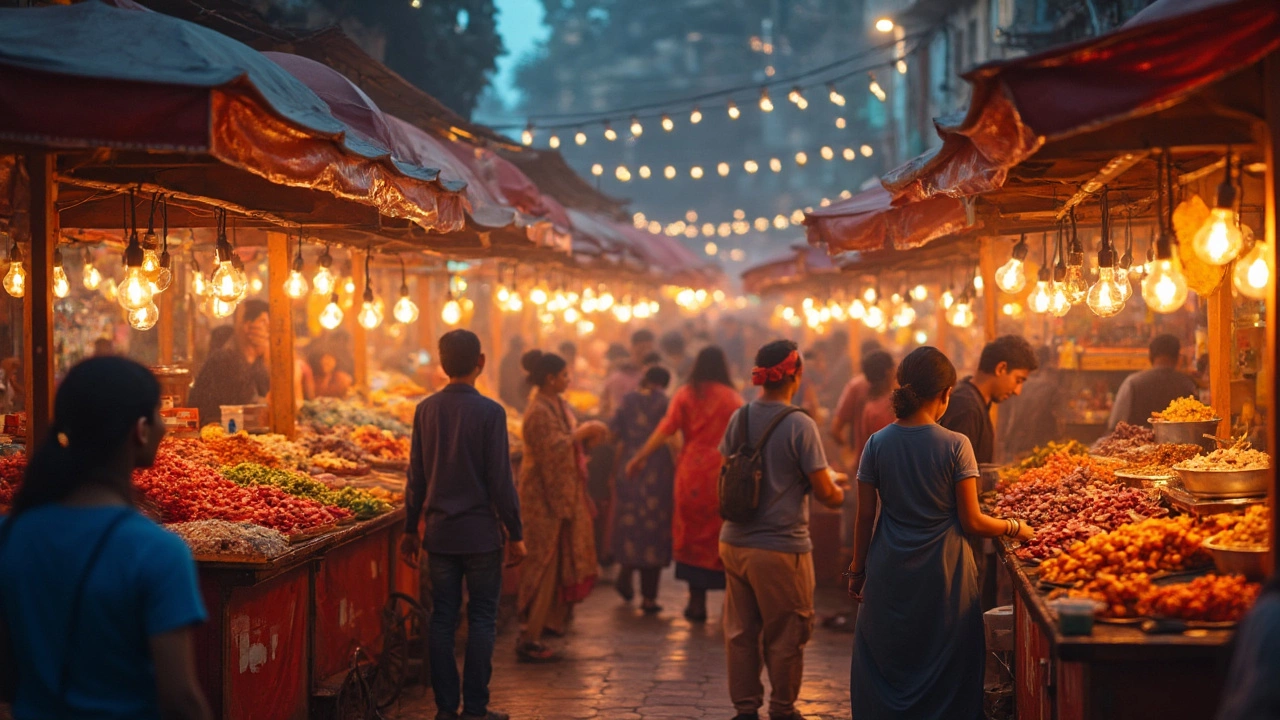
The street food India, the vibrant, affordable, and often overlooked meals sold by vendors in every town and city. Also known as Indian roadside snacks, it’s where the real flavor of daily eating lives—pav bhaji in Mumbai, pani puri in Delhi, idli in Chennai, and jalebi in Jaipur. These aren’t tourist traps—they’re lunch breaks for office workers, after-school snacks for kids, and dinner for laborers. A typical street food meal costs under 50 rupees, tastes better than most restaurants, and is made fresh in front of you. It’s not always safe, but it’s never boring. Whether you’re eating at home or on the sidewalk, a typical meal in India is never just food. It’s culture, rhythm, and memory on a plate.
Below, you’ll find real traveler insights on what to eat, what to avoid, and how to understand the food you’re tasting—whether you’re in a village kitchen or a busy market. No fluff. Just what works.
- Apr, 12 2025
- 0 Comments
Eating out in India can be a fun part of your journey without emptying your wallet. From street food to sit-down restaurants, discovering India's culinary delights comes with its own set of price tags. Learn what you can expect to spend on a meal across different regions and uncover tips to enjoy authentic cuisine while sticking to a budget. Dive into the vibrant world of Indian flavors and see how far a few bucks can take you.
More