The 4 Main Cultural Regions of India: A Traveler's Guide to Diversity
 Jun, 9 2026
Interactive India Culture Explorer
The North
Kings & MountainsThe South
Dravidian RootsThe East
Spiritual DepthThe West
Trade & DreamsSelect a region above to explore its unique culture
Discover languages, culinary signatures, and must-visit landmarks.
India is not a single monolith. It is a continent-sized tapestry woven from thousands of distinct threads. When people ask about the "four main cultures" in India, they are usually looking for a way to make sense of this overwhelming diversity. While scholars might argue over precise boundaries, travelers and sociologists generally agree on four major cultural zones that define the subcontinent’s identity.
These aren't just geographic labels; they represent distinct languages, cuisines, religious practices, and social rhythms. Understanding these four pillars-North, South, East, and West-is the key to navigating India without feeling like an outsider. Let’s break down what makes each region unique, where to go, and how to experience them authentically.
The North: The Land of Kings and Mountains
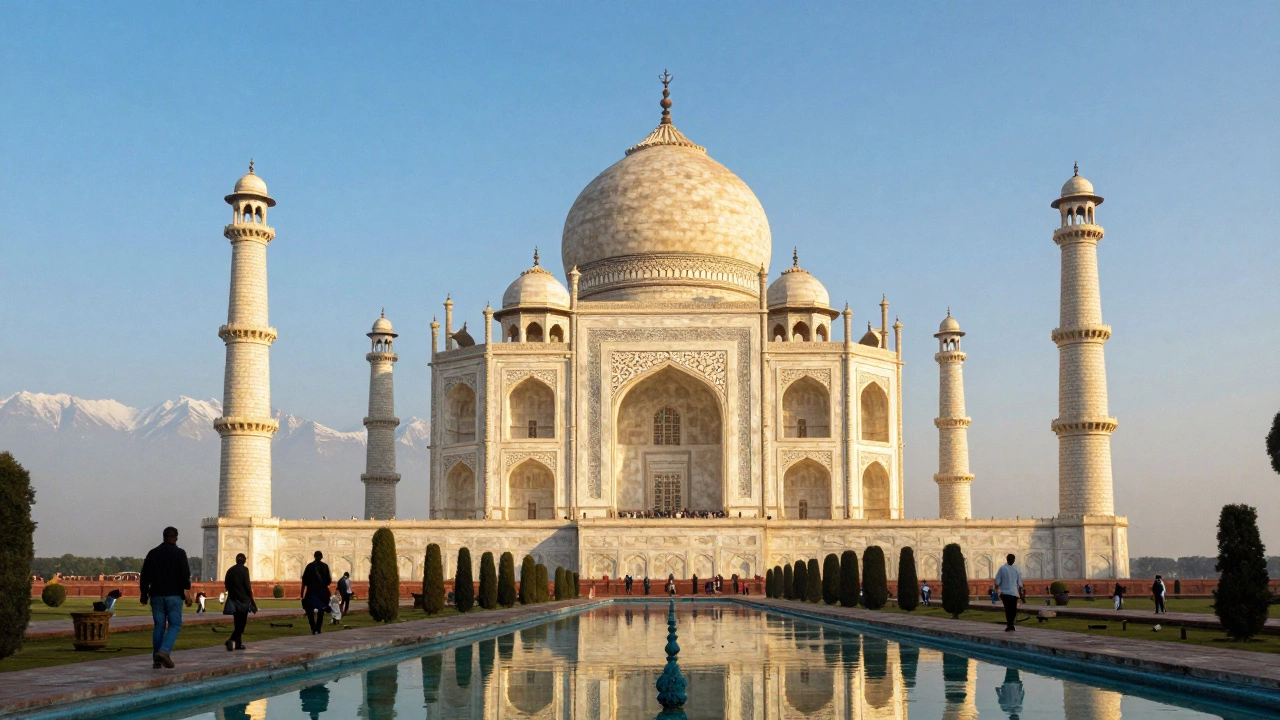
North Indian Culture is defined by its Indo-Aryan linguistic roots, Mughal architectural legacy, and the dramatic contrast between the Himalayan north and the plains of the Gangetic basin. This region feels like the "classic" India you see in movies. Think red sandstone forts, sprawling bazaars, and the call to prayer echoing against snow-capped peaks.
The heart of Northern culture beats in cities like Delhi, Jaipur, and Varanasi. Here, the influence of Persian and Central Asian history is undeniable. You’ll see it in the onion domes of mosques, the intricate frescoes of Rajasthani palaces, and the heavy use of spices like cumin and cardamom in dishes such as biryani and dal makhani. The language family here is Indo-Aryan, with Hindi being the dominant lingua franca, though Punjabi, Urdu, and Bengali (in the eastern overlap) also thrive.
Religion plays a massive role in daily life. The Ganges River is considered sacred, and millions visit Varanasi to bathe in its waters. Festivals like Diwali and Holi are celebrated with explosive energy. If you’re visiting, don’t miss the Golden Temple in Amritsar, which stands as a testament to Sikh hospitality and spiritual depth. The food is rich, creamy, and wheat-based (rotis and naans), contrasting sharply with the rice-heavy diets of other regions.
- Key Cities: Delhi, Jaipur, Agra, Varanasi, Amritsar.
- Culinary Signature: Tandoori chicken, butter chicken, parathas.
- Cultural Highlight: The Taj Mahal and the Kumbh Mela festival.
The South: Dravidian Roots and Temple Towns
South Indian Culture is anchored in the Dravidian language family, characterized by towering temple architecture, classical dance forms, and a cuisine centered around rice, coconut, and tamarind. Crossing the Vindhya Range into the south feels like entering a different world. The heat is more humid, the landscape is greener, and the pace of life has a distinct rhythm set by temple bells and train whistles.
This region comprises the states of Tamil Nadu, Kerala, Karnataka, and Andhra Pradesh/Telangana. The linguistic diversity here is profound. Tamil, one of the oldest living languages in the world, dominates the east coast, while Malayalam, Kannada, and Telugu rule their respective territories. Unlike the North, where Persian influence shaped the elite culture, the South preserved ancient Sanskritic traditions alongside vibrant local folk customs.
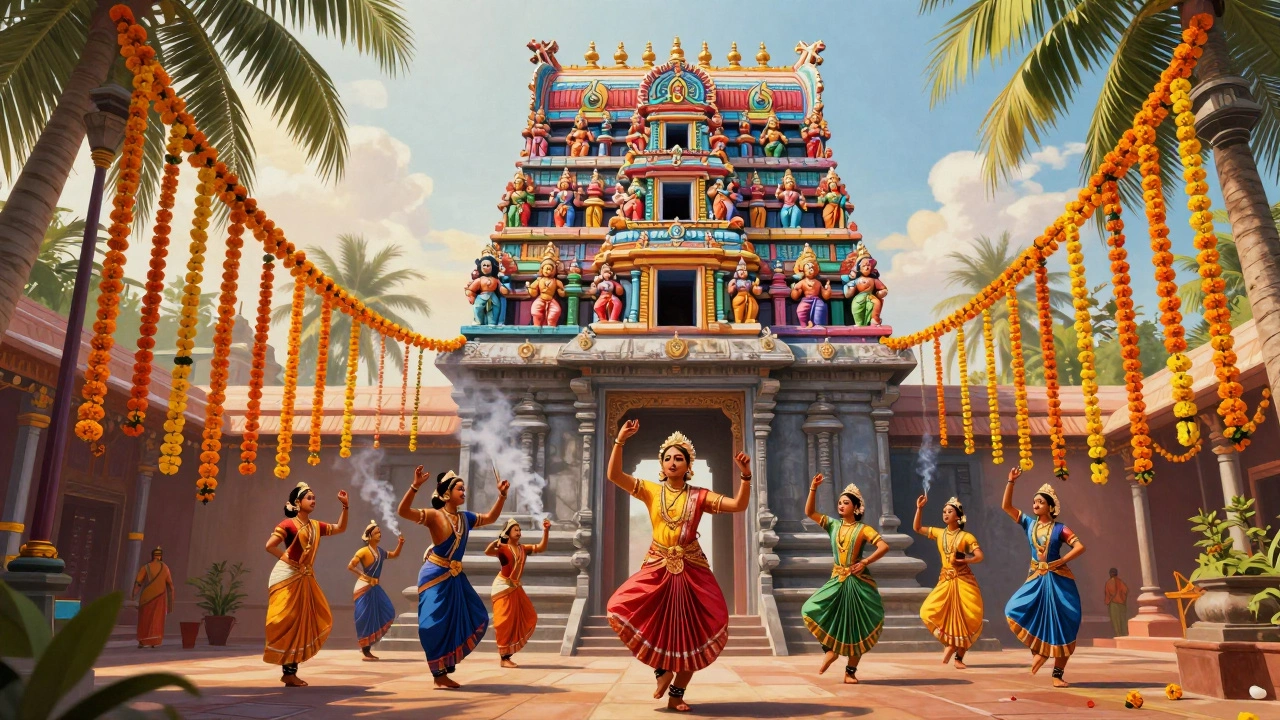
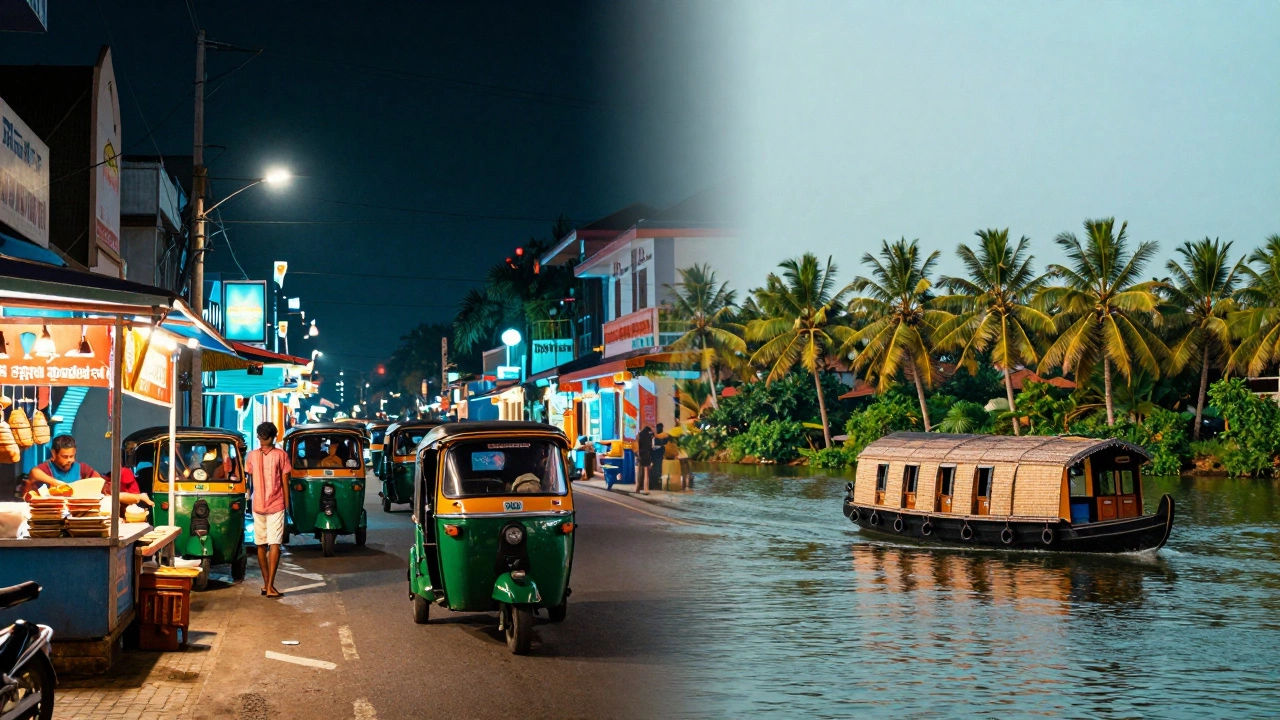
Architecture tells the story best. The gopurams (gateway towers) of temples in Madurai or Thanjavur are colossal, covered in colorful sculptures depicting mythological scenes. In Kerala, the backwaters offer a serene counterpoint, where houseboats glide through palm-fringed canals. The cuisine is lighter but intensely flavorful. Dosa (fermented crepes) and idli (steamed cakes) are breakfast staples, often served with sambar (lentil stew) and chutney. Coconut oil is used extensively in cooking, giving dishes a distinctive aroma.
Classical arts are alive and well. Bharatanatyam in Tamil Nadu and Kathakali in Kerala are not just performances but deeply spiritual expressions. If you want to understand the soul of Southern India, spend a day at a temple festival or watch a Kathakali makeup session in Thrissur.
- Key Cities: Chennai, Bangalore, Kochi, Hyderabad, Mysore.
- Culinary Signature: Dosas, idlis, filter coffee, banana leaf meals.
- Cultural Highlight: Classical dance festivals and temple car processions.
The East: Spiritual Depth and Colonial Legacy
East Indian Culture is a blend of indigenous tribal traditions, Bengali literary renaissance, and British colonial heritage, marked by lush landscapes and deep philosophical inquiry. The East, primarily comprising West Bengal, Odisha, Jharkhand, and parts of Bihar, offers a quieter, more introspective experience. It is the land of Rabindranath Tagore, the first non-European Nobel laureate in Literature, whose works still shape Bengali identity.
Kolkata, the capital of West Bengal, retains a strong Victorian charm mixed with revolutionary fervor. The streets are lined with colonial-era buildings, tea gardens, and intellectual cafes. Bengali culture places a high value on education, debate, and arts. The Durga Puja festival here is not just a religious event but a massive civic celebration involving art installations, music, and community feasts.
In Odisha, the focus shifts to ancient spirituality. The Konark Sun Temple is a masterpiece of stone carving, dedicated to the sun god. The cuisine here is simpler, relying less on meat and more on vegetables, fish, and rice. Pitha (rice cakes) and Rasgulla (sweet cheese balls) originated in this region. The tribal communities in Jharkhand and Odisha maintain distinct traditions, wearing traditional jewelry and performing dances that predate mainstream Hinduism.
If you’re interested in history, the Eastern Ghats and the ruins of Bhubaneswar offer a glimpse into India’s medieval past. The pace here is slower, allowing for deeper conversations with locals who take pride in their literary and artistic heritage.
- Key Cities: Kolkata, Bhubaneswar, Puri, Durgapur.
- Culinary Signature: Fish curry, rasgulla, pitha, cutlet.
- Cultural Highlight: Durga Puja in Kolkata and Konark Dance Festival.
The West: Trade Winds and Desert Dreams
West Indian Culture is divided between the arid, merchant-driven culture of Rajasthan and Gujarat and the tropical, cosmopolitan vibe of Maharashtra and Goa. This region is India’s economic engine and its most diverse culinary hub. The West Coast has always been a gateway for trade, bringing influences from Arabia, Africa, and Europe.
Mumbai, the financial capital, is a city of dreams and grit. It operates 24/7, fueled by chai stalls and Bollywood glamour. The culture here is fast-paced, ambitious, and inclusive. Marathi culture, rooted in Maharashtra, emphasizes devotion (Bhakti movement) and martial traditions (Ganesh Chaturthi is huge here). Meanwhile, Gujarat is known for its business acumen and vegetarian cuisine. Jain influences have made Gujarati food uniquely sweet and spice-free in some contexts.
Rajasthan, part of the broader Western zone, stands apart with its desert landscapes and royal heritage. The culture here is fiercely proud, with elaborate weddings, camel safaris, and folk music that echoes across the dunes. In contrast, Goa, a former Portuguese colony, offers a laid-back beach culture with Catholic churches, vineyards, and seafood-heavy menus. The fusion of Indian and European flavors in Goan vindaloo and xacuti is a direct result of this colonial history.
Whether you’re bargaining in the textile markets of Surat or sipping feni in a Goan shack, the West rewards those who engage with its commercial and coastal spirit.
- Key Cities: Mumbai, Ahmedabad, Udaipur, Goa, Pune.
- Culinary Signature: Vada pav, dhokla, thalis, Goan fish curry.
- Cultural Highlight: Ganesh Chaturthi in Mumbai and Pushkar Camel Fair.
Comparing the Four Cultures
| Region | Dominant Language Family | Staple Food | Architectural Style | Vibe |
|---|---|---|---|---|
| North | Indo-Aryan | Wheat (Roti/Naan) | Mughal/Rajput | Grand, Historic |
| South | Dravidian | Rice & Coconut | Temple Towers | Spiritual, Traditional |
| East | Indo-Aryan/Tibeto-Burman | Rice & Fish | Kalinga/Colonial | Intellectual, Serene |
| West | Indo-Aryan | Variety (Seafood/Veg) | Portuguese/Dynastic | Cosmopolitan, Dynamic |
Frequently Asked Questions
Why are there only 4 main cultures in India when it has so many states?
India has 28 states and 8 union territories, each with unique identities. However, these are broadly grouped into four cultural zones based on shared linguistic families, historical influences, and geographical features. For example, all North Indian states share Indo-Aryan roots and similar climatic conditions, creating a cohesive cultural block despite internal variations.
Which region is best for first-time visitors?
The North is often recommended for first-timers because it contains iconic landmarks like the Taj Mahal and the Golden Triangle route (Delhi-Agra-Jaipur). Infrastructure is well-developed, and English is widely spoken. However, if you prefer cooler weather and greenery, the hill stations of the North-East or the beaches of Goa in the West are excellent alternatives.
How does religion differ across these four regions?
While Hinduism is dominant everywhere, its expression varies. The North has significant Muslim influences due to Mughal rule. The South preserves ancient Vedic rituals and temple-centric worship. The East has a strong presence of Buddhism (Bodh Gaya) and Sufism. The West, particularly Goa and parts of Kerala, has substantial Christian populations due to colonial history.
Can I travel between these regions easily?
Yes, India has an extensive rail network and domestic flight connectivity. Trains are the most authentic way to experience the transition between cultures. For instance, taking a train from Mumbai (West) to Chennai (South) allows you to witness the gradual shift in landscape, language, and food along the way.
What is the best time to visit each region?
Winter (October to March) is ideal for the North and West due to pleasant temperatures. The South can be visited year-round, though summer months are hot. The East is best during winter to avoid humidity and monsoon rains. Avoid July-August if you dislike heavy rain, as the monsoon affects the entire country.