The Cleanest Beaches in India: Top Picks for Pristine Sand and Clear Water
 Jun, 23 2026
Find Your Perfect Clean Beach
Not sure which pristine shore is right for you? Answer a few quick questions about your travel style, and we'll recommend the perfect clean beach from our top picks.
Why it fits you:
Location:
Cleanliness Level:
Best Time to Visit:
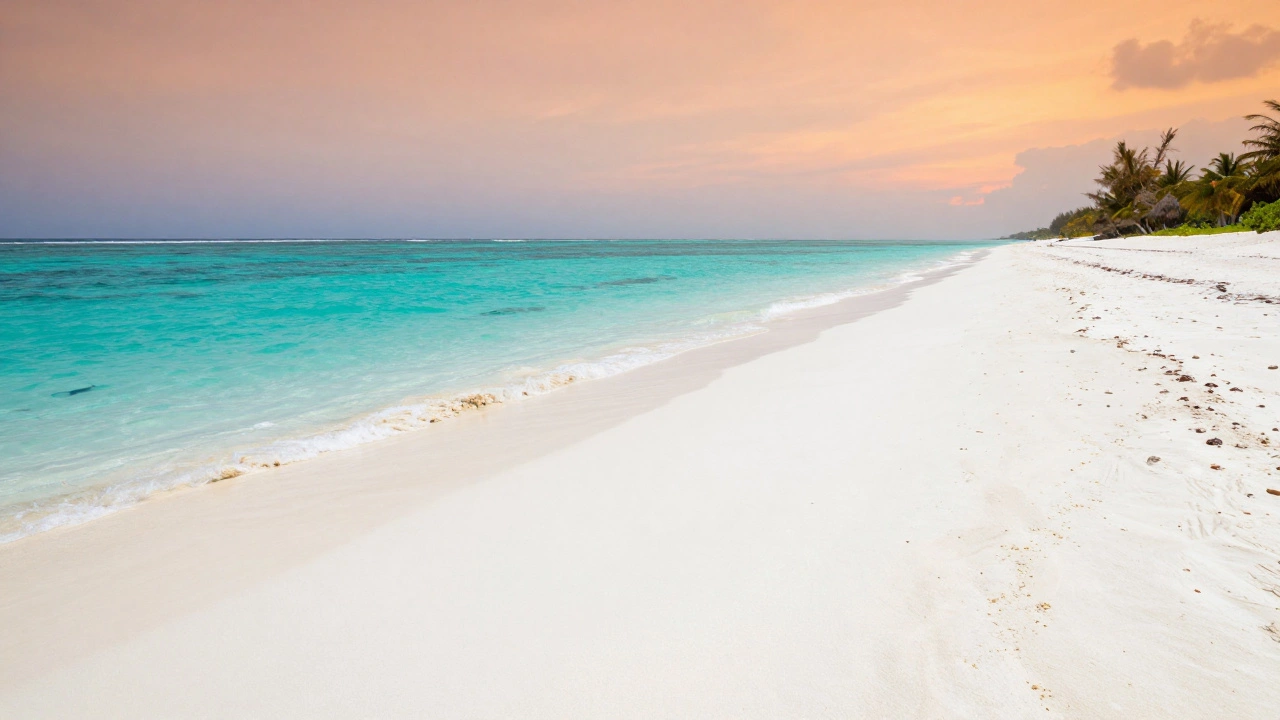
Picture this: you step onto warm sand that feels like powdered sugar under your feet. The water is so clear you can see the fish swimming below without a hint of haze. There isn’t a single plastic bottle cap or stray wrapper in sight. For many travelers, this sounds like a dream reserved for remote Pacific islands. But what if I told you that some of the cleanest beaches in the world are right here in India, a country known for its chaotic streets and vibrant markets?
Finding truly clean beaches in India requires looking beyond the crowded tourist traps. It means seeking out places where local communities take pride in their environment, where government initiatives have taken root, and where nature has been left relatively undisturbed. While no place on Earth is perfect, several Indian beaches stand out for their hygiene, lack of litter, and crystal-clear waters.
Why Beach Cleanliness Matters More Than Ever
We’ve all seen the photos of polluted coastlines. Plastic waste doesn’t just look bad; it harms marine life, disrupts ecosystems, and ruins the experience for visitors. In recent years, there has been a significant push toward sustainable tourism in India. Local councils and environmental groups have launched campaigns to keep shores pristine. This shift is visible in specific locations that have gone from being overlooked to becoming models of coastal cleanliness.
When we talk about the "cleanest" beach, we aren’t just talking about the absence of trash. We’re also talking about water quality, the presence of proper waste management systems, and the overall maintenance of the surrounding area. A clean beach invites relaxation and respect for nature, creating a cycle where visitors are more likely to leave no trace behind.
Radhanagar Beach, Andaman Islands: The Untouched Paradise
If you ask seasoned travelers about the most beautiful and clean beach in India, the name Radhanagar Beach almost always comes up first. Located on Havelock Island (now officially called Swaraj Dweep) in the Andaman and Nicobar Islands, this stretch of sand has consistently ranked among the top beaches globally by publications like Travel + Leisure.
| Feature | Details |
|---|---|
| Location | Havelock Island, Andaman & Nicobar |
| Water Quality | Crystal clear, turquoise hues |
| Cleanliness Level | Very High (Strict entry regulations) |
| Best Time to Visit | November to April |
What makes Radhanagar special? It’s not just natural beauty. The Andaman administration enforces strict rules to protect the island’s ecology. Single-use plastics are banned, and entry permits help control crowd sizes. As a result, the white sands remain pristine, and the coral reefs nearby thrive. Walking along the shore at sunset, you’ll feel like you’re the only person on earth. It’s a rare example of how regulation and respect for nature can preserve a paradise.
Varkala Beach, Kerala: Cliffside Serenity
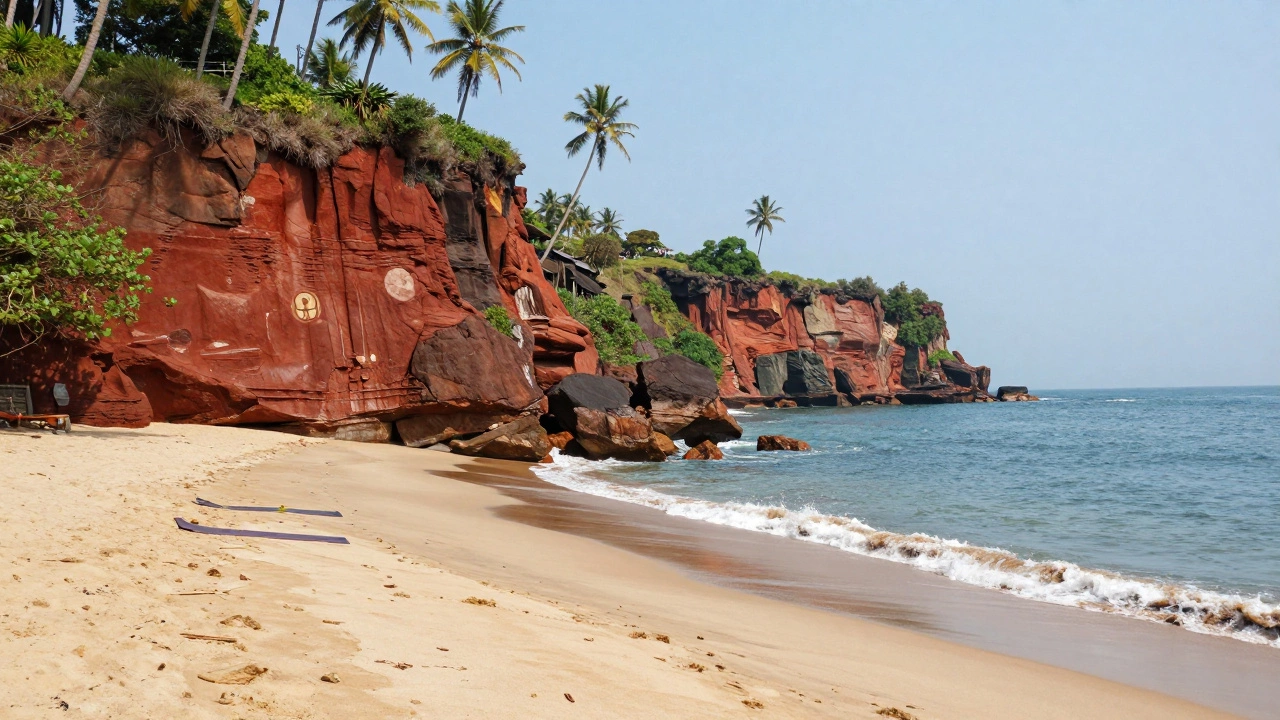
Moving to the mainland, Varkala Beach in Kerala offers a different kind of cleanliness. Unlike flat sandy expanses, Varkala features dramatic red laterite cliffs that drop down to the Arabian Sea. This unique geography helps limit urban sprawl directly onto the sand. The beach is managed well by local authorities, with regular cleaning schedules and designated areas for vendors.
The water here is generally clean, though it can get choppy during monsoon seasons. What stands out is the community effort. Locals and tourists alike participate in keeping the area tidy. You’ll find yoga shalas and wellness centers nearby, which attract a crowd that values peace and hygiene. If you’re looking for a blend of spiritual calm and physical cleanliness, Varkala is a strong contender.
Kovalam Beach, Kerala: Organized and Well-Maintained
Kovalam Beach, also in Kerala, is one of the most developed tourist spots in the region. You might think development equals pollution, but Kovalam proves otherwise. The Kerala Tourism Development Corporation manages this beach with high standards. The iconic Lighthouse Beach and Hawah Beach sections are swept daily.
The infrastructure here supports cleanliness. There are ample trash bins, changing rooms, and showers. The local government has invested heavily in waste management systems that prevent garbage from washing up on the shore. While it can get busy, especially during peak season, the organized nature of the beach ensures it remains far cleaner than many other popular destinations.
Gokarna Beaches, Karnataka: The Off-Beat Choice
For those who want to avoid large crowds entirely, head north to Karnataka. Gokarna is home to several small coves, including Om Beach and Kudle Beach. These spots are less commercialized than Goa or Kerala’s main hubs. Because they attract backpackers and nature lovers rather than mass tourism, the impact on the environment is lower.
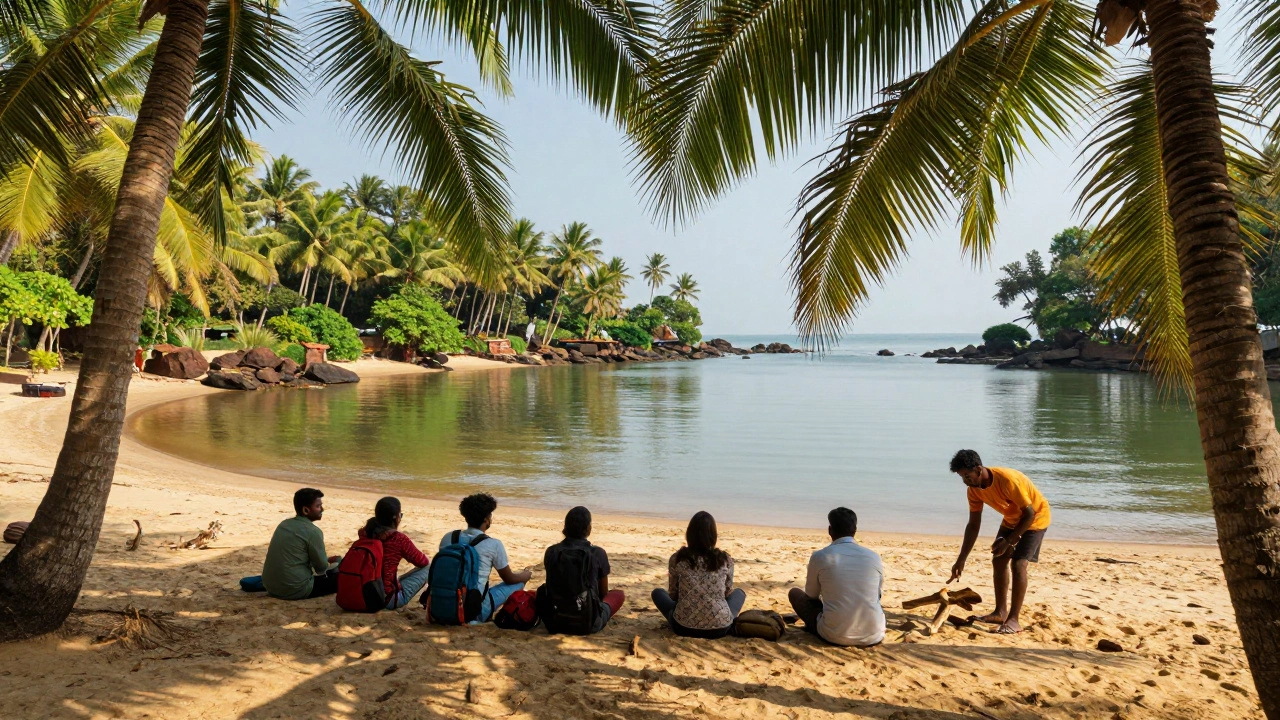
Ocean Treks, a local non-profit organization, plays a huge role here. They run regular beach cleanup drives and educate visitors about responsible travel. Their efforts have kept these beaches remarkably free of litter. The sand is golden, the coconut palms sway gently, and the water is invitingly cool. It’s a testament to how grassroots movements can maintain cleanliness without heavy-handed government intervention.
Minicoy Island Beach, Lakshadweep: The Hidden Gem
Lakshadweep, often overshadowed by the Andamans, holds some of the purest waters in India. Minicoy Island, the southernmost atoll, is accessible only with special permits. This restriction keeps visitor numbers low, preserving the integrity of the beach. The coral reefs around Minicoy are protected, and fishing activities are regulated to ensure ecological balance.
The beach itself is wide, with soft white sand and shallow lagoons. Since industrialization is minimal in Lakshadweep, there’s little runoff or chemical pollution. The air smells of salt and jasmine, not exhaust fumes. If you can navigate the permit process, Minicoy offers an experience of untouched cleanliness that is hard to match elsewhere.
How to Keep Your Beach Trip Eco-Friendly
Finding a clean beach is half the battle. Keeping it that way is up to us as travelers. Here are some practical tips to ensure your visit contributes positively:
- Avoid Single-Use Plastics: Carry a reusable water bottle and bag. Many clean beaches in India now ban plastic entry.
- Use Reef-Safe Sunscreen: Chemical sunscreens can harm coral reefs. Look for mineral-based options with zinc oxide or titanium dioxide.
- Respect Local Rules: Whether it’s staying off restricted zones or adhering to dress codes, following guidelines helps maintain order and cleanliness.
- Pick Up After Yourself: Even if there are bins, taking your trash back with you guarantees it won’t blow away into the ocean.
- Support Local Initiatives: Stay at eco-resorts and buy from local vendors who prioritize sustainability.
Comparing the Top Contenders
Choosing the best beach depends on what you value most. Do you prefer isolation or amenities? Let’s compare the top picks based on key factors.
| Beach | Location | Crowd Level | Accessibility | Best For |
|---|---|---|---|---|
| Radhanagar | Andaman | Medium | Flight + Ferry | Sunset views, snorkeling |
| Varkala | Kerala | Low-Medium | Train/Bus | Wellness, cliff views |
| Kovalam | Kerala | High | Easy (Airport nearby) | Family trips, surfing |
| Gokarna | Karnataka | Low | Bus/Taxi | Backpackers, solitude |
| Minicoy | Lakshadweep | Very Low | Permit Required | Diving, privacy |
Each destination offers a unique flavor of cleanliness. Radhanagar wins on visual purity, while Gokarna excels in community-driven maintenance. Kovalam provides convenience without sacrificing hygiene, and Minicoy offers exclusivity. Your choice should align with your travel style and priorities.
Seasonal Considerations for Clean Visits
Timing matters when chasing clean beaches. Monsoon rains (June to September) can wash debris onto shores and reduce water clarity. The best time to visit most Indian beaches is between November and February. During these months, the weather is dry, winds are gentle, and visibility in the water is at its peak.
In contrast, summer months (March to May) bring heat and higher tides, which can stir up sediment. While the beaches may still be clean, the water might not look as inviting. Planning your trip around the dry season ensures you see the beaches at their absolute best.
Is Radhanagar Beach really the cleanest in India?
Yes, Radhanagar Beach is widely regarded as one of the cleanest due to strict environmental regulations in the Andaman Islands. Banned plastics and controlled tourist numbers help maintain its pristine condition.
Are there any clean beaches in Goa?
Goa has many popular beaches, but they can get crowded and littered. However, smaller stretches like Agonda Beach or Benaulim Beach tend to be cleaner and better maintained than the bustling North Goa hotspots.
Do I need a permit to visit Lakshadweep beaches?
Yes, foreign nationals require a permit, and Indian citizens from outside Lakshadweep also need permission to enter. This helps regulate tourism and protect the fragile ecosystem.
What is the best time to visit India's cleanest beaches?
The ideal window is from November to February. The weather is pleasant, rainfall is minimal, and sea conditions are calm, ensuring both safety and cleanliness.
How do local communities contribute to beach cleanliness?
In places like Gokarna and Varkala, local NGOs and residents organize regular cleanup drives. They also educate tourists on responsible behavior, fostering a culture of respect for the environment.