The World's Most Famous Wildlife Sanctuaries: A Global Guide
 Oct, 23 2026
Wildlife Sanctuary Matcher
Not sure which famous sanctuary fits your style? Answer these three questions to find your ideal destination.
You might think the answer is obvious. Maybe you picture lions in Africa or pandas in China. But when travelers ask, "Which is the most famous wildlife sanctuary?" there isn't just one right answer. It depends on what kind of animal adventure you are chasing. Are you looking for the sheer scale of the Serengeti? Or perhaps the intimate jungle vibes of India’s Jim Corbett? The truth is, fame in the wildlife world comes from different things: population density, species rarity, or cultural impact.
Let’s break down the heavy hitters. We aren’t just listing random parks. We are looking at the sanctuaries that define the global conversation about nature conservation and tourism. By the end of this read, you’ll know exactly which destination matches your bucket list, whether you want to see tigers, elephants, or the great migration.
Defining Fame in the Wild
Before we pick a winner, we need to agree on what makes a wildlife sanctuary a protected area where wild animals are conserved and visitors can observe them with minimal disturbance actually "famous." It’s not just about size. It’s about visibility. Some places are famous because they appear in every documentary ever made. Others are famous because they saved a species from extinction.
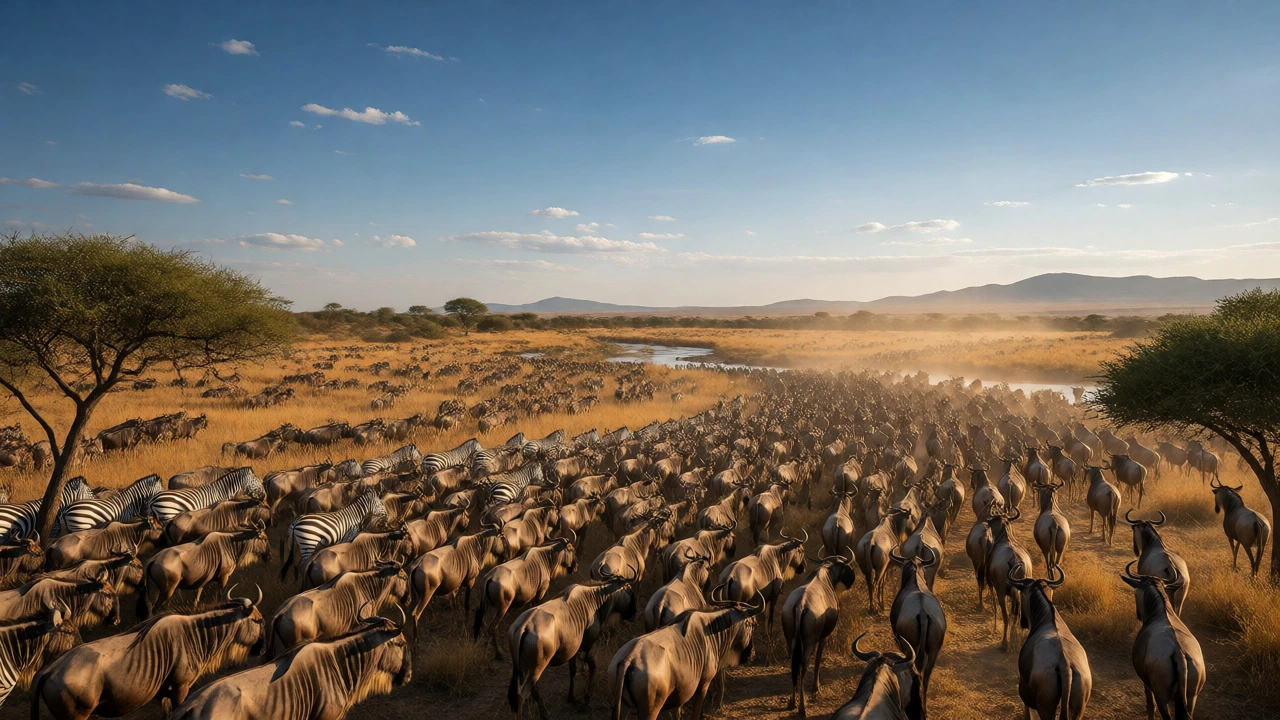
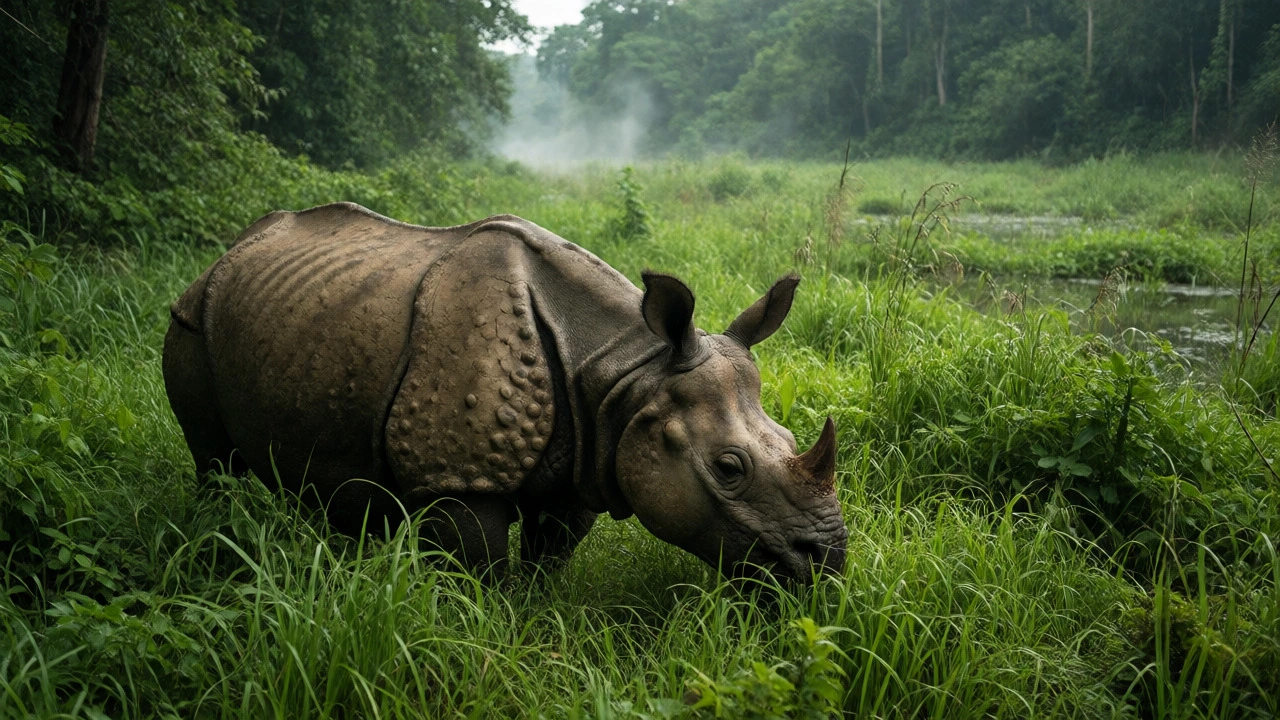
For instance, Serengeti National Park in Tanzania is renowned for its annual migration of over 1.5 million wildebeest is iconic because it hosts the largest land mammal migration on Earth. That spectacle draws millions of views and visitors. On the flip side, Chitwan National Park in Nepal gained fame as the first national park in the country and a UNESCO World Heritage site for its rhino populations became famous for successfully bringing the greater one-horned rhinoceros back from the brink.
Fame also correlates with accessibility. If you can fly into a major hub and be on a jeep within hours, that place gets more traffic. This creates a feedback loop: more tourists mean more media coverage, which means more fame. So, when we look at the top contenders, we are balancing biological significance with tourist infrastructure.
The African Giants: Serengeti and Kruger
If you had to pick the single most recognizable name in wildlife tourism, it would likely be Kruger National Park South Africa’s flagship reserve known for high lion density and self-drive safari options. Why? Because it democratized the safari. Before Kruger, safaris were expensive, guided-only affairs for the elite. Kruger introduced the concept of self-driving, letting regular families spot leopards and elephants on their own schedule. This accessibility cemented its status as the "most visited" in many metrics.
However, if fame is measured by cinematic presence, Masai Mara National Reserve Kenya’s extension of the Serengeti ecosystem, famous for big cat sightings and Maasai culture often takes the crown. The image of lions resting on kopjes (rocky outcrops) against a savanna backdrop is synonymous with Africa. The Masai Mara is smaller than Kruger but denser in predator activity during the migration season. Travelers flock here specifically for the "Big Five" experience-lion, leopard, rhino, elephant, and buffalo-in a relatively compact area.
| Attribute | Kruger National Park | Serengeti/Masai Mara |
|---|---|---|
| Primary Draw | Self-drive access & Big Five year-round | The Great Migration & Predator density |
| Best For | Budget-conscious & independent travelers | Luxury safari seekers & photographers |
| Key Species | Lions, Elephants, Rhinos | Wildebeest, Zebras, Cheetahs |
| Accessibility | High (Road network & multiple airports) | Moderate (Often requires light aircraft transfers) |
The Asian Icons: Tigers and Pandas
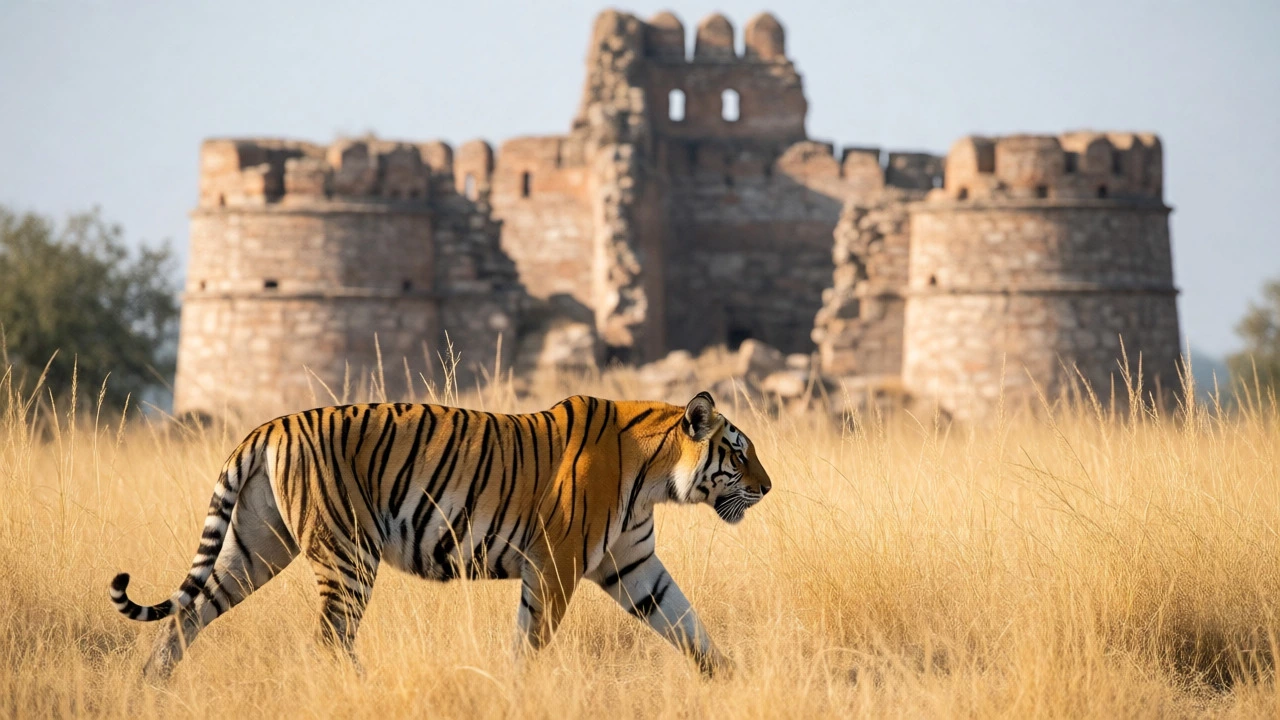
While Africa owns the savanna narrative, Asia owns the forest mystery. When people search for "most famous wildlife sanctuary," many are actually thinking of tiger reserves. In this category, Ranthambore National Park India’s premier tiger reserve located in Rajasthan, known for historic ruins and high tiger sighting probability stands out. It’s visually stunning. You’re spotting a Royal Bengal Tiger against the backdrop of an ancient fort. This unique blend of history and wildlife makes it a favorite for international tourists who want more than just trees and grass.
Then there is the giant panda factor. Wolong National Nature Reserve China’s largest panda conservation base, crucial for breeding programs and habitat protection is arguably the most emotionally resonant sanctuary globally. The panda is a global symbol of conservation. Wolong isn’t just a park; it’s a research hub. While you might not see wild pandas roaming freely as easily as you see deer in Europe, the fame here is driven by the success story of saving an endangered species. Visitors go there to support the cause and see these charismatic animals up close in semi-wild environments.
Another heavyweight is Jim Corbett National Park India’s oldest national park, established in 1936, famous for its diverse ecosystem and elephant herds. As the oldest park in India, it carries historical weight. It was named after Jim Corbett, the legendary hunter-turned-conservationist. Its fame is rooted in legacy. For many Asians, visiting Corbett is a rite of passage. The park offers a raw, less commercialized experience compared to Ranthambore, attracting those who prefer dense sal forests and riverine landscapes.
The Unique Ecosystems: Galápagos and Yellowstone
Sometimes, fame comes from uniqueness rather than density. Take the Galápagos Islands An archipelago in Ecuador famous for unique species that inspired Charles Darwin’s theory of evolution. Technically a marine and terrestrial protected area, it holds a special place in scientific history. You don’t go here to see a "standard" zoo-like collection of animals. You go to see marine iguanas swimming among sharks and blue-footed boobies doing their mating dances. The lack of fear in these animals toward humans is unparalleled. This specific behavioral trait makes Galápagos infinitely more famous in educational circles than almost any other sanctuary.
In North America, Yellowstone National Park The world’s first national park, celebrated for geothermal features like Old Faithful and large megafauna populations dominates the conversation. It’s not just a wildlife sanctuary; it’s the prototype. Established in 1872, it set the standard for how nations protect natural wonders. Its fame is dual-purpose: geysers and grizzlies. Seeing a bison herd block traffic in Yellowstone is a quintessential American travel memory. The park’s integration of geology and biology creates a brand recognition that few others can match.
How to Choose Your Famous Sanctuary
So, which one should you book? It depends on your personal "job-to-be-done." Are you trying to tick off a checklist item? Or do you want a deep ecological immersion?
- Choose Serengeti/Kruger if: You want the classic "Lion King" experience. You want wide-open spaces, easy photography angles, and the thrill of seeing predators hunt.
- Choose Ranthambore/Corbett if: You love tigers and enjoy combining wildlife with cultural heritage. You don’t mind sharing sightings with other jeeps if it means higher chances of a glimpse.
- Choose Galápagos if: You are a science nerd or a photographer who wants unusual subjects. You are willing to pay a premium for a once-in-a-lifetime evolutionary perspective.
- Choose Yellowstone if: You are traveling with family and want a mix of hiking, geology, and wildlife. You prefer road trips over guided bush walks.
Remember, "famous" often equals "crowded." The most famous sanctuaries have strict visitor caps for a reason. Booking six months in advance is not optional for places like the Masai Mara during migration season or Ranthambore during peak winter. If you hate queues, consider the "runner-up" famous spots. For example, instead of Kruger, try Addo Elephant National Park South Africa’s third-largest park, home to the highest concentration of elephants in the country. It has fewer tourists but incredible elephant interactions.
Conservation Impact Matters
Your choice of destination supports conservation. When you visit a famous sanctuary, your entry fees often fund anti-poaching units. In Chitwan National Park Nepal’s tropical lowland park, a critical refuge for the Greater One-Horned Rhinoceros, tourism revenue directly pays for the army patrols that guard rhinos. Without the fame-and the resulting tourist dollars-these animals might have vanished decades ago.
This creates a moral imperative. Visiting a famous sanctuary isn’t just a vacation; it’s a vote for preservation. However, be mindful of overtourism. In some popular spots, vehicle congestion disturbs animal behavior. Look for lodges that limit group sizes or offer walking safaris, which have a lower carbon footprint and less visual impact on the wildlife.
Is Serengeti better than Masai Mara?
It depends on timing. Serengeti is larger and offers a more remote feel. Masai Mara is closer to Nairobi, making it easier to access. During the migration crossing (July-October), Masai Mara is busier but offers dramatic river crossings. Outside migration, Serengeti provides a quieter, more expansive experience.
Can I see tigers in Jim Corbett?
Yes, but sightings are never guaranteed. Jim Corbett has a healthy tiger population, but the terrain is dense forest, unlike the open grasslands of Ranthambore. Morning and evening safaris increase your chances. Patience is key, as tigers are elusive predators.
What is the best time to visit Yellowstone?
Summer (June-August) offers full access to all roads and facilities. However, it is crowded. September and early October provide cooler weather, fewer crowds, and active bear feeding before hibernation, making it a favorite for experienced wildlife watchers.
Are wildlife sanctuaries safe for solo travelers?
Generally, yes. Most famous sanctuaries have robust safety protocols. In Africa, you are typically in a vehicle with a guide. In Asia, shared jeeps are common. Always follow ranger instructions regarding food storage and noise levels to ensure both your safety and the animals' well-being.
Why is the Galápagos so expensive?
Costs are driven by logistics and conservation fees. Flights to the islands are costly due to remoteness. Additionally, strict environmental regulations require licensed guides and controlled visitor numbers to protect fragile ecosystems, keeping prices higher than mainland destinations.