What Can 1 US Dollar Buy in India? Real Prices for Budget Travelers
 Aug, 18 2026
India Budget Travel Calculator
Select Your Daily Activities
Cost Breakdown
Compare with USA Costs
Equivalent daily budget in a Western city would be:
| Item | Price in India (INR) | Price in India (USD) | Typical USA Price (USD) | Savings % |
|---|
Walking into a crowded market in Delhi or haggling for spices in Kerala, you quickly realize that your wallet stretches much further here than back home. The core question every traveler asks is simple: what does one greenback actually get you on the ground? It’s not just about the exchange rate; it’s about understanding the value of that money in daily life. Whether you’re grabbing a quick meal or booking a ride, knowing the real cost helps you plan smarter and enjoy more without breaking the bank.
The Exchange Rate Reality Check
As of August 2026, the US Dollar trades at approximately 84 to 85 Indian Rupees. This means when you convert $1 USD, you walk away with roughly ₹84. While this number fluctuates slightly based on global markets, it provides a stable baseline for budgeting. For context, the Indian Rupee is the official currency of India, and its value against the dollar has remained relatively strong for travelers over the last decade.
However, the exchange rate is only half the story. Inflation in India varies significantly by category. Essential services like public transport remain cheap, while imported goods or tourist-trap restaurants can skew your spending high. To truly understand what $1 buys, we need to look at specific categories rather than just the raw conversion number.
Food and Drink: Eating Well on a Shoestring
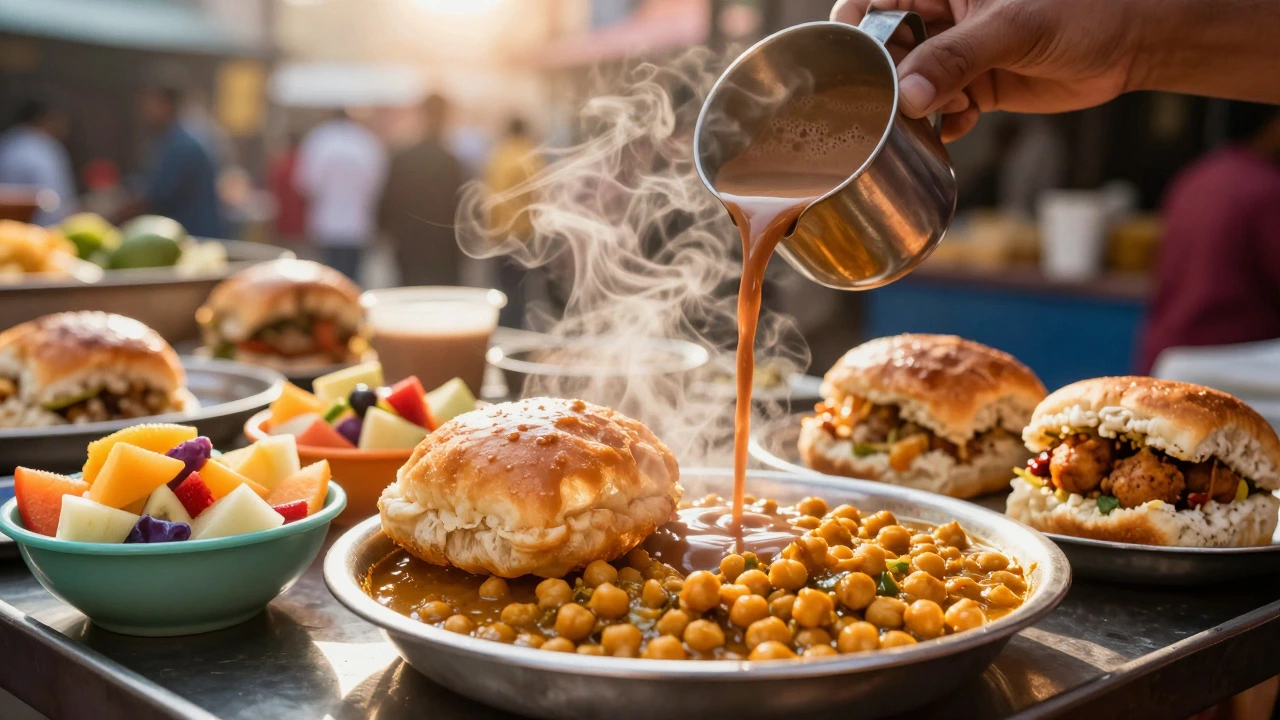
Food is where the value of the dollar shines brightest. Street food is the heart of Indian cuisine, offering authentic flavors at incredibly low prices. A single plate of Chole Bhature, a popular North Indian dish consisting of chickpea curry and fried bread, typically costs between ₹40 and ₹60. That translates to less than half a US dollar.
- Vada Pav: This Mumbai icon, a spicy potato fritter inside a bun, costs around ₹20-₹30 ($0.25-$0.35).
- Masala Chai: A cup of spiced tea from a roadside stall runs about ₹10-₹15 ($0.12-$0.18).
- Fruit Salads: Fresh seasonal fruit bowls are often available for ₹50-₹70 ($0.60-$0.85).
If you step up to a small, clean restaurant, a full vegetarian thali (platter) might set you back ₹150-₹200, which is still under $2.50. Compare this to Western countries where a basic lunch can easily exceed $10, and the savings become obvious. You can eat three substantial meals a day for less than the price of one coffee in New York or London.
Transportation: Moving Around Cheaply
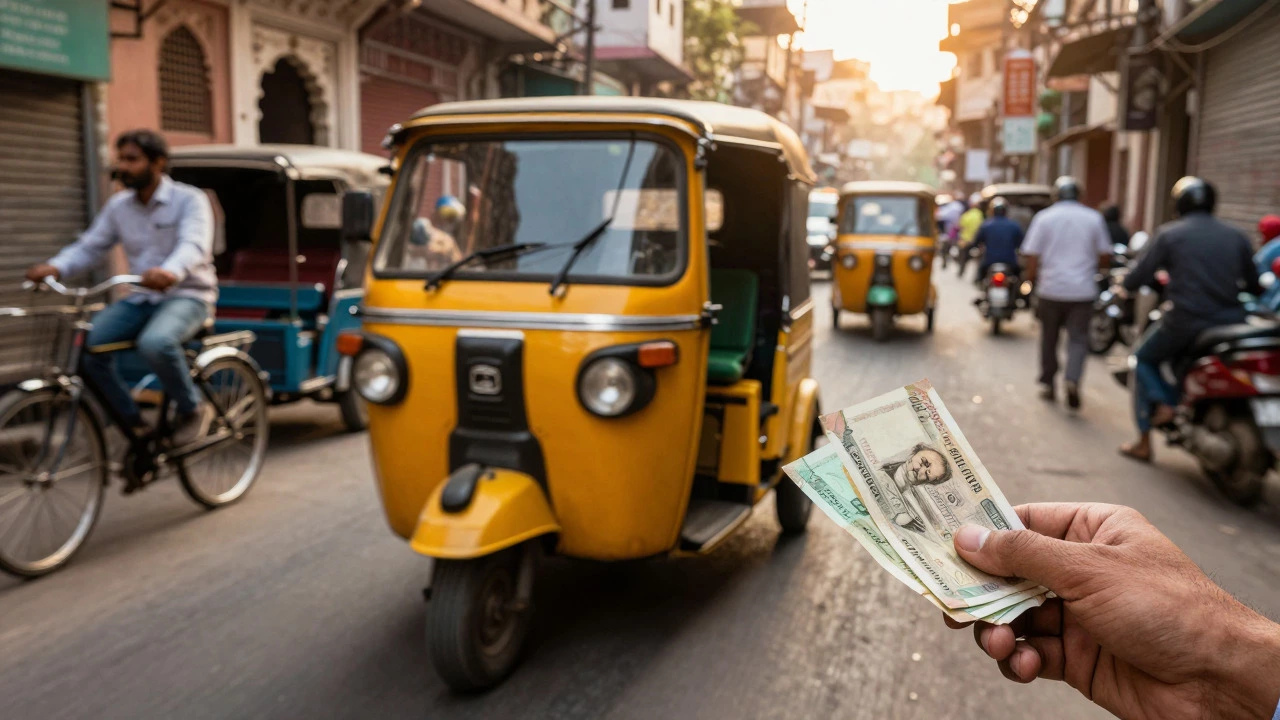
Getting from point A to B in India doesn’t require splurging on taxis. Public transport is extensive, affordable, and surprisingly reliable in major cities. The Indian Railways network is one of the largest in the world, connecting almost every city. A second-class seat on a long-distance train can cost as little as ₹200-₹500 for journeys that would take days by bus elsewhere. That’s roughly $2.50 to $6 for significant distance.
For short trips within a city, auto-rickshaws and shared taxis are common. An auto-rickshaw ride of 2-3 kilometers usually starts at ₹30-₹40 ($0.35-$0.50). If you prefer air-conditioned comfort, app-based cabs like Ola or Uber are widely available. A 5-kilometer ride in an AC cab might cost ₹100-₹150 ($1.20-$1.80), which is still a fraction of what you’d pay in Europe or North America.
| Item | Price in India (INR) | Price in India (USD) | Typical Price in USA (USD) |
|---|---|---|---|
| Masala Chai | ₹15 | $0.18 | $3.50 |
| Street Food Meal | ₹50 | $0.60 | $8.00 |
| Auto-Rickshaw (Short Trip) | ₹40 | $0.48 | $15.00 (Taxi equivalent) |
| Local Train Ticket | ₹20 | $0.24 | $2.90 |
| Hotel Dorm Bed (Mid-range) | ₹500 | $6.00 | $40.00 |
Accommodation: Where Your Money Goes
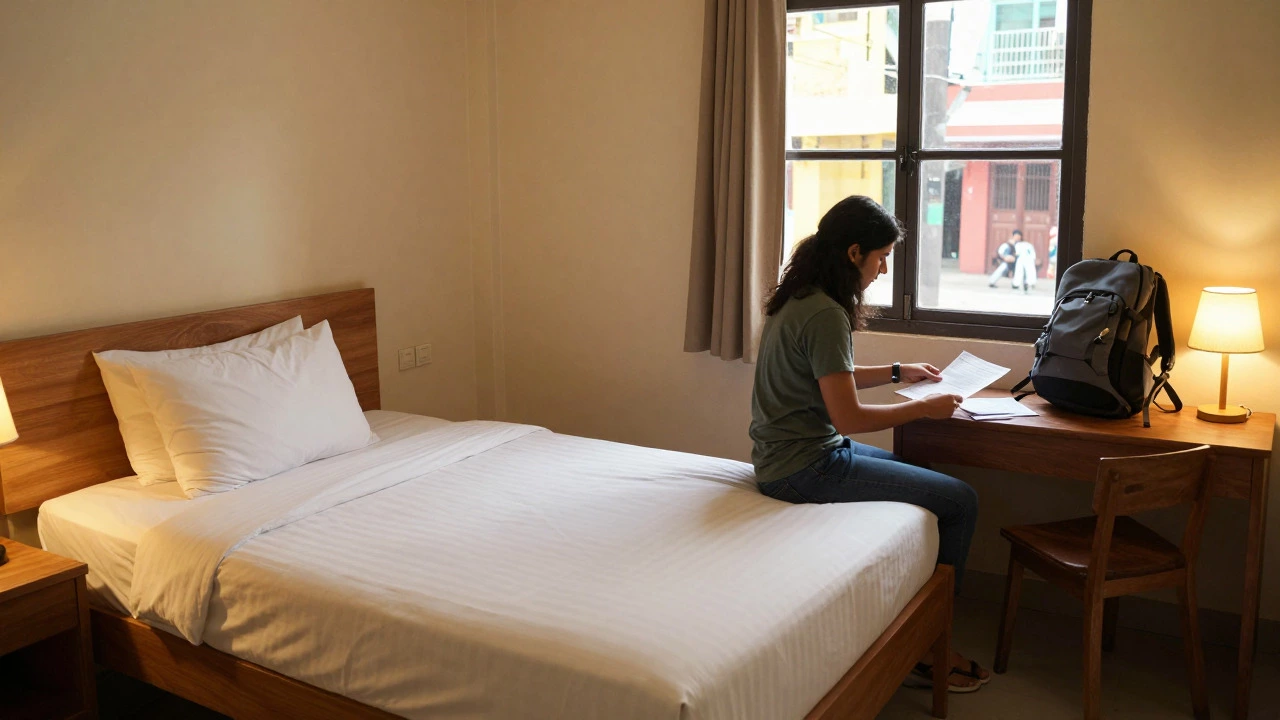
Lodging is another area where the dollar works hard. Hostels and guesthouses offer private rooms starting at ₹800-₹1,200 per night ($10-$15). For solo travelers, dorm beds are even cheaper, ranging from ₹300 to ₹500 ($3.50-$6). These places are generally clean, safe, and come with Wi-Fi, making them ideal for budget-conscious explorers.
If you want a bit more luxury, mid-range hotels with attached bathrooms and breakfast might cost ₹2,000-₹3,000 ($25-$35). This is still significantly cheaper than comparable accommodations in Western cities. The key is to book in advance during peak seasons, but even then, the base rates remain low compared to global standards.
Daily Essentials and Souvenirs
Beyond food and transport, everyday items are surprisingly affordable. A bottle of mineral water costs around ₹20-₹30 ($0.25-$0.35). Basic toiletries, like soap or toothpaste, are priced similarly to or lower than in the West. If you’re looking for souvenirs, handmade textiles, jewelry, and spices offer great value. A small piece of handwoven fabric or a set of spice packets can be purchased for $5-$10, providing tangible mementos without draining your funds.
One thing to watch out for is the "tourist tax." Prices in areas heavily frequented by foreigners, such as parts of Old Delhi or certain beach resorts in Goa, can be inflated. Always negotiate politely, especially in markets. Vendors expect bargaining, and starting at 50% of the quoted price is a common strategy. This cultural norm ensures you get fair value for your rupees.
Practical Tips for Maximizing Value
To make the most of your dollars in India, consider these practical strategies:
- Carry Cash: While credit cards are accepted in big cities, smaller towns and street vendors prefer cash. Keep small denominations handy for tips and small purchases.
- Use Local Apps: Download apps like Ola or Uber for transparent pricing on cabs. They prevent overcharging and provide receipt trails.
- Eat Where Locals Eat: Avoid restaurants with English menus featuring photos of food. Instead, look for crowded spots with no signage. The queue is a good indicator of quality and fair pricing.
- Travel Off-Peak: Flights and trains are cheaper during weekdays and off-season months. Booking early also secures better rates.
- Hydrate Wisely: Drink bottled or filtered water. While tap water is technically treated, many travelers prefer the safety of sealed bottles, which are inexpensive.
Understanding these dynamics allows you to navigate India with confidence. You don’t need to be rich to experience the country’s vibrant culture, delicious food, and stunning landscapes. With careful planning and awareness of local prices, $1 goes a long way, enabling you to immerse yourself fully in the Indian experience.
Frequently Asked Questions
Is it safe to use US Dollars directly in India?
No, US Dollars are not legal tender in India. You must exchange them for Indian Rupees at banks, authorized money changers, or airports. Credit cards are widely accepted in urban areas, but cash is king in rural regions and small shops.
How much should I budget per day in India?
A comfortable budget for a solo traveler is $30-$50 per day. This covers accommodation, three meals, local transport, and some activities. Backpackers can manage on $15-$20 per day by staying in hostels and eating street food.
Are tips expected in India?
Tipping is appreciated but not mandatory. In restaurants, a 5-10% tip is standard if service charge isn't included. For porters or guides, ₹50-₹100 ($0.60-$1.20) is a generous gesture. Taxis rarely require tips unless you ask for help with luggage.
Which cities are most expensive in India?
Mumbai and Delhi tend to be pricier due to their status as major metropolitan hubs. Goa, especially during peak season, also sees higher prices for accommodation and dining. Smaller cities like Varanasi or Jaipur offer similar experiences at lower costs.
Can I buy alcohol cheaply in India?
Alcohol prices vary wildly by state due to different tax laws. In states like Gujarat (dry state) or Rajasthan, beer and spirits are expensive. In states like Goa or Karnataka, prices are more reasonable. A local beer might cost ₹100-₹150 ($1.20-$1.80) in moderate states.