What is a Man-Made Attraction? A Guide to India’s Built Wonders
 Jun, 30 2026
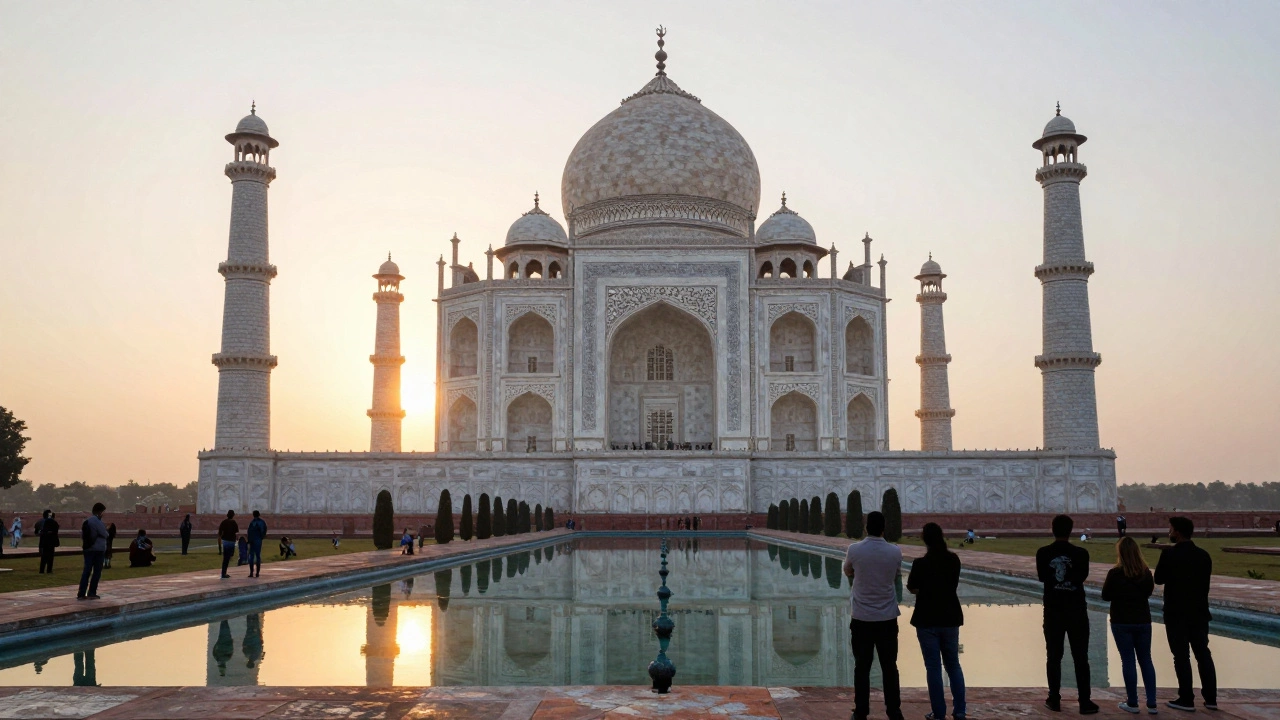
Imagine standing at the base of the Taj Mahal, a white marble mausoleum that took over 20 years and 20,000 artisans to build. Now picture yourself in the middle of the Amazon rainforest, surrounded by trees that have grown for centuries without human intervention. Both are breathtaking, but they belong to two very different worlds. One is nature; the other is a man-made attraction.
If you’re planning a trip to India or simply curious about travel terminology, you’ve probably seen this phrase pop up on booking sites and guidebooks. But what exactly does it mean? Is a skyscraper a man-made attraction? What about a small village temple?
In simple terms, a man-made attraction is any site, structure, or place created by humans that draws visitors because of its historical, artistic, religious, or recreational value. Unlike natural wonders like mountains or waterfalls, these places exist only because people designed and built them. In the context of cultural tourism in India, understanding this distinction helps you plan trips that match your interests-whether you love ancient history, modern architecture, or theme parks.
The Core Definition: Human Intent vs. Natural Formation
At its heart, a man-made attraction is defined by intent. Nature doesn’t plan a building. Humans do. When we talk about these attractions, we’re looking at structures where human labor, engineering, and creativity are the primary features. This includes everything from massive fortresses to small garden pavilions.
To break it down further, a site qualifies as a man-made attraction if:
- It was constructed by people: No matter how old it is, if hands built it, it counts. This applies to ruins just as much as to shiny new museums.
- It has a specific purpose: Was it built for defense (a fort), worship (a temple), residence (a palace), or leisure (a theme park)? The original function matters.
- It holds value beyond utility: You don’t visit a random warehouse unless it’s famous for something. Man-made attractions usually offer educational, aesthetic, or emotional experiences.
This definition excludes things like a naturally formed cave system, even if tourists climb into it. However, if humans carved statues inside that cave, it becomes a hybrid site with significant man-made elements.
Types of Man-Made Attractions in India
India is a goldmine for these kinds of sites. Because of its long history and diverse cultures, the country offers nearly every type of human-built wonder you can imagine. Here are the main categories you’ll encounter:
1. Historical Monuments and Forts
These are perhaps the most common man-made attractions in India. Think of the Red Fort in Delhi or the Amer Fort in Jaipur. These structures were built for power, defense, and royal living. Today, they serve as open-air museums where you can walk through courtyards, see intricate carvings, and learn about empires that ruled centuries ago.
2. Religious Structures
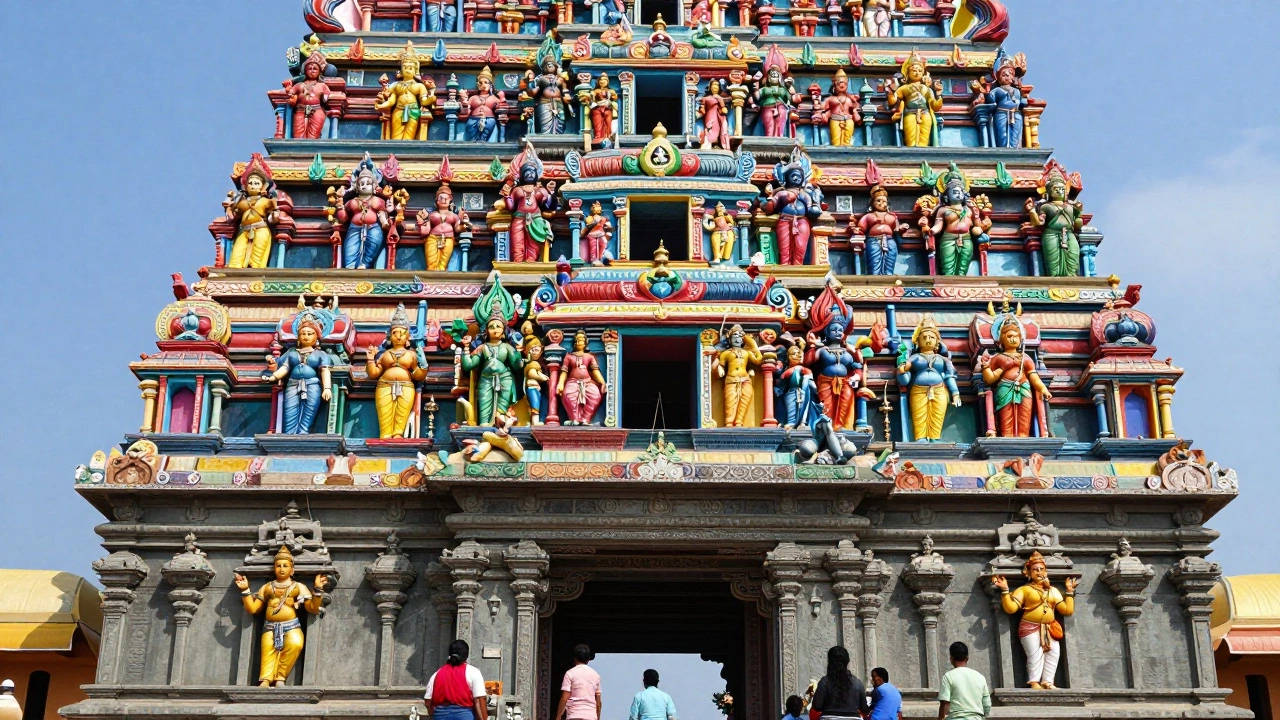
Temples, mosques, churches, and gurudwaras form a huge part of India’s built heritage. The Meenakshi Amman Temple in Madurai, for example, is not just a place of worship but an architectural marvel with towering gopurams (gateways) covered in thousands of colorful sculptures. Visitors come to admire the craftsmanship as much as to pray.
3. Palaces and Heritage Hotels
Many royal families converted their homes into hotels. Places like the Umaid Bhawan Palace in Jodhpur allow guests to sleep in rooms once used by maharajas. These sites blend luxury tourism with historical preservation.
4. Modern Architectural Wonders
Man-made doesn’t always mean old. The Lotus Temple in New Delhi is a Bahá'í House of Worship completed in 1986. Its flower-like shape made it an instant icon. Similarly, the Gateway of India in Mumbai, built in 1924, represents colonial-era architecture that still defines the city’s skyline.
5. Theme Parks and Entertainment Zones
Don’t forget the fun stuff. Places like PVR Cinemas complexes or amusement parks like Essel World are purely recreational man-made attractions. They are designed entirely for entertainment and profit, unlike historical sites which often focus on education and preservation.
Why the Distinction Matters for Travelers
You might wonder why we need to separate man-made attractions from natural ones. The answer lies in how you prepare for your visit.
Different Pacing: Visiting a national park requires physical stamina and time for walking or trekking. Visiting a museum or a fort often involves more standing, reading plaques, and listening to guides. Knowing the type of attraction helps you pack the right shoes and energy levels.
Cultural Sensitivity: Many man-made attractions in India are active religious sites. For example, when visiting the Golden Temple in Amritsar, you must remove your shoes and cover your head. Natural sites rarely have such strict dress codes. Understanding that a site is both a tourist spot and a functioning place of worship changes how you behave there.
Preservation Concerns: Man-made structures can deteriorate. Stone erodes, paint fades, and wood rots. When you visit these places, your ticket money often goes toward maintenance. This creates a direct link between tourism and conservation. In contrast, protecting a forest involves different strategies, like preventing poaching or pollution.
| Feature | Natural Attraction | Man-Made Attraction |
|---|---|---|
| Origin | Geological or biological processes | Human design and construction |
| Example in India | Jim Corbett National Park | Taj Mahal |
| Primary Value | Scenery, wildlife, peace | History, art, engineering |
| Maintenance Needs | Ecosystem balance, anti-poaching | Structural repair, cleaning, security |
| Visitor Rules | No littering, stay on trails | Dress codes, no flash photography |
Top Man-Made Attractions to Visit in India
If you want to see the best examples of human creativity in India, here are five must-visit sites that represent different styles and eras.
- The Taj Mahal, Agra: Completed in 1632, this ivory-white marble mausoleum is the ultimate symbol of love and Mughal architecture. It combines Persian, Islamic, and Indian styles seamlessly.
- Hampi Ruins, Karnataka: Once the capital of the Vijayanagara Empire, this UNESCO World Heritage Site is a sprawling landscape of stone temples, palaces, and market streets left in ruins after a battle in 1565. It feels like stepping into an ancient movie set.
- Jaipur City Palace, Rajasthan: Built in the 18th century, this complex blends Rajput and Mughal architecture. It houses museums, courtyards, and the famous Hawa Mahal (Palace of Winds) nearby.
- Ajanta and Ellora Caves, Maharashtra: While carved into rock, these are man-made because monks and artisans spent centuries chiseling out temples and Buddhist monasteries. The Kailasa Temple at Ellora is particularly stunning-it was carved top-down from a single mountain.
- Chhatrapati Shivaji Maharaj Terminus, Mumbai: A Victorian Gothic Revival railway station built in 1887. It shows how British colonial influence shaped India’s urban infrastructure.
How to Choose the Right Sites for Your Trip
With so many options, how do you decide where to go? Start by asking yourself what kind of experience you want.
If you love photography, look for sites with strong geometric patterns or vibrant colors, like the stepwells of Gujarat or the painted ceilings of Fatehpur Sikri. If you’re interested in history, prioritize forts and archaeological sites where guided tours explain the political context. For spiritual travelers, choose active temples or gurudwaras where you can participate in rituals rather than just observe.
Also consider the season. Many man-made attractions in northern India, like Delhi and Agra, become unbearably hot in April and May. Visiting in winter (November to February) makes exploring large outdoor complexes much more comfortable. In southern India, the climate is milder year-round, but the monsoon season (June to September) can make slippery stone floors dangerous.
Preserving Our Built Heritage
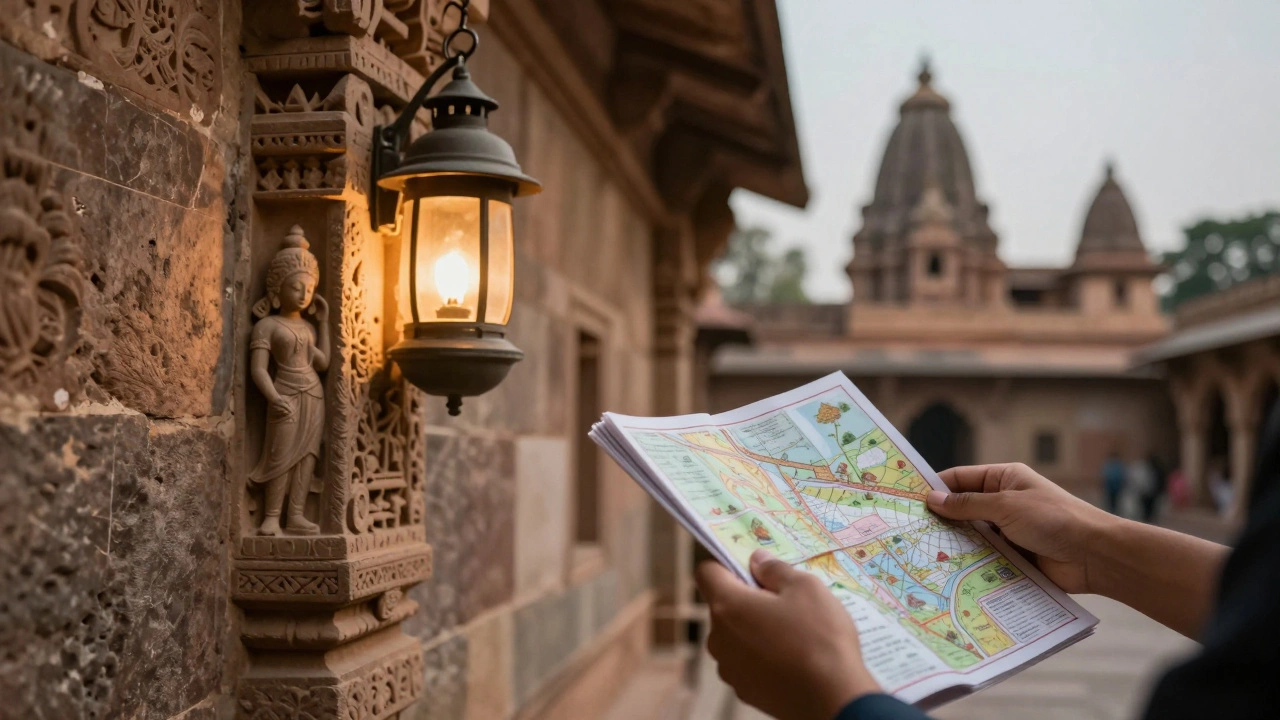
As tourists, we play a role in keeping these sites alive. The Archaeological Survey of India (ASI) manages many of these locations, but they rely on public cooperation. Simple actions help:
- Don’t touch the walls: Oils from our skin can damage ancient pigments and stone surfaces over time.
- Follow designated paths: Stepping off-trail can cause erosion or damage hidden artifacts.
- Buy official souvenirs: This supports local economies and funds conservation efforts.
Remember, a man-made attraction is fragile. Unlike a mountain, it can be destroyed by neglect, pollution, or conflict. By respecting these rules, you help ensure that future generations can also marvel at human ingenuity.
Common Misconceptions About Man-Made Sites
One big myth is that "man-made" means "fake." Some travelers feel that natural sites are more "authentic." But authenticity isn’t about origin; it’s about truthfulness to history. A 500-year-old temple is just as authentic as a 5-million-year-old canyon. It tells the true story of the people who lived there.
Another misconception is that all man-made attractions are indoors. Many are vast outdoor complexes, like the Red Fort, where you spend hours walking under the sun. Always check the layout before you go.
Is a zoo considered a man-made attraction?
Yes, technically. Zoos are built environments designed by humans to house animals. However, in tourism classification, they are often grouped separately under "wildlife" or "entertainment" because the primary draw is the animals, not the structure itself. In India, places like the National Zoo in New Delhi fall into this category.
Are caves like Ajanta considered natural or man-made?
They are classified as man-made attractions. Although the rock face is natural, the caves themselves were carved out by humans using tools. The paintings, sculptures, and structural designs inside are entirely human creations, making them significant architectural and artistic sites.
Do I need a guide for man-made historical sites?
It is highly recommended. Without context, a fort might just look like old stones. A guide explains the battles fought, the lives of the rulers, and the symbolism behind the carvings. In India, ASI-approved guides are available at major sites and provide certified, accurate information.
What is the best time to visit historical monuments in India?
The winter months, from October to March, are ideal. The weather is cool and pleasant, making it easier to explore large outdoor complexes like the Taj Mahal or Hampi. Summer temperatures can exceed 40°C (104°F) in many parts of North India, which can be exhausting for sightseeing.
Are man-made attractions safer than natural ones?
Generally, yes. Man-made sites like museums and forts have controlled access, security personnel, and clear pathways. Natural sites like jungles or high-altitude treks carry risks of wildlife encounters, weather changes, or getting lost. However, you should always remain vigilant against pickpocketing in crowded tourist areas.