What is Dark Tourism in India? A Guide to Haunted History and Tragic Sites
 Jul, 14 2026
Dark Tourism Site Explorer
Select a destination to view detailed information, ethical guidelines, and visitor tips for dark tourism sites in India.
Imagine standing in a dimly lit cell, the air thick with humidity and history. You aren’t there for a party or a vacation snapshot. You are there because something terrible happened here. This is dark tourism. It’s not about seeking horror for the sake of adrenaline; it’s about confronting the darker chapters of human history. In India, a country with thousands of years of complex, often violent past, this niche form of travel is growing fast. But what exactly does it mean to visit these places, and why do travelers keep coming back?
The Anatomy of Dark Tourism
Dark tourism isn’t just visiting graveyards. It’s a specific type of travel focused on sites associated with death, suffering, tragedy, or the macabre. Scholars call it 'thanatourism.' For the average traveler, it feels like a mix of education, empathy, and yes, a little bit of morbid curiosity. Why do we go? Psychologists suggest it helps us process mortality. Seeing where others suffered reminds us that life is fragile. It also serves as a powerful educational tool. Reading about the Jallianwala Bagh massacre in a textbook is one thing. Standing in the garden, seeing the bullet marks still embedded in the walls, is another entirely.
In the context of India is a South Asian nation with a diverse history ranging from ancient empires to colonial rule and independence struggles, dark tourism intersects heavily with cultural tourism involves traveling to experience the lifestyle, history, and traditions of a local population. You aren't just looking at ruins; you are engaging with the collective memory of a people. Whether it’s a battlefield, a prison, or a site of natural disaster, these locations demand respect. They require a shift in mindset from leisure to reflection.
Why India is a Prime Destination for Dark Tourism
India’s history is not linear. It is layered with conquests, partitions, spiritual asceticism, and modern tragedies. This depth provides a rich tapestry for dark tourism. Unlike Europe, where dark tourism often focuses on WWII, India’s narrative spans centuries. You have the Mughal era’s architectural grandeur built on bloodshed, the British Raj’s colonial oppression, the trauma of Partition in 1947, and more recent events like the 2008 Mumbai attacks or the 2004 Tsunami. Each layer offers a different flavor of darkness. Some sites are eerie due to supernatural beliefs, while others are solemn memorials to political violence. The variety ensures that no two trips feel the same.
Furthermore, the Indian approach to death and the afterlife differs significantly from Western perspectives. Death is often seen as a transition rather than an end. This cultural nuance affects how sites are maintained and visited. A cremation ground in Varanasi isn’t viewed as a place of horror but as a sacred gateway. Understanding this context is crucial for any traveler. Without it, you risk being disrespectful. With it, you gain profound insight into Indian philosophy.
Key Sites: From Colonial Prisons to Haunted Forts
If you plan to explore this niche, knowing where to start is essential. Here are some pivotal locations that define dark tourism in India:
- Jallianwala Bagh A memorial garden in Amritsar commemorating the 1919 massacre by British troops: Located in Amritsar, Punjab, this park is where British General Dyer ordered soldiers to fire on a peaceful crowd. Over 1,000 people died. Today, the museum displays artifacts and personal stories. It is a sobering reminder of colonial brutality.
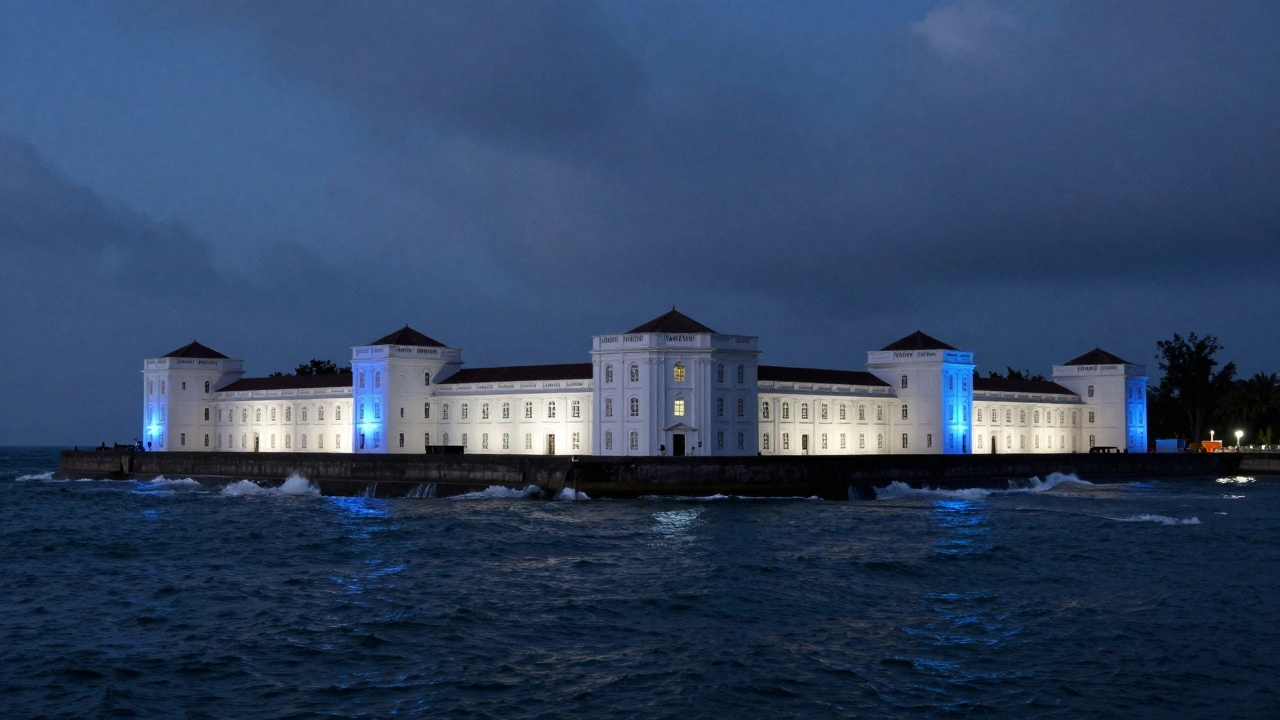
- Cellular Jail Also known as Kalapani, this former prison in Port Blair held political prisoners under harsh conditions: In the Andaman Islands, this jail was designed to isolate freedom fighters. The sound of waves crashing against the walls became synonymous with despair. Now a national memorial, it hosts a light and sound show that narrates the struggles of inmates.
- Gurdwara Dera Sahib Located in Lahore, Pakistan, but historically significant to Indian Sikh heritage regarding the execution of Guru Tegh Bahadur: While technically across the border, its significance to Indian history cannot be ignored. It marks the spot where the ninth Sikh Guru was executed by Aurangzeb. Many Indians visit as part of broader pilgrimage circuits.
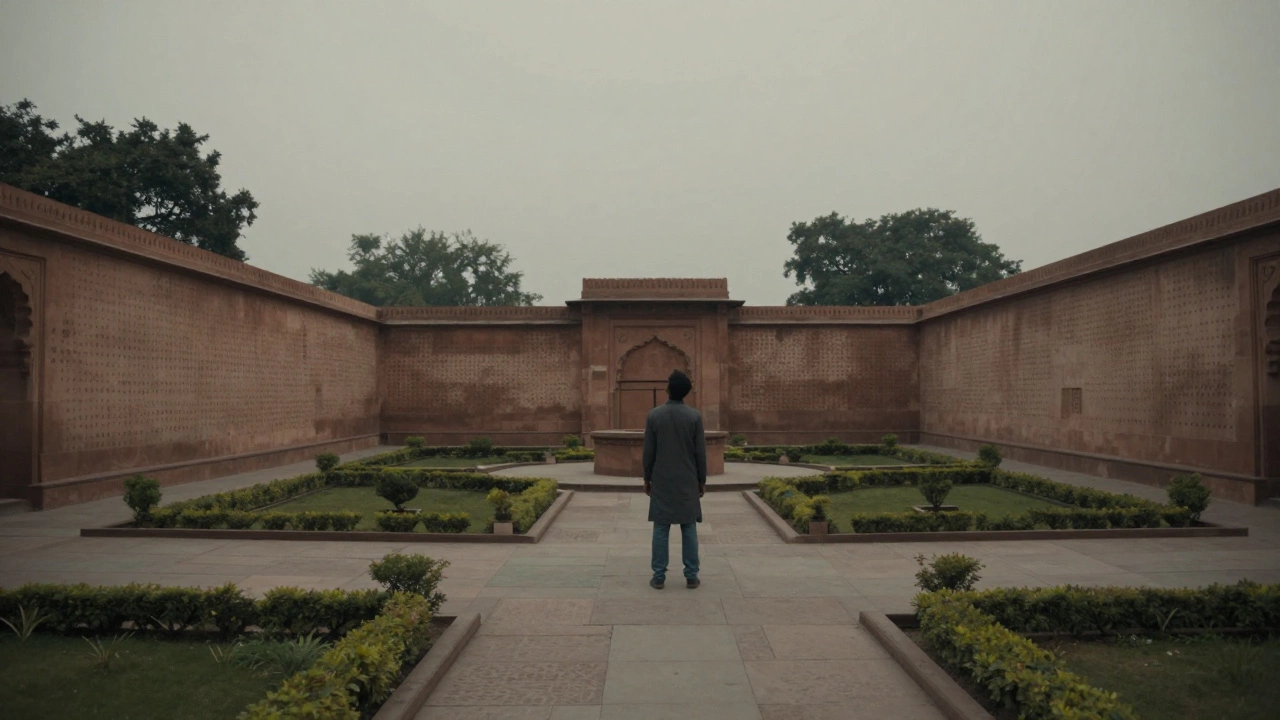
- Bhangarh Fort A ruined fort in Rajasthan declared off-limits after sunset due to alleged hauntings: Often cited as Asia’s most haunted place, this 17th-century fort in Rajasthan attracts thrill-seekers. Legends speak of a curse placed by a sage. The Archaeological Survey of India prohibits entry between sunset and sunrise, adding to its mystique.
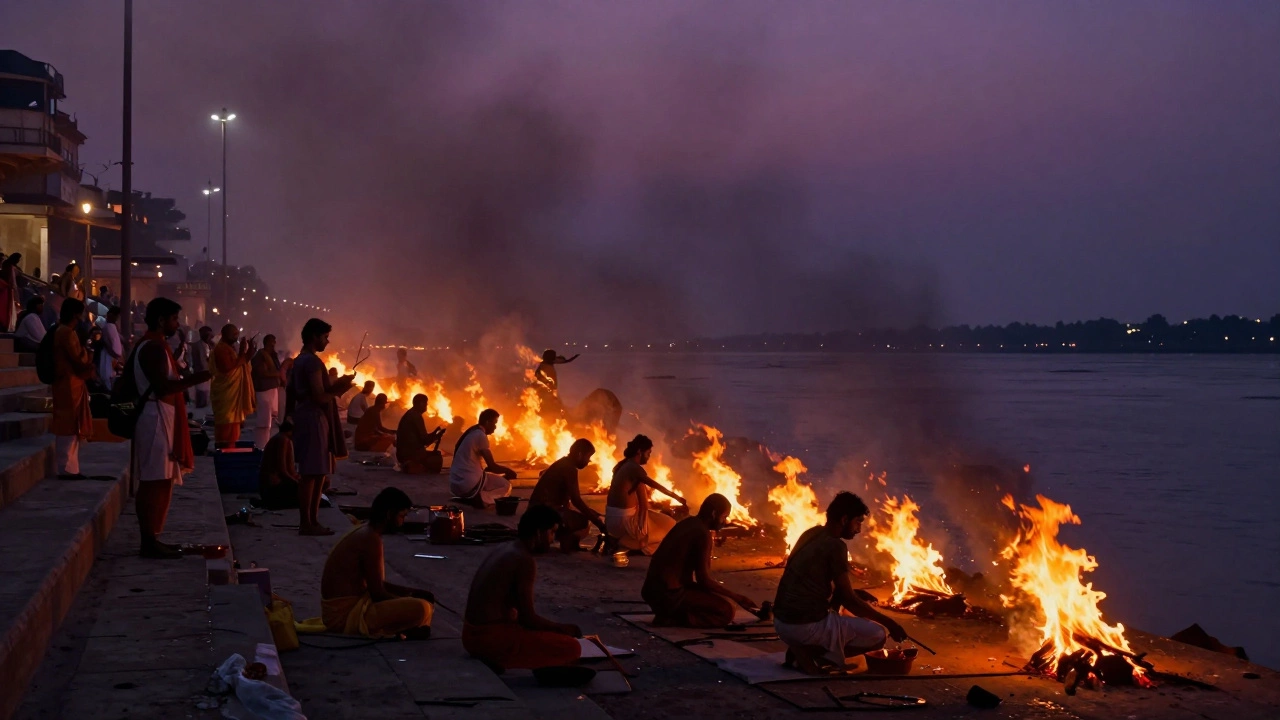
- Manikarnika Ghat The primary cremation ghat in Varanasi, active 24/7, offering a raw look at Hindu funeral rites: In Varanasi, Uttar Pradesh, this ghat is never empty. Fires burn constantly. Visitors watch rituals unfold without judgment. It is a stark confrontation with mortality, deeply rooted in Hindu belief systems.
Navigating Ethics: Respect vs. Curiosity
Visiting places of tragedy requires ethical awareness. It’s easy to slip into voyeurism-taking selfies in front of memorials or treating graves as photo ops. This behavior disrespects the victims and their descendants. Always check if photography is allowed. At Jallianwala Bagh, for instance, cameras are permitted but silence is expected. Dress modestly. Remove shoes when required. Speak quietly. These small actions show that you understand the weight of the location.
Another ethical consideration is economic impact. Does your visit support the local community, or does it exploit their pain? Choose guided tours led by locals who can provide authentic narratives. Avoid operators who sensationalize stories for entertainment. Look for NGOs or government-run initiatives that reinvest ticket sales into maintenance and education. Your presence should contribute positively, not extractively.
Practical Tips for First-Time Dark Tourists
Planning a trip focused on dark tourism differs slightly from standard sightseeing. Here’s how to prepare:
- Research Context: Read books or watch documentaries before you go. Knowing the names of victims or the political background enriches the experience. Don’t rely solely on guidebooks.
- Manage Expectations: Some sites are well-preserved museums; others are crumbling ruins. Bhangarh Fort is mostly rubble. Be prepared for disappointment if you expect Hollywood-style ghosts.
- Hire Local Guides: They offer nuances that signs miss. A guide in Kolkata might share oral histories about the partition that textbooks omit.
- Check Access Rules: Places like Bhangarh have strict time limits. Cellular Jail has limited hours. Plan your itinerary around these constraints.
- Emotional Preparation: These visits can be heavy. Allow time for reflection afterward. Maybe sit in a café nearby and journal your thoughts.
The Rise of Supernatural Tourism in India
A subset of dark tourism in India revolves around the paranormal. Stories of ghosts, curses, and spirits are woven into folklore across states. Rajasthan’s forts, Kerala’s houseboats, and even Delhi’s old lanes have tales attached. While skeptics dismiss these as myths, they drive significant tourism revenue. Hotels near haunted sites market themselves as "spiritual retreats." Night tours become popular attractions. However, distinguishing between genuine historical tragedy and manufactured scare tactics is vital. True dark tourism prioritizes truth over thrill.
For example, the Kali Temple Temples dedicated to the goddess Kali, often associated with power and destruction, sometimes attract those interested in esoteric practices in Kolkata draws visitors interested in tantra and occultism. While fascinating, it’s important to approach such sites with cultural sensitivity rather than treating them as theme parks.
Comparing Dark Tourism Sites in India
| Site Name | Location | Type of Darkness | Visitor Experience | Best Time to Visit |
|---|---|---|---|---|
| Jallianwala Bagh | Amritsar, Punjab | Colonial Massacre | Solemn, Educational | March-October |
| Cellular Jail | Port Blair, Andaman | Imprisonment & Struggle | Reflective, Informative | November-April |
| Bhangarh Fort | Rajasthan | Supernatural/Curse | Eerie, Adventurous | Daytime Only (Oct-Mar) |
| Manikarnika Ghat | Varanasi, UP | Mortality/Ritual | Intense, Spiritual | Year-round |
| Kolkata Partition Museum | Kolkata, West Bengal | Partition Violence | Emotional, Historical | October-March |
Frequently Asked Questions
Is dark tourism safe in India?
Generally, yes. Most major sites like Jallianwala Bagh and Cellular Jail are well-maintained public monuments with security. However, remote ruins like Bhangarh Fort may lack infrastructure. Always stick to designated paths, avoid visiting isolated areas alone at night, and follow local advice. Safety depends largely on preparation and common sense.
Can I take photos at all dark tourism sites?
Rules vary by location. Memorials like Jallianwala Bagh allow photography but discourage flash or disruptive behavior. Active religious sites like Manikarnika Ghat may restrict photography out of respect for mourners. Always ask permission first. If unsure, leave the camera in your bag. Respect trumps documentation.
What is the difference between dark tourism and ghost hunting?
Dark tourism focuses on historical facts, education, and remembrance of real tragedies. Ghost hunting seeks supernatural experiences, often using electronic devices to detect spirits. While both involve eerie locations, dark tourism emphasizes learning and empathy, whereas ghost hunting prioritizes entertainment and thrill-seeking.
Are there any costs involved in visiting these sites?
Many government-run memorials charge nominal entry fees, especially for foreign tourists. For example, Jallianwala Bagh has a small fee. Private haunted tours or guided experiences at places like Bhangarh may cost more. Budget for guides, transport, and potential donations to local trusts maintaining the sites.
How can I ensure my visit supports the local community?
Hire local guides certified by tourism boards. Buy souvenirs from artisans near the site rather than imported goods. Eat at local restaurants. Avoid companies that profit excessively from tragedy without contributing back. Support NGOs working on preservation or victim assistance related to the site’s history.
Is dark tourism suitable for children?
It depends on the child’s age and maturity. Sites like Cellular Jail can be educational for older teens if explained properly. However, intense locations like cremation ghats or mass grave memorials may be too disturbing for young children. Assess the content beforehand and decide if it aligns with your family’s values and the child’s emotional readiness.
What should I wear when visiting these sites?
Dress conservatively and respectfully. Cover shoulders and knees. Remove shoes where required, especially at religious or memorial sites. Comfortable walking shoes are essential for ruins. Avoid bright colors or flashy accessories that draw attention away from the solemnity of the place.