What is India's Most Beloved Festival? A Guide to Diwali
 Sep, 22 2026
Diwali Experience Planner
Discover how to experience Diwali based on your travel style. Select what matters most to you, and we will recommend the best region and activities for your trip.
Select your preferences and click "Plan My Diwali Trip" to see recommendations.
Ask ten Indians what their favorite holiday is, and you might get a split between Holi’s color chaos or Eid’s communal feasts. But if you ask the entire subcontinent, from the snow-dusted peaks of Kashmir to the humid shores of Kerala, one answer dominates the conversation: Diwali, also known as Deepavali. It is not just a festival; it is a nationwide reset button. For five days, debt is cleared, homes are scrubbed until they shine, and the darkness of winter is pushed back by millions of oil lamps. If you are planning a trip to India during autumn, understanding Diwali isn’t optional-it’s essential. It changes how temples operate, how cities smell, and how people interact with strangers.
Why Diwali Tops the List for Cultural Significance
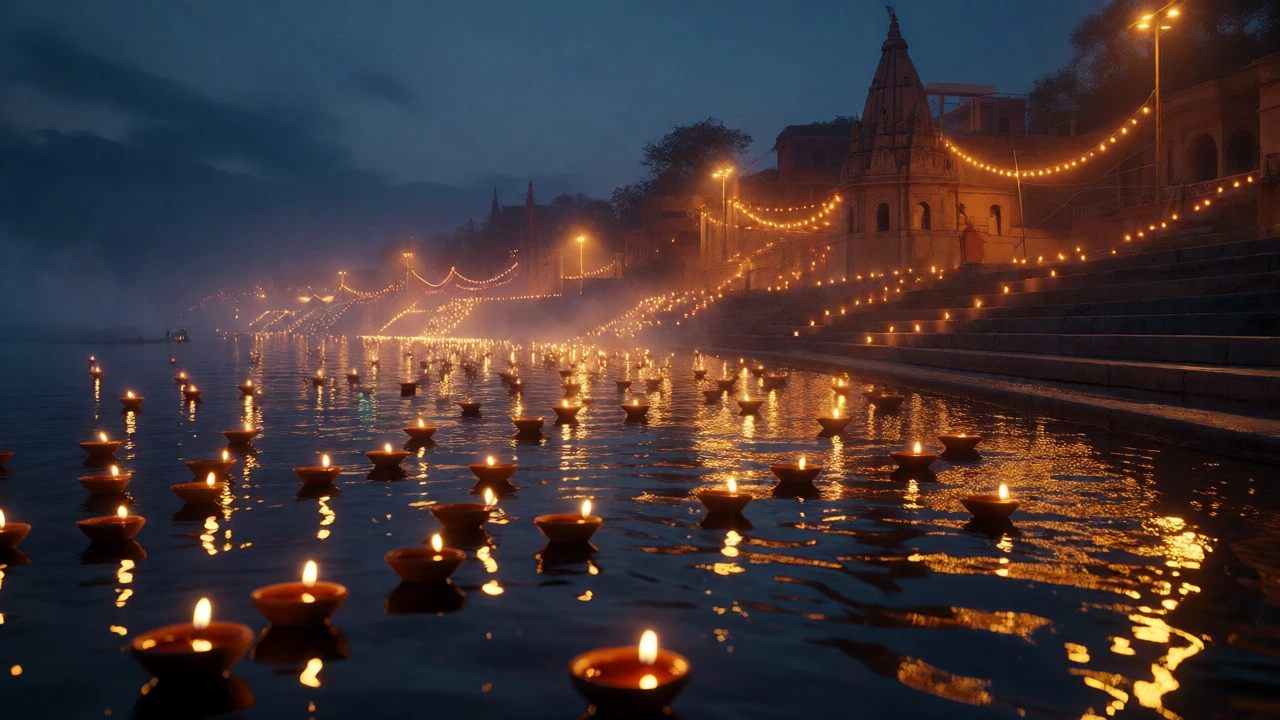
Diwali isn’t celebrated by a single religion, which is why it holds such a unique position in India’s social fabric. While primarily associated with Hinduism, marking the return of Lord Rama to Ayodhya after fourteen years of exile, it also marks significant events for Jains, Sikhs, and some Buddhists. This multi-layered meaning means that when Diwali arrives, almost everyone participates. The central theme is universal: light triumphing over darkness, good over evil, and knowledge over ignorance. You don’t need to be religious to feel the energy. Walking through Varanasi on Diwali night, with thousands of floating diyas illuminating the Ganges, is a visceral experience that transcends faith.
The timing shifts each year because it follows the lunar calendar, usually falling between mid-October and mid-November. In 2026, expect the main festivities around late October. This variability matters for travelers. Booking flights two months out is risky; booking six months out is smart. The demand spikes not just for tourists but for millions of Indians returning home. Trains sell out instantly. Flights double in price. If you miss the window, you’re stuck watching the celebrations via Instagram stories rather than experiencing them firsthand.
The Five Days of Celebration Explained
Most outsiders think Diwali is a one-night event. That’s like saying Christmas is only December 25th. The festival spans five days, each with its own ritual and purpose. Knowing this structure helps you plan your itinerary so you aren’t caught off guard by closed shops or massive crowds.
| Day | Name | Key Activity | Traveler Tip |
|---|---|---|---|
| Day 1 | Dhanteras | Purchasing gold, silver, or new utensils. | Jewelry markets in Jaipur and Mumbai are packed. Expect traffic jams. |
| Day 2 | Naraka Chaturdashi (Choti Diwali) | Cleaning homes, applying herbal oils, early morning baths. | Smaller fireworks begin. Good time for spa visits. |
| Day 3 | Lakshmi Puja (Main Diwali) | Worship of Goddess Lakshmi, lighting diyas, exchanging sweets. | The peak day. Temples close for private pujas. Streets become pedestrian zones.Air quality drops sharply due to firecrackers. Bring masks. |
| Day 4 | Govardhan Puja / Padwa | Worship of cows and Govardhan hill; celebrating marital bonds. | Families stay home. Restaurants may have special menus but limited seating. |
| Day 5 | Bhai Dooj | Siblings celebrate their bond; sisters pray for brothers' longevity. | Quiet day. Great for visiting rural villages where traditions remain intact. |
For a traveler interested in temple tours India, Day 3 is both the most rewarding and the most challenging. Major temples like the Golden Temple in Amritsar or the Meenakshi Temple in Madurai undergo elaborate decorations. However, security tightens significantly. Bags are often prohibited, and entry queues can stretch for hours. If you want a quieter spiritual experience, aim for smaller shrines in towns like Pushkar or Rishikesh, where the community vibe is stronger than the tourist spectacle.
Regional Variations: One Festival, Many Faces
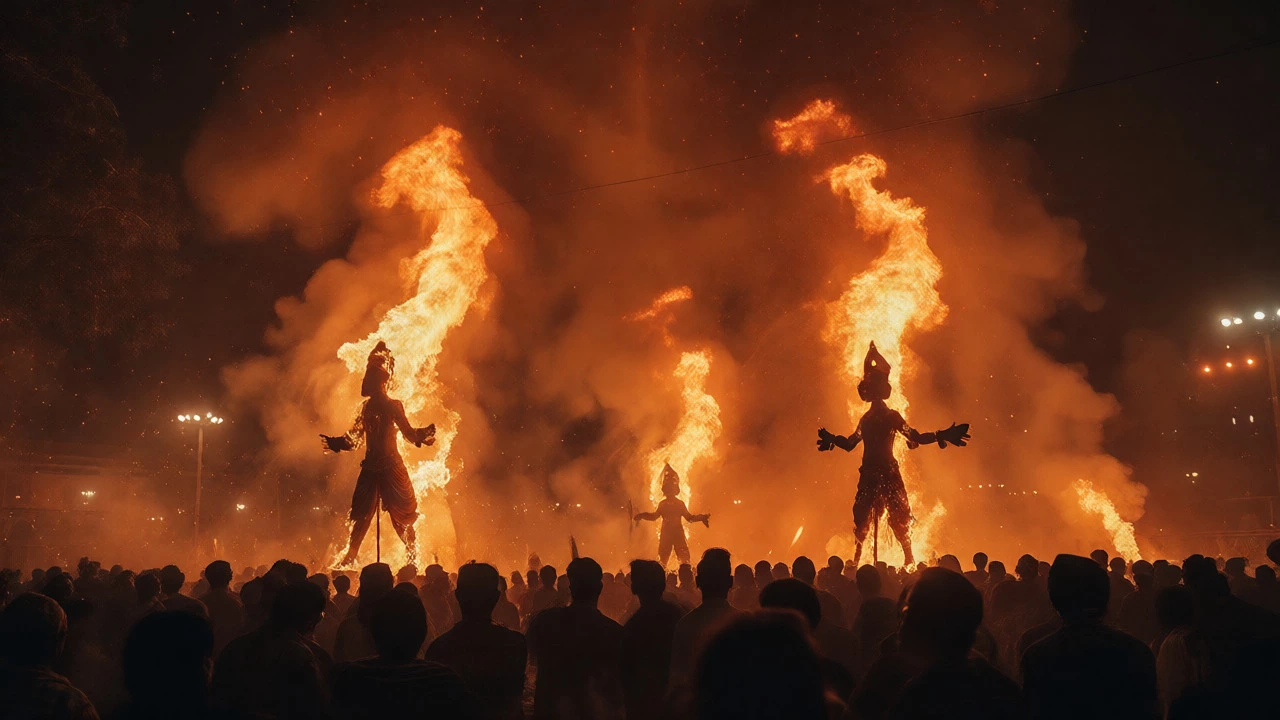
India is vast, and Diwali looks different depending on where you stand. Assuming it’s all the same is a rookie mistake that leads to disappointment. In North India, particularly Delhi and Uttar Pradesh, the focus is heavily on Ram Leela performances-open-air theatrical reenactments of the Ramayana. You’ll see effigies of Ravana burned in large public squares. The noise level is high, and the air is thick with smoke.
Move south to Tamil Nadu, and the narrative shifts. Here, Diwali commemorates Lord Krishna’s victory over the demon Narakasura. People wake up before sunrise for an oil bath, a tradition believed to wash away sins. The streets are quieter, and the emphasis is more on family rituals than public fireworks. In West Bengal, the festival aligns with Kali Puja. Worshippers honor Goddess Kali, the destroyer of evil, with intense devotion. The visual aesthetic is darker, more dramatic, with clay idols immersed in rivers afterward.
Then there’s Gujarat, where Diwali marks the start of the new financial year. Business owners perform a puja for their account books. The atmosphere is celebratory but commercially driven. If you’re in Ahmedabad, you’ll notice shops staying open late, offering discounts on everything from textiles to electronics. Understanding these regional nuances allows you to choose a destination that matches your travel style. Do you want the chaotic energy of Delhi or the serene devotion of Kerala?
The Sensory Overload: What to Expect on the Ground
Let’s be honest about the downsides. Diwali is loud. It is smoky. It is crowded. During the main night, air quality index (AQI) levels in major metros like Delhi and Mumbai can hit hazardous levels. Firecrackers go off continuously for hours, sometimes starting days in advance. If you have respiratory issues, consider staying in hill stations like Shimla or Ooty, where the impact is less severe, though still noticeable.
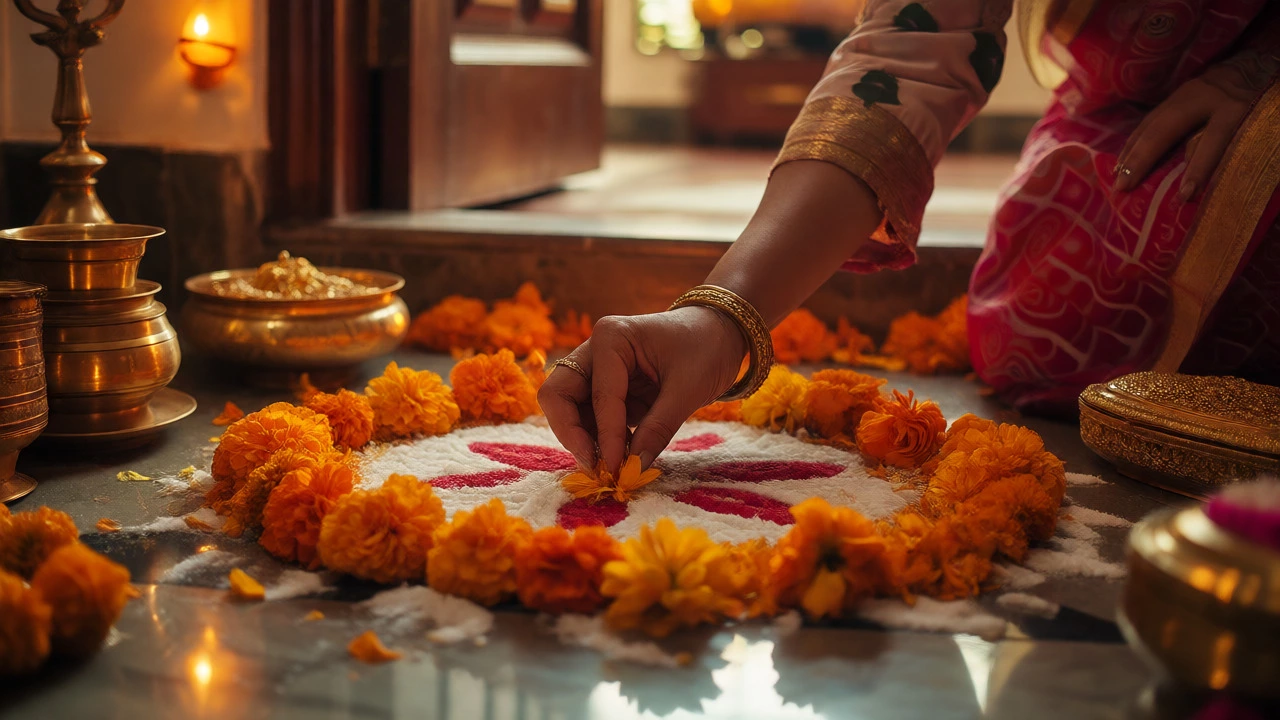
But the sensory rewards are unmatched. The smell of marigold flowers mixed with incense sticks fills the air. Homes are adorned with rangoli-intricate patterns made from colored powders, rice, or flower petals at doorsteps. These art pieces change daily, showcasing local creativity. Food plays a huge role too. Sweets like ladoo, jalebi, and barfi are exchanged freely. You will likely be invited into homes for tea and snacks. Saying yes is the best way to connect with locals. Refusing might seem polite, but accepting builds immediate rapport.
Transportation becomes a nightmare. Auto-rickshaws refuse to go certain distances. Uber surge pricing hits 3x or 4x normal rates. Plan your movements carefully. Walk whenever possible. In cities like Udaipur or Jaipur, the old city areas are walkable and beautifully lit, avoiding the worst of the vehicular congestion.
How to Experience Diwali Authentically
Staying in a luxury hotel chain gives you comfort but isolates you from the culture. To truly understand why Diwali is beloved, you need proximity to the action. Look for homestays or boutique hotels run by local families. Many offer Diwali specials that include participation in the evening puja and homemade dinner. This access is invaluable.
- Visit a Ghat at Sunset: Places like Dashashwamedh Ghat in Varanasi or Assi Ghat in Rishikesh offer stunning views of lamp-lighting ceremonies along the river.
- Attend a Community Event: Check local listings for cultural programs. Often, neighborhood associations host free concerts or dance performances.
- Buy Local Artisan Goods: Instead of mass-produced decor, buy handmade clay diyas from local potters. It supports the economy and ensures authenticity.
- Respect Religious Boundaries: Dress modestly when entering temples. Remove shoes before stepping onto sacred ground. Ask permission before photographing priests or worshippers.
If you are specifically looking for temple tours India experiences, prioritize destinations with historical significance tied to the festival. Ayodhya, the legendary birthplace of Rama, sees massive pilgrim numbers. Mathura and Vrindavan, associated with Krishna, are equally vibrant. For a different angle, visit the Jain temples in Rajasthan, which observe strict non-violence principles during this period, offering a calm counterpoint to the Hindu celebrations.
Practical Tips for Travelers During Diwali
Booking logistics are critical. Accommodation prices skyrocket. Book at least three months in advance. Confirm cancellations policies clearly; many places enforce strict no-refund rules during peak season. Carry small denomination cash. Digital payments work, but vendors selling street food or small trinkets often prefer cash, especially during power cuts that occasionally happen due to grid overload.
Health precautions are necessary. Pack N95 masks if you’re sensitive to pollution. Stay hydrated. The weather is transitioning from monsoon humidity to winter dryness, which can dehydrate you quickly. Also, keep valuables secure. Crowds provide cover for pickpockets. A money belt under clothes is safer than a backpack on your back.
Finally, manage your expectations regarding service speed. Staff is busy serving families. Meals might take longer to arrive. Shops might close unexpectedly for prayers. Patience is your best companion. Embrace the delay. Use the extra time to chat with fellow travelers or observe the intricate details of the decorations. The slowness is part of the charm.
Is Diwali a public holiday across all of India?
Yes, Diwali is a national public holiday in India. Banks, government offices, and most schools are closed for at least one or two days. However, private businesses may vary, with retail stores often remaining open to capitalize on shopping demand.
Can tourists participate in Diwali rituals?
Absolutely. Indians are generally very welcoming to visitors who show interest in their culture. You can join community pujas, help light diyas, or share sweets. Just ensure you follow basic etiquette, such as dressing appropriately and respecting religious spaces.
Which city has the best Diwali celebration?
There is no single "best" city as it depends on preference. Varanasi offers a spiritual and scenic experience with riverfront lamps. Jaipur provides royal grandeur with illuminated forts. Kolkata showcases the fierce beauty of Kali Puja. For a balanced mix of tradition and accessibility, Udaipur is often recommended for its lake-side ambiance.
Is it safe to travel during Diwali?
Generally, yes. Crime rates do not spike significantly. However, traffic accidents increase due to reckless driving and poor visibility from smoke. Pedestrian safety requires caution. Stick to well-lit areas and avoid isolated spots late at night.
Do I need to book temple tours in advance?
For major temples, yes. Special Darshan tickets often sell out online weeks ahead. Smaller temples may allow spontaneous entry, but lines can be long. Always check the specific temple’s website for updated guidelines on visitor limits and photography rules during festive periods.