What Is the Best Extreme Sport in India?
 Jan, 20 2026
Extreme Sport Selector
Find Your Perfect Adventure
Answer these questions to discover which extreme sport suits you best
What excites you most?
How much time do you have?
Fitness level
Your Perfect Adventure
Why this match?
There’s no single answer to what is the best extreme sport-because the best one depends on where you are, what scares you, and what makes your heart beat louder than your thoughts. In India, the mountains, rivers, and deserts don’t just look dramatic-they demand action. And for those who want to feel alive, the options are wild, raw, and unforgettable.
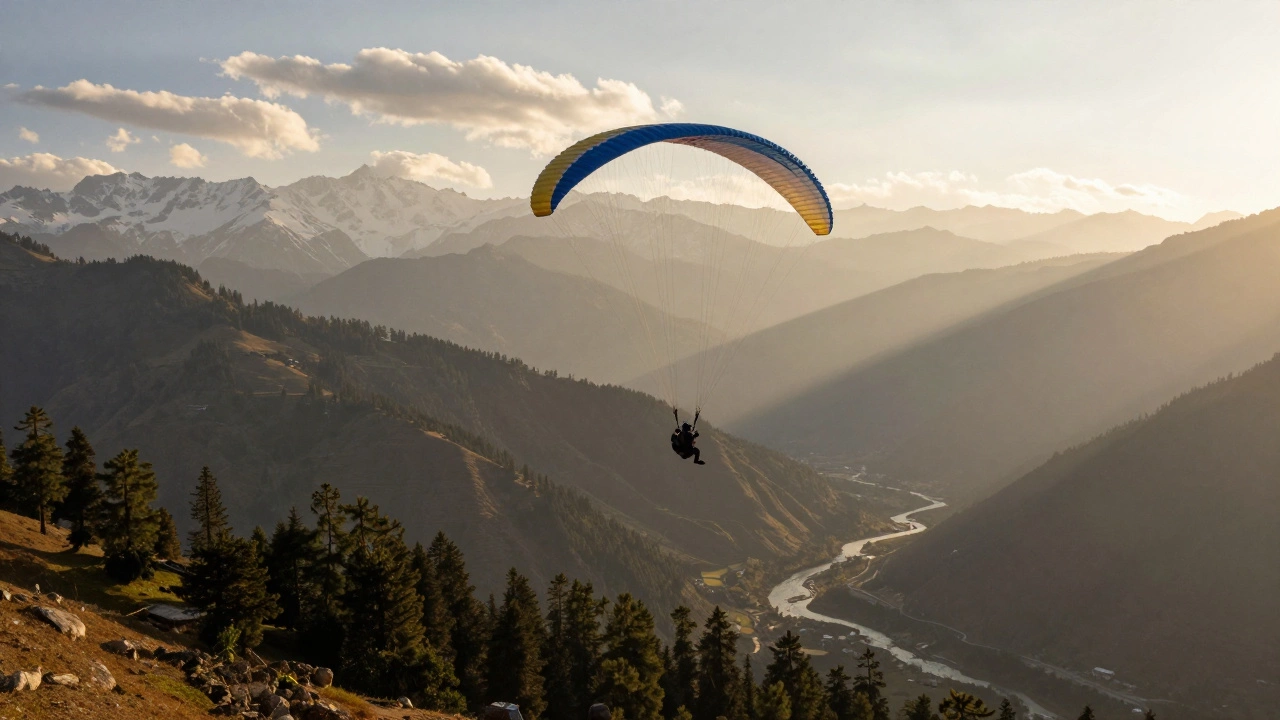
Paragliding in Bir Billing: Soar Over the Himalayas
If you’ve ever watched birds glide over the Dhauladhar Range and thought, I want to do that, Bir Billing is your launchpad. It’s not just a spot-it’s the paragliding capital of Asia. Tandem flights start at 1,500 meters above sea level, and you’ll drift for 15 to 30 minutes over pine forests, rivers, and tiny villages. The air is crisp, the thermals are strong, and the landing fields are wide open. Over 50,000 people fly here every year. That’s not luck-it’s physics, training, and perfect geography working together.
Unlike other paragliding spots, Bir Billing offers consistent wind patterns from October to June. The takeoff point at Billing is one of the highest in the world for commercial tandem flights. You don’t need to be an athlete-just someone willing to trust the harness. The instructors here are certified by the Paragliding Association of India, and many have flown with military units. Safety isn’t an afterthought here; it’s built into every launch.
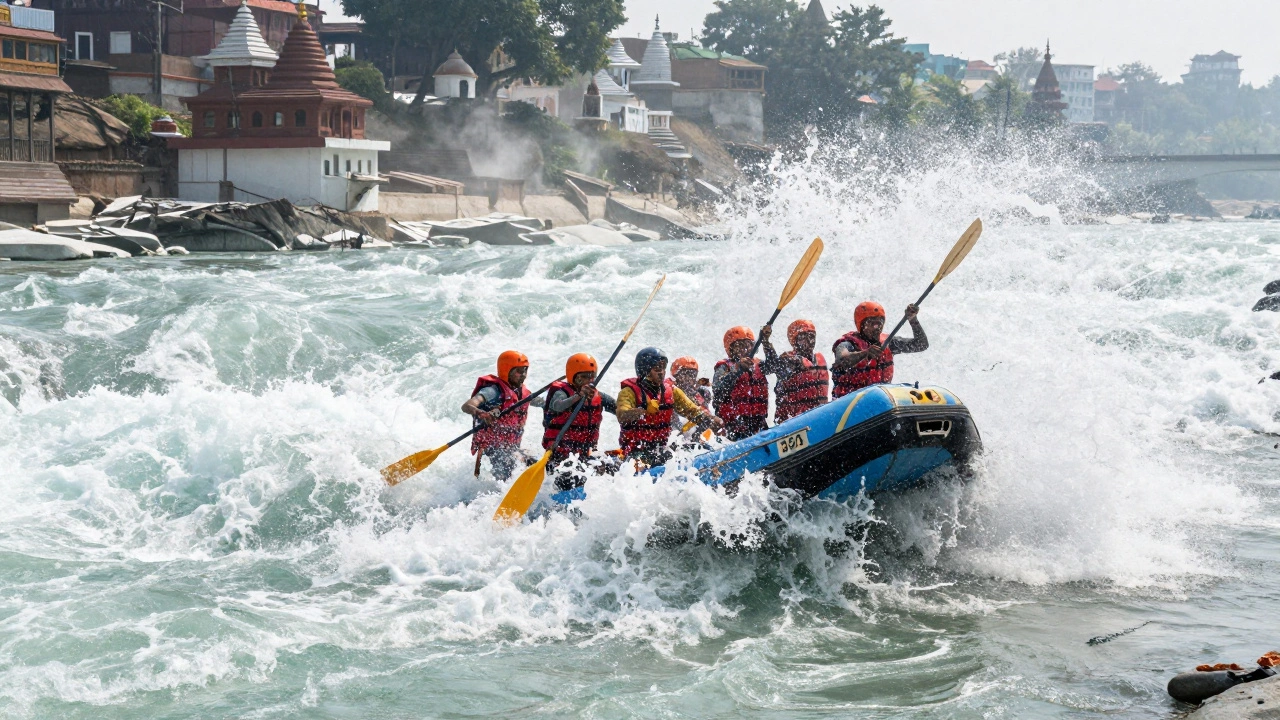
White Water Rafting in Rishikesh: Conquer the Ganges
Imagine being in a rubber boat, surrounded by icy water, as the Ganges-sacred and furious-throws you into Class III and IV rapids. That’s Rishikesh. The stretch from Brahmpuri to Kaudiyala is where most rafting trips happen. The river drops 100 meters over 25 kilometers, creating a natural rollercoaster. You’ll hit waves like The Wall, The Roller Coaster, and The Golf Course-names that sound playful until you’re sideways in a 3-meter swell.
Most trips last 2 to 4 hours. You’ll paddle with a crew of four to six, guided by someone who’s navigated this river for over a decade. The water temperature hovers around 12°C in winter, so wetsuits are mandatory. Companies like Ganga Aaharan and Rishikesh River Adventures use certified gear and have rescue boats on standby. Over 200,000 rafters come here annually. It’s not just adrenaline-it’s a cultural experience. You’re floating down a river worshipped by millions.
Bungee Jumping in Lonavala: Leap Into the Unknown
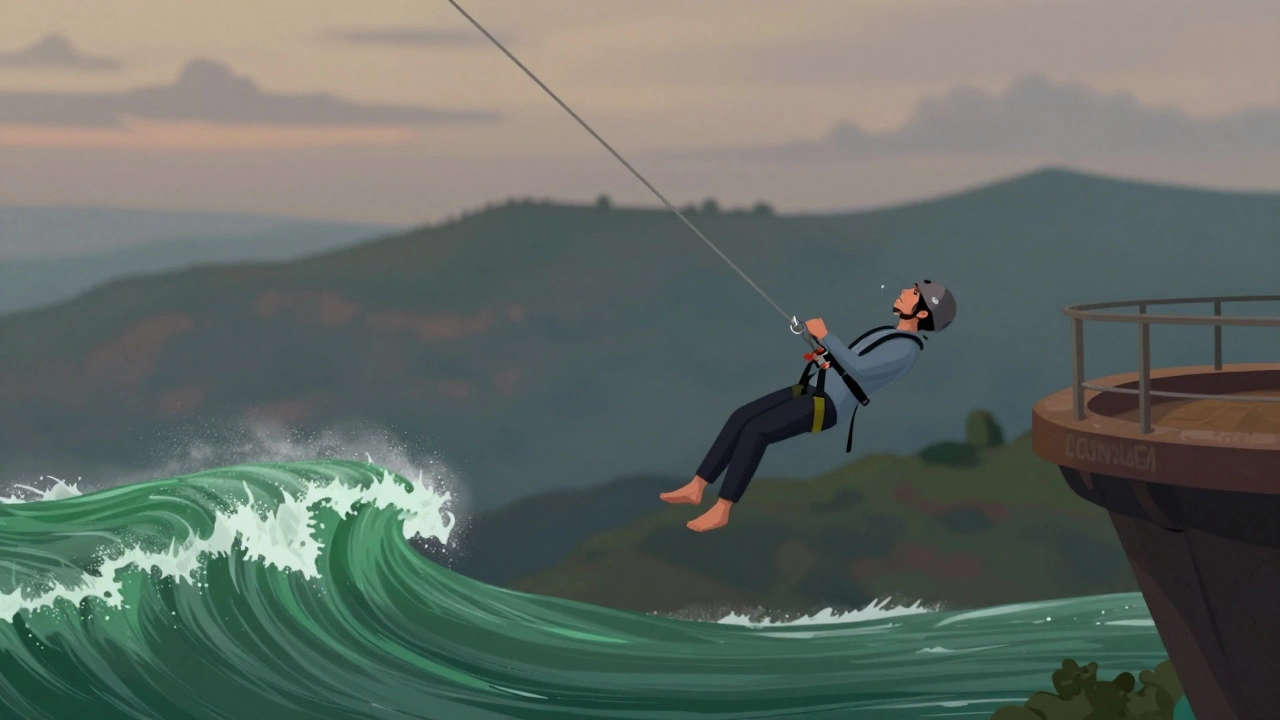
At 83 meters high, the bungee jump at Lonavala is India’s tallest. It’s not on a cliff-it’s on a steel platform built over a valley. You’re strapped in, asked if you’re ready, and then… you’re gone. The freefall lasts 3.5 seconds. Then the cord snaps taut, and you bounce-up, down, sideways-until the energy fades. The view? The Western Ghats stretching out like green waves. The sound? Silence, then your own scream echoing.
This isn’t a carnival ride. The equipment is imported from New Zealand, and every jump is checked by a team of three technicians. The operator, Jumpin’ Heights, has been running since 2010 and has logged over 150,000 jumps. No one under 18 is allowed. Weight limits are strictly enforced: 40 to 110 kg. If you’ve never jumped before, you’ll feel your stomach drop before your body does. That’s normal. Everyone who’s done it says the same thing: It’s not about courage. It’s about letting go.
Rock Climbing in Hampi: Scale Ancient Ruins
Hampi isn’t just a UNESCO World Heritage site. It’s a natural climbing gym. Thousands of granite boulders, shaped by 3 billion years of erosion, rise from the dusty plains. Routes range from beginner-friendly slabs to overhanging roofs that demand finger strength and nerve. The rock is hard, grippy, and dry-perfect for trad and bouldering.
Most climbers start at the Matanga Hill area, where routes like Big Bang and Evil Eye are legendary. Local guides like Suresh from Hampi Climbing School have mapped over 300 routes. They’ll teach you how to tie figure-eight knots, place cams, and read cracks in the stone. No ropes? No problem. The bouldering here is world-class. The hardest problems are graded V8-rare in India. But even if you’re a beginner, you’ll find a 3-meter climb that feels like scaling a temple tower.
What makes Hampi different? You’re not just climbing. You’re climbing beside ruins of a 14th-century empire. Monkeys watch from above. Temple bells ring in the distance. It’s adventure with soul.
Mountain Biking in Ladakh: Ride the Roof of the World
Ladakh isn’t just high-it’s extreme. At 3,500 to 5,000 meters above sea level, the air is thin, the sun is brutal, and the roads are gravel, dust, and ice. Mountain biking here isn’t about speed. It’s about survival. The Leh to Manali route is 470 kilometers of pure endurance. You’ll cross five mountain passes, including Khardung La (5,359m), the highest motorable road on Earth.
Most riders take 5 to 7 days. You carry your own gear. Hydration is critical-dehydration hits fast at altitude. The bikes are heavy-duty, with wide tires and low gears. You’ll climb for hours, then descend into valleys where the wind screams like a banshee. The reward? Empty roads, monasteries clinging to cliffs, and lakes so blue they look painted.
Local operators like Ladakh Bike Tours provide support vehicles, oxygen tanks, and acclimatization schedules. You don’t need to be a pro cyclist. But you do need grit. Over 5,000 riders attempt this route each year. Fewer than half finish without help. That’s not a failure-it’s a badge.
Why These Five? The Real Answer
There’s no #1 extreme sport in India. But these five stand out because they combine danger, beauty, and accessibility. Paragliding gives you flight. Rafting gives you chaos. Bungee gives you surrender. Climbing gives you control. Biking gives you endurance.
Each one requires preparation. Each one has risks. But each one also has a community-guides, instructors, local businesses-that keeps you safe. You’re not just doing a sport. You’re joining a culture of people who choose intensity over comfort.
And that’s the real reason people keep coming back. Not because it’s easy. But because it makes them feel alive.
What You Need Before You Try
- Health check: No heart conditions, epilepsy, or recent surgeries. Most operators require a basic medical form.
- Training: Never skip a briefing. Even experienced athletes get caught off guard by local conditions.
- Gear: Use only certified equipment. Helmets, harnesses, and wetsuits should be recent and undamaged.
- Season: Most sports run from October to May. Monsoon (June-September) shuts down most activities.
- Insurance: Get adventure travel insurance that covers high-altitude and water sports. Standard policies often exclude them.
Common Mistakes to Avoid
- Trying to do too much in one trip. Don’t do bungee jumping and rafting on the same day. Your body needs recovery.
- Choosing the cheapest operator. Safety isn’t negotiable. Look for certified guides and visible safety records.
- Ignoring altitude. In Ladakh or Bir, symptoms like headaches or nausea aren’t just fatigue-they’re signs of AMS. Descend if you feel it.
- Not hydrating. At altitude, you lose fluids faster. Drink at least 4 liters a day.
- Wearing cotton. It holds moisture. Wear synthetic or wool. Your body will thank you.
Is paragliding in Bir Billing safe for beginners?
Yes. Tandem flights with certified instructors are designed for first-timers. You don’t need experience-just a willingness to trust the gear and the guide. Over 95% of first-time flyers complete the flight without issues. Safety records are among the best in Asia.
Can I do white water rafting in Rishikesh during winter?
Absolutely. Winter (November-February) is actually the best time. The water is colder, but the rapids are stronger and clearer. Operators provide thermal wetsuits, and the weather is dry and sunny. Crowds are smaller, too.
Do I need to be fit to try bungee jumping in Lonavala?
You don’t need to be an athlete, but you should be in reasonable health. The jump requires no physical strength-just the ability to stand still and jump. Weight limits apply (40-110 kg), and anyone with back, neck, or heart issues is turned away. If you can climb stairs without dizziness, you’re likely fine.
Is mountain biking in Ladakh suitable for casual riders?
It’s not for casual riders. The altitude, terrain, and distance make it a serious endurance challenge. Beginners should start with shorter loops around Leh (20-30 km) before attempting the Leh-Manali route. Guided tours with support vehicles are essential for first-timers.
Are there any extreme sports in India that don’t require a lot of training?
Yes. Paragliding (tandem) and bungee jumping require almost no training-you just need to follow instructions. Rock climbing in Hampi offers beginner-friendly boulders with guides. Even rafting in Rishikesh is manageable for first-timers with a good guide. The key is choosing the right operator and sticking to beginner routes.
What Comes Next?
If you’ve tried one of these and felt that rush-you’ll want more. Next year, consider zip-lining in Coorg, sandboarding in the Thar Desert, or scuba diving in the Andamans. India’s terrain is too varied to be limited to five sports. But these five? They’re the ones that turn ordinary people into adventurers.