What is the Longest Scenic Train Ride in the US? The Empire Builder Guide
 May, 27 2026
Empire Builder Journey Planner
Chicago to The Plains
Depart Chicago Union Station. Watch urban sprawl give way to farmland through Wisconsin and Minnesota.
Best View: Right SideActivity: Settle into your seat, enjoy café car
The Rockies Begin
Enter Montana as terrain changes drastically. Climb toward Continental Divide with views of Glacier National Park.
Peak SceneryActivity: Photography, Wildlife spotting
Idaho & Columbia River
Traverse Selkirk Tunnel and follow the mighty Columbia River. Reach Spokane split point in evening.
Route SplitActivity: Best light for photography
Pacific Northwest Arrival
Final stretch through Cascade Range. Seattle riders see Olympic Mountains; Portland riders enjoy vineyards.
ArrivalActivity: Arrive refreshed, explore destination
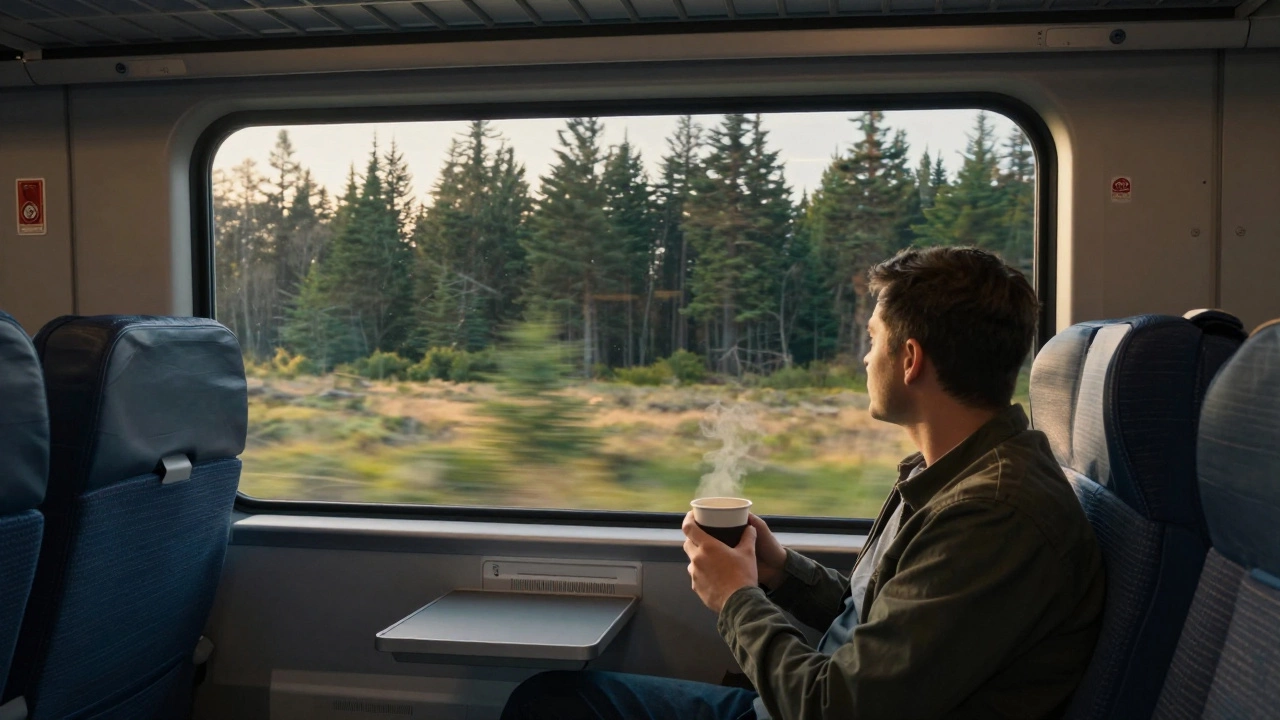
Imagine sitting by a window as the landscape shifts from dense pine forests to wide-open prairies, all while sipping coffee and watching the miles tick by without lifting a finger. If you are looking for the ultimate slow-travel experience in America, you have likely heard whispers about the longest scenic train route. But which one actually holds the title? The answer might surprise you if you assume it is the famous California Zephyr or the Southwest Chief.
The crown goes to the Empire Builder. Operated by Amtrak, this legendary route stretches an impressive 2,206 miles (3,550 kilometers) between Chicago, Illinois, and the Pacific Northwest-splitting into two branches that end in Seattle, Washington, and Portland, Oregon. It is not just the longest; it is widely considered one of the most visually diverse journeys on the continent. From the flatlands of the Midwest to the jagged peaks of the Rocky Mountains and the lush rainforests of the Cascades, the Empire Builder offers a masterclass in American geography.
Why the Empire Builder Takes the Title
When we talk about "longest," we usually mean distance covered on a single continuous service. While some trains like the California Zephyr (1,913 miles) or the Southwest Chief (2,268 miles but with significant desert stretches that are less "scenic" in the traditional sense) compete for attention, the Empire Builder wins on the combination of length and consistent visual drama.
The route was originally built by the Great Northern Railway in the early 20th century, designed specifically to haul timber, grain, and passengers through rugged terrain. Today, it serves as a lifeline for travelers who want to see the country rather than just cross it. The journey typically takes about 46 hours non-stop, giving you plenty of time to decompress. You aren't rushing to a meeting; you are embarking on an expedition.
One key detail often missed: the train splits at Spokane, Washington. One set of cars continues north to Seattle, while the other heads south to Portland. This means your total mileage depends slightly on your destination, but both legs offer stunning views. The Seattle leg adds the dramatic approach to Puget Sound, while the Portland leg winds through the Willamette Valley. For pure length and variety, the Chicago-to-Seattle run is the gold standard.
The Journey Breakdown: What You Will See
To truly appreciate why this is the top pick, let's break down the trip day by day. Understanding the rhythm of the trip helps you plan when to sleep and when to stay awake for the best photos.
Day 1: Chicago to the Plains
The train leaves Chicago Union Station, usually in the late afternoon. As you pull away, the urban sprawl gives way to farmland. You'll pass through Wisconsin and Minnesota, where the scenery is green and pastoral. By nightfall, you're crossing into North Dakota. This part of the trip is quieter, perfect for settling into your seat or sleeper car. Don't expect mountains yet; this is the calm before the storm.
Day 2: The Rockies Begin
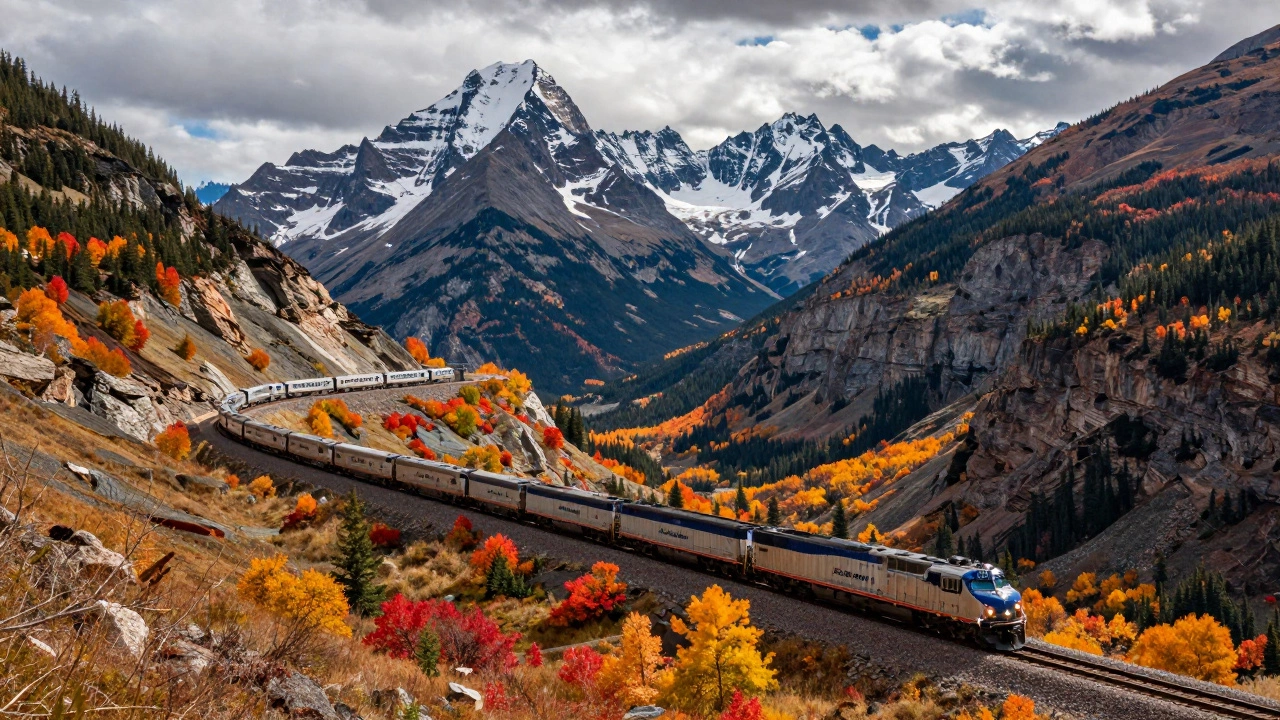
This is where the magic starts. As you enter Montana, the terrain changes drastically. The train climbs toward the Continental Divide. Keep your eyes peeled for Glacier National Park. Depending on the season, you might see snow-capped peaks, wildflowers, or even wildlife like elk and bears grazing near the tracks. The engineering here is fascinating-the track winds tightly around hillsides, offering panoramic views that feel almost cinematic.
Day 3: Idaho and the Columbia River
After crossing the divide, the train descends into Idaho. You'll traverse the Selkirk Tunnel, one of the longest tunnels in North America, emerging into the clear air of the northern Rockies. Later, you'll follow the mighty Columbia River. The waterfalls and gorges here are breathtaking. As evening approaches, you'll reach Spokane, the split point. Whether you head to Seattle or Portland, the next few hours offer some of the best light for photography.
Day 4: Arrival in the Pacific Northwest
If you're heading to Seattle, the final stretch takes you through the Cascade Range and into the Puget Sound region. The sky often clears up here, revealing the Olympic Mountains across the water. For Portland riders, the view shifts to vineyards and rolling hills. Either way, you arrive refreshed, having seen more of America than most people do in a year of driving.
How to Book Your Seat: Tips for Success
Booking a ticket on the Empire Builder isn't like buying a plane ticket. Prices fluctuate based on demand, season, and how far in advance you book. Here is what you need to know to get the best deal and experience.
- Book Early: Amtrak releases schedules months in advance. For peak seasons (summer and fall foliage), book at least 3-6 months ahead. Seats fill up quickly, especially the window seats on the right side (when traveling west).
- Choose the Right Side: When traveling from Chicago to Seattle, sit on the right side of the train for the best views of the Rockies and Glacier National Park. Return trips should favor the left side.
- Consider Sleepers: If budget allows, upgrade to a Roomette or Bedroom. These private compartments include complimentary meals in the dining car, lounge access, and a dedicated attendant. It transforms the trip from a commute into a luxury hotel experience on wheels.
- Check Seasonal Variations: Summer offers long days and green landscapes. Fall brings vibrant colors to the forests. Winter can be snowy and dramatic, but also prone to delays due to weather. Spring is muddy but beautiful with blooming wildflowers.
| Train Name | Route | Distance (Miles) | Duration | Best For |
|---|---|---|---|---|
| Empire Builder | Chicago to Seattle/Portland | 2,206 | ~46 hours | Diverse landscapes, Rockies, Rainforests |
| California Zephyr | Chicago to Emeryville, CA | 1,913 | ~51 hours | Rocky Mountains, Sierra Nevada, Canyons |
| Southwest Chief | Chicago to Los Angeles | 2,268 | ~52 hours | Desert scenery, Grand Canyon, Cities |
| Auto Train | Lorton, VA to Sanford, FL | 1,175 | ~13 hours | Driving your car to Florida (Not scenic) |
Empire Builder vs. California Zephyr: Which Should You Choose?
This is the most common debate among rail enthusiasts. Both are iconic, both are long, and both are spectacular. So, how do you decide?
Choose the Empire Builder if you want variety. You get plains, mountains, rivers, and rainforests all in one trip. It feels like three different vacations rolled into one. The pace is steady, and the crowds are generally thinner than on the Zephyr, making it easier to find empty seats in the café car.
Choose the California Zephyr if you are obsessed with mountain grandeur. The Zephyr passes through the heart of the Rockies and then cuts through the Sierra Nevada via the Feather River Canyon, which is arguably the most dramatic railway canyon in the world. However, it skips the coastal vibes and ends in the Bay Area, not directly in San Francisco or LA.
For sheer length combined with consistent scenic beauty, the Empire Builder edges out the competition. The Zephyr is longer in duration because it moves slower over steep grades, but the Empire Builder covers more ground with fewer stops.
Packing for a Multi-Day Rail Adventure
Traveling by train requires a different mindset than flying. You have limited storage space, so pack smart. Here is a quick checklist to ensure comfort:
- Layers: Temperatures can vary wildly. It might be hot in the Midwest plains and freezing in the Rocky Mountain passes. Pack a jacket, even in summer.
- Power Bank: Outlets are available, but they can be shared or broken. A fully charged power bank ensures your camera and phone stay alive for photos.
- Comfortable Shoes: You will walk. Between getting off at layover stations (if any), exploring towns along the route, and moving around the train, comfortable sneakers are essential.
- Entertainment: While the view is great, sometimes it rains or gets dark. Download books, movies, or podcasts beforehand. Wi-Fi on Amtrak is notoriously spotty or nonexistent in remote areas.
- Snacks: Dining cars serve excellent food, but if you want something quick between meals, bring your own snacks. The café car has options, but they can be pricey.
Is It Worth the Cost?
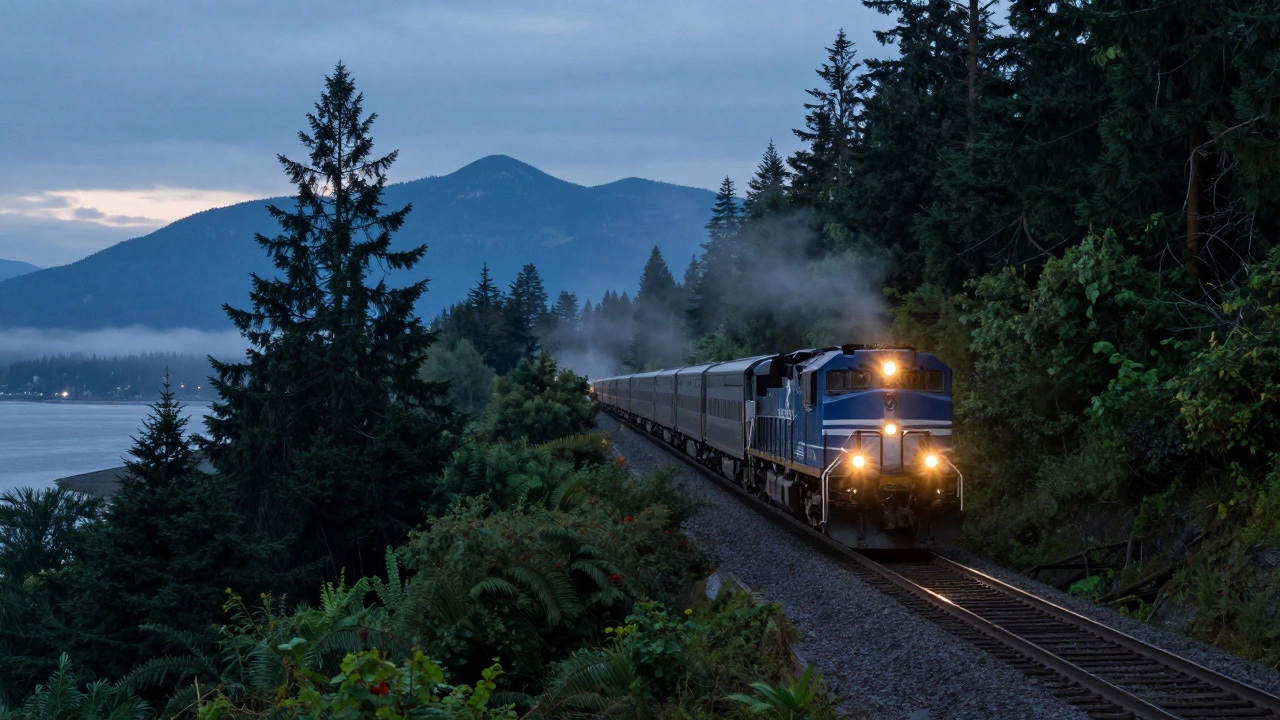
A coach seat on the Empire Builder can range from $200 to $500 depending on the season and booking time. Sleeper cabins can cost upwards of $1,500 per person. That sounds expensive until you factor in what you are paying for. You are paying for time, space, and experience. There is no security line, no cramped seat, and no pressure to rush. You can watch a sunset over the Mississippi River without worrying about missing a connection. For many travelers, the value lies in the memories created, not just the destination reached.
If budget is tight, stick to coach seats. They are spacious enough to stretch out, and you still get the same windows. Just remember to book early to lock in lower fares. Amtrak often runs promotions for seniors, military personnel, and students, so check for discounts before purchasing.
Final Thoughts on the Ultimate Rail Journey
The Empire Builder isn't just a train ride; it's a meditation on the scale of America. It reminds us that there is beauty in slowness. In a world obsessed with speed, taking 46 hours to cross the country forces you to pay attention. You notice the small details-the farmer waving from his field, the eagle soaring above the canyon, the reflection of the moon on the river.
Whether you are a seasoned traveler or trying train travel for the first time, the Empire Builder delivers on its promise. It is the longest, the most varied, and arguably the most rewarding scenic journey in the United States. So, grab your coat, charge your camera, and let the rails take you somewhere new.
What is the absolute longest train ride in the US?
The Southwest Chief is technically the longest in terms of raw distance at 2,268 miles, running from Chicago to Los Angeles. However, the Empire Builder is often cited as the longest *scenic* ride because it maintains high visual interest throughout its 2,206-mile journey, whereas the Southwest Chief has large stretches of desert that some find less engaging. Both are excellent choices for long-distance travel.
Which side of the train should I sit on for the best views?
When traveling westbound from Chicago to Seattle, sit on the right side of the train. This positions you on the inside of curves, providing better views of landmarks like Glacier National Park and the Rocky Mountains. On the return eastbound trip, switch to the left side for similar advantages.
Can I bring my car on the Empire Builder?
No, the Empire Builder does not carry automobiles. If you need to transport your vehicle, look into Amtrak's Auto Train, which runs exclusively between Lorton, Virginia, and Sanford, Florida. The Auto Train is functional but not considered a scenic route.
Is Wi-Fi available on the Empire Builder?
Amtrak provides free Wi-Fi on most long-distance trains, including the Empire Builder. However, coverage is inconsistent, especially in remote areas like the Rockies and rural Montana. Do not rely on it for work calls or streaming video. Treat it as a bonus for checking emails when you are near cities.
What is the best time of year to take the Empire Builder?
Summer (June-August) offers warm weather and long daylight hours, perfect for sightseeing. Fall (September-October) is stunning for foliage, particularly in the Pacific Northwest and Montana. Winter can be beautiful with snow-covered landscapes but carries a higher risk of delays due to ice and snow. Spring is mild but can be rainy in the west.
Do I need to book a sleeper cabin?
It depends on your budget and comfort level. Coach seats recline and are quite spacious, making them suitable for short naps. However, for a multi-day journey, a sleeper cabin (Roomette or Bedroom) provides privacy, a proper bed, and included meals. If you prioritize rest and luxury, a sleeper is worth the investment. If you are on a budget, coach is perfectly fine.