What Is the Most Visited Temple in India? Top Pilgrimage Site Revealed
 Dec, 5 2025
Tirupati Temple Wait Time Estimator
Estimated wait time: -
The Tirumala Venkateswara Temple in Tirupati, Andhra Pradesh, is the most visited religious site in the world-not just in India. Every year, over 50 million pilgrims make the journey to this hilltop shrine, with peak days seeing more than 100,000 people in a single day. That’s more visitors than the Eiffel Tower, the Vatican, or even Mecca in some years. If you’ve ever wondered why so many people travel across India just to see one temple, the answer isn’t just faith-it’s history, tradition, and a deeply personal connection that spans centuries.
Why Tirupati Draws Millions Every Year
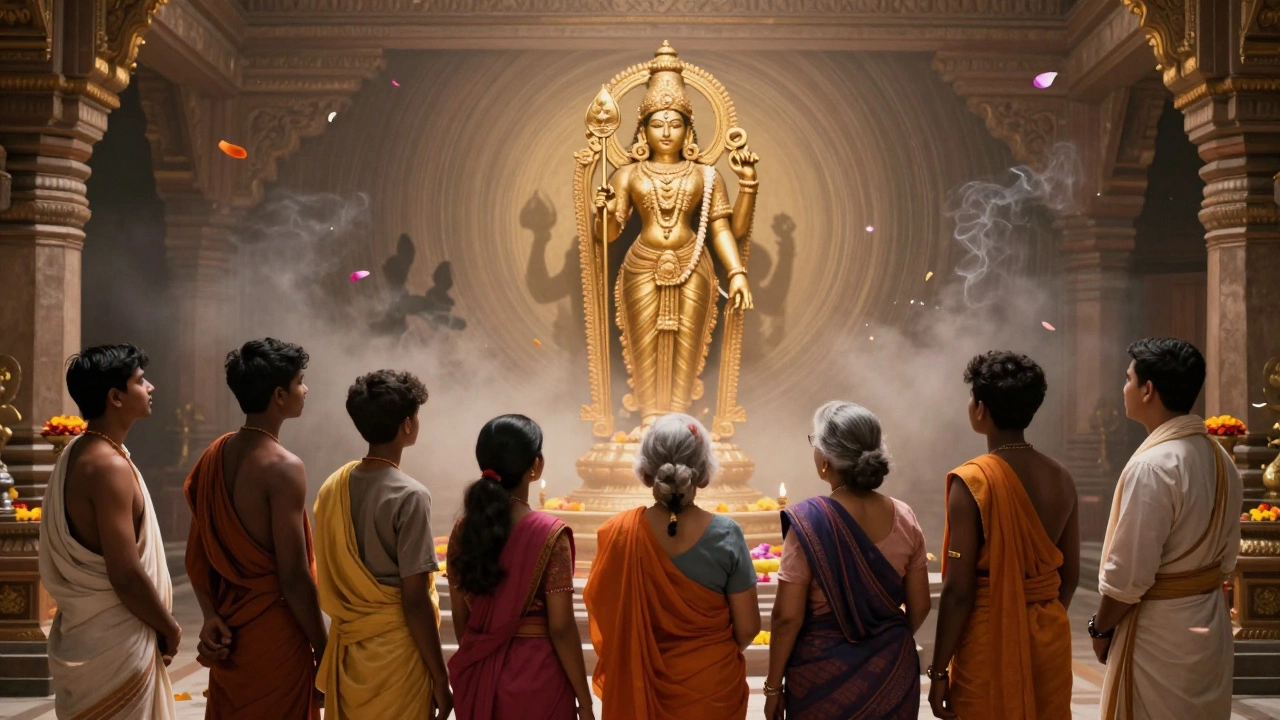
The temple is dedicated to Lord Venkateswara, a form of Vishnu, believed to be the guardian of Kali Yuga-the current age in Hindu cosmology. Devotees come seeking blessings for prosperity, health, and relief from hardship. Many believe that a simple darshan (sight) of the deity can erase past sins and bring peace. This isn’t just a cultural belief; it’s lived reality for families who save for years to make the trip.
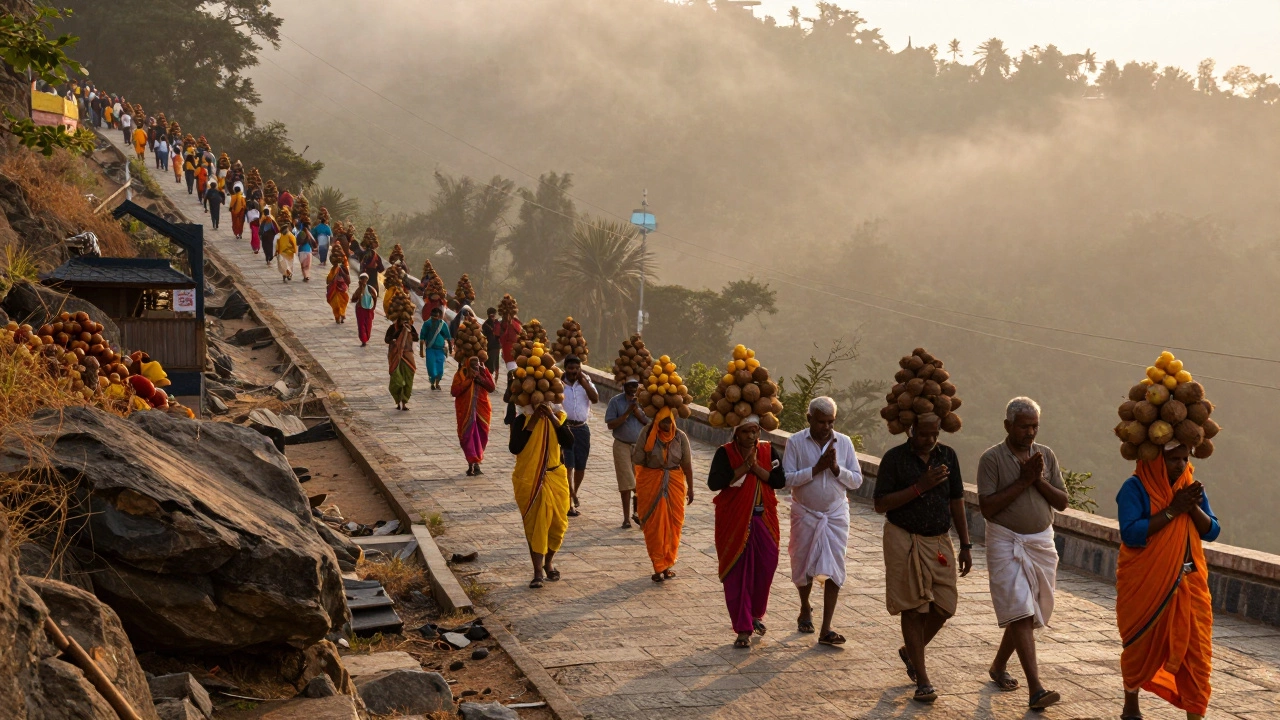
The temple’s location on the Seven Hills of Tirumala adds to its mystique. Pilgrims climb the 3,500 steps of the ghat road, or take the more modern ropeway or vehicle services. The climb itself is seen as part of the spiritual journey. Even today, many elderly devotees walk the entire way, carrying offerings of laddus, coconuts, and cloth.
What sets Tirupati apart from other major temples is its scale of operation. The temple runs one of the largest charitable kitchens in the world, serving over 100,000 free meals daily. It manages millions in donations annually, funds schools, hospitals, and even provides free housing for pilgrims. The temple trust is one of the richest religious institutions globally, with assets exceeding $1 billion.
How the Temple Operates at This Scale
Managing 50 million visitors a year isn’t easy. The temple uses a sophisticated ticketing and queue system called the Suprabhatham system. Pilgrims book slots online or through authorized centers. There are special queues for senior citizens, disabled visitors, and those who’ve made vows. The temple even has a dedicated team that tracks crowd flow using AI cameras and adjusts entry points in real time.
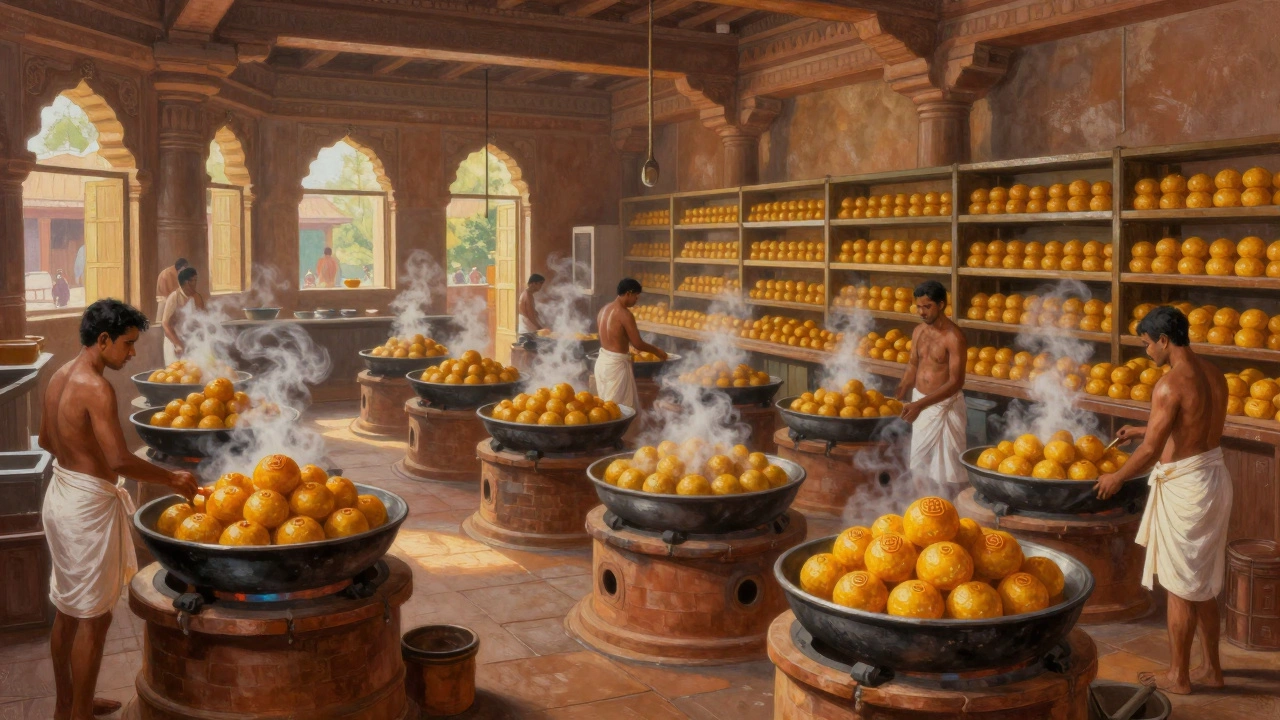
The temple’s signature offering-the Tirupati laddu-isn’t just a sweet. It’s a symbol of divine grace. Made from gram flour, sugar, ghee, and cardamom, these laddus are prepared in a massive kitchen using traditional methods. Each laddu is stamped with the temple’s seal and distributed to pilgrims after offering. You can order them online, and they’re shipped worldwide. Over 10 million laddus are made every month.
Donations come in many forms. Gold, silver, jewelry, cash, and even land are offered. The temple keeps meticulous records. A single day’s collection can reach ₹50 crore (about $6 million USD). These funds are reinvested into public welfare, not luxury. The temple doesn’t have air-conditioned rooms for priests. The focus remains on service, not spectacle.
How It Compares to Other Major Indian Temples
India has thousands of ancient temples, each with deep spiritual significance. But few match Tirupati’s visitor numbers.
The Golden Temple in Amritsar draws about 15 million visitors annually. It’s open 24/7 and offers free langar (community meals) to all, regardless of religion. But it doesn’t see the same daily crush as Tirupati.
The Kashi Vishwanath Temple in Varanasi is one of the twelve Jyotirlingas and holds immense importance for Shaivites. It sees around 10 million visitors a year, mostly during Shivaratri and the month of Shravan.
The Jagannath Temple in Puri attracts 6 million pilgrims yearly, especially during the Ratha Yatra festival. The temple’s chariot procession draws global attention, but its daily footfall is still far below Tirupati’s.
Even the Somnath Temple in Gujarat and the Shirdi Sai Baba Temple in Maharashtra-both massive in their own right-see 4-5 million visitors annually. Tirupati outpaces them all.
What Makes Tirupati Unique Among Hindu Temples
Unlike many temples that are tied to specific rituals or sects, Tirupati welcomes everyone. You don’t need to be a devout Hindu to enter. Tourists, foreign visitors, and people of all faiths are welcome as long as they follow the dress code and rules. The temple has no caste restrictions. Women, children, and even non-Hindus have been known to make the pilgrimage.
The temple’s history stretches back over 1,200 years. Records from the Pallava, Chola, and Vijayanagara dynasties mention offerings made to the deity. The current structure was expanded under the Vijayanagara Empire in the 15th century. Many of the temple’s rituals have remained unchanged since then.
One unique ritual is the Tirumala Kalyanotsavam, where the deity is symbolically married to Padmavati, a local goddess. This event draws hundreds of thousands and is broadcast live across India. The temple also holds a daily ritual called Tirupati Balaji Darshan, where the deity is adorned in different outfits-gold, silver, silk, and flower garlands-each with its own spiritual meaning.
Planning Your Visit: What You Need to Know
If you’re thinking of visiting, here’s what actually matters:
- Book in advance-Online darshan tickets sell out weeks ahead, especially during festivals like Brahmotsavam or Deepavali.
- Arrive early-Even with a ticket, wait times can be 6-12 hours. The temple opens at 3 AM and closes at 10 PM.
- Dress modestly-No shorts, sleeveless tops, or sandals. Men should wear dhoti or pants with shirt; women should wear saree or salwar kameez.
- Carry minimal belongings-Lockers are available, but you’ll need to carry your own water and snacks. No food or cameras allowed inside the sanctum.
- Try the laddu-It’s free with darshan, but you can also buy it online or at the temple shop. It’s considered prasadam-blessed food.
Many pilgrims stay in temple-run guesthouses called dharmashalas. They’re clean, quiet, and cost as little as ₹50 per night. There are also private hotels and resorts nearby, but the temple’s own facilities are the most authentic.
Is Tirupati More Than a Religious Site?
Beyond devotion, Tirupati is a cultural and economic engine. The town has grown from a small village into a major city with airports, universities, and hospitals-all because of the temple. It’s one of the few places in India where tourism and spirituality are so tightly woven that they drive the entire economy.
Local artisans make temple-themed souvenirs. Farmers supply flowers and fruits for daily offerings. Drivers, guides, and cooks all depend on the steady flow of pilgrims. The temple isn’t just a place of worship-it’s a living ecosystem.
Even global brands recognize its reach. Companies like Amazon and Flipkart run special sales during temple festivals. Airlines offer discounted tickets. Banks have dedicated counters for temple donations. The temple’s influence extends far beyond its stone walls.
Final Thoughts: Why This Temple Matters
The Tirumala Temple isn’t famous because it’s old or grand. It’s famous because it’s accessible. It doesn’t demand wealth, status, or education. It asks only for faith-and a willingness to wait. For millions, the long lines, the heat, the exhaustion, the wait-none of it matters. In that moment of darshan, everything else fades.
That’s the power of Tirupati. Not because of its gold-covered idols or its massive treasury. But because, for a brief second, a stranger from Delhi, a farmer from Kerala, a student from New Zealand, and a grandmother from Tamil Nadu all stand together-quiet, humble, and connected by something deeper than belief.
Is Tirupati Temple open every day?
Yes, the Tirumala Venkateswara Temple is open 365 days a year. It opens at 3:00 AM and closes at 10:00 PM daily. Special rituals and darshan timings vary during festivals, so it’s best to check the official temple website before planning your visit.
Can non-Hindus visit Tirupati Temple?
Yes, non-Hindus are welcome to visit the temple. The temple does not restrict entry based on religion. However, all visitors must follow the dress code and respect the rituals. Cameras, leather items, and electronic devices are not allowed inside the sanctum.
How long does it take to get darshan at Tirupati?
Wait times vary widely. On regular days, it can take 2-6 hours with a booked ticket. During festivals, it can stretch to 12-18 hours. The temple offers a special fast-track darshan for a fee, which reduces wait time to under 2 hours. Booking online in advance is the best way to avoid long queues.
What is the best time to visit Tirupati?
The best time to visit is between October and March, when the weather is cooler and drier. Avoid monsoon season (June-September) due to heavy rains and slippery paths. Major festivals like Brahmotsavam (September-October) and Vaikunta Ekadasi (December) attract the largest crowds, so plan ahead if you want to experience them.
Are there accommodations near the temple?
Yes, the temple trust runs over 50 dharmashalas (pilgrim guesthouses) with basic rooms starting at ₹50 per night. These are clean, safe, and located within walking distance of the temple. Private hotels and resorts are also available in Tirupati town, about 10 km away, ranging from budget to luxury.