What Is the Real Purpose of a Honeymoon? History, Psychology, and Modern Meaning
 Jul, 21 2026
Honeymoon Purpose & Destination Matcher
The real purpose of a honeymoon isn't just relaxation; it's transition. Answer these questions to determine your primary bonding goal and discover the ideal environment for your new chapter.
Recommended Environment:
Pro-Tip:
Why This Matters
According to relationship experts, the honeymoon acts as an "identity bridge." It helps two individuals merge into a dyad (a two-person system) away from the interference of families and work.
Choosing a destination that aligns with your specific bonding needs ensures you create a reservoir of positive memories to draw from later.
Why do we pack our bags, book expensive flights, and isolate ourselves in a foreign country for two weeks right after saying "I do"? It’s not just about Instagram photos or eating fancy dinners. The honeymoon is one of the oldest traditions in human courtship, yet its original purpose was almost nothing like what you experience today. If you think it's just a vacation, you're missing the deeper psychological and historical machinery at work.
The real purpose of a honeymoon isn't relaxation; it's transition. It is a deliberate ritual designed to help two individuals merge their lives into one unit while separating from their families of origin. In this article, we’ll unpack why this tradition exists, how it evolved from forced isolation to luxury travel, and whether it still serves its intended function in the modern world.
The Ancient Origins: From Moon Cycles to Forced Isolation
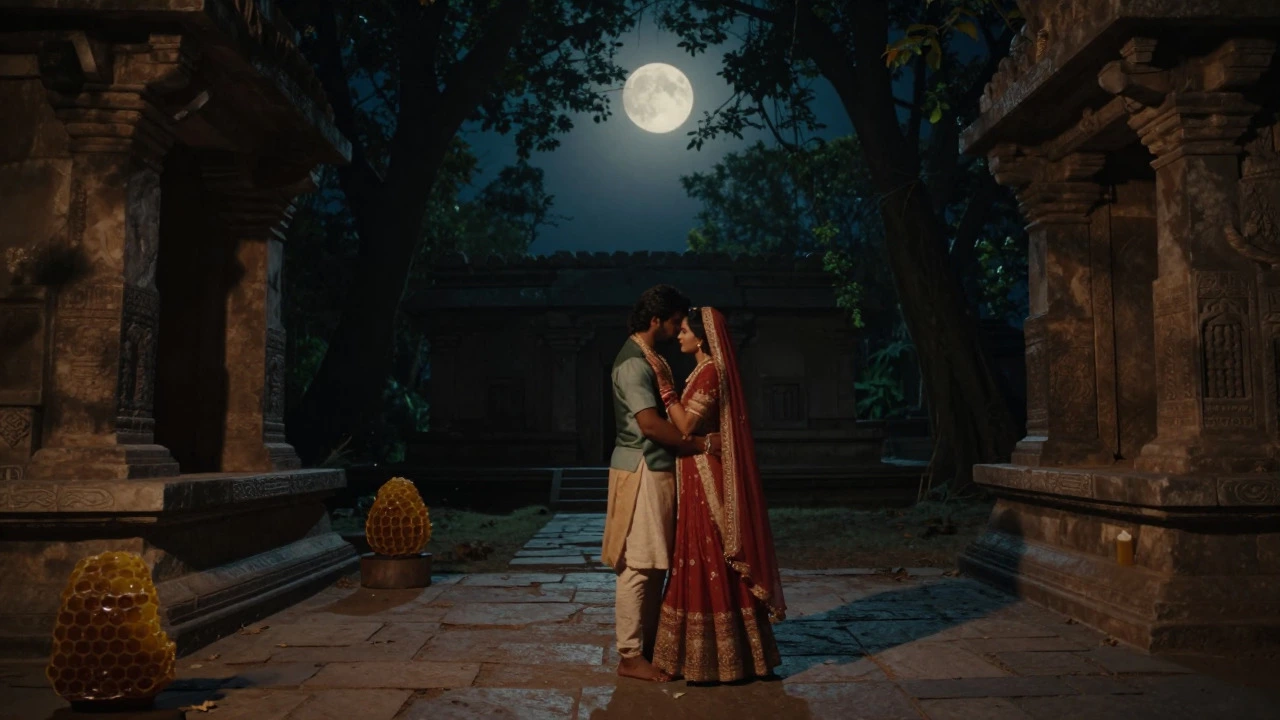
To understand the purpose of a honeymoon, you have to look back further than Victorian England. The word itself comes from the Old English phrase "honey moon," which referred to the first month of marriage. Why honey? Because honey symbolizes sweetness, fertility, and abundance. But there was also a darker, more practical side to early honeymoons.
In many ancient cultures, including parts of Europe and India, the newlyweds were expected to stay together constantly during the first lunar cycle (about 29 days). This wasn't necessarily because they wanted to explore the world. In some medieval European traditions, the groom would literally kidnap the bride, and they would hide out in a remote location until her family stopped looking for her. This period of hiding served a dual purpose: it prevented interference from the bride’s family and ensured that the couple established their new dynamic without outside influence.
Where does the term "honeymoon" come from?
The term originates from the Old English concept of the "honey moon," referring to the first month of marriage. It symbolized the sweetness of the union, much like honey, and often coincided with the first full moon after the wedding, marking the end of the initial period of intense intimacy and separation from society.
The Psychological Shift: Creating a New Identity
Fast forward to the 19th and 20th centuries, and the purpose shifted from hiding to bonding. Psychologists argue that the honeymoon serves as a critical "identity bridge." When you get married, you are no longer just an individual; you are part of a dyad-a two-person system. This shift can be jarring.
The honeymoon provides a controlled environment where the couple can practice being a team away from the distractions of daily life, work, and extended family. Without your parents, siblings, or boss around, you are forced to rely on each other. You navigate time zones, language barriers, and unexpected travel hiccups together. These shared challenges create a unique bond that is different from the stress of planning a wedding. While wedding planning is often stressful and fraught with external opinions, the honeymoon is inward-focused.
This isolation allows couples to establish private rituals, inside jokes, and communication patterns that will serve them for decades. It’s a sandbox for your new relationship. If you solve a problem together in Bali or Paris, you build confidence that you can handle bigger issues later in life.
From Railways to Resorts: The Commercialization of Romance
The modern honeymoon as we know it-luxury hotels, beachfront villas, and guided tours-was largely invented by the railroad companies in the late 1800s. As trains made travel easier, entrepreneurs realized that newlyweds were a lucrative market. They marketed these trips as essential for romance, turning a cultural ritual into a commercial industry.
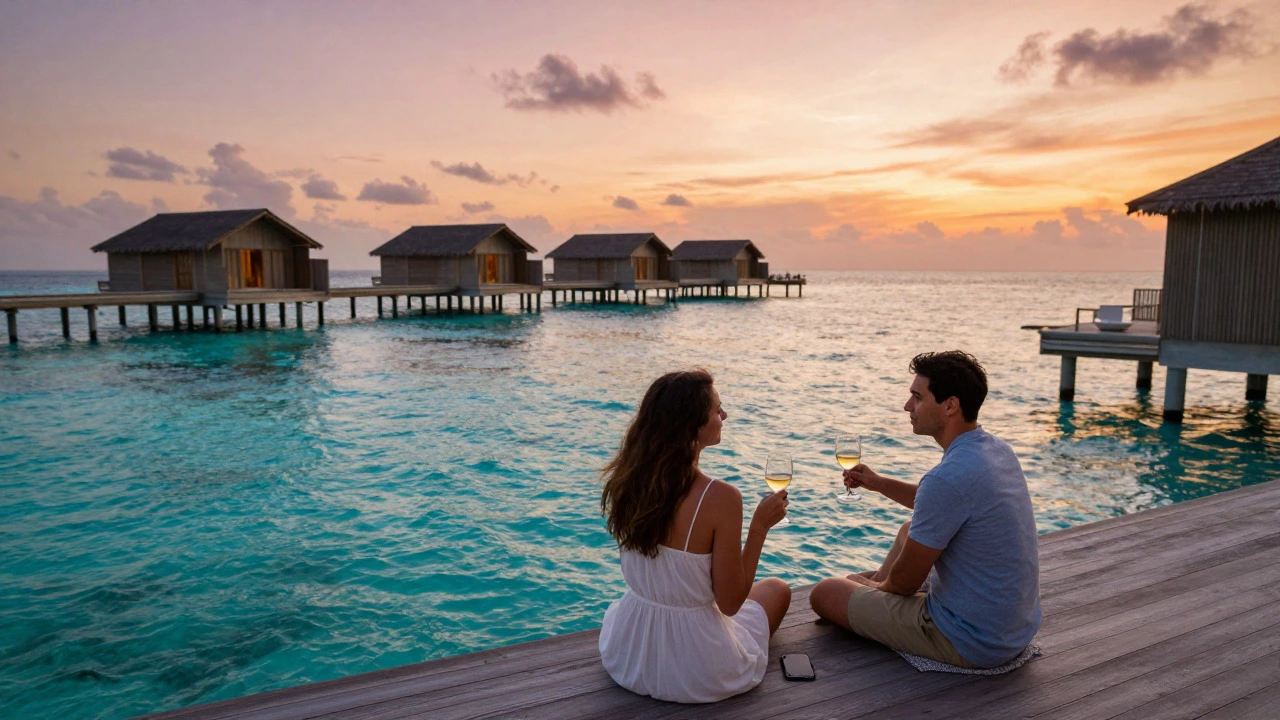
This shift changed the purpose slightly. Instead of just bonding through isolation, couples began to associate the honeymoon with status and luxury. The destination became a signal of success. Today, this is evident in the rise of high-end Honeymoon Destinations like the Maldives, Santorini, and Bora Bora. These places are designed specifically to facilitate the traditional goals of privacy and intimacy, but with a five-star service layer.
| Time Period | Primary Purpose | Typical Activity |
|---|---|---|
| Ancient/Medieval | Isolation & Fertility | Hiding in remote locations |
| 19th Century | Family Visiting & Bonding | Train tours to relatives' homes |
| 20th Century | Romance & Status | Hotel stays in exotic locales |
| 21st Century | Experience & Connection | Adventure travel, digital detoxes |

Why Privacy Matters More Than Ever
In an age where everyone shares every meal on social media, the core purpose of the honeymoon has flipped again. Now, it’s about disconnection. The real value of a honeymoon in 2026 is the ability to be unreachable. For many couples, especially those in high-pressure careers, the honeymoon is the last time they will have uninterrupted alone time for years. Kids, mortgages, and career demands usually follow quickly.
This makes the choice of destination critical. A crowded city break might not serve the same psychological need as a secluded cabin or a private island. The goal is to remove stimuli. When you remove the noise of the world, you amplify the connection between you and your partner. This is why "digital detox" packages are becoming popular. They aren't just a gimmick; they address the fundamental need for presence that defines a successful honeymoon.
Common Misconceptions About the Honeymoon Phase
We often hear about the "honeymoon phase" in relationships-the period where everything feels perfect. People worry when this fades. But here’s the truth: the honeymoon trip is meant to kickstart this phase, not sustain it forever. The purpose is to create a reservoir of positive memories and strong emotional bonds that you can draw from when things get tough later.
Many couples make the mistake of trying to plan every minute of their trip to keep the magic alive. This leads to burnout. The best honeymoons leave room for spontaneity. If you’re rushing from one activity to another, you’re not bonding; you’re sightseeing. The purpose is connection, not checklist completion.
Does Every Couple Need a Traditional Honeymoon?
Not necessarily. The purpose remains the same-transition and bonding-but the method can vary. Some couples prefer a "staycation" to avoid travel stress. Others choose volunteer trips or adventure treks. What matters is that the experience is distinct from your normal routine. It must signal a clear break from single life and the start of married life.
If you stay home and just watch Netflix, you haven’t created a new context for your relationship. You need a change of scenery to trigger a change in mindset. Whether that’s a mountain lodge in New Zealand or a quiet bed-and-breakfast in Vermont, the key is intentionality. Ask yourself: Does this trip help us connect? Does it give us space to be just us?
Planning for Purpose, Not Just Pictures
When choosing your next steps, focus on the outcome you want. Do you want adventure? Relaxation? Cultural immersion? Align your destination with your shared values. If you both love hiking, don’t book a spa resort. If you need rest, don’t book a backpacking tour. The most successful honeymoons are those that reflect who you are as a couple, not what looks good on a feed.
Remember, the honeymoon is an investment in your relationship’s foundation. It’s not just a party; it’s a ritual. Treat it with the seriousness it deserves, but don’t take it so seriously that you forget to enjoy it. The goal is to return home feeling more connected, more confident, and more ready for the journey ahead.
Is the honeymoon necessary for a healthy marriage?
While not strictly mandatory, a honeymoon serves a vital psychological function by providing a dedicated period for couples to bond and transition into married life without external distractions. Studies suggest that couples who invest in quality time together early in their marriage report higher satisfaction levels long-term.
How long should a honeymoon last?
Traditionally, honeymoons lasted about two weeks. However, modern schedules often limit this to 5-7 days. The length matters less than the quality of disconnection. Even a long weekend can be effective if it allows for complete privacy and focused interaction.
Can you have a honeymoon if you already live together?
Absolutely. Cohabitation before marriage is common, but the honeymoon marks a legal and symbolic shift in commitment. It provides a unique opportunity to celebrate that specific milestone separately from your daily routine, reinforcing the new identity of being "married."
What is the difference between a honeymoon and a regular vacation?
A regular vacation is primarily for leisure and recreation. A honeymoon is a rite of passage focused on relationship building and identity formation. The intent is different: one is about escaping life, the other is about starting a new chapter of life together.
Why are honeymoons often kept secret or low-key?
Historically, secrecy was required to avoid family interference or societal judgment. Today, keeping details low-key helps maintain the privacy needed for deep bonding. It allows couples to create intimate moments without the pressure of performing for an audience, whether real or social media.