Where Is Solomon's Temple Today? The Truth About the Site in Jerusalem
 Jul, 10 2026
Temple Mount Historical Timeline Explorer
Explore the major events in the history of the Temple Mount site. Use the controls below to navigate through time.
Start Your Journey
Click "Next Event" or select a year from the timeline below to begin exploring the history of the Temple Mount.
Have you ever stood in Jerusalem and wondered where the most famous building in ancient history actually sat? If you are planning a trip to Israel or just love digging into historical mysteries, you have probably heard conflicting stories. Some people claim it is hidden under a mosque. Others say it was never there at all. And if you are looking for "temple tours" that promise to show you the original structure, you need to know the hard truth before you book a ticket.
The short answer is simple but disappointing: Solomon's temple does not exist today. Not even a single stone of the original building remains above ground. However, the site itself is very much alive, heavily guarded, and one of the most visited places on Earth. To understand where it is, you first have to separate myth from archaeology.
The First Temple: What Actually Happened?
When we talk about Solomon's Temple, we are talking about the First Temple. Built by King Solomon around 957 BCE, it stood in Jerusalem for roughly four centuries. It wasn't just a church or a synagogue; it was the central hub of Jewish worship and political power in the Kingdom of Judah.
In 586 BCE, the Babylonian Empire, led by Nebuchadnezzar II, invaded Jerusalem. They didn't just occupy the city; they dismantled the temple. Historical records from both the Bible and Babylonian chronicles confirm this destruction. The gold was stripped, the cedar beams were burned, and the massive stones were likely reused for other buildings in Babylon or left as rubble in Jerusalem. There is no secret vault containing the walls of Solomon’s Temple waiting to be discovered. It was completely demolished over 2,600 years ago.
Did any part of Solomon's Temple survive?
Archaeologists have found artifacts from the First Temple period, such as seals and pottery shards, but no structural remains of the building itself have been identified with certainty. The site was leveled and rebuilt multiple times since then.
The Second Temple: The Real Ruins You Can See
If you want to see physical evidence of a biblical temple, you need to look for the Second Temple. After the Babylonian exile ended, the Persians allowed Jews to return to Jerusalem. Around 516 BCE, they built a modest replacement known as the Second Temple. This structure served the Jewish people for nearly 500 years.
Then came Herod the Great. In the 1st century BCE, he decided the existing temple was too small and outdated. He launched a massive expansion project. He doubled the size of the platform (the Temple Mount) and built a spectacular new temple complex using white limestone and gold plating. This is the "Temple" Jesus walked near during his ministry. It is also the structure the Romans destroyed in 70 CE.
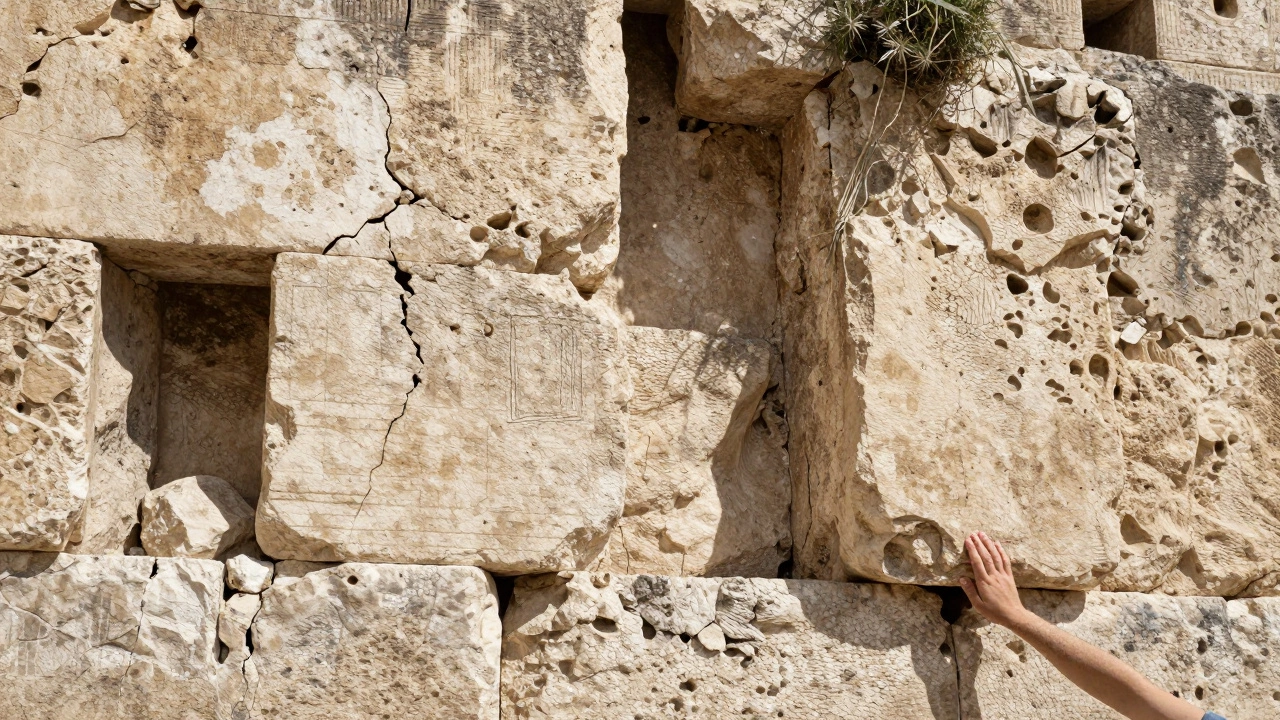
Here is the good news: parts of Herod’s Second Temple still stand. When you visit Jerusalem today, you can touch the stones of the Western Wall. This wall is not the temple itself; it is a retaining wall that held up the massive artificial hill created by Herod. But it is authentic. It is from the same era and construction project. Walking along the Western Wall feels different because you are standing next to the literal foundation of the Second Temple.
The Temple Mount: Where It All Stands Now
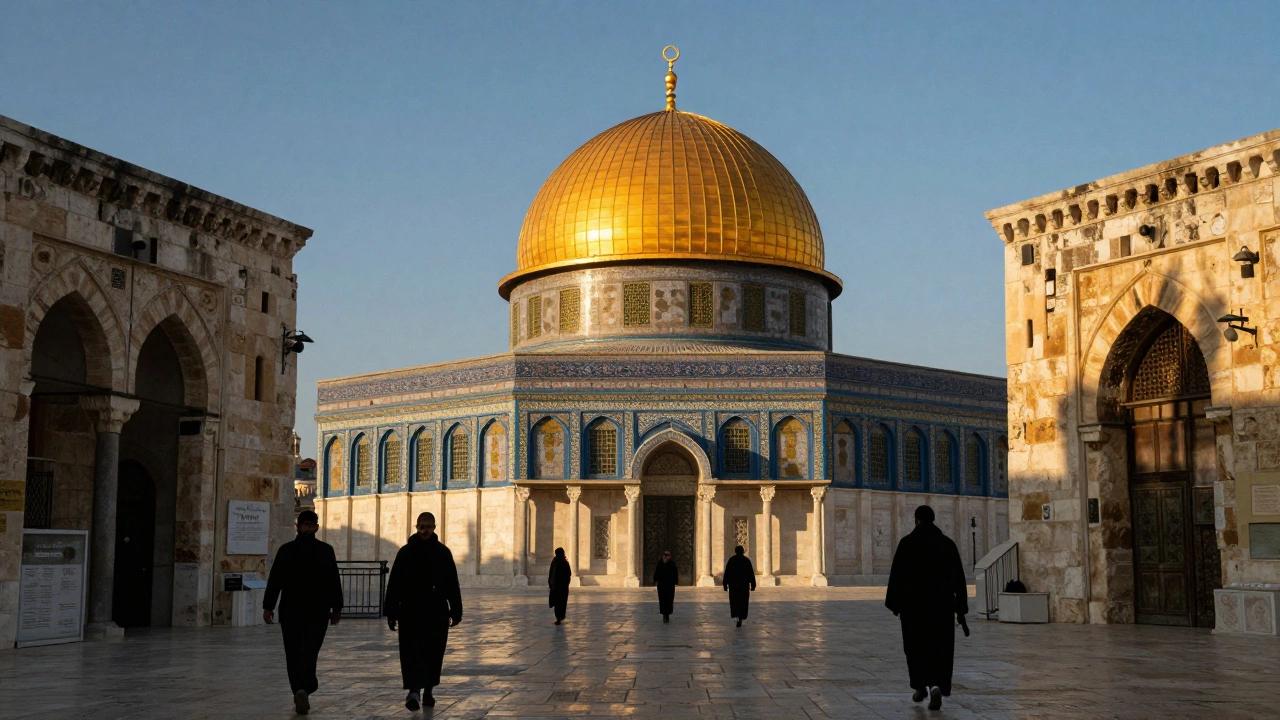
So, where exactly is the spot? The location is known today as the Temple Mount for Jews and Christians, and the Haram al-Sharif (Noble Sanctuary) for Muslims. It is a large, flat plaza surrounded by high walls in the Old City of Jerusalem.
Today, two major Islamic structures dominate this square: the Dome of the Rock and the Al-Aqsa Mosque. The Dome of the Rock sits almost exactly where scholars believe the Holy of Holies (the innermost sanctuary of Solomon’s Temple) once stood. The golden dome is iconic and visible from miles away. It was built in the late 7th century CE, long after the Roman destruction.
This creates a sensitive situation. For Muslims, this is the third holiest site in Islam, where Prophet Muhammad is believed to have ascended to heaven. For Jews, it is the holiest site in Judaism, but Orthodox tradition forbids Jews from entering the mount itself to avoid accidentally stepping on the forbidden area of the Holy of Holies. Because of this religious tension, the site is managed by an Islamic trust called the Waqf, while security is controlled by the Israeli government.
| Feature | Solomon's Temple (First) | Herod's Temple (Second) |
|---|---|---|
| Built By | King Solomon | Herod the Great (expanded earlier structure) |
| Approximate Date | 957 BCE | 20 BCE - 70 CE |
| Destroyed By | Babylonians (586 BCE) | Romans (70 CE) |
| Current Remains | None above ground | Western Wall, some stones nearby |
| Visibility Today | Underground/Mythical | Visible at Temple Mount perimeter |
Why Do People Think It Is Hidden Underground?
You will often hear conspiracy theories suggesting that the First Temple is buried deep beneath the Dome of the Rock, intact. Some groups even claim to have maps showing tunnels leading to it. These ideas are popular in fiction and fringe documentaries, but they lack archaeological support.
The reason these myths persist is emotional. Losing the First Temple was a traumatic event in Jewish history. The idea that it might still be there, waiting to be rediscovered, offers hope. Additionally, the politics of the region make excavation difficult. The Islamic Waqf has historically opposed excavations directly under the mosques, fearing damage to the structures or discovery of artifacts that could challenge Islamic narratives.
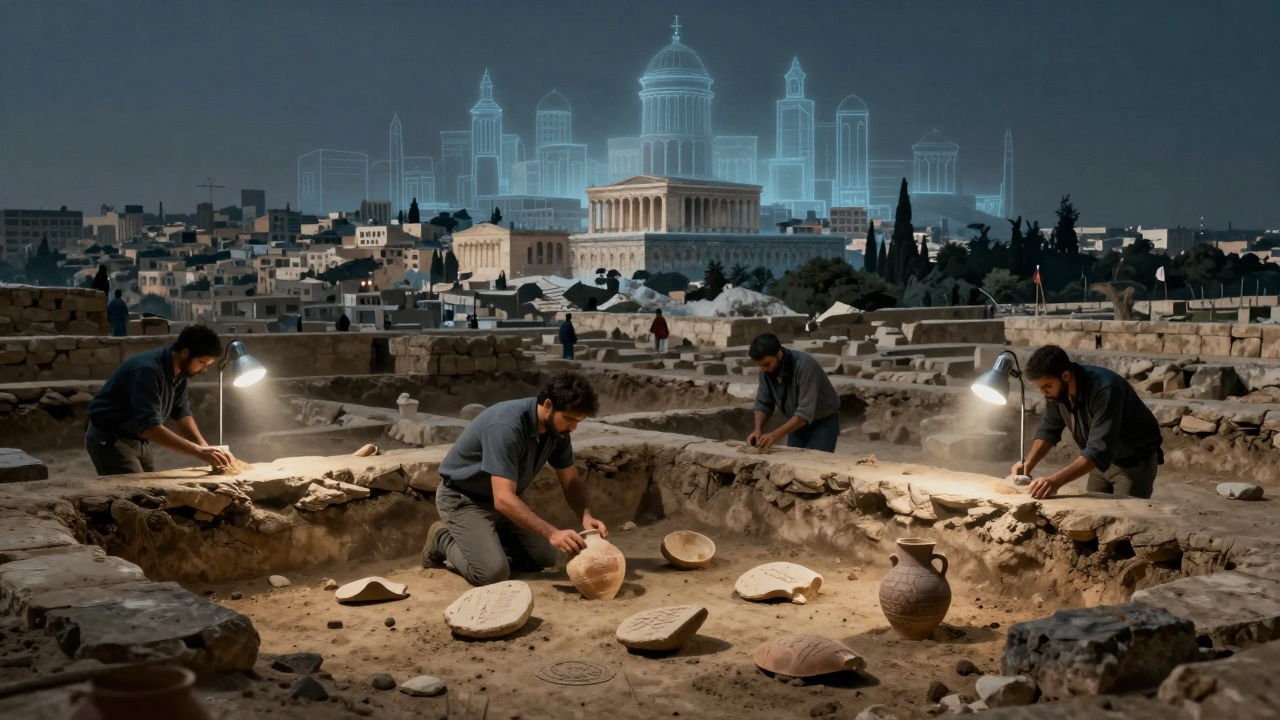
However, archaeologists have done extensive work around the periphery of the Temple Mount. In the Ophel area (south of the mount), they have uncovered drainage systems, gates, and streets from the First and Second Temple periods. These finds prove that the area was indeed a major center of activity, but they do not show a hidden temple vault.
Visiting the Site: A Practical Guide
If you are traveling to Jerusalem, you can absolutely visit this historic ground. Here is what you need to know to do it respectfully and safely.
- Dress Modestly: Since the Temple Mount is an active Muslim prayer site, dress codes are strict. Shoulders and knees must be covered for everyone. Men should wear long pants; women may need a headscarf depending on current regulations.
- No Religious Items: You cannot bring Christian crosses, Jewish Torah scrolls, or any religious symbols onto the mount. Security checks are thorough. Cameras are usually allowed, but you must ask permission before photographing people praying.
- Entry Points: Most visitors enter through the Mughrabi Gate on the western side. There are other gates, like the Chain Gate, which are less crowded but sometimes closed.
- Guided Tours: While you cannot go underground to find Solomon’s Temple, hiring a licensed guide is highly recommended. They can point out the massive Herodian stones embedded in the walls, explain the layout of the Second Temple, and help you navigate the cultural sensitivities.
The Future of the Temple Mount
The status of the Temple Mount remains one of the most volatile issues in the Middle East. Any change in control or access rules can spark conflict. For travelers, this means the situation can shift quickly. Always check current travel advisories before your trip.
Despite the tension, the site is open to tourists most days. It is a place of profound beauty and history. Standing on that plateau, looking out over the Old City, gives you a sense of continuity. You are standing on the same rock that kings, prophets, emperors, and pilgrims have stood on for millennia. Even though Solomon’s Temple is gone, its footprint shapes the world today.
Common Questions About the Temple Location
Many travelers have specific questions before they go. Here are answers to the most frequent ones based on current facts.
Can I dig for Solomon's Temple myself?
No. Excavation on the Temple Mount is strictly prohibited without special permits from the Israeli Antiquities Authority and approval from the Islamic Waqf. Unauthorized digging is illegal and dangerous due to unstable structures and political sensitivity.
Is the Western Wall the only remnant of the Second Temple?
It is the most famous, but not the only one. Large stones from Herod's expansion have been found in the Kidron Valley and near the Dung Gate. Some of these stones are so massive (weighing hundreds of tons) that they demonstrate the engineering prowess of the time.
Why can't Jews pray on the Temple Mount?
Orthodox Jewish law prohibits entering the area believed to contain the Holy of Holies. Since the exact boundaries are unknown, many rabbis forbid all Jews from ascending the mount to avoid accidental desecration. Secular Jews may visit, but prayer is generally discouraged to maintain peace.
Are there tours that claim to show the First Temple?
Be cautious. Some commercial tours use models, VR experiences, or peripheral excavations to "show" the temple. Legitimate guides will clarify that you are seeing reconstructions or related artifacts, not the actual First Temple structure.
What is the best time to visit the Temple Mount?
Early morning right when it opens is best to avoid crowds. Avoid Fridays and Saturdays (Shabbat) if possible, as access restrictions tighten for non-Muslims, and the site is extremely busy with Muslim worshippers on Fridays.
Understanding the history of Solomon's Temple helps you appreciate why Jerusalem matters. It is not just about finding a lost building; it is about understanding the layers of faith and conflict that define the modern world. Whether you are a historian, a believer, or a curious traveler, visiting the site offers a powerful connection to the past.