Where Is the Prettiest Beach Ever? Top Stunning Beaches in India
 Aug, 14 2026
Find Your Perfect Indian Beach
Answer these 3 questions to discover which stunning Indian beach matches your vibe.
Ready to explore?
Your personalized beach recommendation will appear here.
Location
Why it fits you:
Key Features:
Have you ever scrolled through photos of turquoise water and white sand until your thumb hurt, wondering if such a place actually exists? You are not alone. The question "where is the prettiest beach ever?" is one of the most common travel queries on the internet. But here is the catch: beauty is subjective. What looks like paradise to a surfer might be boring to a snorkeler. For a couple seeking romance, a crowded party beach is a nightmare. So, instead of giving you a single answer, let’s look at the contenders for this title within India, a country with over 7,500 kilometers of coastline stretching from the Arabian Sea to the Bay of Bengal.
India offers a wild variety of coastal landscapes. You have the rugged cliffs of Goa, the serene backwaters of Kerala, and the untouched coral reefs of the Andaman and Nicobar Islands. Each region has its own vibe, its own best time to visit, and its own claim to fame. If you are looking for that postcard-perfect shot, or just a place to relax without spending a fortune, you need to know where to go. Let’s break down the top spots that consistently rank as the most beautiful.
The Global Favorite: Radhanagar Beach, Havelock Island
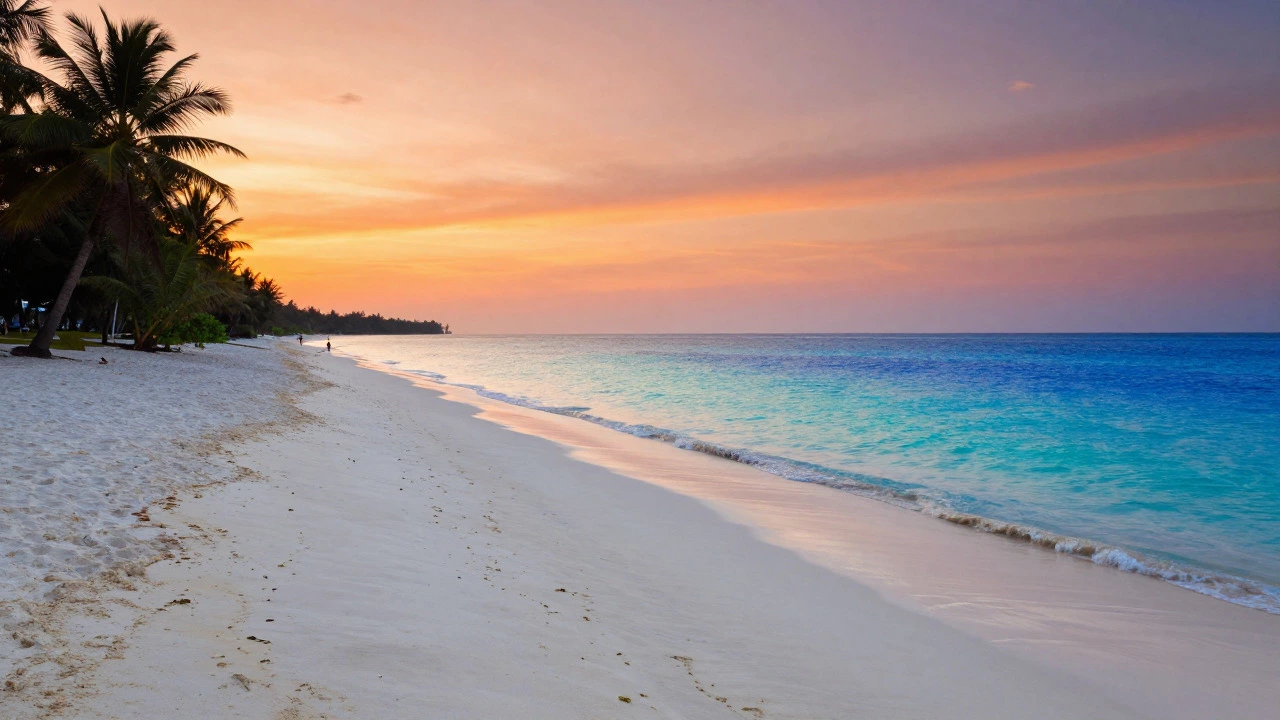
If there is one beach in India that gets the most votes for "prettiest," it is almost certainly Radhanagar Beach Beach No. 7 located on Havelock Island (now known as Savadweep). This spot is part of the Andaman and Nicobar Islands, a union territory consisting of 572 islands in the Bay of Bengal. Travel magazines like Condé Nast Traveller have repeatedly ranked it among the best beaches in Asia, sometimes even globally.
Why does it win? It’s the combination of factors. The sand is powdery white, not gritty. The water is a gradient of blues, shifting from crystal clear near the shore to deep sapphire further out. At sunset, the sky turns shades of orange and pink, reflecting off the calm sea. It is quiet, clean, and feels remote despite being a popular tourist destination.
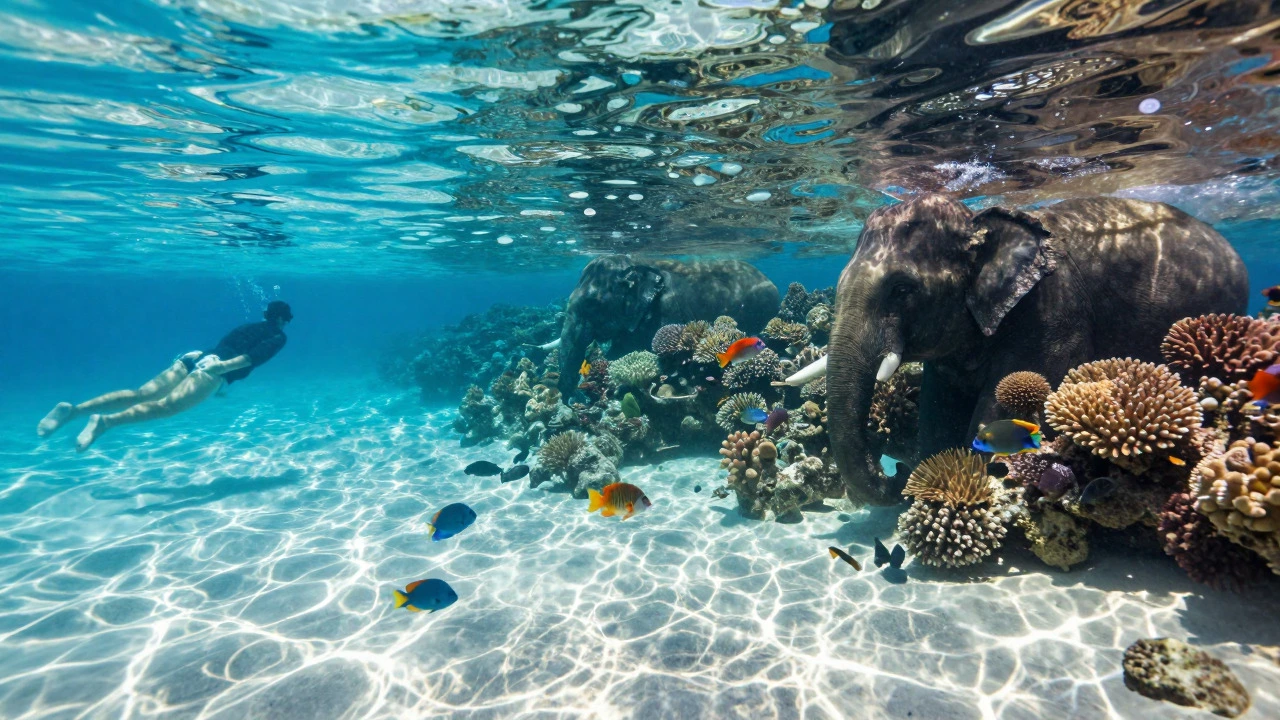
However, it is not perfect. Because it is so famous, it can get crowded in the late afternoon. Also, since it is a protected island ecosystem, plastic waste is strictly monitored, but human impact is still visible. If you want absolute solitude, you might need to hike to the northern end of the beach. Still in Havelock Island, Elephant Beach a shallow lagoon known for its vibrant coral reefs and glass-bottom boat rides offers a different kind of beauty. While Radhanagar is about the view above the water, Elephant Beach is about what’s below. The water here is shallow enough to walk in for hundreds of meters, making it ideal for families with kids or those who aren’t strong swimmers.
This beach is the hub for water sports. You can try snorkeling to see colorful fish and coral formations. Glass-bottom boats are a hit for people who don’t want to get wet but still want to see the underwater world. The name comes from the shape of the nearby rocks that resemble an elephant's head.
One thing to note: the water quality can vary depending on the monsoon runoff. The best visibility is usually between November and April. Outside these months, the currents can be stronger, and swimming might be restricted. Move west to the state of Kerala, known as 'God's Own Country' for its lush greenery and backwaters, and you find Kovalam Beach a crescent-shaped beach near Thiruvananthapuram with palm trees and Ayurvedic resorts. Unlike the wild, untouched feel of the Andamans, Kovalam is developed, polished, and culturally rich. It is not the "wildest" pretty, but it is undeniably charming.
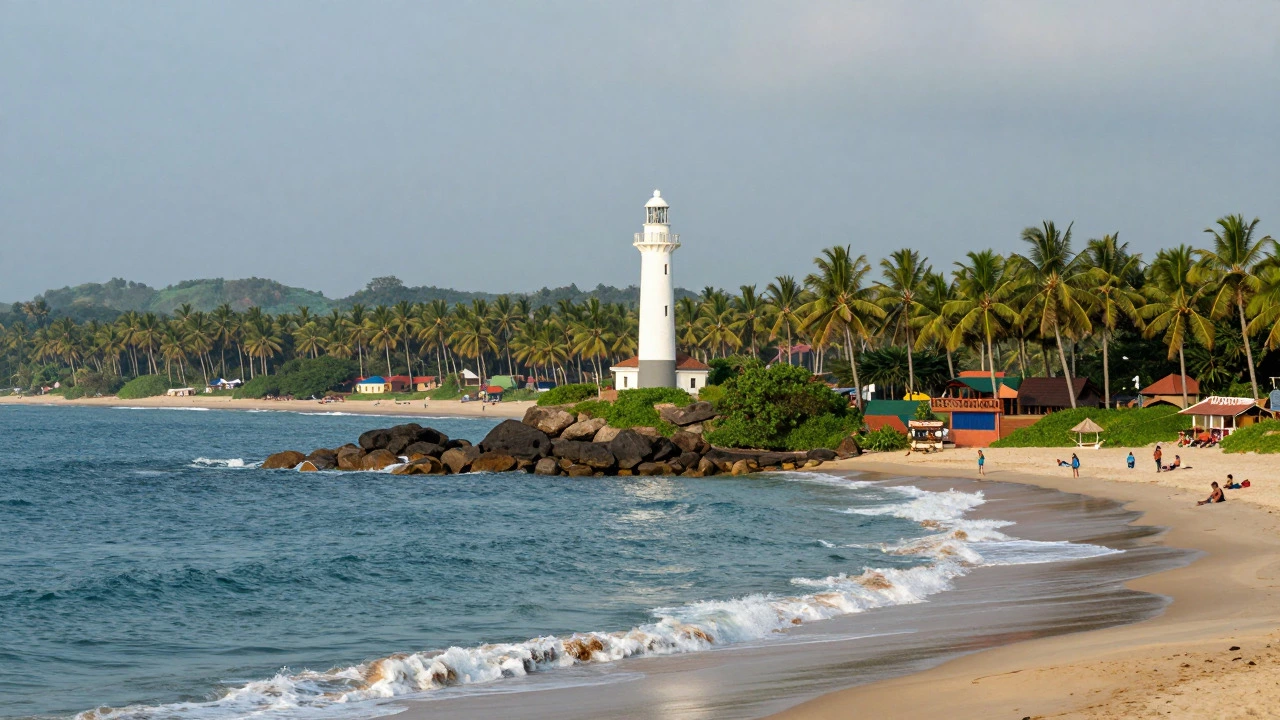
The beach is shaped like a shell, formed by three connected beaches: Lighthouse Beach, Hawah Beach, and Samudra Beach. The iconic lighthouse stands on a rock formation, offering panoramic views. The backdrop is not just ocean, but also coconut groves and hills. This mix of land and sea creates a unique aesthetic. Plus, you are close to the city, so you can enjoy local food and Ayurvedic treatments after your swim.
Kovalam is great if you want comfort alongside beauty. You won’t find hidden coves here, but you will find excellent infrastructure, clean public toilets, and a wide range of accommodation options from budget hostels to luxury villas. When people think of Goa, India's smallest state by area but largest tourist destination, they often think of loud music and parties. That’s mostly North Goa. But Palolem Beach a horseshoe-shaped bay in South Goa known for its calm waters and relaxed atmosphere in South Goa is a different story. It is often called the "Maldives of India" because of its shallow, warm waters and starfish-covered shores.
Palolem is laid-back. There are no high-rises blocking the view. Just huts made of bamboo and palm leaves lining the sand. It’s a favorite among backpackers and digital nomads who want Wi-Fi and wine but also want to wake up to the sound of waves. The water is generally calmer than in North Goa, making it safer for swimming and kayaking.
While it’s beautiful, it’s not pristine. Plastic pollution is a challenge here, as it is in many Indian coastal towns. However, several local NGOs work tirelessly to keep the beach clean. Supporting eco-friendly homestays here helps make a difference. If you truly want to escape the masses, consider Milot Beach a secluded beach in the Car Nicobar district, accessible only by permit. Located in the Nicobar Islands, which are separate from the more visited Andaman Islands, Milot is raw and untouched. The sand is white, the water is incredibly clear, and the biodiversity is staggering. You might see sea turtles nesting here.
Getting here is hard. You need a special permit from the Forest Department, and transport is limited. Ferries are infrequent, and flights are expensive. But for the adventurous traveler, this difficulty is part of the appeal. When you arrive, you might be the only person on the beach. The silence is profound.
This is not a beach for luxury seekers. Accommodation is basic, often government-run lodges. But the natural beauty is unmatched. It reminds you why we protect these ecosystems. So, where is the prettiest beach ever? It depends on what you value. If you want Instagram-worthy sunsets and don’t mind a crowd, go to Radhanagar. If you want adventure and marine life, choose Elephant Beach. If you prefer comfort and culture, Kovalam is your spot. For a bohemian vibe, pick Palolem. And if you want true isolation, fight for the permit to Milot.
Timing matters too. Most Indian beaches are best visited between October and March. During the monsoon (June to September), many beaches close due to rough seas and lightning risks. In summer (April to June), the heat can be unbearable, especially in Goa and Kerala.
Also, consider sustainability. Beautiful beaches are fragile. Stick to marked paths, carry reusable water bottles, and support local businesses that practice eco-friendly tourism. Your choice of where to stay and eat impacts the environment directly. Finding the prettiest beach is less about the location and more about the experience. Whether you are watching the sun dip below the horizon in the Andamans or enjoying a coconut drink in Kerala, the memory you create is what makes it beautiful. Plan wisely, travel responsibly, and you’ll find your own personal paradise. Yes, Radhanagar Beach is generally safe for swimming, especially in the central and southern parts where the water is calm. However, always check for warning flags indicating strong currents. Avoid swimming at night or during monsoon seasons. The best time to visit most Indian beaches is from October to March. During these months, the weather is pleasant, with lower humidity and minimal rainfall. The monsoon season (June-September) brings heavy rains and rough seas, while summer (April-June) can be extremely hot. Indian citizens do not need a permit for the main islands like Havelock and Neil Island. However, foreign nationals require a Protected Area Permit (RAP). For the Nicobar Islands, including Milot Beach, everyone needs a special Inner Line Permit (ILP) regardless of nationality. Geographically, the Lakshadweep Islands are closer to the Maldives, but they are harder to access. Among the more accessible destinations, the Andaman and Nicobar Islands offer a similar tropical island experience with white sands and clear waters, often earning them the nickname "Maldives of India."
The Lagoon Paradise: Elephant Beach, Havelock Island
The Cultural Blend: Kovalam Beach, Kerala
The Adventure Spot: Palolem Beach, South Goa
The Hidden Gem: Milot Beach, Car Nicobar
Beach Name
Location
Best For
Crowd Level
Accessibility
Radhanagar Beach
Havelock Island, Andaman
Sunset, Photography
High
Moderate (Ferry required)
Elephant Beach
Havelock Island, Andaman
Snorkeling, Water Sports
High
Moderate (Ferry required)
Kovalam Beach
Thiruvananthapuram, Kerala
Relaxation, Culture
Medium
Easy (Flight + Road)
Palolem Beach
South Goa
Camping, Slow Travel
Medium-High
Easy (Flight + Road)
Milot Beach
Car Nicobar
Solitude, Wildlife
Very Low
Difficult (Permit + Ferry)
How to Choose Your Perfect Beach
Practical Tips for Visiting Indian Beaches
Is Radhanagar Beach safe for swimming?
What is the best time to visit Indian beaches?
Do I need a permit to visit the Andaman and Nicobar Islands?
Which beach in India is closest to the Maldives?
Can I visit Kovalam Beach during the monsoon?