Where Should Tourists Go in India? A North India Focus
 Oct, 6 2026
North India Trip Planner
Select your trip duration and interests to get a personalized recommendation for your North India adventure.
Ready to Plan?
Select your preferences on the left and click "Generate Itinerary" to see recommended stops.
India is massive. It’s not just a country; it’s a continent disguised as one. If you’re standing at the airport arrival gate with your bag and a vague idea that "I want to see India," you might feel overwhelmed before you even find a taxi. The sheer scale can paralyze you. But here is the secret most seasoned travelers learn after their first trip: you don’t need to see everything. You need to see something deeply.
For many first-time visitors, especially those interested in history, architecture, and vibrant culture, North India is the perfect starting point. It offers the iconic imagery of India-the Taj Mahal, the colorful markets of Jaipur, the spiritual chaos of Varanasi-without requiring a cross-country flight every two days. This region is dense with heritage sites, accessible by train or short flights, and rich enough to keep you engaged for weeks. So, where exactly should you go? Let’s break down the essential stops that make North India unforgettable.
The Golden Triangle: Your Essential Starter Pack
If you have less than ten days, stick to the Golden Triangle. This is the classic circuit connecting three major cities: Delhi, Agra, and Jaipur. It’s called "golden" because these three points form a triangle on the map, but honestly, it’s golden because of the gold-standard experiences it delivers.
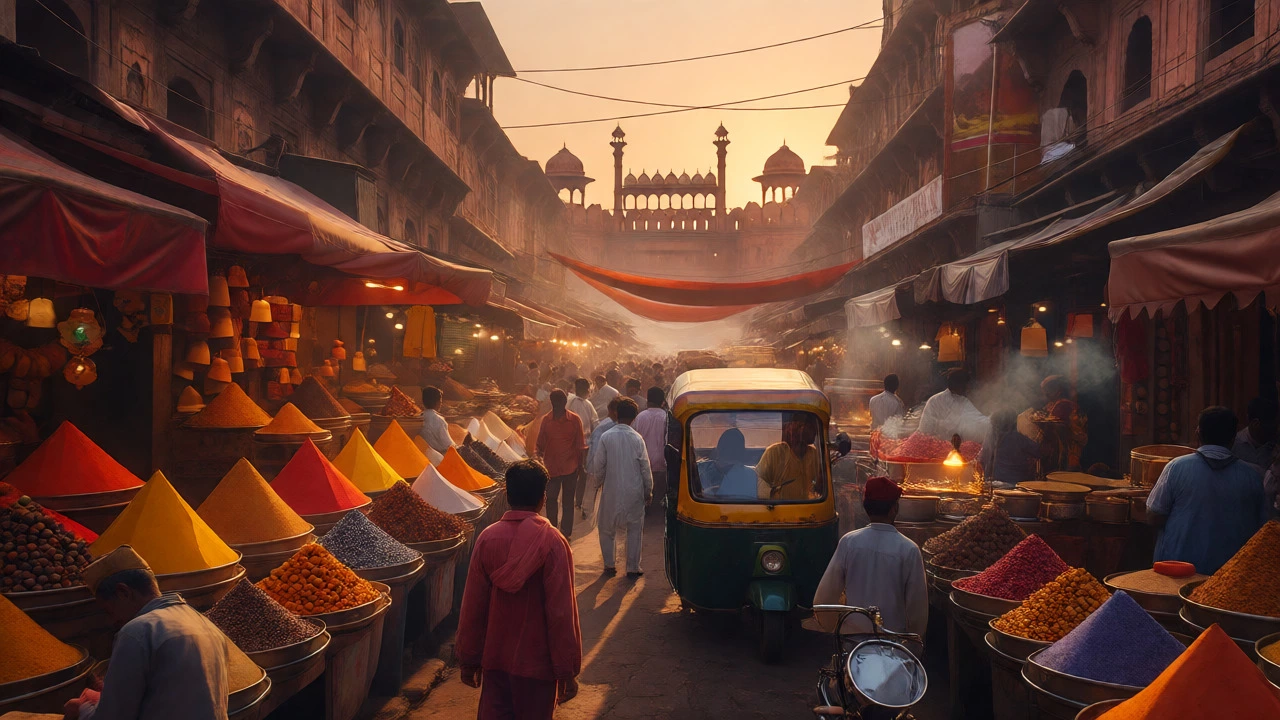
Delhi is the entry point. Don’t let the traffic scare you off. Old Delhi is a sensory explosion. You’ll walk through Chandni Chowk, where carts dodge cars and spices hang in pyramids so high they touch the ceiling. Visit the Red Fort, a Mughal-era fortress that looks like a sandcastle made of red stone. Then, take an auto-rickshaw to New Delhi to see the stark contrast: wide boulevards, colonial architecture, and the Lotus Temple, which looks like a white flower blooming in concrete.
From Delhi, it’s a quick drive or train ride to Agra. Yes, everyone goes for the Taj Mahal. And yes, it is worth the hype. Seeing the white marble glow pink at sunrise or turn silver under the moonlight changes your perspective on what humans can build. But don’t just stay for the Taj. Agra Fort is nearby, a massive red sandstone complex where emperors lived and died. It’s less crowded and gives you a real sense of the power dynamics of the Mughal Empire.
Then, head to Jaipur, the Pink City. Why pink? Because in 1876, the city was painted pink to welcome Prince Albert. The tradition stuck. Here, you’ll find Hawa Mahal, a palace facade with 953 small windows designed so royal women could watch street festivals without being seen. The Amber Fort, perched on a hill, requires an elephant ride (or a jeep, if you prefer ethical tourism) to reach the entrance. The views from the top are worth the climb.
| City | Must-See Attraction | Best Time to Visit | Travel Tip |
|---|---|---|---|
| Delhi | Red Fort & Qutub Minar | Oct-Mar | Hire a local guide for Old Delhi to navigate crowds. |
| Agra | Taj Mahal | Sunrise | Book tickets online to skip long queues. |
| Jaipur | Amber Fort | Morning | Combine with a textile shopping tour. |
Beyond the Triangle: Spiritual Depth in Varanasi
If the Golden Triangle shows you India’s past, Varanasi shows you its soul. Located along the banks of the Ganges River, this is one of the oldest continuously inhabited cities in the world. Mark Twain once said, "Benares is older than history, older than tradition, older even than legend." He wasn’t exaggerating.
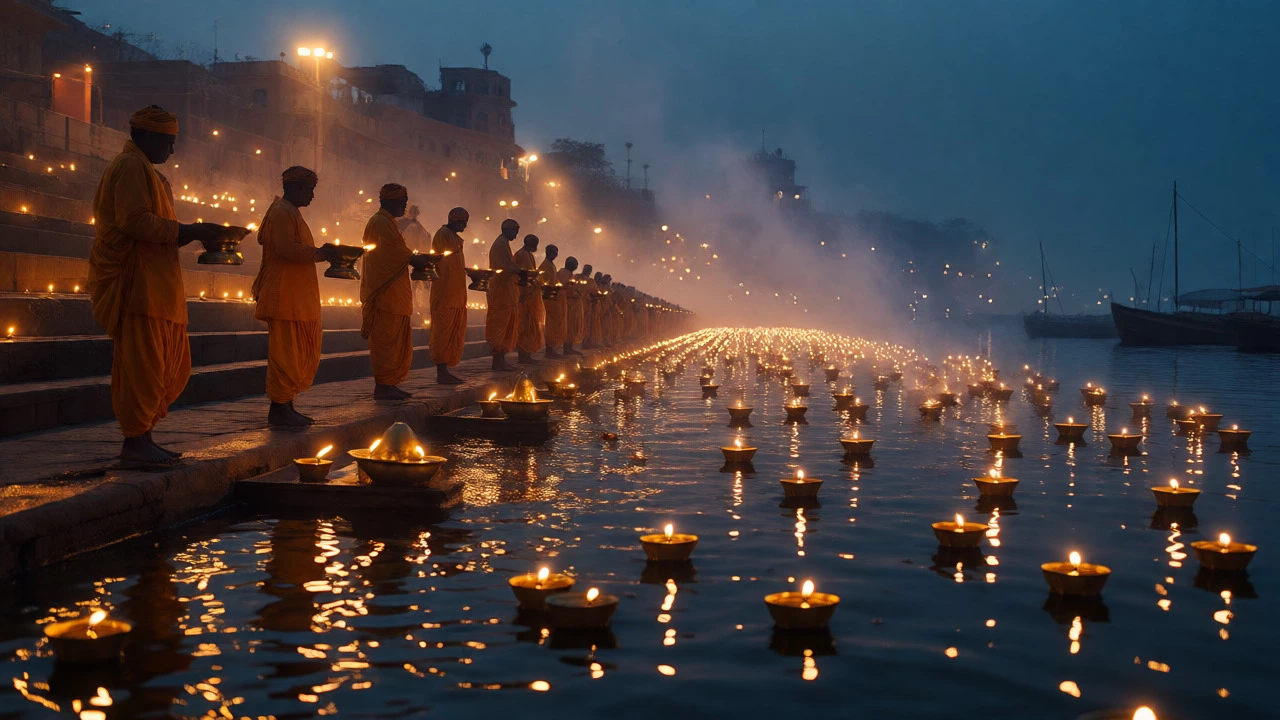
Varanasi isn’t about sightseeing in the traditional sense. It’s about witnessing life and death happening simultaneously. In the morning, take a boat ride on the Ganges. You’ll see devotees bathing, priests performing rituals, and boats filled with tourists all sharing the same water. As the sun sets, attend the Ganga Aarti at Dashashwamedh Ghat. Hundreds of lamps float down the river while priests chant in synchronized rhythm. The smell of incense, marigolds, and wood smoke hangs heavy in the air. It’s intense, chaotic, and profoundly moving.
Don’t miss Sarnath, just 10 kilometers away. This is where Buddha gave his first sermon after enlightenment. The Dhamek Stupa stands tall, marking the spot. It’s a peaceful counterpoint to the energy of Varanasi itself.
The Mountains Call: Ladakh and Himachal Pradesh
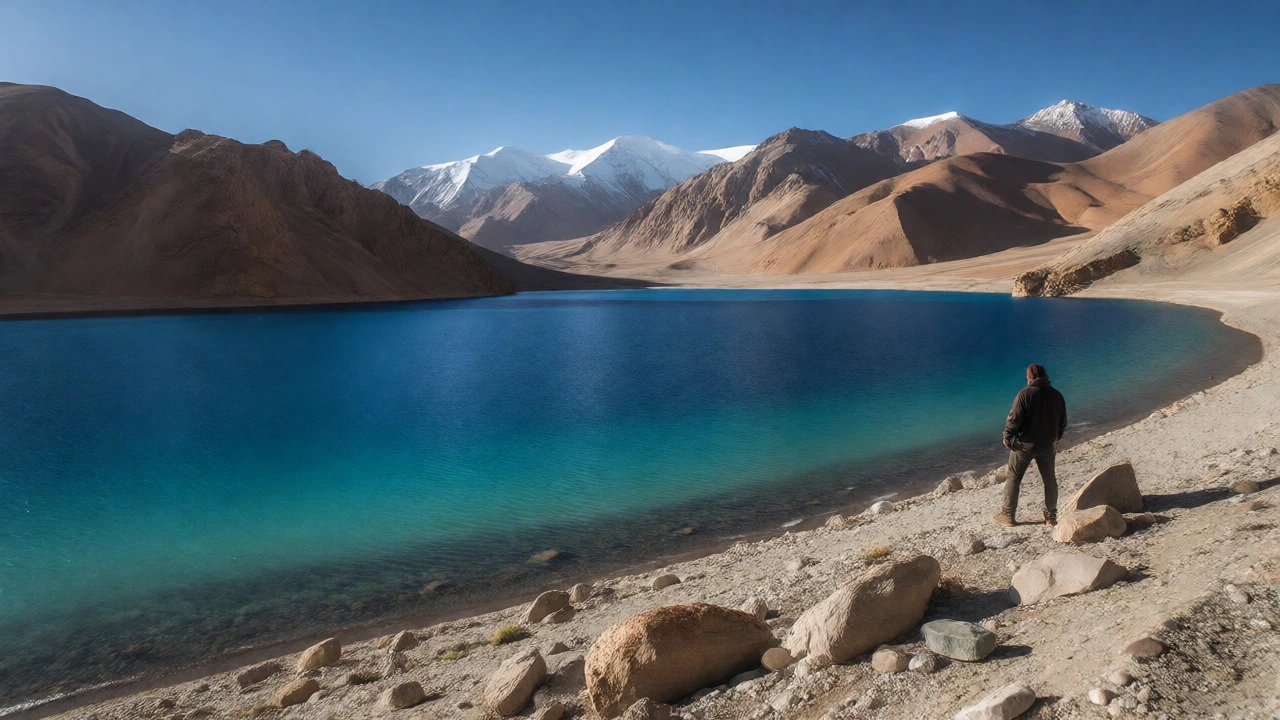
Once you’ve had your fill of plains and heat, look north. The Himalayas offer a completely different India. Ladakh is often described as "Little Tibet." It’s high-altitude desert terrain, with stark landscapes, blue lakes, and Buddhist monasteries clinging to cliffs. Pangong Lake, famous from Bollywood movies, changes color throughout the day-from turquoise to deep blue. The drive there is rugged, crossing some of the highest motorable roads in the world.
For something more accessible, try Himachal Pradesh. Shimla was the summer capital of British India, and its colonial architecture still stands. Manali, further up, is a hub for adventure sports. You can trek to Hampta Pass, raft in the Beas River, or simply sip chai while looking at snow-capped peaks. The air is crisp, the pace is slower, and the food-especially the momos (dumplings)-is incredible.
Rajasthan’s Desert Magic: Jaisalmer and Udaipur
Rajasthan is bigger than just Jaipur. If you love dramatic landscapes, head west to the Thar Desert. Jaisalmer is known as the Golden City because its fort and buildings are built from yellow sandstone. The Jaisalmer Fort is unique-it’s a living fort, meaning people still live inside its walls. Walking through its narrow alleys feels like stepping into a medieval movie set.
Stay overnight in a desert camp near Sam Sand Dunes. You’ll ride camels at sunset, eat dal baati churma (a local lentil and wheat ball dish), and sleep under a sky so full of stars it hurts to look up. No light pollution here.
On the other end of the spectrum is Udaipur, the City of Lakes. Often called the most romantic city in India, it’s centered around Lake Pichola. The City Palace rises directly from the water. Take a boat ride at dusk when the palaces reflect on the surface. It’s calm, elegant, and a great place to decompress after the hustle of other cities.
Practical Tips for First-Time Visitors
North India can be intense. Here’s how to handle it:
- Dress Modestly: Cover shoulders and knees when visiting temples or mosques. It’s respectful and helps you blend in.
- Hydrate Carefully: Drink bottled water only. Avoid ice in drinks unless you’re sure it’s made from purified water.
- Negotiate Fares: Auto-rickshaws and taxis rarely use meters in tourist areas. Agree on a price before getting in.
- Respect Privacy: Ask before taking photos of locals, especially sadhus (holy men) or women in conservative areas.
- Plan for Weather: October to March is peak season. Days are pleasant, nights can be cold in Delhi and mountains. April to June gets very hot.
Food is a major part of the experience. Don’t just stick to hotel buffets. Try street food like chaat (spicy snacks), parathas (stuffed flatbreads), and lassi (yogurt drink). If your stomach is sensitive, start slow. Your gut needs time to adjust to new bacteria.
Why North India Over South or East?
You might wonder why I’m focusing on the north. South India offers lush backwaters, distinct Dravidian culture, and vegetarian cuisine. East India has Kolkata’s intellectual charm and tea gardens. But North India provides the most concentrated dose of "classic" India for beginners. The infrastructure is better developed for tourists, English is widely spoken, and the historical sites are globally recognized. Once you’ve mastered the north, you’ll have the confidence and context to explore the rest of the subcontinent.
How many days do I need for North India?
For the Golden Triangle alone, plan for 7-10 days. If you want to include Varanasi, add 3-4 days. For a comprehensive trip including Rajasthan or the mountains, aim for 14-21 days.
Is North India safe for solo female travelers?
Yes, but with precautions. Dress conservatively, avoid walking alone late at night in unfamiliar areas, and use reputable transport apps like Uber or Ola. Many women travel solo successfully, but staying aware of your surroundings is key.
What is the best time to visit North India?
October to March is ideal. The weather is cool and dry, making it comfortable for sightseeing. Summers (April-June) are extremely hot, and monsoons (July-September) bring humidity and rain, though some prefer the greenery.
Do I need vaccinations for North India?
Consult your doctor, but common recommendations include Hepatitis A and B, Typhoid, and Tetanus. Ensure your routine vaccines are up to date. Malaria prophylaxis may be suggested depending on your itinerary.
Can I drink tap water in North India?
No. Stick to sealed bottled water. Many hotels provide filtered water dispensers, which are safe. Avoid ice cubes unless you know they’re made from purified water.