Which Beach in India Has Blue Water? Top 7 Crystal Clear Spots
 Aug, 7 2026
Blue Water Beach Finder
Your personalized recommendation will appear here
Most people think of the Arabian Sea or the Bay of Bengal as murky, brown, or a dull shade of green. If you’ve ever visited Mumbai, Goa, or Chennai during the monsoon, you know exactly what I mean. The sediment from rivers and coastal erosion turns the water opaque. But here is the truth: India does have beaches with water so blue it looks like liquid sapphire. You just have to know where to look.
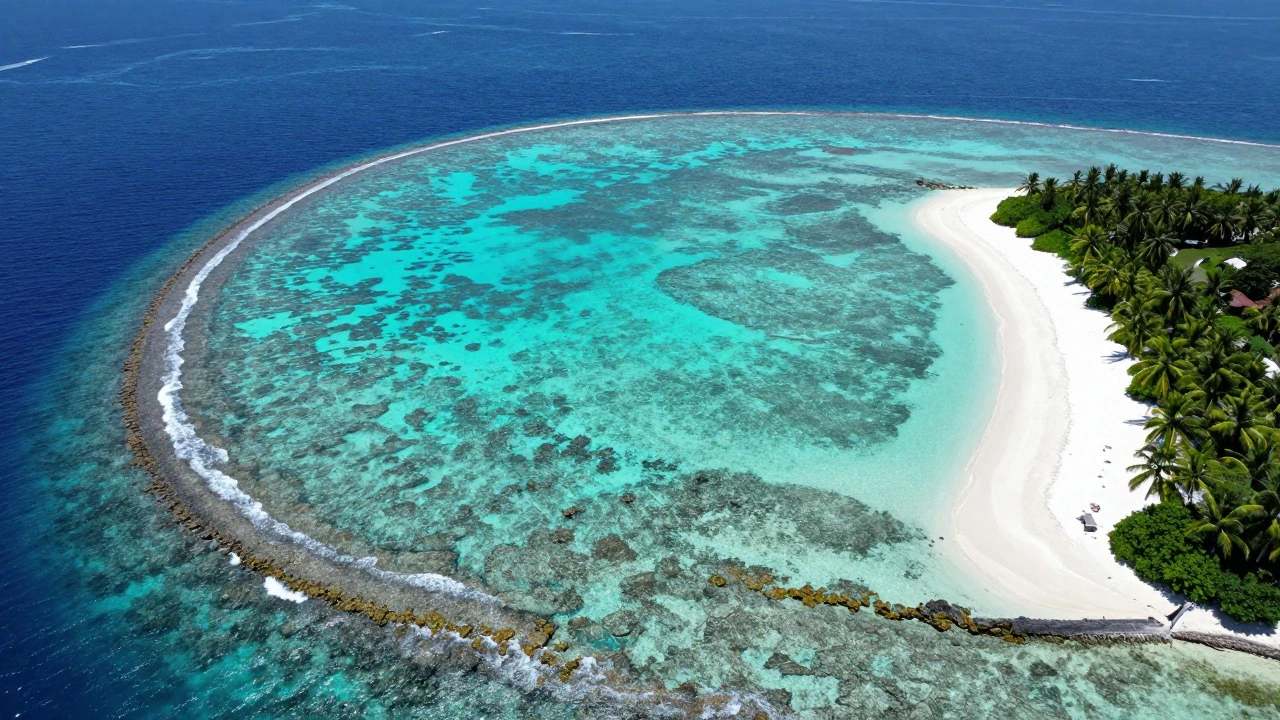
The secret lies in geography and isolation. To get that Caribbean-style turquoise hue, you need shallow coral reefs, white sand bottoms, and minimal river runoff. That rules out most of the mainland coast. The real magic happens in the island chains off the southern tip of India. Specifically, we are talking about Lakshadweep and the Andaman and Nicobar Islands. These archipelagos sit far enough from the continental shelf to avoid the sediment load that clouds the mainland waters.
Why Most Indian Beaches Aren't Blue
Before you pack your bags for the islands, it helps to understand why the famous beaches of Goa or Kerala rarely show up on "blue water" lists. It’s not pollution; it’s geology. The western coast of India faces the Arabian Sea, which can be clear, but the heavy monsoon rains wash tons of soil from the Western Ghats into the ocean. This creates a high turbidity level, meaning the water is full of suspended particles. Same story on the east coast with the Bay of Bengal. Rivers like the Ganges and the Krishna dump massive amounts of silt into the sea.
To see true blue, you need depth and clarity. Shallow waters over white sand reflect sunlight differently than deep waters over dark mud. The islands mentioned below offer this perfect combination. They are volcanic or coral in origin, meaning their bases are rock and reef, not muddy river deltas. This geological difference is the single biggest factor in water color.
Lakshadweep: The Hidden Gem of the Arabian Sea
If you ask any marine biologist or seasoned traveler which place in India has the clearest water, they will point you to Lakshadweep is a union territory consisting of 36 coral islands in the Arabian Sea. Located about 200-300 kilometers off the coast of Kerala, these islands are protected by a ring of coral reefs. These reefs act as natural breakwaters, keeping the lagoon waters calm and crystal clear. Because Lakshadweep is an ecologically sensitive area, tourism is strictly regulated. You need a permit to visit, which keeps the crowds away and the environment pristine.
Agatti Island: The White Sand Paradise
Agatti Island is often called the gateway to Lakshadweep because it hosts the only airport in the territory. But don’t let its role as a transit hub fool you. The beach here is spectacular. The sand is pure white, derived from crushed coral skeletons. When the sun hits the shallow, warm water, it reflects off the white bottom, creating a gradient from pale aquamarine to deep azure. The visibility for snorkeling here can exceed 30 meters. It’s rare to find such clarity anywhere else in the region without traveling all the way to the Maldives.
Minicoy Island: The Southern Frontier
Situated at the very southern edge of the Lakshadweep chain, Minicoy Island offers a different kind of beauty. It’s the only atoll in the group, meaning it’s a ring-shaped coral reef enclosing a lagoon. The water inside the lagoon is incredibly still and transparent. Locals call it "Kavaratti" style clarity, but even more intense due to the deeper drop-offs outside the reef. The blend of the lush coconut groves against the stark white sand and electric blue water makes for some of the most photogenic spots in the country.
Andaman and Nicobar: The Bay of Bengal's Best Kept Secret
While Lakshadweep holds the crown for consistency, the Andaman and Nicobar Islands is a union territory in the northeastern Indian Ocean known for its tropical climate and pristine beaches. offers variety. These islands are volcanic in origin, sitting on the boundary of the Indian and Burmese tectonic plates. The surrounding waters are part of the Coral Triangle, the Amazon of the Seas, boasting immense biodiversity. The water here isn't just blue; it’s alive with color from the coral reefs beneath the surface.
Radhanagar Beach, Havelock Island
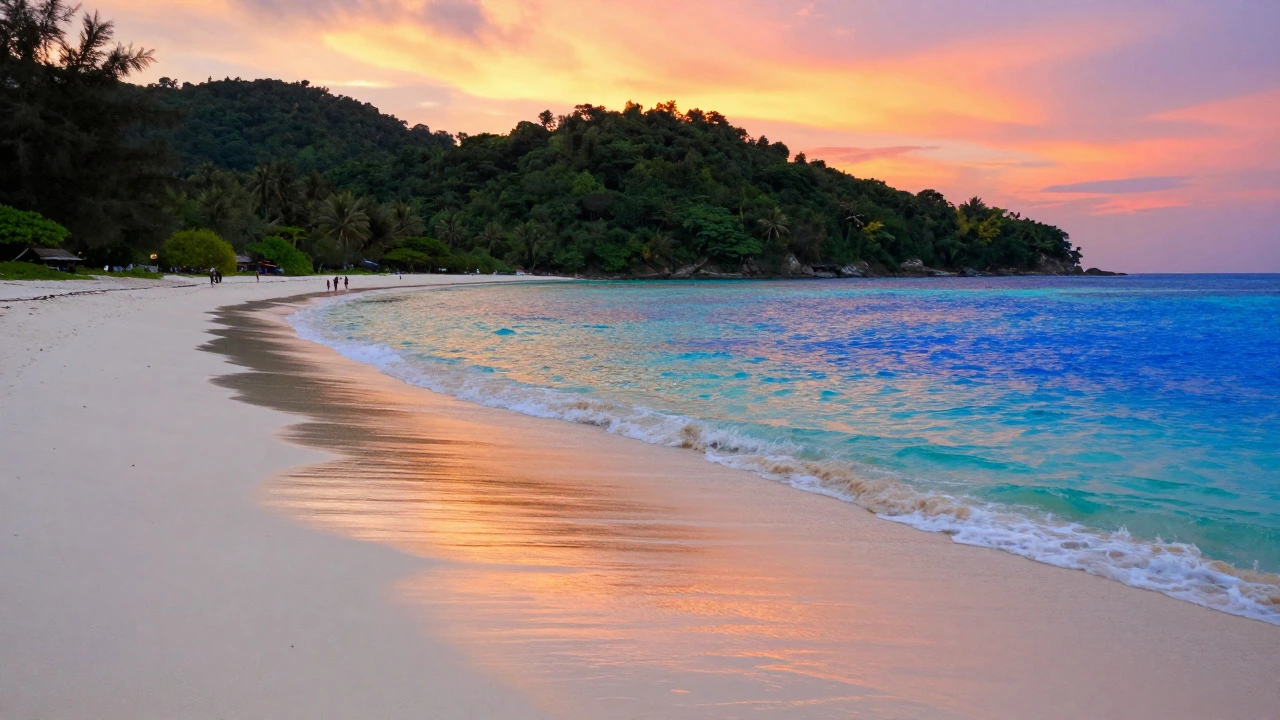
You cannot talk about blue water in India without mentioning Radhanagar Beach on Havelock Island (also known as Swaraj Dweep). Consistently ranked among the best beaches in Asia, Radhanagar lives up to the hype. During low tide, the water recedes, exposing vast stretches of wet sand that mirror the sky. As you wade out, the water transitions from clear glass to a vibrant turquoise. The backdrop of dense jungle hills adds contrast, making the blue pop even more. Sunset here is legendary, but the midday light reveals the true depth of the water’s color.
Eldorado Beach, Neil Island
Neil Island (Shaheed Dweep) is smaller and quieter than Havelock, which means less boat traffic and clearer water. Eldorado Beach is accessible only by walking through a narrow mangrove passage. Once you emerge onto the beach, you’re greeted by a crescent of golden sand and water that ranges from mint green to royal blue. The lack of large hotels directly on the beachfront helps maintain the natural balance. Snorkeling here reveals starfish, seahorses, and colorful parrotfish swimming just inches below the surface.
Jolly Buoy Island
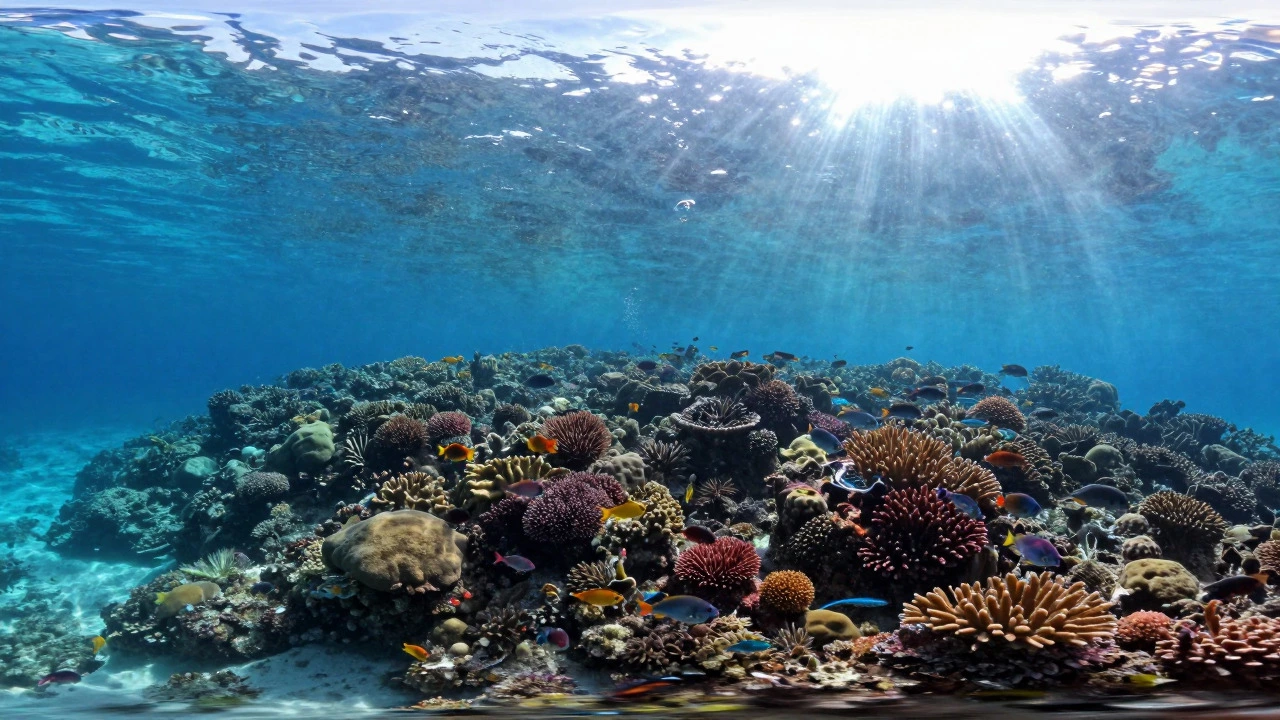
Located near Havelock, Jolly Buoy Island is famous for its coral garden. The water here is exceptionally clear because the island is essentially a submerged coral head. Glass-bottom boat rides are popular, but if you can swim, jumping in is the best experience. The visibility allows you to see the intricate structures of the coral reefs clearly. Note that access is restricted during certain months to allow the corals to recover, so check the seasonal regulations before planning your trip.
Practical Tips for Visiting These Blue Waters
Finding these beaches is only half the battle. Preserving them requires responsible travel. Here is what you need to know to make the most of your trip while keeping the water blue.
- Get Permits Early: For Lakshadweep, you must apply for a permit through the official tourism portal. Foreign nationals need special clearance. For Andaman, Indian citizens need no permit, but foreigners require an Restricted Area Permit (RAP), though many nationalities are exempt now. Always check the latest government guidelines.
- Use Reef-Safe Sunscreen: Chemical sunscreens containing oxybenzone and octinoxate bleach coral reefs and cloud the water. Look for mineral-based sunscreens with zinc oxide or titanium dioxide. This small choice protects the ecosystem that creates the blue water you came to see.
- Respect Closed Seasons: Both island groups have monsoon seasons. In Lakshadweep, June to September brings rough seas. In Andaman, October to November can be stormy. Visiting during the peak season (December to April) ensures calm, clear waters and better visibility.
- Book Ferries in Advance: Inter-island ferries in Andaman fill up quickly, especially on weekends. Private speedboats are faster but more expensive. Plan your route between Havelock, Neil, and North Bay islands carefully to maximize beach time.
Comparison: Lakshadweep vs. Andaman
| Feature | Lakshadweep | Andaman & Nicobar |
|---|---|---|
| Water Clarity | Exceptional (Coral Lagoons) | Excellent (Volcanic Reefs) |
| Accessibility | Flight + Boat (Permit Required) | Flight/Ferry (Easier Access) |
| Crowd Level | Very Low | Moderate to High |
| Best For | Seclusion, Luxury, Photography | Diving, Adventure, Variety |
| Cost | Higher (Limited Infrastructure) | Moderate (Wide Range of Options) |
When to Go for the Bluest Water
Timing is everything. Even in these pristine locations, weather affects water color. The best time to visit both Lakshadweep and Andaman is between November and May. During these months, the winds are gentle, the seas are calm, and the visibility is at its peak. Avoid the monsoon months (June to September) if clear water is your primary goal. The rain churns up the surface layer, reducing visibility and turning the water a murky grey-green. Even in the shoulder months of October and early June, you might encounter sudden squalls that disrupt your plans.
If you are looking for solitude, aim for February or March. The tourist rush hasn’t fully hit yet, but the weather is already warm and dry. By April and May, the heat intensifies, but the water remains invitingly cool and clear.
Preserving the Blue
These islands are fragile ecosystems. The coral reefs that create the blue water are threatened by warming oceans, plastic pollution, and irresponsible tourism. As visitors, we play a crucial role in their survival. Stick to marked paths when snorkeling. Don’t touch the coral-oils from your skin can harm them. Carry back all trash, including cigarette butts and bottle caps. Many local communities in Andaman and Lakshadweep run cleanup drives; joining them is a great way to give back.
India’s blue water beaches are not just vacation spots; they are biological treasures. By choosing to visit responsibly, you help ensure that future generations can also witness the stunning clarity of these island waters. Whether you choose the secluded lagoons of Lakshadweep or the vibrant reefs of Andaman, you’re in for an experience that rivals the world’s top beach destinations.
Does Goa have blue water?
Generally, no. While some parts of North Goa like Assagao may appear clearer during the dry season, the water is usually greenish-brown due to sediment runoff from rivers and coastal erosion. For truly blue water, you need to travel to the island territories of Lakshadweep or Andaman.
Is Lakshadweep safe for tourists?
Yes, Lakshadweep is very safe. It has low crime rates and a welcoming local community. However, because it is a protected ecological zone, you need a permit to enter. Also, medical facilities are limited, so travel insurance is recommended.
Can I swim in the blue waters of Andaman?
Yes, swimming is allowed in designated areas. Radhanagar Beach and other main beaches have calm zones suitable for swimming. However, always heed warning flags about currents or jellyfish. Snorkeling and scuba diving are also popular activities in the clear waters around Havelock and Neil Islands.
How do I reach Lakshadweep?
You can fly directly to Agatti Island from Kochi, Bangalore, or Trivandrum. Alternatively, you can take a bi-weekly passenger vessel from Kochi. Flights are faster but more expensive. Remember to book your permit well in advance.
What is the best month to see blue water in India?
The best months are December, January, and February. During this period, the weather is pleasant, the seas are calm, and visibility is highest. This is the peak tourist season, so book accommodations early.