Which Beach Is Most Visited by Foreigners in India? Top Coastal Hotspots
 Oct, 16 2026
Indian Beach Matchmaker
Answer three quick questions to find out which of India's top foreign-favorite beaches suits you best.
Best For
Key Activity
Accessibility
You land in India, step out of the airport, and the first thing you hear isn't a taxi driver's shout-it's a conversation in German, Russian, or French. If you are wondering which beach is most visited by foreigners in India, the answer isn't just one single spot on a map. It depends entirely on what kind of traveler you are. Are you chasing the legendary trance parties of Goa? Or are you looking for the pristine, untouched waters of the Andamans that rival the Maldives? The reality is that while Goa remains the undisputed king of international arrivals due to sheer volume and infrastructure, other destinations like Varkala and Havelock Island are rapidly stealing the spotlight for travelers who want more than just a sunbed.
Let's be honest: if you count raw numbers, North Goa wins every time. But if you look at engagement, spending habits, and repeat visits from long-haul tourists, the picture gets much more interesting. This guide breaks down exactly where international tourists go, why they choose these specific spots, and which beach might actually suit your vibe better than the crowded clichés.
The Undisputed King: Why Goa Still Leads the Pack
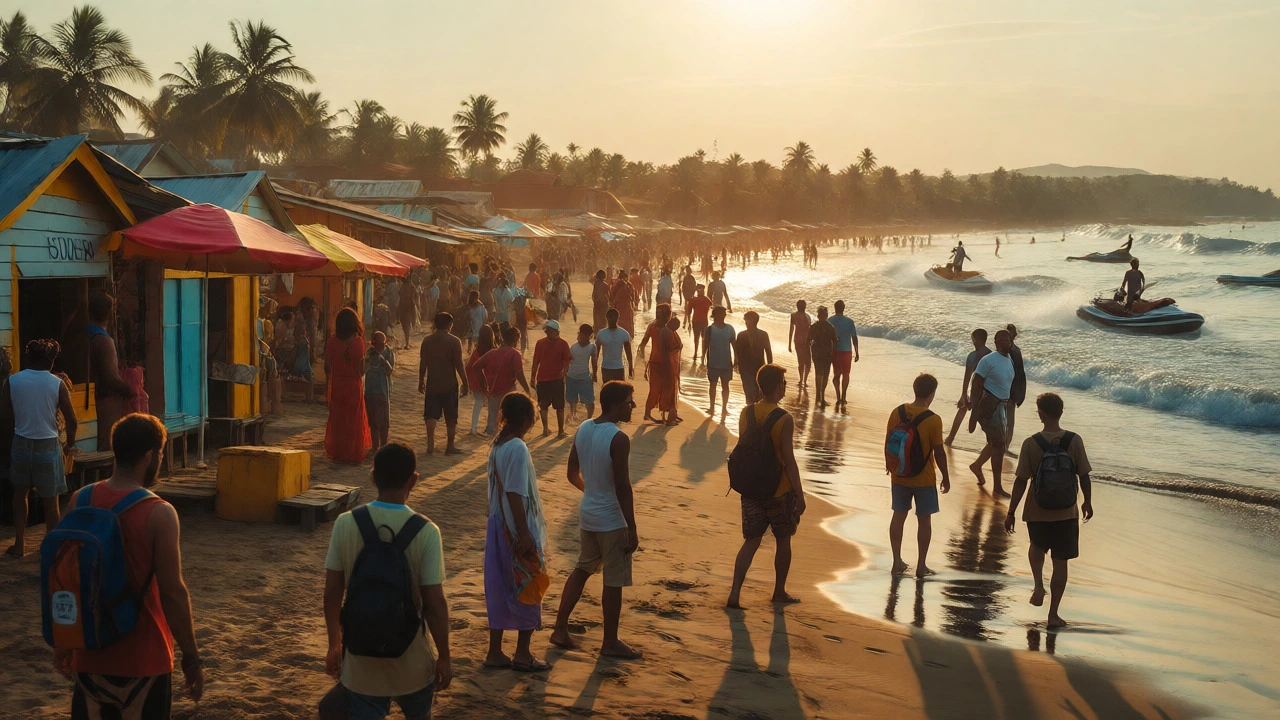
Goa is India’s smallest state but its largest tourist magnet, known globally for its Portuguese heritage, vibrant nightlife, and extensive coastline. For decades, it has been the default entry point for Western backpackers and luxury seekers alike. When we talk about the "most visited" beach, we are usually talking about the stretch between Baga and Anjuna in North Goa.
Why do foreigners flock here? It’s simple: accessibility and community. You can fly into Dabolim or Mopa airports, take a quick cab, and within an hour, you are surrounded by people from all over the world. The infrastructure is built for them. You find German bakeries, Israeli cafes, and Russian spas on almost every corner. For a solo traveler from Europe or Israel, Goa feels less like a foreign country and more like a familiar holiday hub with an exotic twist.
However, this popularity comes with a cost. During peak season (November to February), beaches like Baga and Calangute are packed shoulder-to-shoulder. If you hate crowds, Goa might feel overwhelming. But for those who love energy, music, and socializing, there is no substitute. The key is knowing which specific beach fits your profile:
- Baga Beach: High energy, water sports, and proximity to clubs like Tito’s Lane.
- Anjuna Beach: Famous for its flea market and alternative culture scene.
- Vagator Beach: Slightly quieter, with dramatic red cliffs and sunset views.
- Palolem Beach: Located in South Goa, favored by Europeans seeking tranquility and yoga retreats.
The Rising Star: Varkala’s Unique Cliffside Appeal
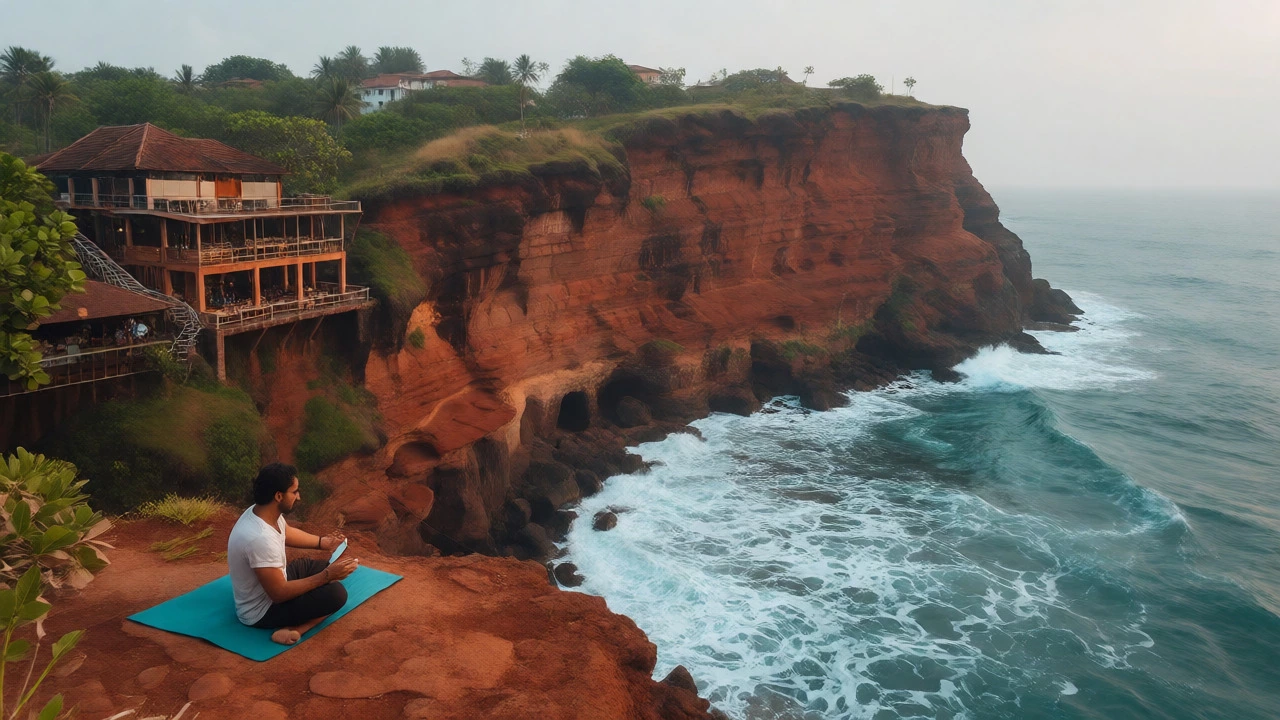
If Goa is the party animal, Varkala is a coastal town in Kerala known for its unique cliff formations overlooking the Arabian Sea and spiritual atmosphere. Over the last five years, Varkala has seen a massive surge in international visitors, particularly from France, Germany, and Israel.
What makes Varkala different? Geography. Unlike the flat sandy stretches of Goa, Varkala features a 15-meter high cliff running parallel to the shore. Hotels and cafes are perched on top, offering panoramic ocean views that you simply cannot get elsewhere in India. This creates a distinct aesthetic that appeals heavily to Instagram-savvy travelers and digital nomads.
Foreigners love Varkala because it offers a balance that Goa often lacks. It is relaxed but not dead. You can spend the morning doing yoga on the cliff edge, eat healthy vegetarian food at one of the many health-conscious cafes, and end the day watching a sunset that looks painted. The vibe is slower, more introspective, and significantly cleaner than the northern Goa beaches. It’s also much cheaper. A meal that costs ₹800 in North Goa might cost ₹300 in Varkala, stretching your budget without sacrificing quality.
The Paradise Factor: Andaman Islands’ Pristine Waters
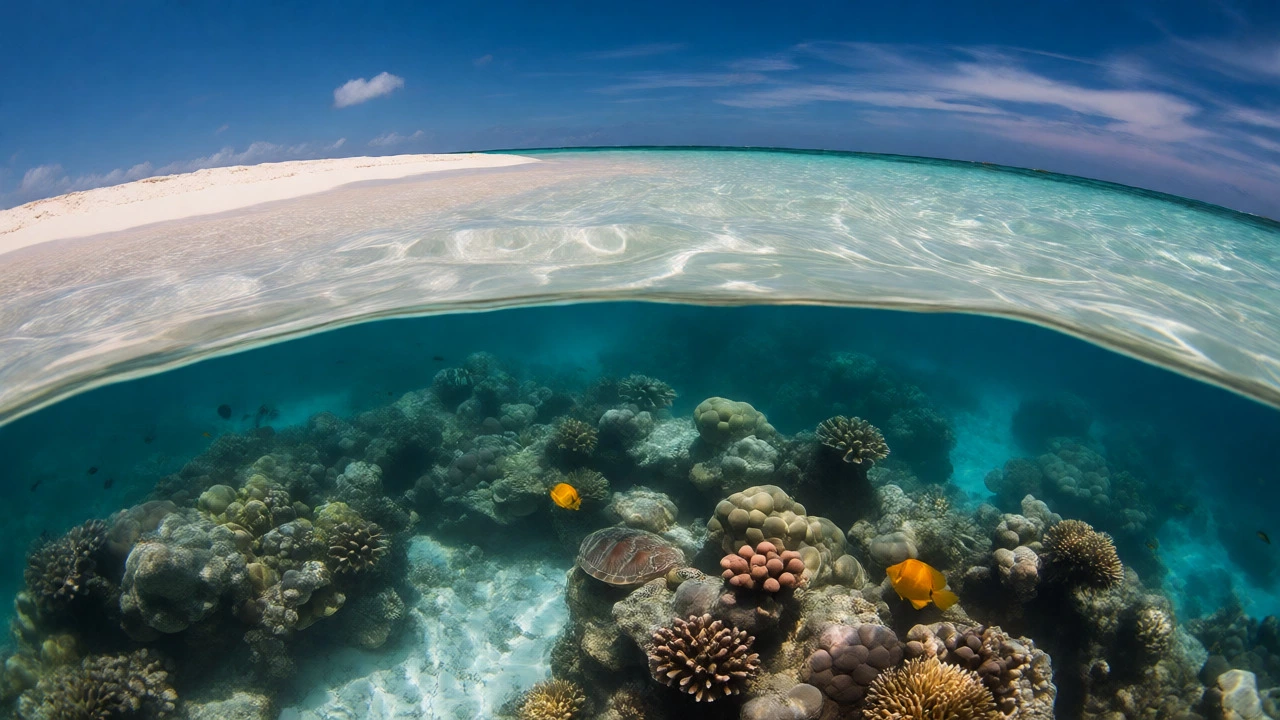
For travelers who have already seen Goa or want to avoid the commercialization of mainland beaches, the Andaman Islands are an archipelago in the Bay of Bengal renowned for coral reefs, white sand beaches, and clear turquoise waters. Specifically, Radhanagar Beach on Havelock Island (Swaraj Dweep) frequently tops global lists for best beaches in Asia.
Why are foreigners going here now? Because it looks like the Maldives but costs half as much. The water clarity is unmatched in India. While Goa’s water can be murky during monsoon or after heavy rains, the Andamans maintain a stunning blue hue year-round, except during the rough seas of July and August.
The catch? Accessibility. Getting to the Andamans requires a flight to Port Blair followed by a ferry ride to Havelock. This logistical hurdle filters out casual weekend tourists, leaving behind a crowd that is generally more respectful, eco-conscious, and interested in diving or snorkeling. If you are a scuba diver, Neil Island or Havelock are non-negotiable stops. The marine life here-turtles, rays, and vibrant corals-is visible even from the surface in many spots.
Comparing the Top Contenders for International Travelers
To help you decide, let’s look at how these top destinations stack up against each other based on criteria that matter to foreign visitors: cost, vibe, and activities.
| Feature | North Goa (Baga/Anjuna) | Varkala, Kerala | Havelock Island, Andamans |
|---|---|---|---|
| Primary Crowd | Backpackers, Party-goers, Families | Digital Nomads, Yogis, Couples | Divers, Luxury Seekers, Nature Lovers |
| Nightly Stay Cost (Avg) | $20 - $150+ | $15 - $80 | $40 - $200+ |
| Best Activity | Nightlife & Water Sports | Yoga, Surfing, Cafe Hopping | Scuba Diving, Snorkeling |
| Crowd Level | Very High | Moderate | Low to Moderate |
| Accessibility | Direct Flights, Easy Cab Access | Train/Airport + Short Taxi | Flight + Ferry Ride |
Beyond the Big Three: Niche Favorites for Long-Haul Travelers
While Goa, Varkala, and the Andamans dominate the headlines, savvy travelers often drift toward smaller, less saturated spots. These places don’t have the highest visitor counts, but they have extremely high satisfaction rates among foreigners who discover them.
Gokarna is a temple town in Karnataka that gained fame through the novel 'Shantaram', offering a rustic alternative to Goa. It attracts a younger, hippie crowd looking for Om Beach and Kudle Beach. The vibe is raw, unpolished, and deeply spiritual. There are no fancy resorts here; think bamboo shacks and hammocks. If you want to disconnect completely, Gokarna is perfect.
Then there is Auroville near Pondicherry, an experimental township founded in 1968, attracting intellectuals, artists, and long-term stayers from around the globe. While technically not a traditional "beach destination," the nearby Auroville Beach is a quiet stretch favored by residents and long-stay visitors. It’s clean, safe, and incredibly peaceful. You won’t find loud DJ sets here, but you will find some of the best coffee and organic food in India.
Practical Tips for Foreign Visitors to Indian Beaches
Visiting Indian beaches as a foreigner comes with a few cultural and practical nuances that aren't always obvious from travel brochures.
- Dress Code Matters: In Goa and the Andamans, bikinis are common and accepted. However, in Kerala (Varkala) and Karnataka (Gokarna), modesty is appreciated. Cover-ups are recommended when walking away from the immediate beach area or entering local shops.
- Monsoon Timing: Never plan a beach trip between June and September unless you enjoy rain. The sea becomes rough, swimming is often banned, and many businesses close. The ideal window is October to March.
- Alcohol Laws: Alcohol is freely available in Goa and the Andamans. In Gujarat (Dwarka/Somnath), it is dry. In Kerala, it is available but taxed heavily. Check local rules before booking if drinking is part of your holiday plan.
- Haggling: On beaches like Baga or Anjuna, prices for rentals (parasailing, jet skis) are negotiable. Start at 50% of the quoted price and work up. Fixed-price menus in cafes are safer bets for food.
Frequently Asked Questions
Is Goa safe for female solo travelers?
Yes, generally speaking, Goa is considered one of the safest places in India for female solo travelers, especially in tourist-heavy areas like North Goa. Violent crime against tourists is rare. However, standard precautions apply: avoid isolated beaches at night, use registered taxis or apps like Uber/Ola, and keep an eye on your belongings in crowded markets.
Which beach in India has the clearest water?
Radhanagar Beach on Havelock Island in the Andamans consistently ranks as having the clearest and bluest water in India. The isolation of the islands protects the water from mainland pollution and sediment runoff, resulting in visibility levels that are excellent for snorkeling and diving.
Do I need a visa to visit these beaches?
Most foreign nationals require a visa to enter India. Many countries are eligible for an e-Visa, which can be applied for online up to 120 days before arrival. Ensure your passport has at least six months validity and two blank pages. Some remote areas in the Andamans may require restricted area permits, though these are usually issued easily upon arrival for short stays.
Is Varkala better than Goa for families?
It depends on the age of your children. For teenagers and young adults, Goa offers more entertainment options like water parks and clubs. For younger children or families seeking relaxation, Varkala is often better due to its calmer atmosphere, cleaner environment, and lack of intense nightlife noise. However, note that Varkala’s beach access involves stairs due to the cliff, which can be tricky with strollers.
What is the best time to visit Indian beaches?
The peak season for all major Indian beaches is November to February. The weather is pleasant, humidity is lower, and the sea is calm. Prices are highest during December and early January due to holidays. For a balance of good weather and lower costs, consider visiting in late October or late February/March.
Final Verdict: Where Should You Go?
If you are asking which beach is most visited, the statistical answer is North Goa. It has the infrastructure, the flights, and the brand recognition. But if you are asking where you should go to have the best experience as a foreigner, the answer shifts.
Choose Goa if you want convenience, social interaction, and a lively scene. Choose Varkala if you want value, wellness, and a unique landscape. Choose the Andamans if you want paradise-like beauty and are willing to put in the extra travel effort. Each offers a different slice of the Indian coastal experience, and frankly, mixing two of them in one trip gives you the full picture of what India’s coastlines have to offer.