Which City Is Best for Trekking in India? Top Picks for 2026
 Nov, 6 2026
Trekking City Finder
Answer these questions to find the perfect trekking base camp for your next adventure.
Recommended Destination:
Why this fits:
Best Season:
Difficulty:
Key Highlight:
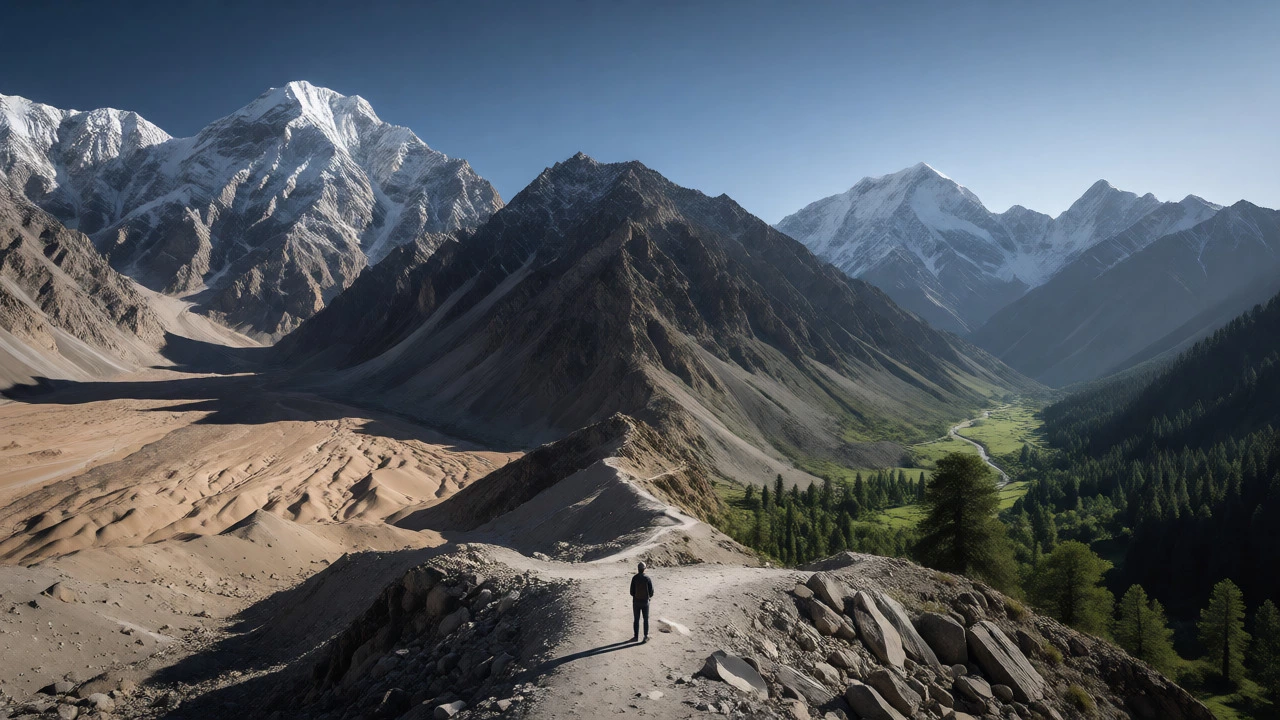
You’re standing at a crossroads. One path leads to the frozen passes of Leh, a high-altitude desert city in Ladakh known for its stark beauty and challenging trails. The other winds through the lush, misty forests of Munnar, a hill station in Kerala famous for tea plantations and moderate elevation hikes. So, which city is actually best for trekking?
The honest answer? There isn’t one. "Best" depends entirely on what you want from your adventure. Are you chasing adrenaline and altitude sickness? Or do you prefer gentle walks with panoramic views? In this guide, we’ll break down the top trekking hubs in India by region, difficulty, and vibe. We’ll help you decide whether the rugged north or the green south fits your boots better.
Understanding Your Trekking Style
Before you book a flight, ask yourself: What kind of trekker are you? This isn’t just about fitness levels; it’s about experience preference. Some people love the silence of snow-covered peaks. Others crave the chatter of local villages and the smell of wet earth after rain.
- The High-Altitude Addict: You want thin air, dramatic landscapes, and physical challenges above 10,000 feet. You don’t mind cold nights or basic accommodations.
- The Nature Lover: You prefer biodiversity, waterfalls, and dense forests. You like moderate elevations where you can breathe easily while walking.
- The Cultural Walker: You want history woven into your hike. Think ancient forts, monastery ruins, or colonial-era paths.
If you’re new to this, start with the Nature Lover category. It’s forgiving and rewarding. If you’ve done a few hikes before, maybe test the waters in the Cultural Walker bracket. Save the High-Altitude Addict label for when you’re ready to acclimatize properly.
The North: Where Mountains Touch the Sky
When most people hear "India trekking," they picture the Himalayas. And for good reason. The northern states offer some of the highest and most dramatic trails on Earth. But which city serves as the best base camp?
Manali, located in Himachal Pradesh, is arguably the most accessible gateway to high-altitude treks. It’s bustling, full of cafes, and has everything you need to gear up. From here, you can reach the Hampta Pass, a popular trail that crosses from the green Kullu Valley to the barren Spiti Valley. It’s a favorite for beginners because the infrastructure is solid, and guides are plentiful.
However, if you want isolation, look further north. Leh is the capital of Ladakh. It’s not just a city; it’s an entry point to the Changthang Plateau. Treks here, like the Markha Valley Trek, take you through remote villages and past turquoise lakes. The catch? You must spend two days acclimatizing in Leh before starting any trek. Skip this step, and you’ll be battling headaches and nausea instead of enjoying the view.
Then there’s Kedarnath, a sacred town in Uttarakhand. This is spiritual trekking. The path to the Kedarnath Temple is steep and crowded during peak season, but walking among pilgrims offers a unique cultural immersion. It’s less about solitude and more about shared human effort.
The West: Forts, Forests, and Monsoon Magic
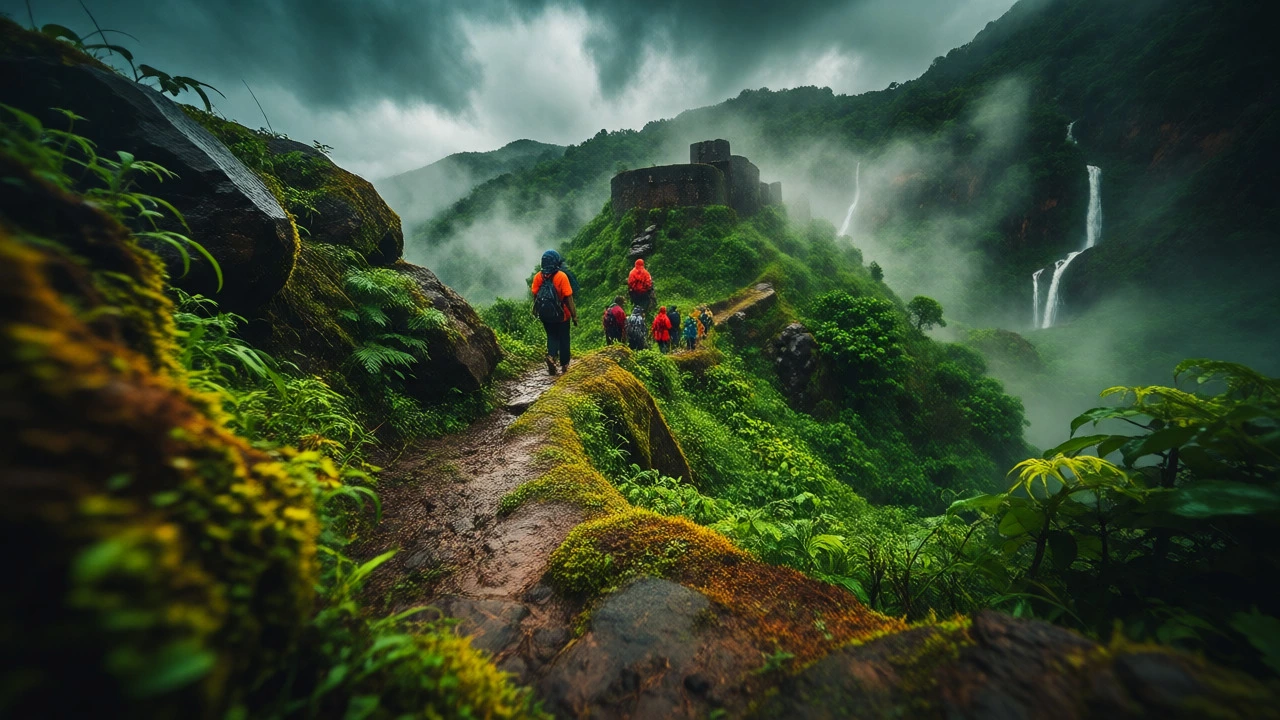
Move south-west, and the landscape changes dramatically. The Western Ghats, a UNESCO World Heritage mountain range running along India's western coast, offer a completely different trekking experience. Here, the air is heavy with moisture, and the trails are carpeted with moss.
Pune, in Maharashtra, is the unexpected hero of Indian trekking. Why Pune? Because it sits right next to the Sahyadri range. Within a two-hour drive, you can reach hundreds of forts. The Rajgad Fort, a historic hill fort associated with Chhatrapati Shivaji Maharaj, is a classic weekend trek. It’s manageable, historical, and offers stunning views of the Konkan coast.
But if you want pure wilderness, head to Matheran, Asia's only automobile-free hill station. Accessible only by foot or horseback, Matheran forces you to slow down. The trails here are narrow and winding, perfect for mindful walking. During monsoon (June to September), the waterfalls come alive, turning the entire area into a green paradise. Just watch out for leeches-they’re tiny, annoying, but harmless.
The South: Tea Gardens and Misty Peaks
Skip the high altitudes of the north if you hate the cold. The southern states offer comfortable temperatures year-round. The terrain is softer, the food is spicier, and the pace is slower.
Ooty, also known as Udhagamandalam, is a popular hill station in Tamil Nadu. While it’s touristy, the surrounding Nilgiri Hills have hidden gems. The Doddabetta Peak, the highest point in the Nilgiris, offers a short but steep climb. For longer treks, try the route to Catherine Falls, a scenic waterfall accessible via forest paths.
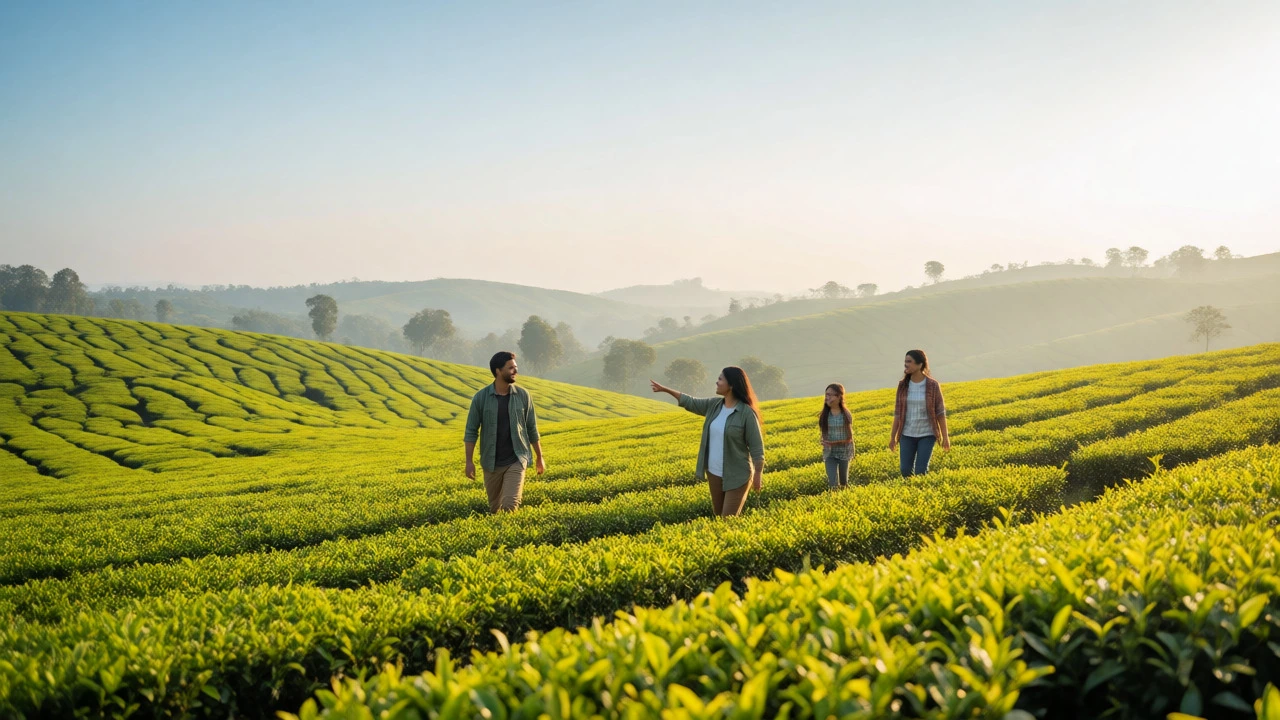
In Kerala, Munnar takes center stage. Imagine walking through endless rows of tea bushes. The Eravikulam National Park protects the endangered Nilgiri Tahr and offers controlled trekking zones. You won’t find extreme survival scenarios here. Instead, you get photography opportunities, bird watching, and easy trails suitable for families. It’s trekking without the trauma.
Comparing the Top Contenders
To make this easier, let’s compare the three main regions based on key factors. This table breaks down what you can expect from each hub.
| City/Region | Best For | Difficulty Level | Best Season | Key Highlight |
|---|---|---|---|---|
| Manali | High-altitude beginners & intermediates | Moderate to Hard | May - October | Hampta Pass & Solang Valley |
| Leh | Experienced trekkers seeking isolation | Hard | June - September | Markha Valley & Frozen Lakes |
| Pune | Weekend warriors & history buffs | Easy to Moderate | July - February | Forts like Rajgad & Sinhagad |
| Munnar | Families & nature lovers | Easy | All Year (Avoid heavy monsoon) | Tea Plantation Walks |
Practical Tips for Choosing Your Base Camp
So, how do you actually pick? Don’t just look at photos. Look at logistics.
First, check accessibility. Can you fly directly to the nearest airport? Leh has an airport, but flights are often cancelled due to weather. Manali requires a long drive from Chandigarh or Bhuntar. Pune has excellent rail and road connectivity. If you’re short on time, choose a city with reliable transport links.
Second, consider the cost. Trekking in the Himalayas can be expensive if you hire private guides and porters. In contrast, trekking around Pune is dirt cheap. Local groups organize trips for under $20. Munnar offers mid-range options. Budget accordingly.
Third, think about safety. High-altitude treks require insurance that covers helicopter evacuation. Not all travel policies include this. Check your policy before heading to Leh or Manali. In the Western Ghats, slip hazards are common during monsoon. Wear proper grip shoes.
Common Pitfalls to Avoid
Even seasoned travelers make mistakes. Here are the big ones.
- Underestimating Acclimatization: Flying straight into Leh and starting a trek the next day is a recipe for disaster. Give your body time to adjust to the oxygen levels.
- Ignoring Weather Windows: The Himalayas close in winter. Roads get blocked. Trails become icy. Plan your trip within the safe window listed in the table above.
- Overpacking: You don’t need five pairs of socks for a two-day trek. Keep your load light. Every extra kilogram hurts your knees on the descent.
- Relying Solely on Maps: Mobile signals vanish in many trekking zones. Download offline maps, but also carry a physical map or ask locals. Trust your instincts if the trail looks wrong.
Final Thoughts: Which City Wins?
If you want drama and challenge, go to Leh. It’s raw, beautiful, and unforgiving. If you want convenience and variety, choose Manali. It’s the Swiss Army knife of Indian trekking bases. If you want culture and ease, pick Pune. If you want relaxation and greenery, Munnar is your spot.
There’s no single "best" city. There’s only the best city for you right now. Pick the one that matches your energy level, budget, and dream landscape. Then lace up those boots and go.
Is trekking in India safe for solo travelers?
Yes, generally speaking. Popular routes in Manali, Rishikesh, and the Western Ghats are well-trodden and have plenty of fellow trekkers. However, always inform someone about your itinerary. In remote areas like Ladakh, it’s safer to join a group or hire a local guide.
Do I need special permits for trekking in India?
It depends on the location. Inner Line Permits are required for parts of Sikkim and Ladakh. Protected Area Permits are needed for certain restricted zones in Himachal Pradesh and Uttarakhand. Always check current regulations before booking, as rules change frequently.
What is the best time for trekking in the Western Ghats?
The post-monsoon months (September to November) are ideal. The landscape is vibrant green, waterfalls are flowing, and the weather is pleasant. Winter (December to February) is also good for clear views, though mornings can be chilly.
How much does a typical trek cost in India?
Costs vary widely. A weekend fort trek near Pune might cost $15-$30 including transport and meals. A week-long Himalayan trek with camping, guides, and permits can range from $300 to $800 per person depending on luxury level and duration.
Can beginners trek in Leh?
Beginners can attempt shorter, lower-altitude treks around Leh, such as the Shanti Stupa walk or nearby village trails. However, multi-day high-altitude treks like Markha Valley require prior hiking experience and careful acclimatization. Consult a doctor if you have heart or lung issues.