Which City Is Called California of India? The Adventure Hub You Need to Know
 Dec, 23 2025
Manali Adventure Budget Calculator
Adventure Activities
Total Adventure Budget
Prices are approximate and may vary based on operator and season. Always book through registered operators for safety.
There’s a place in India where the mountains scream for attention, rivers rage with white water, and the sky is the only limit. It’s not Goa. It’s not Rishikesh. It’s Manali - the city that earned the nickname California of India for one simple reason: it’s where adventure doesn’t just happen, it thrives.
Why Manali Got the California Title
California is known for its wild landscapes, adrenaline-pumping sports, and a culture that lives outside the box. Manali mirrors that exactly. Nestled in the Himalayas at 2,050 meters, it’s not just a pretty hill station. It’s a playground built for people who want to feel alive.
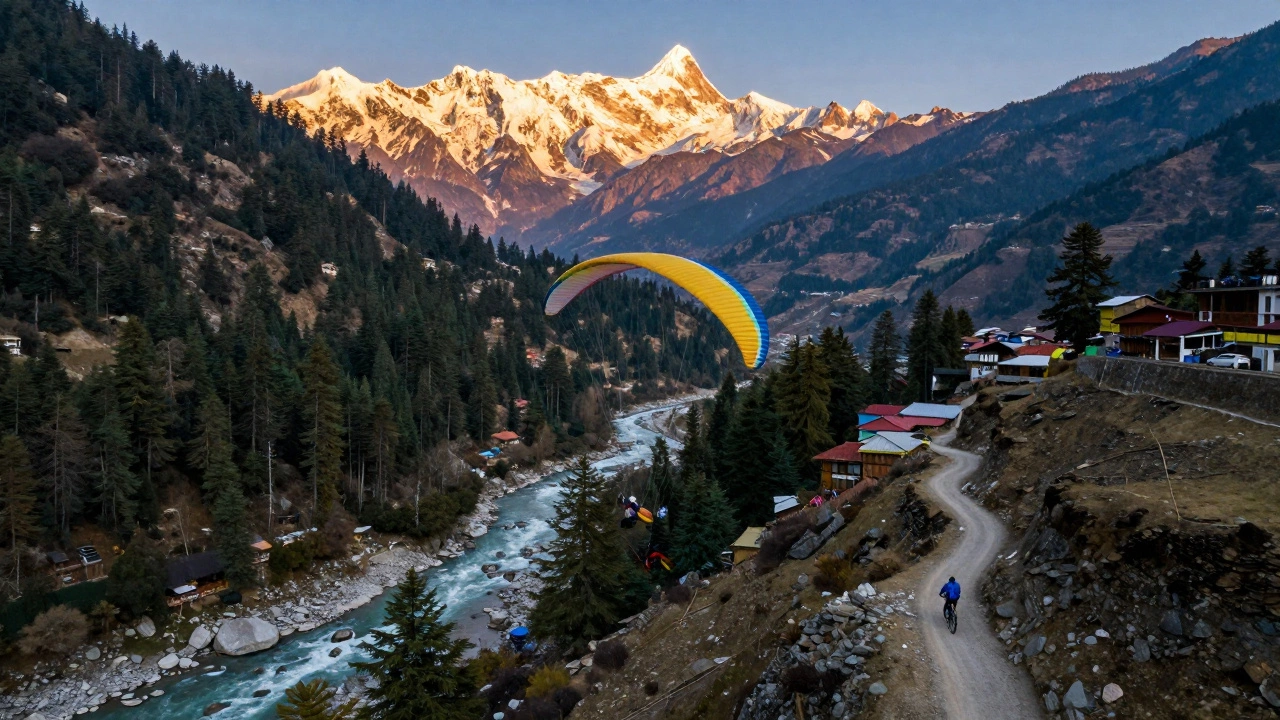
Unlike other Indian hill towns that focus on peace and prayer, Manali screams action. Paragliding over the Beas River. Rock climbing on icy cliffs. White-water rafting through Class III and IV rapids. Mountain biking down trails that drop 1,000 meters in under 10 kilometers. These aren’t tourist gimmicks - they’re daily routines here.
The comparison to California isn’t just about scenery. It’s about attitude. Locals and visitors alike treat adventure like a lifestyle. You don’t just watch someone paraglide - you sign up for it. You don’t just admire the snow-capped peaks - you hike to them before sunrise.
The Adventure Sports That Define Manali
Manali doesn’t offer one or two adventure activities. It offers a full menu - and most of them are world-class.
- Paragliding in Solang Valley is one of the most popular in Asia. You launch from 2,500 meters and glide over pine forests and river valleys. Tandem flights start at ₹1,500, and the views are better than any Instagram filter.
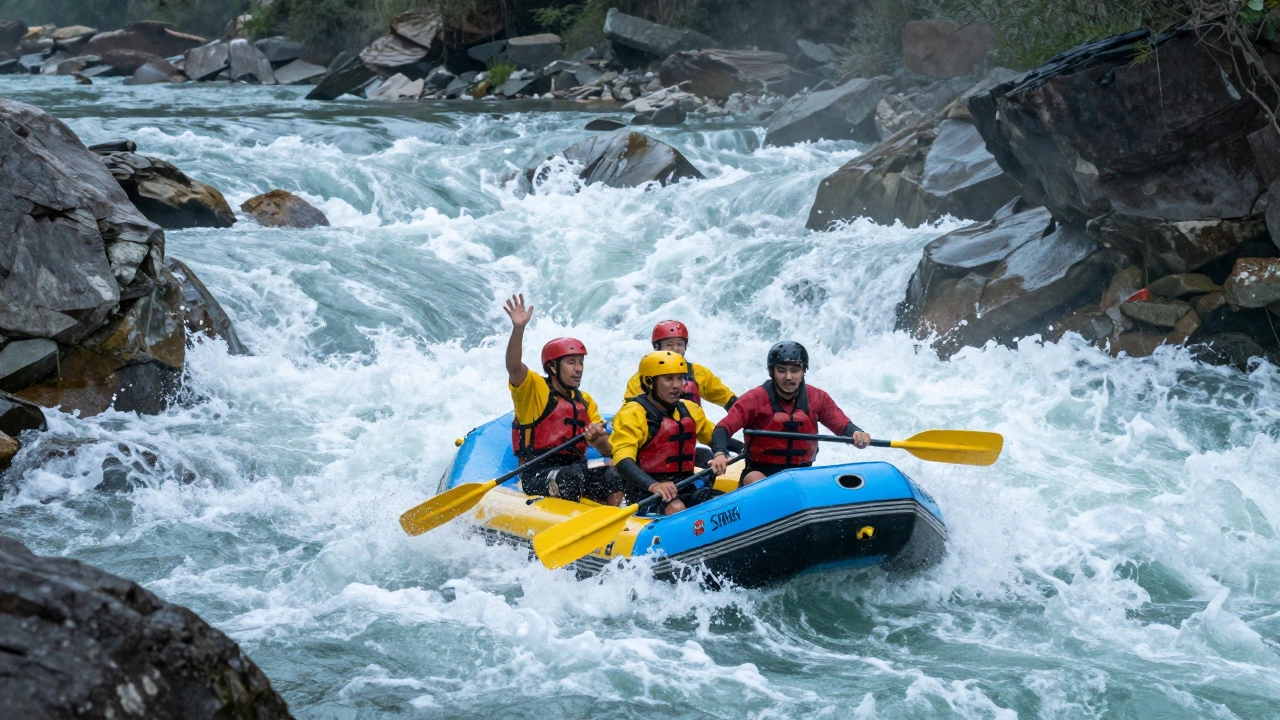
- White-water rafting on the Beas River runs from June to October. The stretch from Pirdi to Jogi Mahal has rapids that challenge even experienced rafters. Local operators like Himalayan River Runners have a 99% safety record and trained guides who’ve navigated these waters for over 15 years.
- Rock climbing happens on natural granite faces near Manu Temple and the Old Manali cliffs. Climbing routes range from beginner-friendly (Grade 3) to expert-only (Grade 8). Gear rentals cost ₹300/day, and instructors are certified by the Indian Mountaineering Foundation.
- Mountain biking on the Rohtang Pass route is a bucket-list ride. The 52-kilometer descent from the pass to Manali drops over 2,000 meters. You’ll pass through snow patches, pine tunnels, and villages where time seems to have stopped.
- Skiing in Solang Valley started gaining traction after 2018. Now, artificial snow slopes operate from December to February. Ski lessons for beginners start at ₹1,200/hour, and rentals include boots, skis, and helmets.
These aren’t seasonal afterthoughts. They’re year-round industries. Over 200 adventure operators run licensed businesses in and around Manali. The Himachal Pradesh government even created a dedicated Adventure Tourism Policy in 2023 to standardize safety and training.
Manali vs. Other Indian Adventure Hubs
People often compare Manali to Rishikesh or McLeod Ganj. But the differences are stark.
| Activity | Manali | Rishikesh | McLeod Ganj |
|---|---|---|---|
| Paragliding | Yes - high-altitude, 2,500m launch | No | Yes - limited, lower elevation |
| White-water Rafting | Class III-IV rapids, Beas River | Class II-III, Ganges River | No |
| Rock Climbing | Natural granite cliffs, multiple grades | Minimal, mostly bouldering | None |
| Mountain Biking | Extreme descents, Rohtang Pass route | Flat terrain, short trails | Medium trails, Dharamshala to Bhagsu |
| Skiing | Artificial slopes, Dec-Feb | No | No |
| Year-round activity | Yes - all 12 months | Yes - but limited to water sports | Mostly trekking and yoga |
Manali wins on variety, altitude, and intensity. Rishikesh is spiritual with a side of rafting. McLeod Ganj is about meditation and Tibetan culture. Manali? It’s about pushing your body to its edge - and loving every second of it.
Who Goes to Manali for Adventure?
It’s not just backpackers anymore. The crowd has changed.
In 2024, over 1.2 million tourists visited Manali specifically for adventure sports. That’s up 47% from 2020. The biggest growth? Professionals aged 28-45. Corporate workers taking a week off to paraglide. Parents bringing teens to learn rock climbing. Even retirees signing up for guided treks to Hampta Pass.
Why? Because adventure isn’t just for the young anymore. It’s for anyone who wants to feel something real. Manali doesn’t care if you’re 19 or 59. If you’re willing to try, they’ll help you do it safely.
What You Need to Know Before You Go
Manali isn’t hard to reach, but it’s not a casual getaway either.
- Best time to visit: March-June and September-November. Avoid monsoon (July-August) and extreme cold (December-February) unless you’re skiing.
- Altitude sickness: Manali sits high. Drink plenty of water. Take it slow the first day. Most people adapt in 24-48 hours.
- Booking: Don’t wait until you arrive. Popular operators like Himalayan Adventures and Snow Leopard Expeditions fill up weeks ahead during peak season.
- Cost: A full-day paragliding trip costs ₹2,000-₹2,500. Rafting is ₹1,800-₹2,200. Gear rentals are affordable - most places include helmets and harnesses.
- What to pack: Layered clothing, waterproof jacket, good hiking boots, sunscreen (UV is intense at altitude), and a power bank. Phones die fast in the cold.
And here’s the secret: you don’t need to be an athlete. Most activities are designed for beginners. Guides do the hard work. You just show up with curiosity.
Beyond the Thrills - The Real Reason Manali Stays With You
Manali doesn’t just give you adrenaline. It gives you perspective.
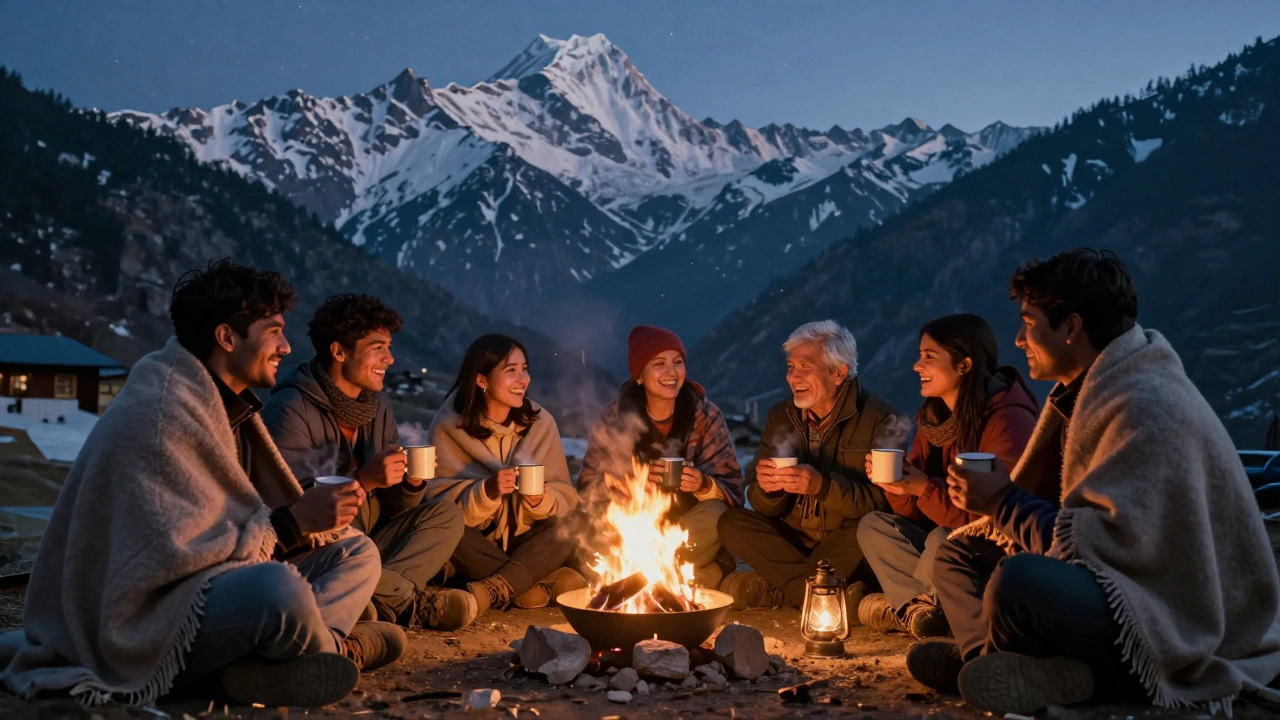
After a day of rafting, you sit by a campfire with strangers who become friends. You hear stories from local guides who’ve lived here their whole lives - how the snow used to come earlier, how the rivers changed, how tourism saved their villages.
It’s not just about the sport. It’s about the people. The way a tea shop owner remembers your name after one visit. The way a climbing instructor stays late to help you get the right grip. The way silence feels different when you’re surrounded by mountains that have stood for thousands of years.
That’s why people come back. Not just for the thrills. But for the feeling.
Final Thought: Is Manali Really the California of India?
Yes - but not because it’s the same. It’s because it’s the only place in India that matches California’s spirit: freedom, risk, beauty, and the courage to try.
If you’ve ever dreamed of flying over a Himalayan valley, racing down a river that carved its path through stone, or standing on a ridge with nothing but wind and sky - Manali isn’t just a destination. It’s your answer.
Why is Manali called the California of India?
Manali is called the California of India because it’s the country’s top destination for extreme adventure sports like paragliding, white-water rafting, rock climbing, and skiing. Like California, it combines stunning natural landscapes with a culture that embraces risk, freedom, and outdoor living - making it the only Indian city that truly mirrors California’s adventurous spirit.
Is Manali safe for beginners in adventure sports?
Yes. Most adventure operators in Manali cater to beginners with certified guides, safety gear, and short training sessions before each activity. Paragliding and rafting are especially beginner-friendly. Always choose government-registered operators - they follow strict safety norms set by the Himachal Pradesh Tourism Board.
Can I do adventure sports in Manali during winter?
Yes - but only specific ones. Skiing and snowboarding are available in Solang Valley from December to February. Trekking to Hampta Pass is possible with proper gear. Rafting and paragliding stop during heavy snow. Always check weather conditions before booking.
How many days do I need in Manali for adventure sports?
Three to five days is ideal. One day for paragliding, one for rafting, one for mountain biking or rock climbing, and two extra days to recover or explore nearby trails. Rushing through activities reduces safety and enjoyment.
Is Manali better than Rishikesh for adventure?
If you want variety and intensity, Manali wins. Rishikesh is great for river rafting and yoga, but it lacks high-altitude sports like paragliding, skiing, and technical rock climbing. Manali offers more types of adventure, higher elevations, and more challenging terrain.
Do I need to be fit to do adventure sports in Manali?
You don’t need to be an athlete, but basic fitness helps. You should be able to walk 5-6 kilometers without stopping and handle mild altitude. Most activities include physical warm-ups and guides adjust the pace for your level. If you have heart or breathing issues, talk to your doctor first.
What’s the cheapest way to try adventure sports in Manali?
Mountain biking is the most affordable - you can rent a bike for ₹300-₹500/day and ride on local trails without a guide. Trekking to Jogini Falls or Hadimba Temple is free and offers stunning views. Paragliding and rafting are pricier, but group discounts are common - ask for a 4-person package to save up to 20%.