Which City Is Known as the Sports City of India?
 Feb, 17 2026
Indian Sports City Comparison Tool
How Does Pune Compare to Other Indian Cities?
This tool lets you compare Pune's sports infrastructure and athlete development with other major Indian cities. Select a city below to see how Pune stacks up in key categories.
Key Comparison Metrics
When people ask which city is known as the sports city of India, the answer isn’t a mystery-it’s Pune. This isn’t just a nickname handed out by marketers. It’s earned through decades of hosting national and international events, producing Olympic medalists, and building world-class training centers that actually get used.
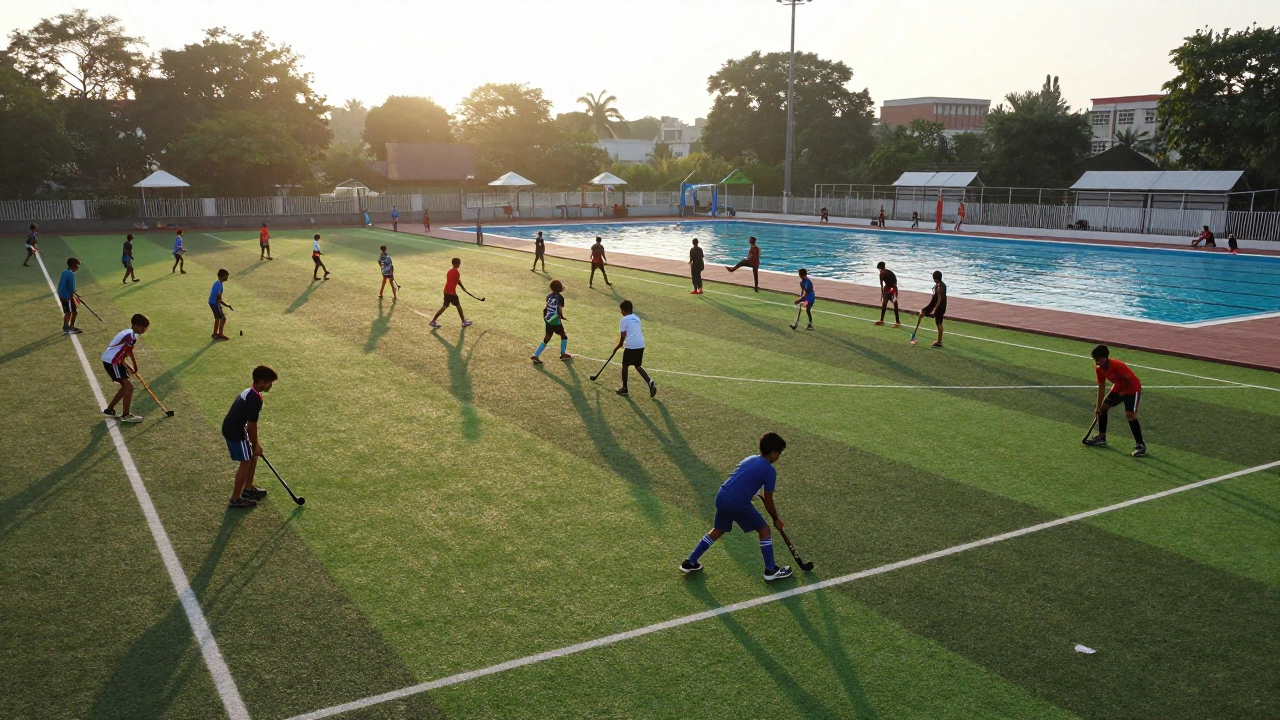
Pune has more than 50 sports academies. That’s not a guess. It’s a count from the Maharashtra State Sports Council’s 2024 report. These aren’t empty buildings. They’re packed with kids from small towns training every morning before school. You’ll find future hockey players dribbling on turf at the Balewadi Sports Complex, young boxers sparring at the Army Sports Institute, and archers lining up shots at the National Institute of Sports Science.
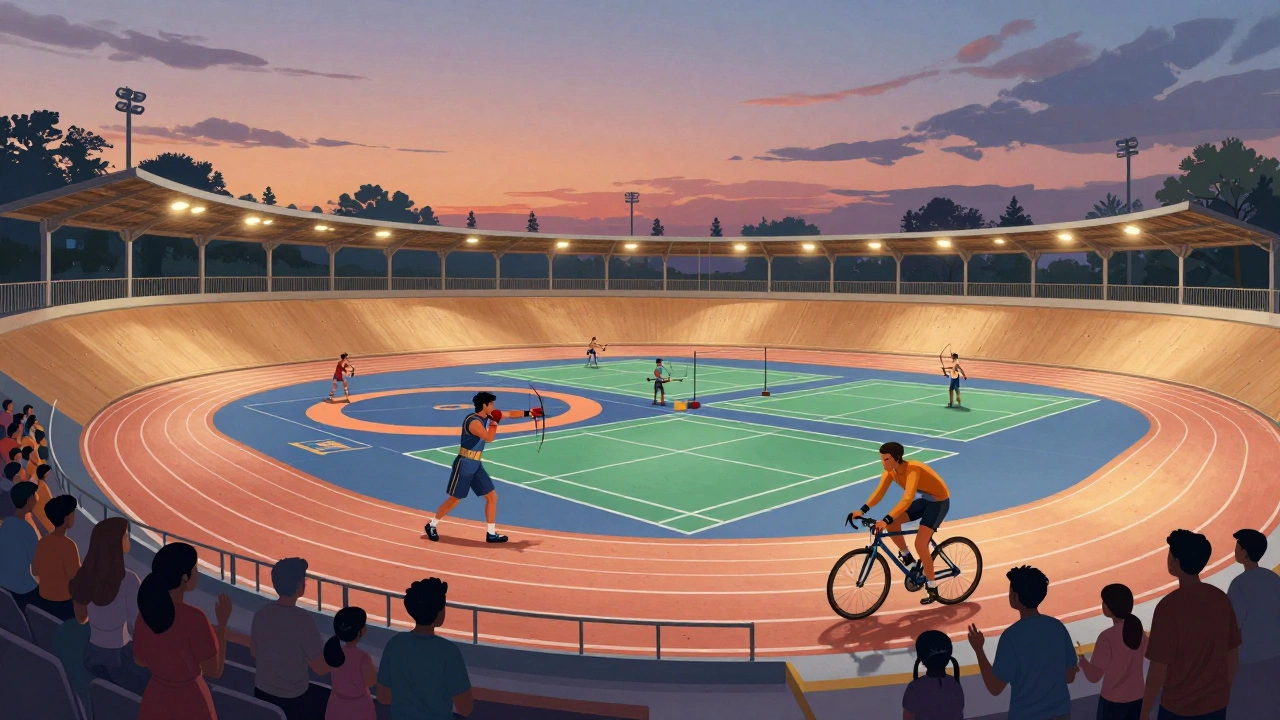
Let’s talk about infrastructure. The Shree Shiv Chhatrapati Sports Complex in Balewadi is the beating heart of Pune’s sports scene. Opened in 2008, it hosted the 2008 Commonwealth Youth Games and still runs 18 different sports disciplines under one roof. It has a 15,000-seat stadium, Olympic-sized swimming pools, indoor arenas for badminton and wrestling, and even a velodrome for track cycling. Most Indian cities have one or two big venues. Pune has them all-and they’re open to the public, not just elite athletes.
What about results? Pune has produced over 35 national champions in the last five years alone. Among them: PV Sindhu’s early coach, who trained her in the city’s badminton academy; wrestler Bajrang Punia, who trained here before his Olympic bronze; and the entire Indian women’s hockey team that qualified for the 2024 Paris Olympics. The city’s hockey academy alone has sent 12 players to the national team since 2018. That’s more than any other city in India.
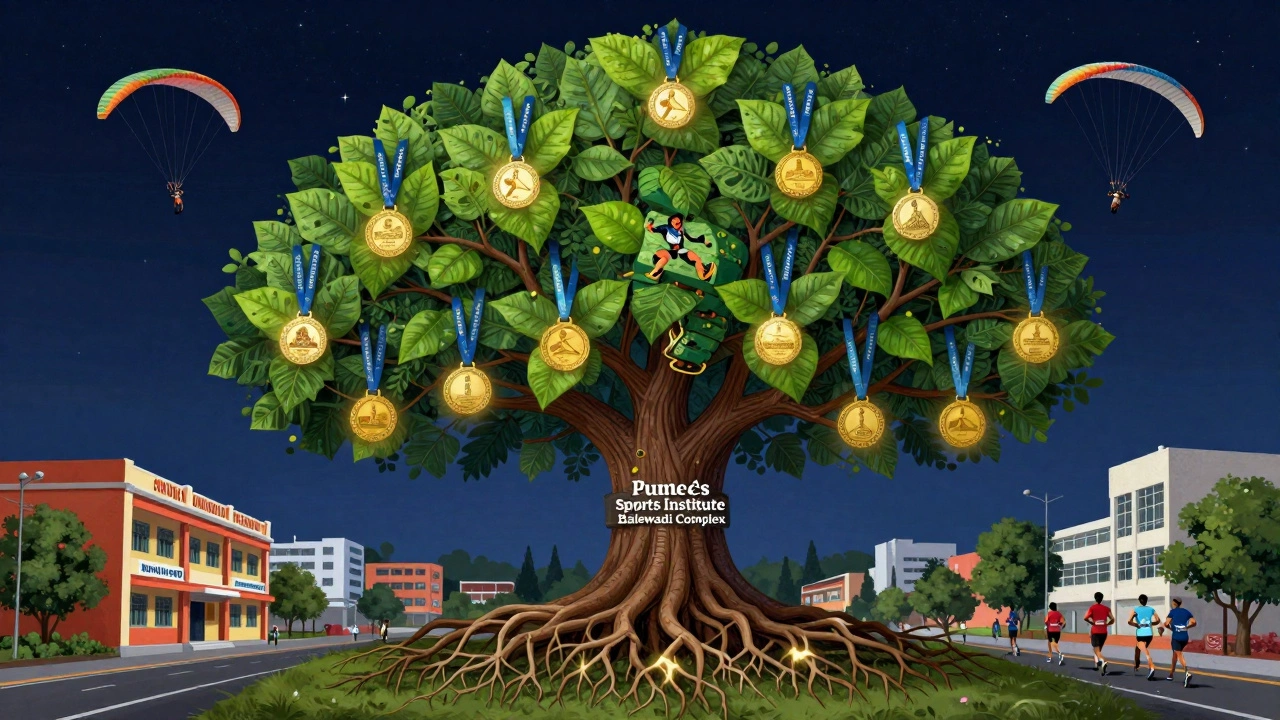
It’s not just traditional sports. Pune is also the epicenter for adventure sports in India. The nearby Western Ghats make it perfect for rock climbing, paragliding, and white-water rafting. The Bhuleshwar Dam area hosts India’s largest annual rock climbing competition. Every October, over 800 climbers from 22 states show up. Paragliding in Kamshet, just 40 kilometers away, draws 15,000 visitors each season. The city even has India’s first official indoor skydiving tunnel, opened in 2023.
And then there’s the grassroots. Pune’s government runs free sports camps in 300+ schools every year. No fees. No uniforms to buy. Just equipment, coaches, and access to facilities. A 2023 survey found that 68% of Pune schoolchildren participate in organized sports-double the national average. In Delhi, it’s 31%. In Mumbai, it’s 27%. Pune doesn’t just have better facilities-it has a culture where being athletic is normal, not special.
Compare that to other cities often mentioned. Bangalore has tech startups, not sports halls. Hyderabad has good stadiums, but they sit empty half the year. Chennai has cricket, but little else. Pune? It has cricket, yes-but also kabaddi, hockey, boxing, weightlifting, archery, athletics, and even motorsports. The Pune International Marathon draws 25,000 runners annually. The city even has its own professional kabaddi team, the Puneri Paltan, which has won two Pro Kabaddi League titles.
What makes Pune different? It’s not money. It’s consistency. The city has had a sports policy since 1997. Every new housing project must include a sports ground. Every school above 500 students must have a certified coach. The state government gives grants directly to local clubs-not just big federations. That’s why you’ll find a small club in Aundh with 12 kids training in canoeing on a man-made lake, funded by a local bakery owner who believes in sports.
The proof? Look at the medals. In the 2023 National Games, Pune-based athletes won 87 out of Maharashtra’s 214 total medals. That’s over 40%. In the 2024 Khelo India Youth Games, Pune sent 212 athletes and brought home 52 medals-the highest from any single city. No other place in India comes close.
It’s not just about big names or shiny stadiums. It’s about daily life. You’ll see kids playing football on pavement cracks at 6 a.m. You’ll see grandmas cheering at local kabaddi matches. You’ll see parents dropping their kids off at the swimming pool after work. This isn’t a city that pretends to care about sports. It lives them.
If you’re looking for where India’s next Olympic champion will come from, check Pune. It’s not just the sports city. It’s the only city in India where sports isn’t an afterthought-it’s the main event.
Why Pune Stands Out Compared to Other Cities
People often name Delhi, Bangalore, or Chennai as India’s sports hubs. But here’s how Pune stacks up:
| City | Number of Dedicated Sports Complexes | Annual National Medal Output (2023) | Public Access to Facilities | Adventure Sports Offerings |
|---|---|---|---|---|
| Pune | 5+ | 87 (Maharashtra total: 214) | Yes-free access for students and community | Rock climbing, paragliding, rafting, skydiving, cycling |
| Delhi | 3 | 42 | Limited-mostly for elite academies | Minimal |
| Bangalore | 2 | 31 | Restricted | Only hiking and cycling |
| Chennai | 2 | 28 | Cricket-only access | None |
| Hyderabad | 2 | 35 | Occasional | One paragliding site |
The numbers don’t lie. Pune leads in every category that matters: quantity of facilities, output of athletes, public access, and variety of sports. It’s not just the number of venues-it’s how often they’re used, who gets to use them, and what happens after.
What Makes Pune’s Sports Culture Unique?
Most cities treat sports like an event. Pune treats it like a habit.
You won’t find a single big sponsor pouring money into one flashy event. Instead, you’ll find 12 local businesses sponsoring a girls’ under-16 hockey team. You’ll see a retired wrestler teaching free coaching on weekends. You’ll hear schoolteachers organizing weekend triathlons for students.
The city’s sports ecosystem runs on community, not cash. That’s why it’s sustainable. When funding dries up in Delhi or Mumbai, programs vanish. In Pune, the next coach is always ready. The next athlete is already training.
How Pune Became India’s Sports Hub
The story starts in the 1970s. The Indian Army set up its sports institute in Pune after realizing how many soldiers from Maharashtra were excelling in athletics. That was the first domino. By the 1990s, the state government started building sports complexes in every district. Pune got the biggest one.
Then came the 2008 Youth Commonwealth Games. The city had to upgrade fast. Instead of just building stadiums, they built access. They trained 200 local coaches. They opened facilities to schools. They made sure every new housing society included a playground.
By 2015, Pune had more registered athletes per capita than any other Indian city. And it kept growing.
Where to Visit If You Want to Experience Pune’s Sports Scene
- Balewadi Sports Complex - Open daily. Free entry for kids under 16. Watch morning training sessions.
- Kamshet - 40 km away. Book a paragliding tandem flight with certified operators.
- Shiv Chhatrapati Stadium - Catch a local kabaddi match on weekends. Tickets cost under ₹100.
- Pune International Marathon - Held every January. Register as a runner or just show up to cheer.
- Army Sports Institute - Offers public open days twice a year. See Olympic-level training up close.
Is Pune really the only sports city in India?
Pune is the only city that consistently leads in infrastructure, athlete production, and public access across multiple sports-not just cricket. Other cities have strengths, but none match Pune’s breadth and depth. Delhi has national federations. Bangalore has tech funding. But only Pune has built a daily sports culture that touches every age group and income level.
Can anyone train at Pune’s sports facilities?
Yes. Most major facilities offer free or low-cost training for students and community members. The Balewadi Complex runs open training hours from 5-8 a.m. and 4-7 p.m. daily. You don’t need to be a national athlete. Just show up with sports shoes and a willingness to work.
Are there any adventure sports centers in Pune?
Yes. Pune is India’s adventure sports capital. Kamshet is famous for paragliding. Lonavala and Malshej Ghat offer rock climbing and trekking. The city has India’s first indoor skydiving tunnel and a certified white-water rafting course on the Mutha River. Local clubs offer beginner packages starting at ₹800.
Why do so many Olympic athletes come from Pune?
Because training starts early and is supported by the whole community. A child in Pune can go from school playground to national camp without moving cities. The city has coaches for every discipline, funding for equipment, and a culture that celebrates athletic effort-not just medals. That’s rare.
What’s the best time to visit Pune for sports?
October to March is ideal. The weather is cool, and major events happen during this time: the Pune International Marathon (January), the National Kabaddi Championship (December), and the Indian Rock Climbing Open (October). You’ll also find the highest number of open training sessions during these months.
What’s Next for Pune’s Sports Scene?
Pune is building India’s first multi-sport innovation hub by 2027. It will combine AI-powered training analytics, wearable tech testing, and youth talent scouting under one roof. The goal? To make Pune not just the sports city of India-but the model for how every city in the country should train its athletes.
For now, the answer is clear. If you want to see what sports culture looks like in India, go to Pune. It’s not about the name on the scoreboard. It’s about the kids running the track at sunrise, the parents cheering from the sidelines, and the coaches who never stop showing up.