Which Country Is Famous for Dark Tourism? Top Destinations and Why They Matter
 Dec, 2 2025
Ethical Dark Tourism Checklist
This tool helps you assess your ethical preparedness for visiting sites of historical suffering. Based on guidelines from the article, select behaviors you plan to follow at dark tourism sites.
Ethical Behavior Checklist
Your Ethical Assessment
Your ethical score will appear here
No assessment yet
When you think of travel, you probably imagine sun-soaked beaches, bustling markets, or serene mountain views. But for a growing number of travelers, the most powerful trips are the ones that take them to places where something terrible once happened. These are the sites of war, genocide, disaster, and execution - places that draw visitors not for escape, but for understanding. The country most famous for dark tourism isn’t just one place - it’s a network of haunting landmarks that pull millions each year. And while India doesn’t lead the global rankings, it holds some of the most emotionally charged sites on the planet.
Why Dark Tourism Draws People
People don’t visit Auschwitz or the Killing Fields out of morbid curiosity alone. They go because history isn’t just in books - it’s in the soil, the walls, the silence between footsteps. Dark tourism offers a raw, unfiltered connection to the past. A study by the University of Central Lancashire found that over 60% of visitors to dark sites say they leave with a deeper sense of empathy, not just facts. These places force you to confront uncomfortable truths: how quickly societies collapse, how ordinary people can become part of systems of cruelty, and how memory survives even when bodies don’t.
It’s not about thrill-seeking. It’s about bearing witness.
The Global Leaders in Dark Tourism
When it comes to dark tourism, no country has more recognized sites than Poland. Auschwitz-Birkenau alone draws over two million visitors annually - more than any other single dark site in the world. It’s not just the scale, but the preservation. The original barracks, the railroad tracks, the personal belongings of victims - all left as evidence. This isn’t a museum with glass cases. It’s a landscape of grief.
Japan’s Hiroshima Peace Memorial Park is another anchor. The Atomic Bomb Dome, frozen in time after the 1945 blast, stands as a silent plea for nuclear disarmament. Visitors leave origami cranes - a symbol of peace - tied to fences and statues. The site doesn’t glorify tragedy. It asks: Will we let this happen again?
Then there’s Cambodia. The Tuol Sleng Genocide Museum, once a high school turned torture prison under Pol Pot, holds thousands of photographs of victims. The walls still bear chains. The chairs are still in place. No reenactments. No special effects. Just the truth, preserved.
These places aren’t tourist traps. They’re memorials that demand silence.
India’s Dark Tourism Sites: Hidden in Plain Sight
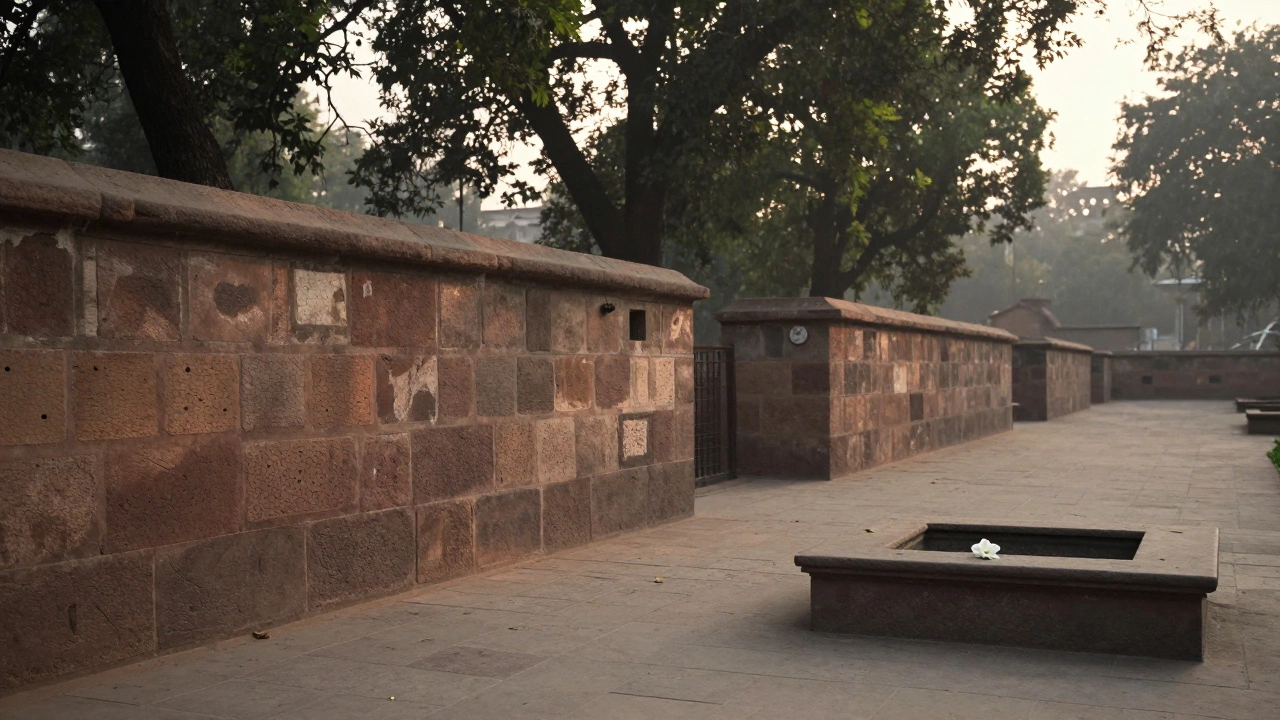
India doesn’t market itself as a dark tourism destination. But it has sites that carry the weight of history as heavily as any in Europe or Asia. The Jallianwala Bagh in Amritsar is one of them. On April 13, 1919, British troops fired on a peaceful crowd of unarmed civilians gathered for a festival. Over 1,000 people were killed. The bullet marks on the walls are still visible. The well where people jumped to escape the gunfire still stands. There’s no ticket booth. No gift shop. Just a memorial garden and the echo of a nation’s pain.
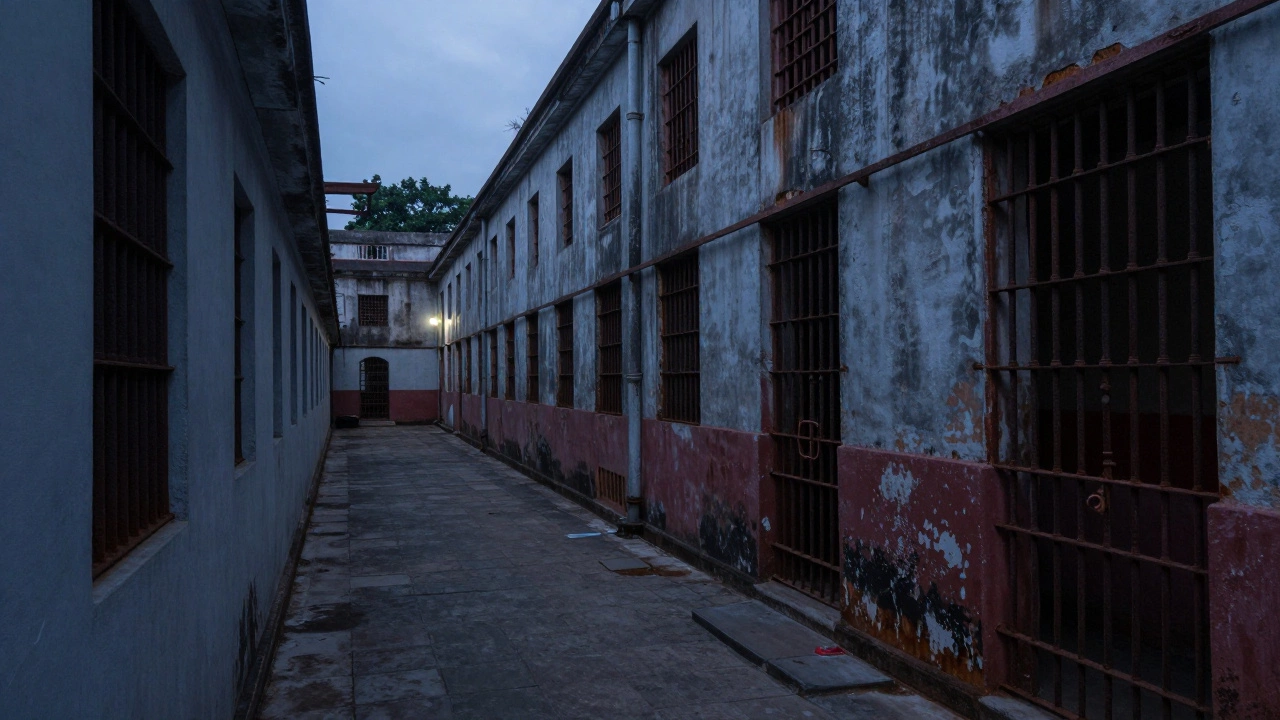
Then there’s the Cellular Jail in Port Blair, Andaman Islands. Built by the British to isolate Indian freedom fighters, it held revolutionaries like Vinayak Damodar Savarkar. The cells were designed to break the spirit - solitary confinement, no light, no contact. Today, the jail’s sound and light show doesn’t dramatize history. It lets the silence speak. Visitors walk through the same corridors where men screamed in isolation for years.
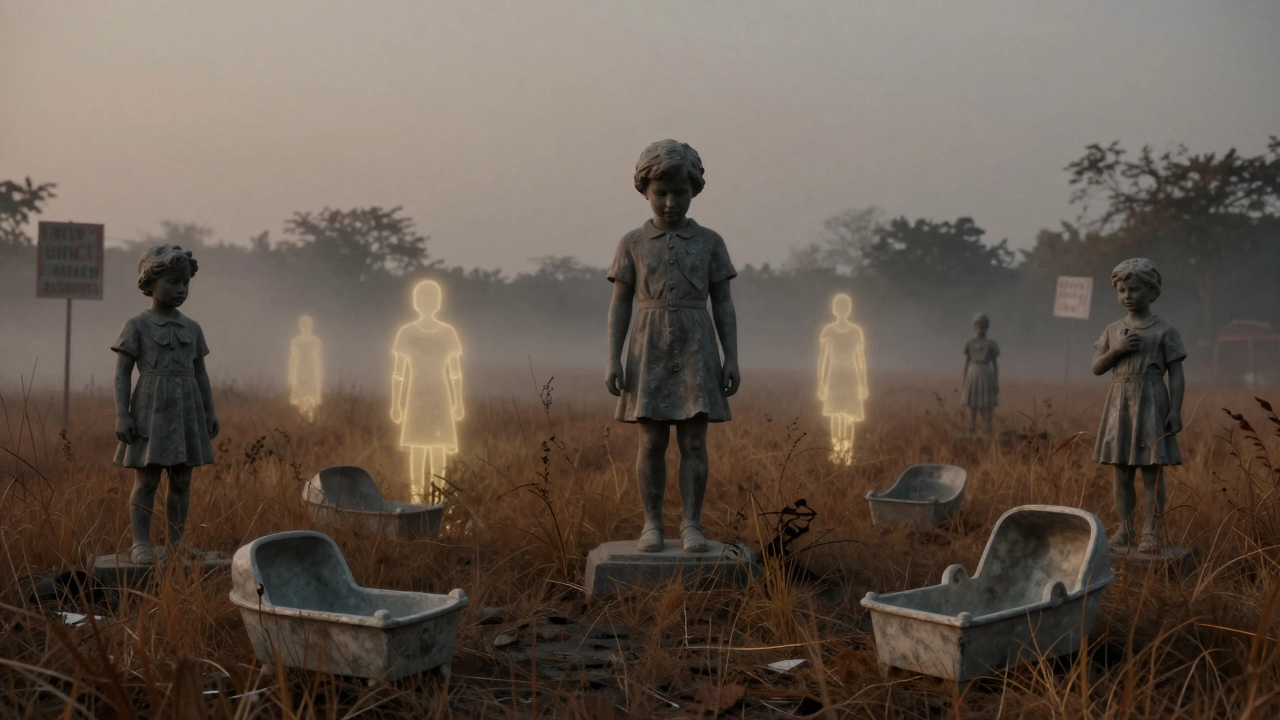
And let’s not forget the Bhopal Gas Tragedy Memorial. In 1984, a chemical leak from a Union Carbide plant killed over 15,000 people and injured hundreds of thousands. The site is now a memorial park with statues of victims, empty cradles, and faded protest signs. Locals still come to lay flowers. The air still smells faintly of chemicals - a reminder that corporate negligence doesn’t fade with time.
What Makes a Dark Site Respectful - and What Doesn’t
Not every grim location deserves visitors. Some sites become grotesque spectacle. Take the “suicide bridges” in Japan or the “haunted” hospitals turned into TikTok backdrops. These aren’t dark tourism - they’re exploitation. Real dark tourism respects the dead. It doesn’t pose for selfies in front of mass graves. It doesn’t sell keychains made from rubble.
The difference is intention. At Jallianwala Bagh, you remove your shoes before entering. You speak in whispers. You don’t take photos unless you’re documenting for education. At Auschwitz, photography is allowed, but flash is banned. Visitors are asked to stand still for a minute of silence at the death wall.
Dark tourism isn’t about seeing death. It’s about seeing humanity - its failures, its resilience, its capacity to remember.
Is Dark Tourism Ethical?
Yes - if done right. No - if it becomes entertainment.
Many critics say visiting places of suffering is voyeuristic. But consider this: if we stop going to these places, who will keep their stories alive? Museums close. Textbooks get rewritten. Generations forget. Dark tourism keeps memory alive. It turns history from a subject into a responsibility.
What makes it ethical? Three things:
- Context: The site must explain what happened, not just show it.
- Community involvement: Local people should be part of how the site is managed and interpreted.
- Revenue use: Money from tickets should fund education, preservation, or victim support - not luxury resorts.
At the Cellular Jail, ticket sales go toward maintaining the site and funding scholarships for descendants of freedom fighters. That’s ethical dark tourism.
How to Visit Dark Tourism Sites With Respect
If you’re considering visiting one of these places, here’s how to do it right:
- Do your homework. Read about what happened before you go. Don’t rely on tour guides alone.
- Dress modestly. Many sites are sacred spaces, not attractions.
- Leave no trace. No graffiti, no litter, no stolen souvenirs.
- Be quiet. This isn’t a theme park. Your voice should be a whisper.
- Don’t selfie. If your instinct is to take a photo of yourself smiling, put the phone away.
- Donate if you can. Many of these sites survive on visitor contributions.
At Jallianwala Bagh, a simple act - placing a flower at the memorial wall - means more than any Instagram post ever could.
What’s Next for Dark Tourism?
Dark tourism is growing - fast. UNESCO now includes several dark sites on its World Heritage list. Airlines even offer special “historical memory” packages. But the real shift isn’t in numbers - it’s in attitude. More travelers now see these places as essential stops, not oddities.
In India, younger generations are leading the change. Student groups organize silent walks to Bhopal. Teachers take classes to Jallianwala Bagh not as field trips, but as lessons in justice. This isn’t tourism anymore. It’s civic education.
Dark tourism doesn’t offer escape. It offers clarity. And in a world that’s quick to forget, that’s the most valuable journey of all.