Which Hindu Temple is the Holiest? Exploring Sacred Sites in India
 Feb, 6 2026
Hindu Temple Finder Quiz
Find Your Spiritual Connection
Hinduism has countless sacred sites, each revered for different reasons. This quiz will help you discover which temples might resonate most with your spiritual path based on your traditions and interests.
Which Hindu tradition interests you most?
What matters most to you in a sacred site?
Your Spiritual Temple Path
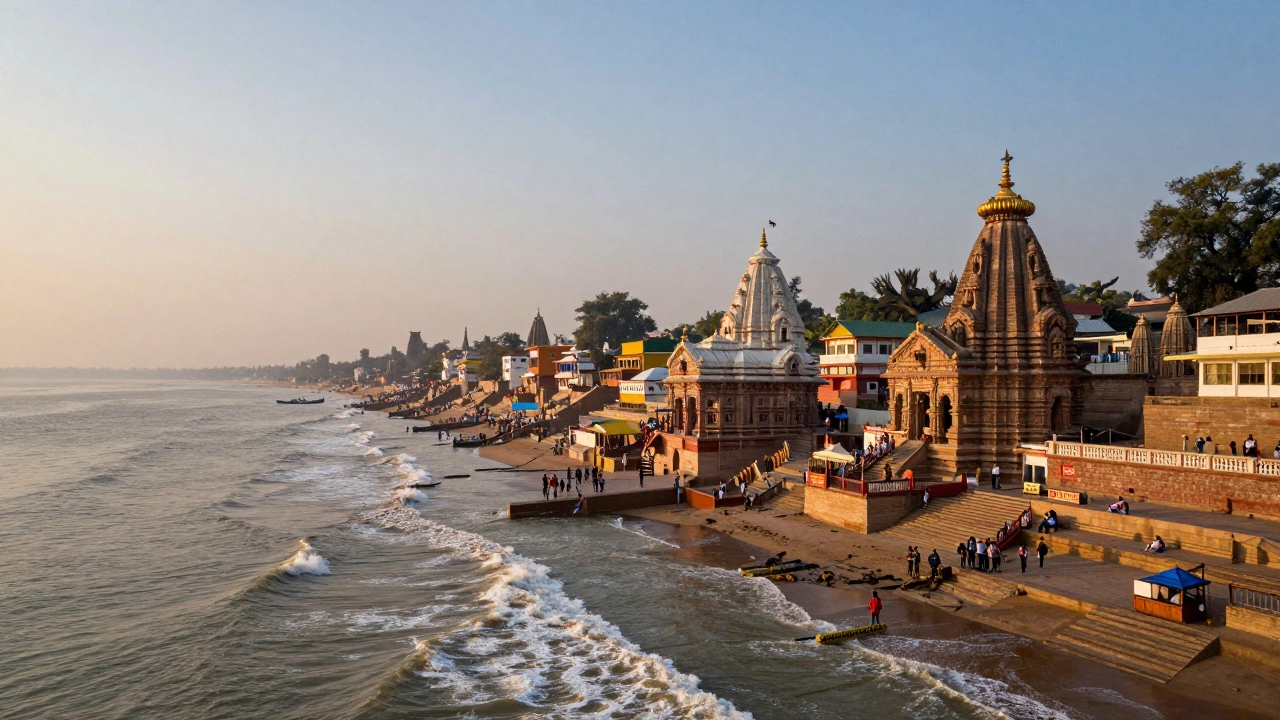
The question of which Hindu temple is the holiest in the world is common, but the answer isn't simple. Hinduism has countless sacred sites, each revered for different reasons. Unlike religions with a single holy place, Hinduism's holiness is spread across many temples, each significant in its own way. What makes a temple holy depends on your beliefs, region, and traditions. Let's explore why there's no single answer and highlight some of the most revered sites.
Why There's No Single Holiest Hindu Temple
Many people assume one temple stands above all others. But Hinduism's diversity means different communities prioritize different sites. For example, Shaivites (followers of Shiva) hold the Jyotirlingas as supreme, while Vaishnavites (devotees of Vishnu) focus on temples like Tirupati. Regional traditions also shape holiness-temples like Sabarimala in Kerala or Vaishno Devi in Jammu are central to local worship. Ultimately, holiness in Hinduism is personal and contextual, not universal.
The 12 Jyotirlingas: Shiva's Sacred Pillars of Light
The Jyotirlingas are twelve sacred shrines of Lord Shiva, each representing a radiant column of light. According to Hindu scriptures like the Shiva Purana, these sites are where Shiva manifested as a column of light. Each Jyotirlinga has its own story and significance. Here's a closer look at all twelve.
| Name | Location | Key Details |
|---|---|---|
| Somnath | Veraval, Gujarat | First among the Jyotirlingas. Destroyed and rebuilt multiple times, symbolizing resilience. Known for its ancient architecture and coastal location. |
| Mallikarjuna | Srisailam, Andhra Pradesh | Combined shrine of Shiva and Parvati. One of the 18 Maha Shakti Peethas. Important for both Shaivites and Shaktas. |
| Mahakaleshwar | Ujjain, Madhya Pradesh | Unique for its west-facing idol. Daily Bhasma Aarti ritual is a major draw. Ujjain is also one of the seven sacred cities in Hinduism. |
| Omkareshwar | Madhya Pradesh | Located on an island in the Narmada River. The name comes from the Om symbol in the landscape. Known for its natural beauty and spiritual ambiance. |
| Kedarnath | Uttarakhand | Part of the Char Dham pilgrimage. Situated in the Himalayas at 3,583 meters. Accessible only during summer months due to harsh winters. |
| Bhimashankar | Maharashtra | Associated with the demon Bhima. Located in the Sahyadri mountains. Known for its dense forests and wildlife sanctuary. |
| Viswanath | Varanasi, Uttar Pradesh | Also called Kashi Vishwanath. One of the most visited Shiva temples. Varanasi is considered the spiritual capital of India. |
| Tryambakeshwar | Nashik, Maharashtra | Source of the Godavari River. Known for the sacred ritual of tying threads to fulfill wishes. Important for ancestral rites. |
| Vaidyanath | Jharkhand | Also known as Baidyanath. Associated with healing and medicine. The temple has a rich history of being rebuilt after invasions. |
| Nageshwar | Dwarka, Gujarat | Located near Dwarka, a major Vaishnavite site. Known for the legend of saving a devotee from a demon. |
| Rameshwar | Rameswaram, Tamil Nadu | Connected to Lord Rama's story in the Ramayana. Built on a narrow strip of land between India and Sri Lanka. One of the Char Dham sites. |
| Grishneshwar | Aurangabad, Maharashtra | Close to the Ellora Caves. Known for its intricate carvings and historical significance. One of the last Jyotirlingas to be established. |
Char Dham: The Four Sacred Abodes
The Char Dham is a pilgrimage circuit of four holy sites in the Himalayas. These sites are deeply connected to Hindu mythology and are considered essential for spiritual cleansing. Each of the four locations represents a different aspect of divinity.
Starting with Badrinath, dedicated to Lord Vishnu, it's situated at 3,133 meters. Next is Kedarnath, a Shiva temple high in the mountains. Gangotri marks the source of the Ganges River, and Yamunotri is the origin of the Yamuna River. Pilgrims often visit all four in a single journey, though the routes are challenging due to high altitudes and weather conditions.
Unlike the Jyotirlingas, which are spread across India, the Char Dham are all in Uttarakhand. This makes the pilgrimage physically demanding but spiritually rewarding. Many Hindus believe completing the Char Dham journey brings moksha (liberation).
Other Major Holy Temples
For Vaishnavites, the Tirupati Venkateswara Temple in Andhra Pradesh is the most sacred. It's one of the wealthiest temples globally, with millions of devotees visiting yearly. The deity here is Lord Venkateswara, an incarnation of Vishnu. The temple's history dates back over a thousand years, with continuous worship despite invasions.
The Somnath Temple in Gujarat is also notable beyond its Jyotirlinga status. It's been destroyed and rebuilt multiple times, making it a symbol of resilience. Each reconstruction reflects Hinduism's enduring spirit through history.
Other significant temples include Sabarimala in Kerala, dedicated to Lord Ayyappa. Millions of devotees undertake a rigorous pilgrimage here annually. Similarly, Vaishno Devi in Jammu and Kashmir draws over 8 million visitors yearly. These temples show how holiness varies by region and deity.
Regional Perspectives on Holiness
Hinduism's holiness isn't uniform. In South India, temples like Meenakshi Amman in Madurai or Sri Ranganathaswamy in Tiruchirappalli hold immense importance. In North India, the Kashi Vishwanath Temple in Varanasi is central to many rituals. The Ganges River itself is considered sacred, with temples along its banks like Haridwar and Allahabad (Prayagraj) being key sites.
Even within regions, preferences differ. For example, in Maharashtra, the Siddhivinayak Temple in Mumbai is famous for Lord Ganesha, while in Rajasthan, the Dilwara Temples are renowned for Jain architecture. This diversity shows how holiness is deeply tied to local culture and history.
Understanding Temple Holiness in Hinduism
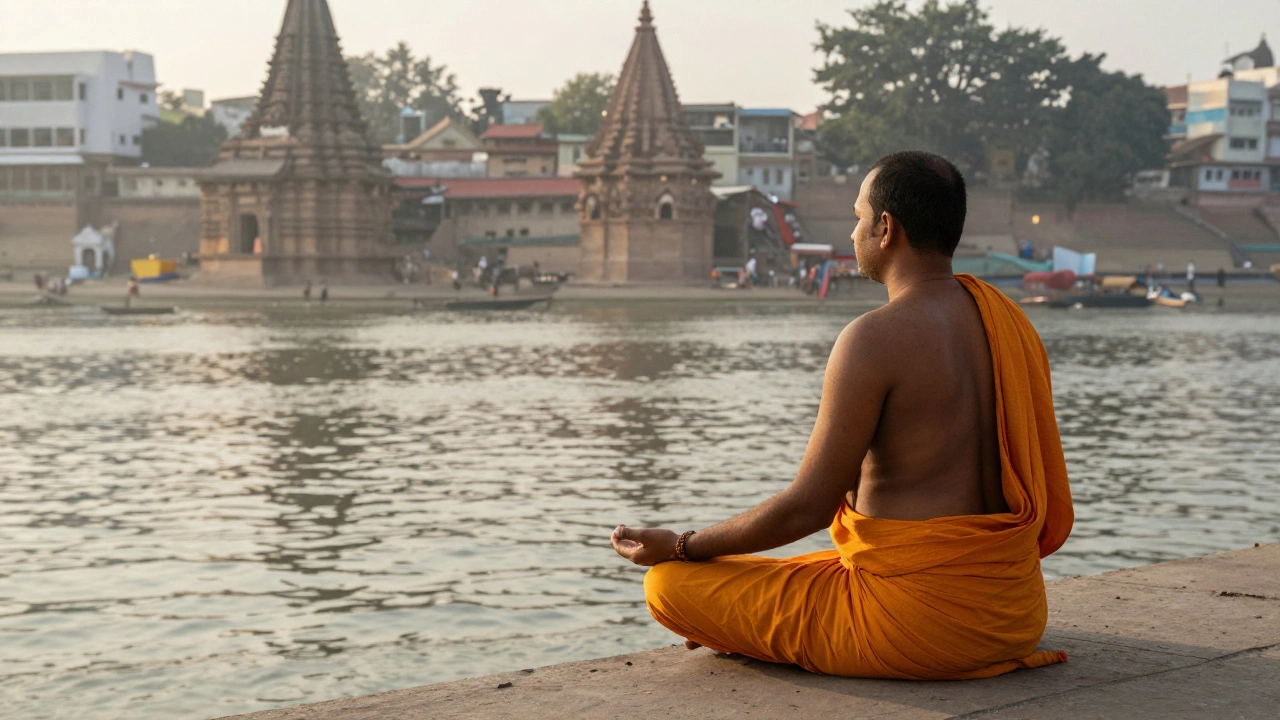
Holiness in Hindu temples comes from multiple factors. Many sites are linked to mythological events-like Rameshwar Temple's connection to Lord Rama. Others derive significance from natural features, such as the source of the Ganges at Gangotri. The presence of sacred rivers, mountains, or forests often elevates a site's status.
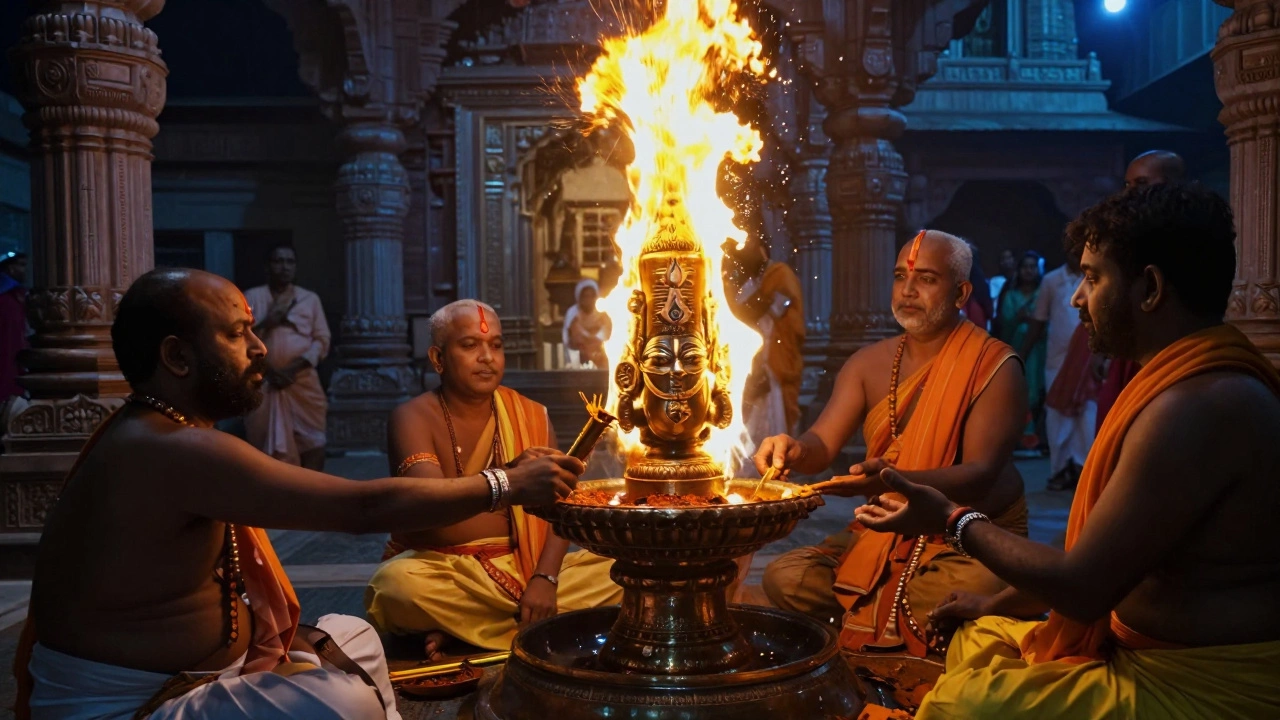
Rituals also play a role. Daily ceremonies like the Bhasma Aarti at Mahakaleshwar or the Tirupati's special rituals create a living tradition of worship. The sheer number of devotees visiting these sites reinforces their holiness through continuous practice.
Importantly, Hinduism doesn't have a centralized authority defining holiness. Instead, it's shaped by scriptures, local traditions, and individual faith. This means what's holiest for one person might not be for another. The diversity itself is a core part of Hindu spirituality.
Final Thoughts
In the end, asking which Hindu temple is the holiest misses the point. Each sacred site offers unique spiritual experiences based on your path. Whether you're drawn to the Jyotirlingas, Char Dham, or regional temples, the true holiness lies in your personal connection to the divine. Exploring these sites with respect and curiosity will reveal why Hinduism's sacred geography is so rich and varied.
Is there a single holiest Hindu temple?
No, Hinduism doesn't have one universally holiest temple. Different communities revere various sites based on their traditions. For example, Shaivites prioritize the Jyotirlingas, Vaishnavites focus on temples like Tirupati, and regional temples hold special importance locally. Holiness in Hinduism is contextual and personal.
Which Hindu temple is the most visited?
The Tirupati Venkateswara Temple in Andhra Pradesh is often cited as the most visited. It receives over 30 million pilgrims annually, making it one of the busiest temples globally. Its significance to Vaishnavites and the large-scale rituals contribute to its high visitor numbers.
What are the Jyotirlingas?
The Jyotirlingas are twelve sacred shrines dedicated to Lord Shiva, each representing a column of light. According to Hindu scriptures, these sites are where Shiva appeared as a fiery column. Each Jyotirlinga has its own unique story and significance. Pilgrimage to all twelve is considered highly meritorious for Shaivites.
How many Jyotirlingas are there?
There are twelve Jyotirlingas. They are spread across India from Gujarat to Tamil Nadu. Each has its own historical and mythological significance. The twelve are Somnath, Mallikarjuna, Mahakaleshwar, Omkareshwar, Kedarnath, Bhimashankar, Viswanath, Tryambakeshwar, Vaidyanath, Nageshwar, Rameshwar, and Grishneshwar.
What is the Char Dham pilgrimage?
The Char Dham is a pilgrimage circuit in the Himalayas consisting of four sacred sites: Badrinath, Kedarnath, Gangotri, and Yamunotri. These sites are located in Uttarakhand and are considered essential for spiritual cleansing. Completing the Char Dham journey is believed to bring liberation (moksha) in Hindu tradition.
Which temple is considered holiest for Vaishnavites?
For Vaishnavites, the Tirupati Venkateswara Temple in Andhra Pradesh is often regarded as the holiest. It's dedicated to Lord Venkateswara, an incarnation of Vishnu. The temple's rich history, massive number of devotees, and elaborate rituals make it central to Vaishnavite worship. Other important Vaishnavite sites include the Ranganathaswamy Temple in Tamil Nadu and the Jagannath Temple in Odisha.