Which is the Hiking Capital of India? Top Trekking Destinations Compared
 Jun, 26 2026
Find Your Perfect Indian Trek
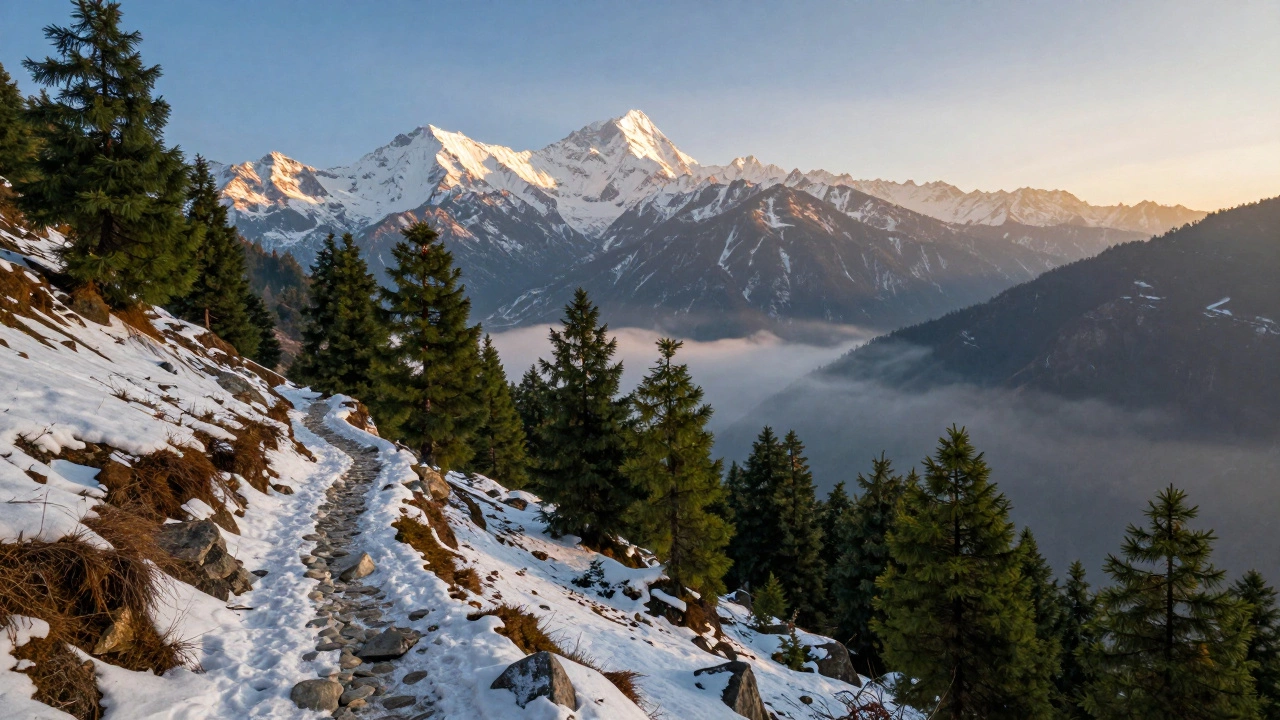
There is no single official "hiking capital" in India. If you ask a seasoned mountaineer from Ladakh, they will point to the high-altitude passes of the Himalayas. Ask a trail runner from the south, and they might mention the Western Ghats. However, if we define the "capital" by the density of trails, accessibility for beginners, infrastructure, and sheer variety of routes, two regions stand out: Uttarakhand and Devbhoomi (specifically the Garhwal region) and Himachal Pradesh.
Most travel guides and outdoor communities unofficially crown Mussoorie or Manali as the starting gates, but the real action happens in the surrounding districts. This article breaks down why these regions compete for the title and helps you decide which one fits your skill level and travel style.
The Case for Uttarakhand: The Gateway to the Himalayas
Uttarakhand is often called the "Land of Gods," but for hikers, it is the land of accessible peaks. It sits right on the edge of the Greater Himalayas, offering a mix of religious significance and rugged terrain. The state government has actively promoted trekking tourism, making it easier than ever to find permits, guides, and gear rentals.
The diversity here is unmatched. You can go from lush green valleys to snow-capped glaciers within a few days' drive. The infrastructure in towns like Rishikesh and Dehradun supports a large community of outdoor enthusiasts. Many international trekking companies have their base operations here, ensuring that safety standards are relatively high compared to more remote areas.
Key attributes of trekking in Uttarakhand:
- Accessibility: Dehradun and Rishikesh are well-connected by rail and road from Delhi.
- Variety: Ranges from easy nature walks to extreme high-altitude expeditions.
- Seasonality: Best between March and June, and September to November.
The Himachal Alternative: Manali and Spiti
If Uttarakhand is the spiritual heart, Himachal Pradesh is the adventure playground. Manali is frequently cited as the most popular base camp for trekkers. Unlike some parts of Uttarakhand where trails can be crowded with pilgrims, Himachal offers a more dedicated hiking culture.
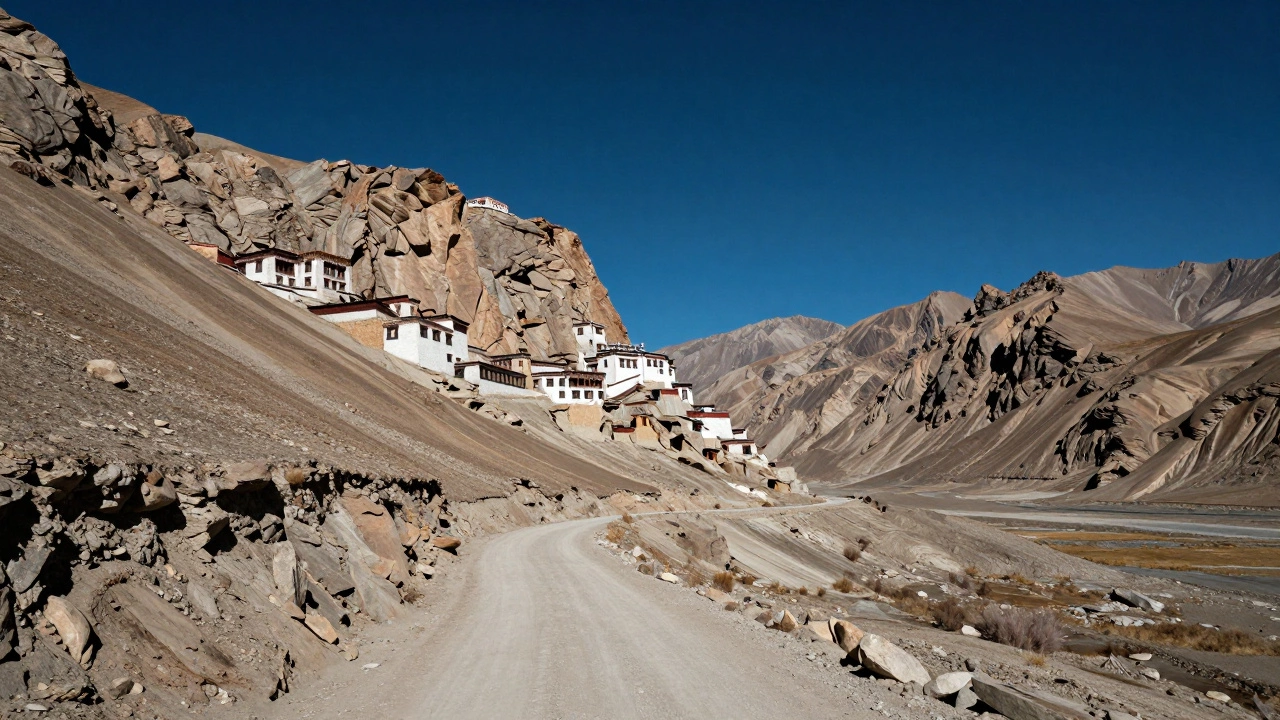
The landscape shifts dramatically as you move west. The Spiti Valley offers some of the most dramatic scenery in Asia, resembling the Tibetan plateau. These treks are less about reaching a peak and more about surviving and enjoying the stark beauty of high-altitude deserts. The roads themselves are part of the journey, requiring 4x4 vehicles and careful planning.
Why choose Himachal?
- Scenic Variety: Pine forests in Kullu valley vs. barren landscapes in Spiti.
- Culture: Strong influence of Tibetan Buddhist culture in Lahaul and Spiti.
- Adventure Mix: Combines trekking with river rafting and paragliding.
Top 5 Treks That Define the "Capital" Status
To determine the true hiking capital, we need to look at the specific trails. Here are five iconic treks that draw thousands of hikers every year, split between the two main contenders.
| Trek Name | Location | Difficulty | Best Time | Highlight |
|---|---|---|---|---|
| Kedarkantha | Uttarakhand | Easy-Moderate | Dec-Feb | Snow-covered summit views |
| Hampta Pass | Himachal Pradesh | Moderate | Jun-Sep | Transition from lush green to desert |
| Roopkund | Uttarakhand | Hard | Apr-Jun, Sep-Nov | Mystery lake and skeleton findings |
| Triund | Himachal Pradesh (McLeod Ganj) | Easy | Year-round (except monsoon) | 360-degree view of Dhauladhar range |
| Valley of Flowers | Uttarakhand | Moderate | Jul-Sep | UNESCO World Heritage Site with alpine blooms |
Why Ladakh is Not the "Capital" Yet
You might wonder why Ladakh isn't the top answer. While it has incredible high-altitude treks like the Gangbal Lake or Nubra Valley circuits, it lacks the density of options. Ladakh is a destination for serious, experienced trekkers due to its extreme altitude (often above 14,000 feet). The logistics are complex, requiring acclimatization stops and specialized gear. For the average person asking "where should I start hiking?", Ladakh is too intense. It is the Mecca for experts, not the capital for the general hiking population.
Practical Tips for First-Time Hikers in India
If you are deciding between Uttarakhand and Himachal, consider these factors:
- Fitness Level: Start with Triund (Himachal) or Kedarkantha (Uttarakhand). Both are manageable for someone who jogs regularly.
- Permits: Some areas, especially near borders (like Spiti or parts of Uttarakhand), require Inner Line Permits. Book these online through the official police portals before you travel.
- Guides: In India, hiring a local guide is not just helpful; it's often mandatory for safety and environmental protection. They know the weather patterns and hidden trails.
- Weather Windows: Avoid July and August in the Himalayas unless you are trekking in the Western Ghats. Monsoon rains cause landslides and make trails slippery and dangerous.
The Rising Contender: The Western Ghats
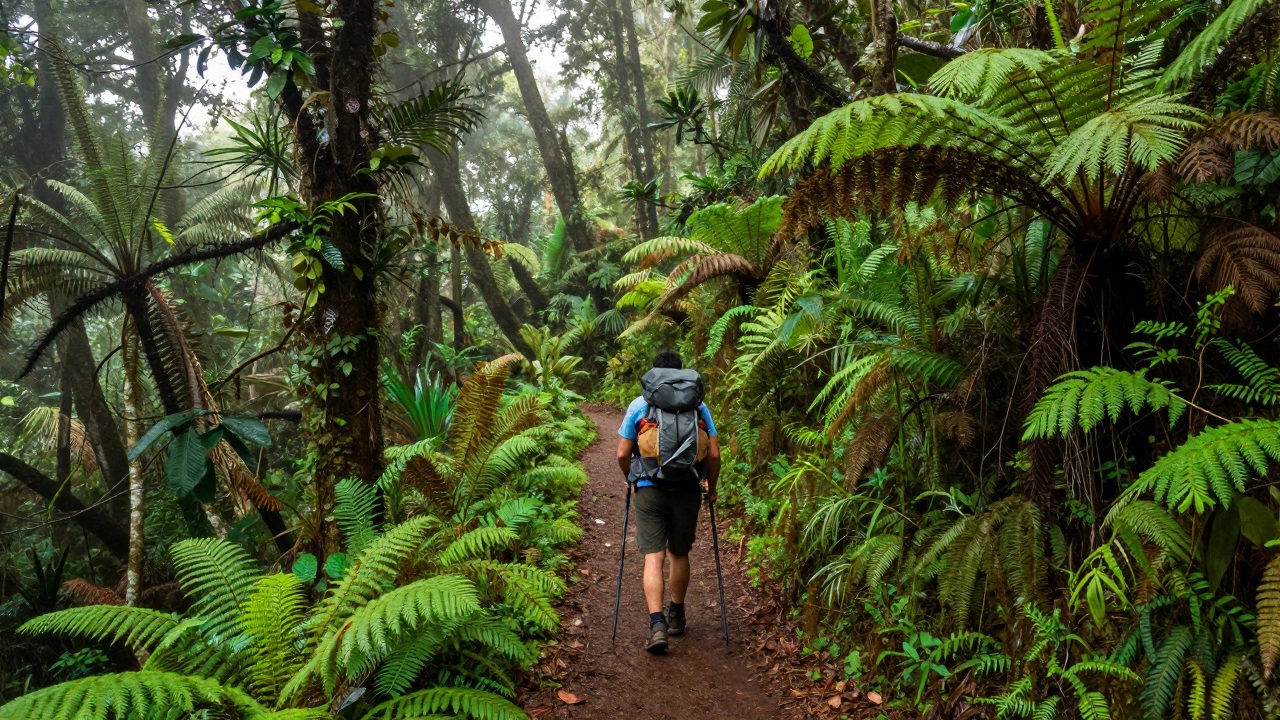
While the Himalayas dominate the conversation, the Western Ghats in states like Kerala and Karnataka are gaining traction. Treks like Munnar to Wayanad or Agumbe offer lush, green, biodiversity-rich experiences. These are ideal for those who prefer rainforests over snow. However, the lack of standardized trail markers and fewer commercial support systems means this region is still niche compared to the North.
Conclusion: Which One Should You Choose?
If you want the highest concentration of treks, best infrastructure, and a mix of difficulty levels, Uttarakhand is the current de facto hiking capital of India. It balances accessibility with challenge. If you prefer a more relaxed vibe with stunning cultural contrasts, choose Himachal Pradesh. Both regions offer world-class experiences that justify the journey.
Is Manali considered the hiking capital of India?
Manali is one of the most popular bases for hiking in India, but it is not the only one. It serves as a gateway to several famous treks like Hampta Pass and Beas Kund. Its popularity comes from good connectivity and a vibrant tourist infrastructure, making it a strong contender for the title, though Uttarakhand has a higher density of diverse trails.
What is the best time to go trekking in India?
The best times are spring (March to May) and autumn (September to November). Winter (December to February) is ideal for snow treks like Kedarkantha. Summer (June to August) is generally avoided in the Himalayas due to monsoon rains, except for certain high-altitude passes that remain accessible.
Do I need a guide for trekking in Uttarakhand?
For popular and well-marked treks like Triund or short day hikes, a guide is optional but recommended. For multi-day treks, especially in remote areas or during winter, a certified guide is essential for safety, navigation, and emergency response. Some protected areas legally require you to hire a local guide.
Can beginners trek in the Himalayas?
Yes, there are many beginner-friendly treks. Examples include Triund in Himachal Pradesh, Kuari Pass in Uttarakhand, and Anamudi in Kerala. These treks have gradual ascents, established campsites, and do not require technical climbing skills. Good physical fitness and proper footwear are the main requirements.
How much does a typical trek in India cost?
Costs vary widely. A basic independent trek might cost $50-$100 for food and accommodation. Guided group tours usually range from $200 to $500 for 3-5 days, including transport, meals, camping gear, and guide fees. Luxury camping experiences can cost significantly more. Always check what is included in the package price.