Which is the Most Peaceful Place in North India for Solitude and Calm
 Mar, 24 2026
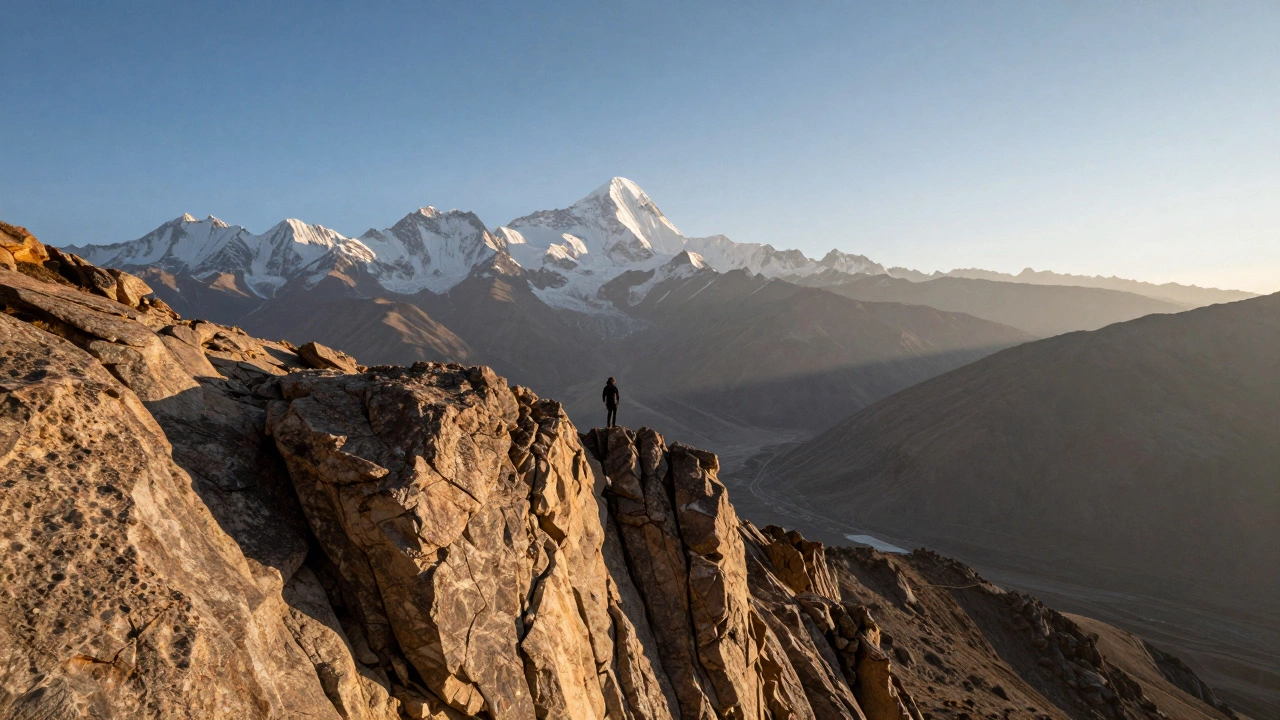
Imagine standing on a ridge where the only sound is the wind rushing through ancient rocks. There are no honking horns, no construction drills, and no crowds pushing for space. For many travelers, this is the definition of peace. But finding this silence in North India requires knowing where to look. The region is vast, stretching from the bustling streets of Delhi to the frozen peaks of the Himalayas. While some spots offer spiritual quiet, others provide natural isolation. The answer to where the most peaceful place is depends on what kind of silence you are seeking.
Quick Summary / Key Takeaways
- Ladakh offers the highest level of isolation with high-altitude deserts and monasteries.
- Spiti Valley provides remote mountain tranquility, best visited outside peak summer.
- Rishikesh balances spiritual peace with accessibility, though it gets crowded.
- Manali has serene spots like Solang Valley but requires avoiding main town areas.
- Timing your visit in March 2026 means fewer crowds but colder weather in the mountains.
Defining Peace in the Himalayas
When you ask for a peaceful place, you might mean different things. For some, peace means sitting in a meditation hall surrounded by chanting monks. For others, it means being alone in a valley with no mobile signal. North India is a diverse region encompassing states like Himachal Pradesh, Uttarakhand, and Jammu and Kashmir. It holds both types of peace. The challenge is that popularity often kills serenity. Places that become famous on social media quickly fill with tourists. To find true quiet, you need to look beyond the main highways and popular check-in spots.
Peace is also about timing. A valley that is empty in winter might be packed in July. Since today is March 24, 2026, we are in the pre-monsoon spring season. This is a transition period. The snow is melting in lower altitudes, but high passes might still be closed. This specific window offers a unique chance to find solitude before the summer rush begins.
Ladakh: The Land of Silence
If you want isolation, Ladakh is a high-altitude cold desert region known for its stark landscapes and Buddhist monasteries. Located in the union territory of Jammu and Kashmir, it feels like another planet. The air is thin, and the silence is heavy. In places like Spiti Valley, which borders Ladakh, the nearest neighbor might be miles away. The Himalayas here tower over you, creating a natural wall against the noise of the world.
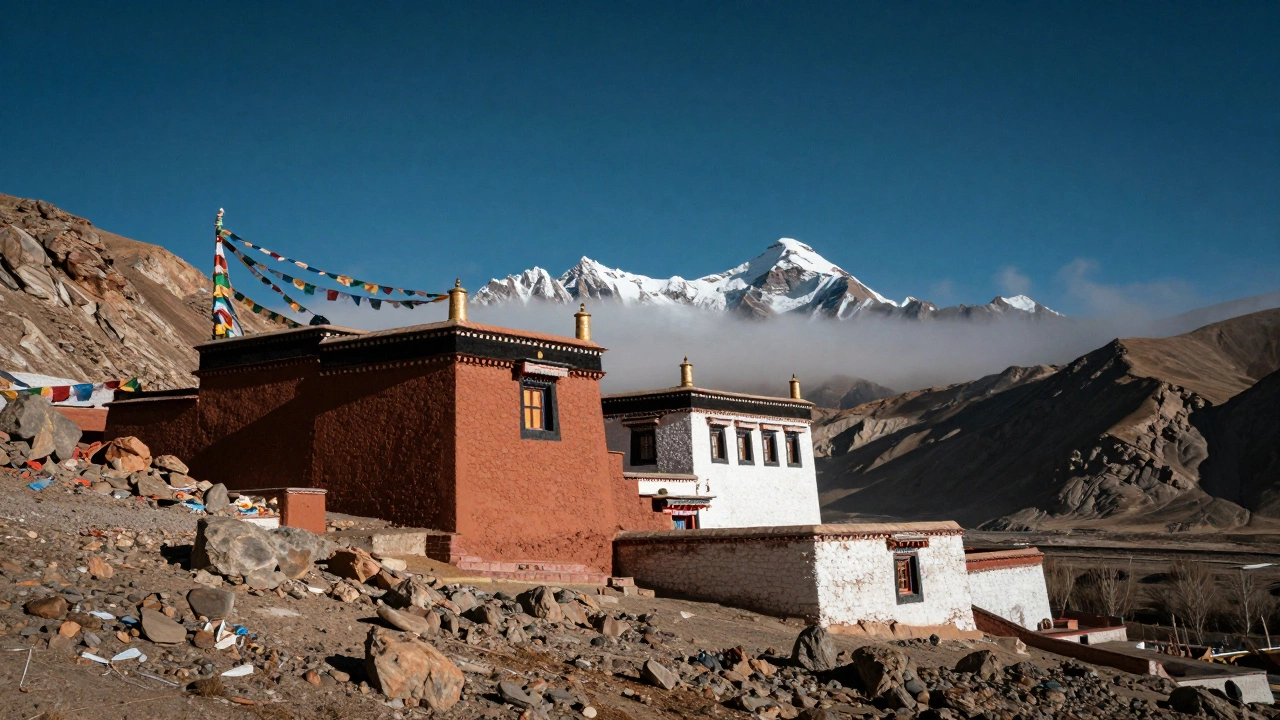
Why is it so quiet? The terrain is difficult to traverse. Roads are narrow and winding. This limits the number of vehicles that can enter. In March, many high-altitude passes remain closed due to snow, which keeps the tourist numbers low. You can visit Monasteries like Hemis or Thiksey. While they attract pilgrims, the vast open spaces around them ensure you never feel crowded. The sound of prayer flags fluttering in the wind is often the only noise you hear.
Spiti Valley: Remote and Rugged
Adjacent to Ladakh lies the Spiti Region. It is often called the middle land between Tibet and India. The villages here are carved into the mountainsides. Kaza, the main town, is small, but the surrounding villages like Tabo and Hikkim offer deep solitude. Buddhism is deeply rooted here, influencing the pace of life. People move slowly, respecting the harsh environment.
Visiting in March means you might face road closures. The Kunzum Pass is usually closed until May. This barrier is actually a benefit for seekers of peace. If you can get in via the Shimla-Manali route, you find a landscape that is largely untouched. The Tabo Monastery is one of the oldest in the region, often referred to as the Ajanta of the Himalayas. Sitting in its courtyard, you feel a connection to centuries of history without the distraction of modern life.
Rishikesh: Spiritual Hubs with Caveats
For those who equate peace with spirituality, Rishikesh is a town in Uttarakhand known as the Yoga Capital of the World. It sits on the banks of the Ganges River. The energy here is charged with Yoga and meditation. However, Rishikesh is not always quiet. The main town, Laxman Jhula, is bustling with backpackers and tourists.
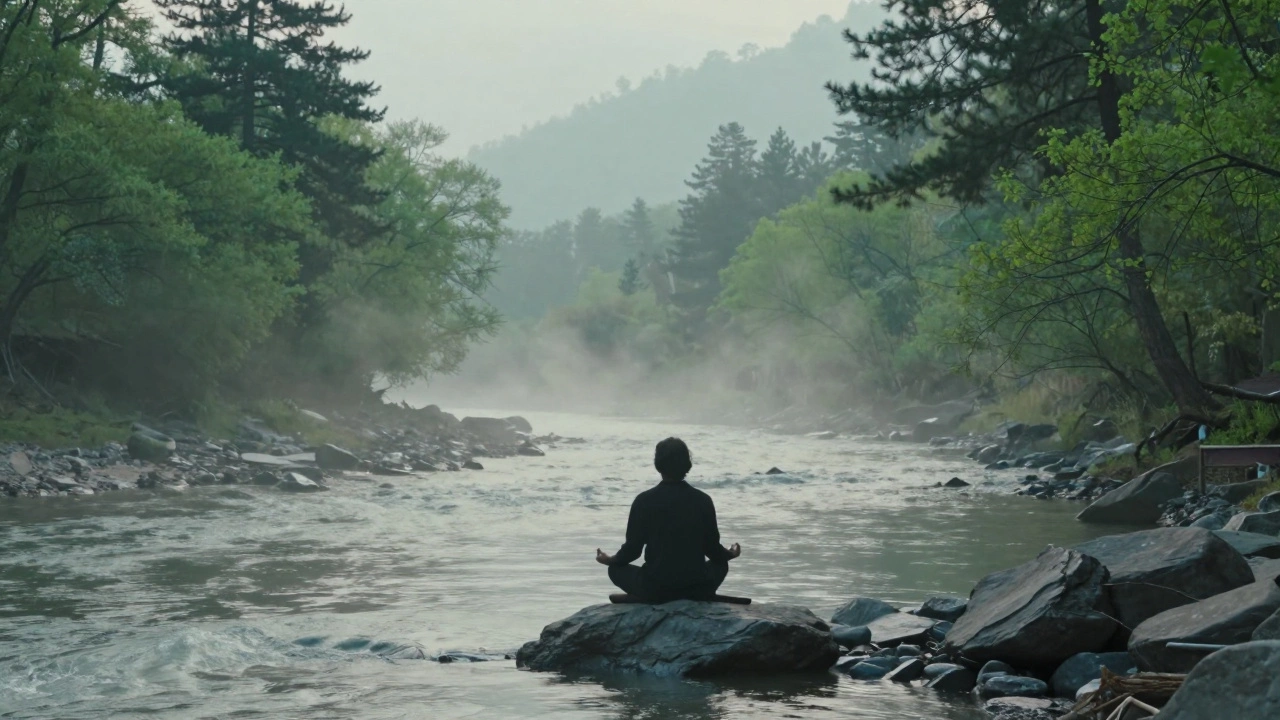
To find peace here, you must move upstream. Places like Parmarth Niketan or ashrams located in Tapovan offer seclusion. In March, the weather is pleasant, making it ideal for outdoor meditation by the river. The sound of the Ganges flowing provides a constant, soothing background noise. It is a different kind of peace compared to Ladakh. Here, peace is found in community and practice rather than isolation.
Manali: Beyond the Main Bazaar
Manali is a popular hill station in Himachal Pradesh known for its pine forests and river valleys. Most people think of it as a party hub, but that is only true for the main bazaar. If you head towards Solang Valley or the Beas Kund area, the vibe changes completely. The pine trees create a natural soundproofing effect.
During March, the snow is still present in higher areas. This limits the number of trekkers. You can find small cottages that are far from the main road. The key is to avoid the crowded cafes and venture into the woods. Solang Valley offers skiing in winter but turns into a quiet meadow in spring. It is a place where you can hear your own footsteps on the snow.
Comparison of Peaceful Destinations
Choosing the right spot depends on your tolerance for travel difficulty and your definition of silence. The table below breaks down the key factors for each location.
| Destination | Level of Solitude | Best Time to Visit | Accessibility | Primary Vibe |
|---|---|---|---|---|
| Ladakh | Very High | June to September | Difficult | Isolation |
| Spiti Valley | High | May to October | Moderate | Rugged |
| Rishikesh | Low to Medium | March to June | Easy | Spiritual |
| Manali | Medium | March to May | Easy | Natural |
Practical Tips for Finding Solitude
Knowing the place is only half the battle. How you travel matters just as much. To maximize peace, avoid weekends. Locals and nearby city dwellers flock to these spots on Saturdays and Sundays. Weekdays are significantly quieter. Also, consider the accommodation. Staying in a homestay in a village rather than a hotel in a town center makes a huge difference.
Technology is a major disruptor of peace. In many remote areas of Himachal Pradesh and Uttarakhand, mobile networks are patchy. This is a feature, not a bug. It forces you to disconnect. Bring a physical map or download offline maps beforehand. The silence of the mountains is broken easily by the ping of a notification. Turning off your phone for a few days can reset your mental state.
Spiritual vs. Natural Peace
It is important to distinguish between spiritual peace and natural peace. Spiritual peace often involves structure-meditation classes, prayer times, and rituals. Natural peace is unstructured. It is the absence of human interference. If you crave discipline and guidance, Rishikesh ashrams are the best choice. If you want to be left alone with your thoughts, Ladakh is superior.
Some travelers combine both. You might start your journey in Rishikesh to find centering and then move north to the mountains for silence. This layered approach works well for a week-long trip. The transition from the river valley to the high desert helps your body and mind adjust to the altitude and the quiet.
Weather Considerations for March 2026
Since we are in March, the weather plays a critical role. In the plains, it is warming up. In the mountains, it is still cold. Ladakh might be inaccessible due to snow. Spiti Valley roads are risky. Manali and Rishikesh are the safest bets for this time of year. However, the colder weather means fewer tourists. If you are prepared for the cold, you can find spots that are usually crowded in summer completely empty.
Pack layers. Temperatures can drop below freezing at night even in lower valleys. The clear skies of March offer stunning views of the peaks, but the sun is less intense. This makes the environment feel more serene and less harsh than the bright summer sun.
Final Thoughts on Your Journey
There is no single "most peaceful" place because peace is subjective. It is a feeling you create as much as a place you find. However, if you prioritize isolation and natural silence, the high-altitude deserts of Ladakh and Spiti are unmatched. If you need spiritual support and community, Rishikesh remains the hub. For a balance of nature and comfort, Manali's outer valleys work best.
Remember that the journey itself is part of the experience. The winding roads, the changing landscapes, and the gradual ascent into the mountains prepare you for the silence waiting at the top. Take your time. Don't rush to check off locations. Sit in one place for a day. Watch the clouds move over the peaks. That is where the real peace is found.
Is Ladakh open in March?
Ladakh is partially open in March, but most high-altitude passes like Zoji La and Khardung La remain closed due to snow. You can access Leh via flight, but road travel is restricted.
Which place is best for solo travelers seeking peace?
Spiti Valley is excellent for solo travelers who want solitude. However, Rishikesh is safer and more accessible if you need community support and amenities.
How crowded is Manali in March?
Manali is less crowded in March compared to summer. The main town has visitors, but the surrounding valleys like Solang and Beas Kund are relatively quiet.
Do I need permits for Ladakh and Spiti?
Yes, Indian citizens need Inner Line Permits for certain areas in Ladakh and Spiti. Foreign nationals require Protected Area Permits (PAP) for restricted zones.
What is the best time to visit for maximum peace?
The shoulder seasons of March-April and October-November offer the best balance of accessibility and low tourist crowds.