Which is the No 1 Beach in India? Top Picks for 2026
 Oct, 30 2026
Find Your Perfect Indian Beach
Answer these questions to discover which of India's top beaches suits your travel style best.
Beach Name
Location
Reasoning...
Other Strong Contenders:
Ask ten travelers to name the best beach in India, and you’ll get ten different answers. Some will swear by the golden sands of Radhanagar Beach in the Andamans, while others argue that Palolem in Goa holds the crown. There’s no single objective "No 1" because "best" depends entirely on what you want from your vacation. Are you chasing turquoise waters for snorkeling? Or do you prefer a lively nightlife scene with shacks serving cold beer at sunset?
However, if we look at global rankings, traveler reviews, and visual impact, one location consistently tops the charts: Radhanagar Beach on Havelock Island. Often cited as one of the best beaches in Asia, it offers a pristine experience that mainland beaches struggle to match. But is it right for you? Let’s break down the top contenders so you can decide which beach deserves the title for your next trip.
The Global Favorite: Radhanagar Beach, Andaman Islands
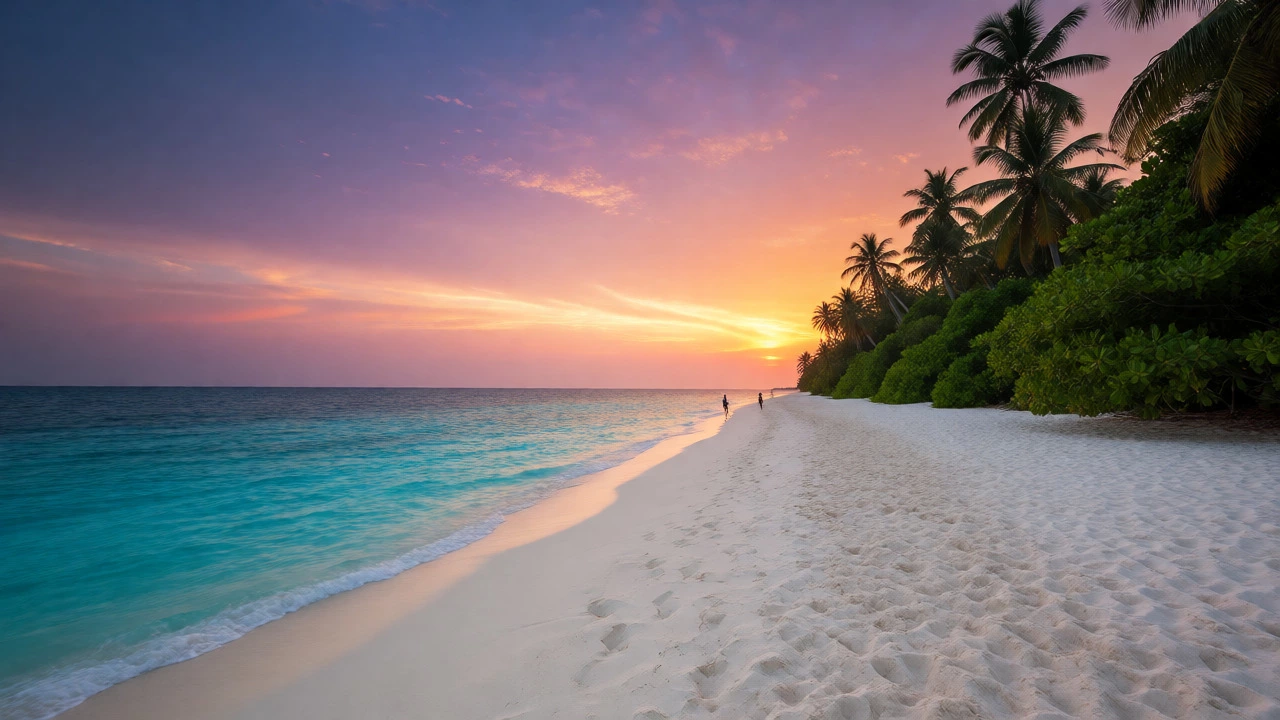
If you only have time for one beach in India and money isn’t a tight constraint, go to Radhanagar. Located on Havelock Island (Swaraj Dweep) in the Andaman and Nicobar Islands, this stretch of sand has been voted among the top beaches in Asia by Time Magazine multiple times. The water here isn’t just blue; it’s a translucent turquoise that looks photoshopped until you’re standing in it.
Why does it rank #1? It’s about isolation and cleanliness. Unlike many mainland beaches, Radhanagar is protected within a national park zone, meaning commercial development is strictly limited. You won’t find jet skis buzzing around your head or loud music blasting from every shack. The vibe is calm, respectful, and focused on nature. The sunset here is legendary-when the sun dips below the horizon, the sky turns purple and orange, reflecting off the white sand. It’s pure magic.
Best for: Couples, photographers, and those seeking tranquility. If you hate crowds and pollution, this is your sanctuary.
The Mainland King: Palolem Beach, Goa
Goa is synonymous with Indian beaches, but not all Goan beaches are created equal. While Baga and Calangute are famous, they’re often crowded and chaotic. For the true "best" experience, locals and seasoned travelers point to Palolem Beach in South Goa. It’s a crescent-shaped bay that feels like a hidden lagoon, even though it’s quite accessible.
Palolem strikes a perfect balance. It’s developed enough to have excellent cafes, yoga shacks, and kayaking rentals, but it retains a laid-back, bohemian charm. The water is generally calmer than on the open coast, making it safer for swimming. In winter, the weather is dry and pleasant, perfect for long walks along the shore. Plus, the proximity to the butterfly beach (accessible by boat) adds an adventurous layer to your visit.
Best for: Solo travelers, backpackers, and families who want amenities without the chaos of North Goa.
The Dramatic Cliffside: Varkala Beach, Kerala
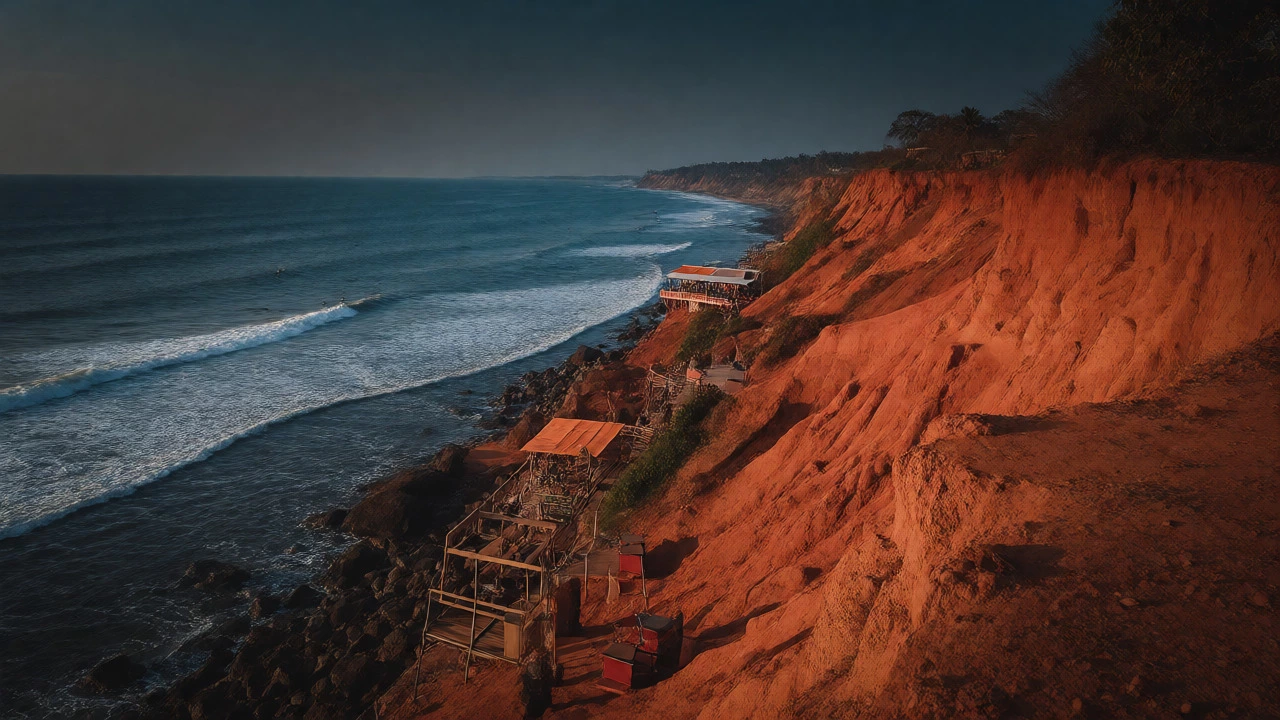
Varkala breaks the mold. Most Indian beaches are flat stretches of sand meeting the sea. Varkala features dramatic red laterite cliffs rising up to 90 feet above the Arabian Sea. This unique geological formation creates a stunning backdrop for the beach below, known locally as Papanasam Beach. The view from the cliff-top cafes is unmatched-you’re dining high above the waves, watching surfers ride the swells.
This beach has become a hub for wellness tourism. Yoga centers, Ayurvedic spas, and vegetarian restaurants line the cliff edge. It’s spiritual yet modern. The water can be rough due to strong currents, so swimming requires caution, but the atmosphere is electric. It’s also deeply connected to Hindu mythology, believed to wash away sins, adding a cultural depth to the physical beauty.
Best for: Wellness enthusiasts, digital nomads, and those interested in culture mixed with coastal views.
The Untouched Gem: Gokarna Beach, Karnataka
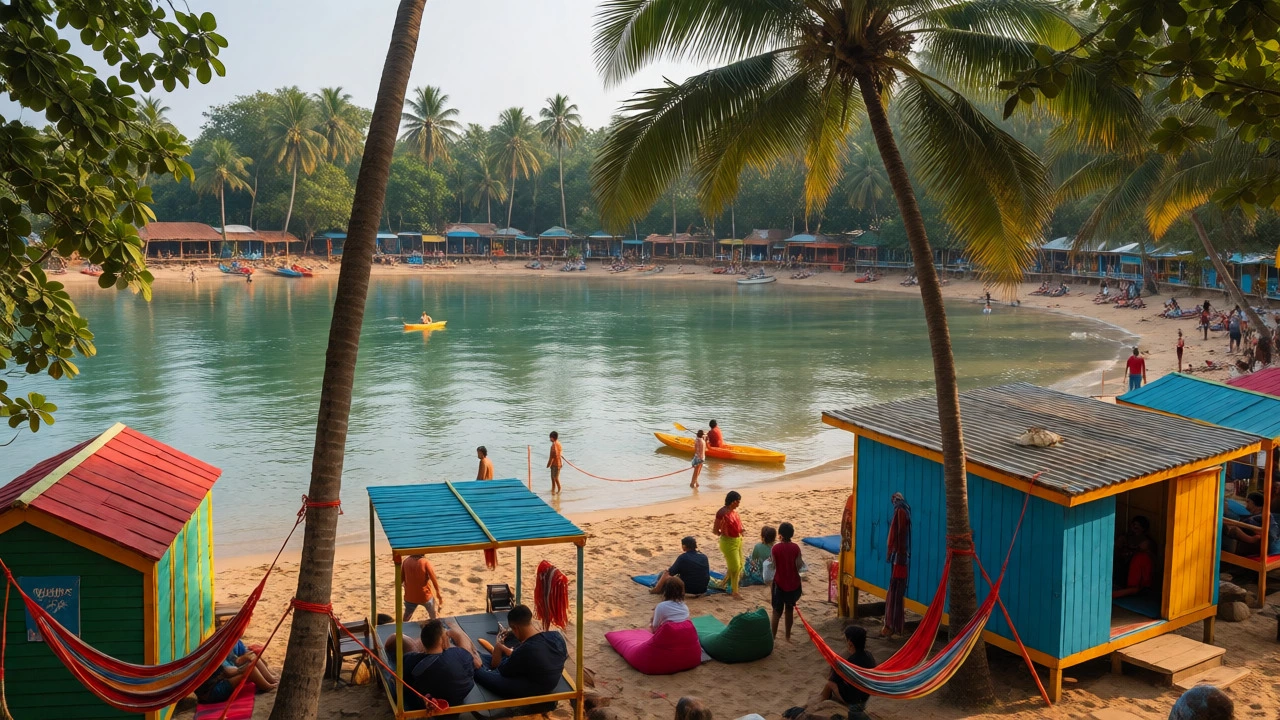
Before Goa became a party capital, Gokarna was the hippie paradise of the south. Today, it remains a quieter alternative. The main beach, Om Beach, gets its name because the coastline forms the shape of the "Om" symbol when viewed from a distance. The water is clean, the crowd is small, and the vibe is spiritual.
Gokarna is less commercialized than Goa. You’ll find fewer luxury resorts and more basic cottages. This keeps prices low and the experience authentic. Trekking between the five main beaches (Gokarna, Kudle, Half Moon, Om, and Paradise) is a popular activity, offering panoramic views of the Arabian Sea. It’s raw, rugged, and real.
Best for: Budget travelers, trekkers, and those wanting a pre-Goa vibe.
Comparison: Which Beach Fits Your Travel Style?
To help you decide, here’s a quick breakdown of the top contenders based on key travel factors.
| Feature | Radhanagar (Andaman) | Palolem (Goa) | Varkala (Kerala) | Gokarna (Karnataka) |
|---|---|---|---|---|
| Water Clarity | Excellent (Turquoise) | Good (Clear) | Average (Rougher) | Good (Clean) |
| Crowd Level | Low | Moderate | Moderate-High | Low-Moderate |
| Cost | High (Flights + Boats) | Moderate | Low-Moderate | Very Low |
| Nightlife | Minimal | Vibrant | Lively Cafes | Quiet |
| Accessibility | Difficult (Flight + Ferry) | Easy (Bus/Taxi) | Easy (Train/Bus) | Easy (Bus/Train) |
How to Choose Your "No 1" Beach
Selecting the best beach isn’t just about looking at photos. You need to consider logistics and personal preferences. Here’s a simple decision tree to guide you:
- Do you have a week or more? If yes, go to the Andamans. The travel time to reach Havelock Island eats into short trips. Radhanagar rewards patience with unparalleled beauty.
- Are you traveling with kids? Palolem is ideal. The shallow waters near the edges are safe for children, and there are plenty of family-friendly accommodations.
- On a tight budget? Gokarna or Varkala offer incredible value. You can stay in comfortable guesthouses for under $20/night and eat delicious local food for pennies.
- Looking for adventure? Head to the Andamans for scuba diving at Elephant Beach, or try surfing in Kovalam (near Varkala).
Practical Tips for Visiting Indian Beaches
Indian beaches operate differently than Caribbean or Mediterranean ones. Here’s what you need to know to avoid surprises:
- Monsoon Matters: Avoid visiting west coast beaches (Goa, Kerala, Karnataka) between June and September. The monsoon brings heavy rains and rough seas, making swimming dangerous. The Andamans also have a rainy season (May-September), but the rain is usually brief showers rather than continuous downpours.
- Shoe Rules: Many beaches, especially sacred ones like Papanasam in Varkala, require you to remove shoes before entering certain areas. Always check local signage.
- Sun Protection: The tropical sun is intense. Even on cloudy days, UV levels are high. Use SPF 50+ sunscreen and wear hats. Hydrate constantly with coconut water, which is widely available and natural.
- Respect Local Customs: Swimwear norms vary. Bikinis are fine in tourist hubs like Goa and Anjuna, but modest attire is appreciated in conservative areas like parts of Kerala or near temples. When in doubt, cover up when walking through villages.
Frequently Asked Questions
Is Radhanagar Beach really worth the extra cost?
Yes, if you prioritize natural beauty and solitude. The cost of flights to Port Blair and ferries to Havelock Island is higher than reaching Goa. However, the lack of pollution, clear waters, and strict conservation rules make it a premium experience that mainland beaches cannot replicate. For divers and photographers, it’s non-negotiable.
Which beach in India is safest for swimming?
Palolem Beach in Goa is generally considered one of the safest for casual swimming due to its sheltered cove design. Radhanagar is also safe during calm seasons. Always check with local lifeguards or fishermen before entering the water, as currents can change rapidly, especially after monsoons.
Can I visit the Andaman Islands on a short weekend trip?
It’s difficult. Reaching Port Blair takes several hours from major cities, plus another ferry ride to Havelock. A weekend trip would leave you with only one full day on the island. For a meaningful experience, plan for at least 4-5 days in the Andamans.
What is the best time to visit Varkala Beach?
The best time is from October to March. During these months, the weather is cool and dry, perfect for enjoying the cliff-top cafes and walking along the beach. Monsoon season (June-September) makes the sea too rough for swimming and causes landslides on the cliffs.
Are Indian beaches clean?
It varies significantly. Protected areas like Radhanagar and eco-conscious spots like Gokarna maintain high cleanliness standards. Popular tourist hubs like Baga in Goa can suffer from litter issues, though cleanup drives are frequent. Choosing lesser-known beaches often results in a cleaner environment.