Why is India Famous for Its Culture? A Deep Dive into Diversity
 Jul, 7 2026
Discover Your Indian Cultural Region
Region Name
Region TypeDescription goes here.
Signature Cuisine
- Key Ingredients:
- Must Try:
Cultural Highlights
- Festivals:
- Art Forms:
India isn’t just a country; it’s a continent-sized mosaic of living history. If you’ve ever wondered why Indian culture is a vibrant tapestry woven from thousands of years of diverse traditions, religions, and artistic expressions feels so overwhelming yet captivating, you’re not alone. It’s the sheer scale of variety that stops people in their tracks. One moment you are hearing temple bells in Kerala, the next you are watching a Sufi qawwali performance in Delhi. This isn’t a staged show for tourists. It is daily life.
The question "Why is India famous for its culture?" doesn’t have a single answer because there is no single "Indian culture." Instead, it is a collection of hundreds of distinct cultures that coexist, clash, and blend. For travelers seeking authentic experiences, this diversity is the main draw. You don’t just visit India; you step into a thousand different worlds within one border.
The Mosaic of Languages and Scripts
Language is the first barrier you hit, but also the first bridge you build. India has 22 official languages recognized by the constitution, but the reality is far more complex. There are over 780 dialects spoken across the nation. When you travel from Tamil Nadu in the south to Punjab in the north, you aren’t just crossing geography; you are crossing linguistic oceans.
This linguistic diversity shapes how people think, joke, and connect. In Bengal, literature is a way of life, with festivals dedicated to poetry. In Maharashtra, Marathi cinema and theater drive local identity. For a traveler, learning even a few words of the local language-like Namaste in Hindi or Vannakkam in Tamil-opens doors that remain closed to those who only speak English. It shows respect for the specific regional identity, not just the generic "Indian" label.
Religious Harmony and Sacred Spaces
You cannot talk about India without talking about faith. It is the birthplace of four major world religions: Hinduism, Buddhism, Jainism, and Sikhism. Islam, Christianity, Zoroastrianism, and Judaism also have deep historical roots here. What makes India famous is not just the presence of these religions, but how they interact.
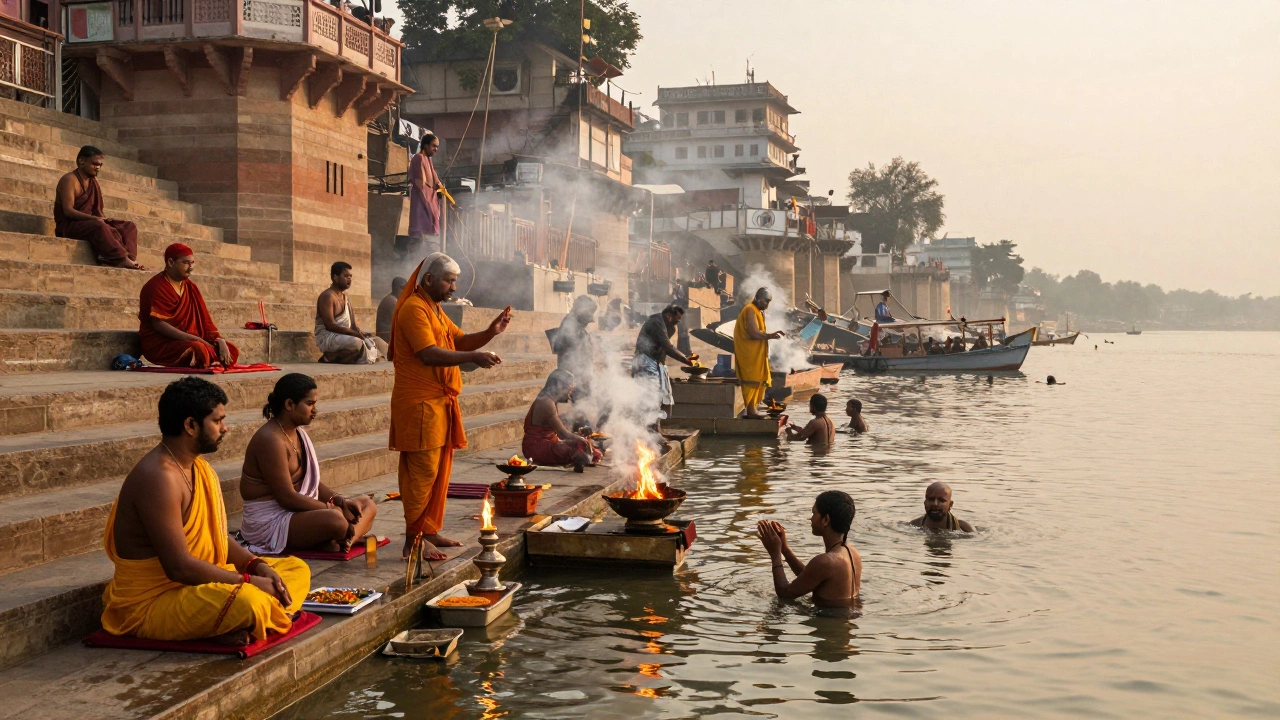
In cities like Varanasi, you see the confluence of rituals along the Ganges River. Pilgrims bathe at dawn, priests perform fire ceremonies, and monks meditate on the ghats. It is a sensory overload of incense, chanting, and color. Yet, just miles away, you might find a centuries-old mosque built by a Hindu king, or a church established during the colonial era that now serves a mixed community. This syncretism-where religious boundaries blur-is unique to the subcontinent. It creates a spiritual atmosphere that is palpable whether you are religious or not.
Festivals: The Pulse of Daily Life
If you want to understand the energy of the place, watch the calendar. India never stops celebrating. Diwali, the Festival of Lights, transforms entire neighborhoods into glowing displays of hope and prosperity. Holi, the festival of colors, turns strangers into friends as they throw colored powder in the streets. But these are just the national ones.
Regional festivals offer deeper insights. In Kerala, the Onam harvest festival features massive flower carpets and snake boat races. In Gujarat, Navratri sees women dancing Garba for nine nights straight. These events are not performances; they are community obligations and joys. Attending one gives you a front-row seat to social bonds, family structures, and traditional arts that are disappearing elsewhere in the modern world.
Culinary Diversity: More Than Curry
Let’s clear up a myth right away: "Curry" is not an Indian dish. It is a British umbrella term for a wide range of stews. Indian cuisine is defined by region, climate, and available ingredients. Food in India is a map of the land.
| Region | Key Ingredients | Signature Dish | Flavor Profile |
|---|---|---|---|
| North (Punjab/Haryana) | Wheat, dairy, ghee | Butter Chicken, Naan | Rich, creamy, hearty |
| South (Kerala/Tamil Nadu) | Rice, coconut, tamarind | Dosa, Sambar | Tangy, spicy, fermented |
| East (West Bengal/Odisha) | Rice, fish, mustard oil | Fish Curry, Sandesh | Pungent, subtle sweetness |
| West (Gujarat/Rajasthan) | Millets, lentils, dried fruits | Dal Baati Churma | Sweet-savory balance, dry |
Eating street food in Mumbai is a contact sport. You share a bench with locals, sipping cutting chai (tea) while eating vada pav (spiced potato fritters in bread). In Kolkata, you sit in plastic chairs at roadside stalls, enjoying fish curry with steamed rice. The act of eating is communal, loud, and messy. It reflects the broader cultural value of hospitality and sharing.
Arts, Music, and Dance Traditions
India’s artistic heritage is ancient and continuously evolving. Classical dance forms like Bharatanatyam from the south or Kathak from the north are not just entertainment; they are storytelling mediums rooted in mythology and devotion. Each gesture, eye movement, and foot stamp has meaning.
Music follows suit. The Raga system in classical music assigns melodies to times of day and seasons. Listening to a morning raga is meant to wake up your senses, while an evening raga is designed to soothe them. Meanwhile, Bollywood music dominates popular culture, blending Western pop beats with traditional instruments like the tabla and sitar. This fusion is everywhere-in weddings, in shops, in cars. It shows how India absorbs global influences without losing its core sound.
Architectural Heritage: Stone Stories
Walk through any old city in India, and you are walking through layers of history. The architecture tells the story of empires rising and falling. The red sandstone forts of Rajasthan speak of Rajput valor and Mughal grandeur. The intricate stone temples of Khajuraho display erotic sculptures that challenge modern modesty, celebrating life and fertility.
In the south, the Dravidian-style temples feature towering gateways called gopurams, covered in colorful statues of gods and demons. In Hyderabad, the Charminar stands as a symbol of Islamic architectural elegance. These structures are not museums; many are still active places of worship or public gathering. Preserving them while allowing them to function is a delicate balance that defines Indian heritage management.
Family Structures and Social Etiquette
Beyond the visible attractions, the invisible framework of Indian society is equally fascinating. The joint family system, where multiple generations live under one roof, is still common in rural areas and growing among urban middle classes. This structure emphasizes collective decision-making, elder care, and shared resources.
Etiquette plays a huge role in daily interactions. Removing shoes before entering a home or temple is a sign of respect. Using the right hand for eating and greeting is standard, as the left hand is considered unclean. Head wobbles-a side-to-side tilt-can mean yes, no, or maybe, depending on context. Understanding these nuances prevents misunderstandings and helps you navigate social situations with grace. It shows you are paying attention to the details that matter to locals.
Modern India: Tradition Meets Technology
India is not stuck in the past. It is a tech powerhouse with a booming startup ecosystem, particularly in Bangalore and Hyderabad. Yet, this modernity sits comfortably alongside tradition. You can order groceries via an app while wearing a silk saree. You can attend a yoga retreat in Rishikesh and then fly to Mumbai for a corporate meeting.
This duality is part of what makes contemporary Indian culture so dynamic. Young Indians are redefining gender roles, career paths, and lifestyle choices, often sparking debates with older generations. As a visitor, you witness this tension and evolution firsthand. It adds depth to the experience, showing that culture is not static but alive and changing.
How to Experience Indian Culture Authentically
To truly grasp why India is famous for its culture, you need to engage deeply. Here are some practical tips:
- Stay Local: Choose homestays or boutique hotels owned by families rather than international chains. It allows you to participate in daily routines.
- Learn Basic Phrases: Even simple greetings in the local language go a long way. It breaks the ice and shows humility.
- Attend a Local Event: Ask your host if there are any upcoming festivals or community gatherings. Participate respectfully.
- Eat Where Locals Eat: Avoid tourist traps. Look for crowded street stalls or small family-run restaurants.
- Be Patient: Things move at a different pace in India. Embrace the chaos and unpredictability as part of the cultural rhythm.
India’s fame comes from its ability to surprise you at every turn. It challenges your assumptions, delights your senses, and leaves you with stories that last a lifetime. Whether you are drawn to the spiritual, the culinary, or the artistic, there is a version of India waiting for you.
What is the most famous aspect of Indian culture?
While food and festivals are globally recognized, the most defining aspect is its diversity. India is known for having multiple religions, languages, and traditions coexisting within one nation, creating a unique cultural mosaic.
Is India safe for cultural tourism?
Yes, India is generally safe for tourists who exercise standard precautions. Cultural immersion requires respecting local customs, dressing modestly in religious sites, and being aware of your surroundings, especially in crowded areas.
What is the best time to experience Indian festivals?
The timing depends on the festival. Diwali usually falls in October or November, offering pleasant weather. Holi occurs in March, which can be hot but vibrant. Regional festivals vary, so check specific dates for the region you plan to visit.
Do I need to know Hindi to travel in India?
No, English is widely spoken in urban areas and tourist hubs. However, learning basic phrases in the local language enhances your experience and shows respect for the regional culture.
How does Indian cuisine differ by region?
Northern cuisine relies on wheat and dairy, featuring rich curries. Southern cuisine uses rice, coconut, and tamarind, resulting in tangy and spicy dishes. Eastern regions favor fish and mustard oil, while western states use millets and lentils.