Are Wildlife Sanctuaries Ethical? A Deep Dive into Animal Welfare
 Jun, 20 2026
Ethical Wildlife Sanctuary Checker
Ethical Score
Assessment
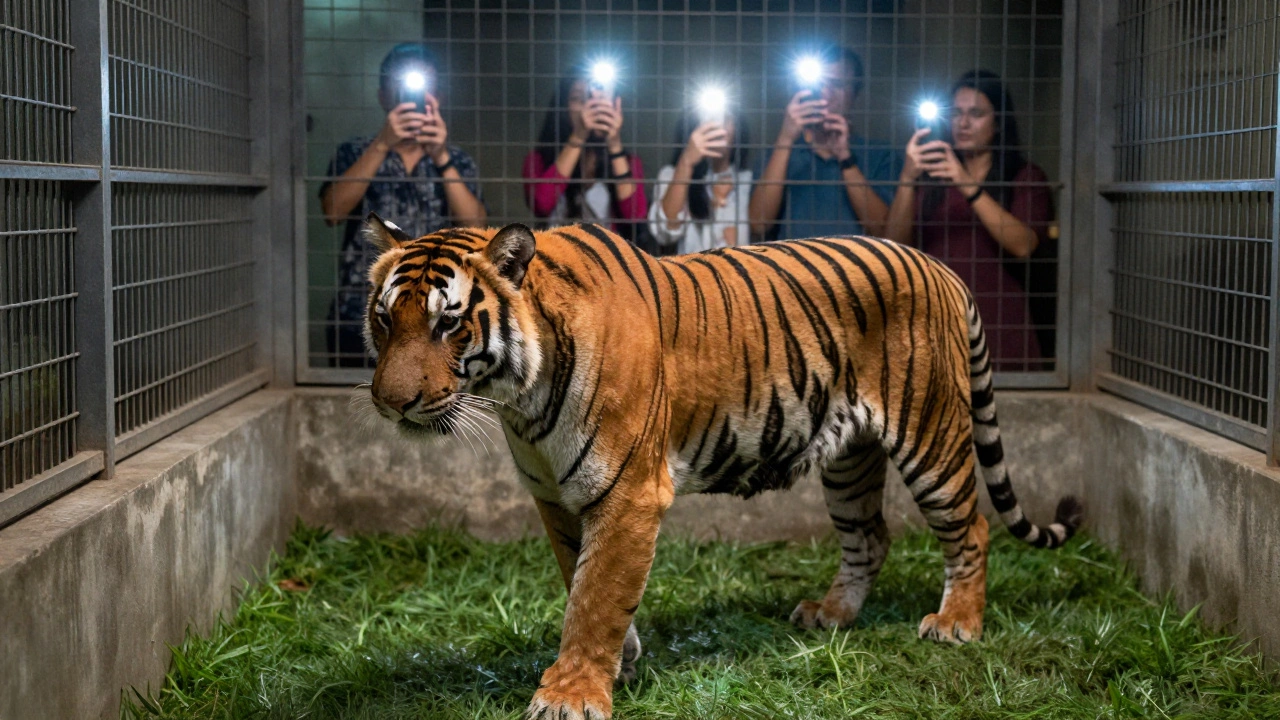
Imagine standing face-to-face with a majestic tiger. Its stripes are vivid, its eyes lock onto yours, and for a moment, you feel connected to the raw power of nature. It’s a breathtaking experience, one that many travel brochures promise. But then you notice something odd. The tiger is pacing in a small concrete enclosure. The grass is plastic. The roar sounds less like freedom and more like frustration. This scene plays out at facilities around the world that call themselves wildlife sanctuaries, which are supposed to be safe havens for animals but often operate as tourist attractions. The question isn’t just whether these places exist-it’s whether they are right. Are we protecting animals, or are we exploiting them for our entertainment? As travelers, we want to support conservation, but how do we know if a sanctuary is truly ethical? If you are looking for genuine connections elsewhere, perhaps even human ones, resources like this directory offer different kinds of personal encounters, but when it comes to wild creatures, the stakes are much higher. Let’s cut through the marketing hype and look at what really happens behind the gates.
The Promise vs. The Reality
Most people visit these places with good intentions. You see a poster showing an elephant being bathed by gentle keepers, and you book a ticket. You tell yourself you’re helping. After all, the website says every dollar goes back to care and rehabilitation. That’s the promise. The reality, however, is often starkly different. Many facilities labeled as sanctuaries are actually zoos or roadside attractions in disguise. True rehabilitation centers focus on healing injured or orphaned animals with the goal of releasing them back into the wild whenever possible. They don’t allow petting, riding, or close-up photo ops because those activities stress the animals and make release impossible. Yet, thousands of visitors pay premium prices to touch tigers, ride elephants, and hold baby monkeys, believing they are doing good. This gap between expectation and practice is where the ethical crisis begins. Consider the case of Asian elephants. In many Southeast Asian camps, calves are taken from their mothers at a very young age. To control these massive, powerful creatures, handlers use a brutal training method known as 'phajaan' or the crushing process. The calf is confined in a tiny space, deprived of food and sleep, until its spirit breaks. Only then does it submit to a rider. When tourists arrive later to take photos with the now-docile adult, they rarely ask about the years of trauma that made that interaction possible. Is that ethical? Hardly. It’s exploitation dressed up as education.
Red Flags: How to Spot a Fake Sanctuary
You don’t need to be an expert to spot the warning signs. If you’re planning a trip, keep your eyes open for these common red flags that suggest a facility prioritizes profit over welfare:
- Direct Interaction Allowed: If you can pet, ride, feed, or take selfies with wild animals, it’s not a sanctuary. Wild animals should remain wild. Any facility offering this is likely using captive-bred animals trained through abuse.
- Chained or Confined Animals: Elephants chained to trees, tigers in small cages, or birds in cramped aviaries are clear indicators of poor welfare. Sanctuaries provide large, naturalistic enclosures that mimic the wild.
- Breeding Programs for Profit: Ethical sanctuaries do not breed animals for display. If a place has many baby animals available year-round, they are likely breeding them to attract families and tourists.
- Performances and Shows: Watching animals perform tricks-like painting, dancing, or playing soccer-is cruel. These behaviors are unnatural and forced through negative reinforcement.
- No Clear Mission Statement: Legitimate organizations are transparent about their goals, funding, and animal origins. If the website is vague or focuses heavily on visitor experiences rather than animal outcomes, be skeptical.
The Economic Trap
Why do so many fake sanctuaries thrive? Because there is money in it. In developing countries, tourism is often the largest industry. Local communities rely on visitors for income. When a government promotes eco-tourism, unscrupulous operators jump in, building enclosures and buying animals to capitalize on the trend.
This creates a vicious cycle. Tourists demand interactions. Operators supply them. Governments turn a blind eye because the revenue boosts local economies. Meanwhile, genuine conservation efforts struggle for funding. Real sanctuaries, which refuse to allow touching or riding, often have fewer visitors and less income. They survive on donations and grants, not ticket sales from thrill-seekers.
Take the example of tiger temples in Thailand. For years, they attracted hundreds of tourists daily who wanted to pose with sedated or drugged cubs. Investigations revealed that the tigers were bred illegally and kept in terrible conditions. Despite public outcry, some similar operations continue under new names. The economic incentive is simply too strong for many operators to resist.
But here’s the twist: tourists are changing. More travelers are becoming aware of these issues. They’re asking questions. They’re demanding transparency. This shift is putting pressure on the industry to improve standards-or go out of business.

What Makes a Sanctuary Truly Ethical?
So, what should you look for instead? An ethical wildlife sanctuary operates with a few core principles:
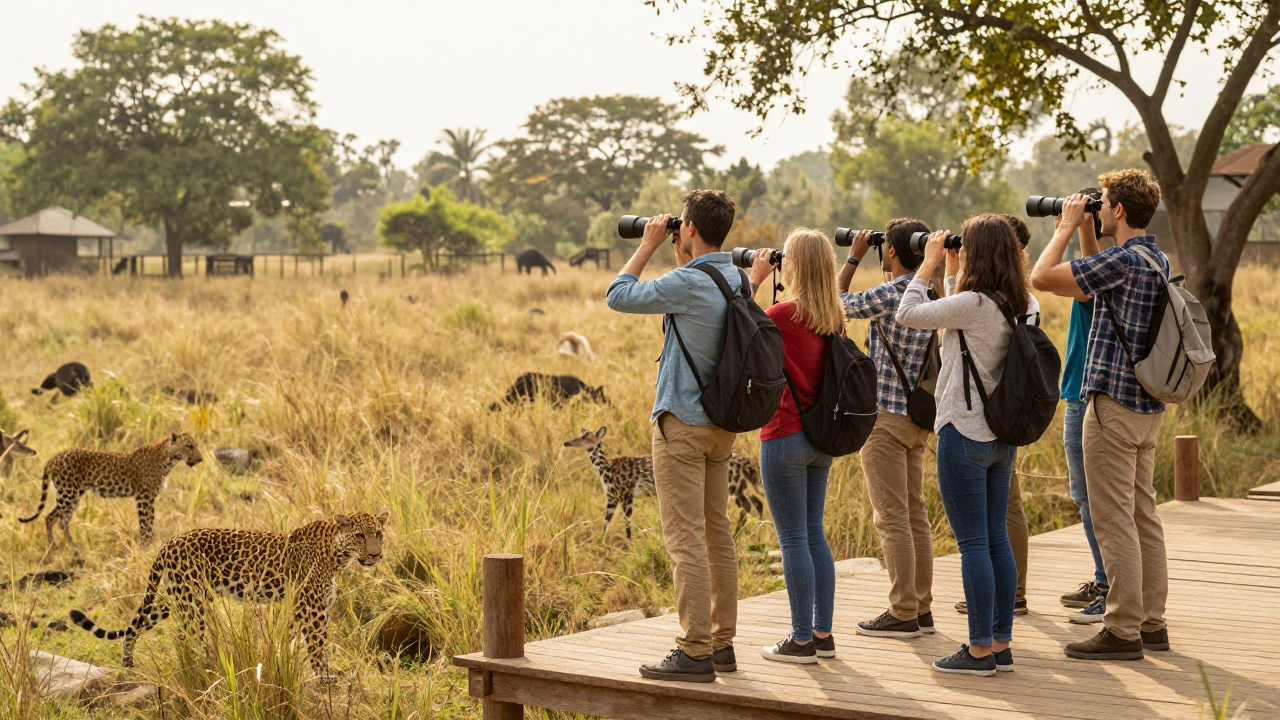
- No Direct Contact: Visitors observe from a distance. No petting, no riding, no feeding by hand. The animals are free to ignore humans entirely.
- Rescue and Rehabilitation Focus: The primary mission is to help animals that cannot survive in the wild due to injury, abandonment, or illegal trade. Release is always the first option if feasible.
- Large, Natural Enclosures: Animals roam in spaces that allow for natural behaviors-digging, climbing, swimming, foraging. Enrichment activities keep them mentally stimulated.
- Transparency: The organization shares stories of individual animals, explains their backgrounds, and reports on financials and outcomes. You can verify their claims through third-party audits or reviews.
- Education Over Entertainment: Guides talk about ecology, threats to species, and how you can help protect habitats. The focus is on learning, not laughing.
The Role of Legislation and Certification
Governments play a crucial role, but enforcement is often weak. Many countries have laws against animal cruelty, yet inspections are rare, and penalties are light. This is where independent certification bodies come in.
Look for accreditations from reputable groups like the Global Federation of Animal Sanctuaries (GFAS) or the World Association of Zoos and Aquariums (WAZA). These organizations conduct rigorous assessments of animal care, staff qualifications, and operational practices. A GFAS-accredited sanctuary meets strict international standards. Seeing that logo on a website is a strong signal that you’re dealing with a legitimate operation.
However, beware of fake certifications. Some sites create their own seals of approval or partner with obscure local groups that have no real authority. Always verify the certifying body independently. A quick search can reveal whether an accreditation is respected globally or just a marketing gimmick.
Your Power as a Traveler
Every time you buy a ticket, you vote for the kind of tourism you want to support. If you choose a facility that chains elephants, you reinforce that model. If you choose one that lets them roam free, you strengthen the market for ethical alternatives. It’s easy to feel powerless, but collective action matters. Share your experiences online. Write honest reviews. Ask friends and family why they chose certain destinations. Social media has amplified voices calling out abusive practices, leading to closures and reforms. Your voice counts. Also, consider supporting conservation remotely. Donating to established NGOs like the World Wildlife Fund (WWF) or local anti-poaching units can have a bigger impact than visiting a questionable sanctuary. Sometimes, the most ethical choice is to stay home and contribute financially to proven programs.
The Future of Wildlife Tourism
The landscape is shifting. Younger generations of travelers are more conscious of animal welfare. They reject exploitative practices and seek authentic, respectful experiences. This demographic shift is forcing the industry to adapt. We’re seeing a rise in community-based tourism, where locals lead tours in natural habitats without capturing animals. Imagine tracking gorillas in Rwanda or spotting whales off the coast of New Zealand. These experiences connect you with wildlife in their true environment, fostering appreciation without interference. They also benefit local economies directly, reducing the need for destructive industries. Technology is helping too. Virtual reality tours allow people to experience wildlife encounters without traveling, reducing pressure on sensitive ecosystems. While not a replacement for physical travel, it offers an alternative for those who can’t visit or prefer low-impact options. As we move forward, the definition of a 'sanctuary' must evolve. It shouldn’t just mean a place where animals are kept alive. It should mean a place where they live well, free from fear, and with dignity intact. That’s the standard we should hold ourselves-and the industry-to.
Can I still take photos at ethical sanctuaries?
Yes, but usually from a distance using zoom lenses. Ethical sanctuaries prohibit flash photography and getting too close, as these actions can stress animals. The goal is observation, not intrusion.
How do I verify if a sanctuary is accredited?
Check the websites of recognized bodies like GFAS or WAZA. They maintain lists of accredited members. Avoid trusting self-proclaimed badges on the sanctuary’s own site unless you can cross-reference them.
Is it ever okay to interact with wild animals?
Generally, no. Even well-intentioned interactions can alter natural behaviors and spread disease. Exceptions might include controlled scientific studies or rescue operations, but never for tourist entertainment.
What should I do if I discover abuse at a sanctuary?
Document evidence discreetly if safe, then report it to local authorities and international animal welfare organizations. Sharing verified information on social media can also raise awareness and pressure operators to change.
Are all zoos unethical?
Not necessarily. Modern, accredited zoos participate in breeding programs for endangered species and fund field conservation. However, they differ from sanctuaries in that they house animals for public display rather than solely for rescue. Research specific institutions before judging.