Best Time to Visit the Golden Triangle: A Month-by-Month Guide
 Oct, 9 2026
Golden Triangle Trip Planner
Select your preferences and click "Find My Best Month" to see recommendations.
You’ve booked your flights. You’ve downloaded the maps. But you’re staring at a calendar in October 2026, wondering if you should go now or wait until December. Here’s the blunt truth: there is no single "best" month for everyone, but there is definitely a worst one. If you show up in May, you will be fighting 45°C heat and dust storms that turn the sky brown. If you show up in July, you’ll be dodging monsoon floods. The sweet spot? It depends entirely on what you value more: comfortable weather or lower crowds.
The Golden Triangle is a popular tourist circuit in India connecting Delhi, Agra, and Jaipur, forming a roughly 700-kilometer triangle on the map. Most travelers spend 5 to 7 days here. Why does timing matter so much? Because this region sits in the semi-arid plains of North India, where temperatures swing wildly between seasons. Choosing the right month changes your experience from "survival mode" to "memorable vacation."
The Short Answer: When Should You Go?
If you want the absolute best balance of weather and sightseeing conditions, aim for October to March. This is peak season for good reason. The air is crisp, the skies are clear, and the monuments look their best under natural light. Specifically, November and February are often cited by seasoned travelers as the ideal windows. November offers post-monsoon freshness with cooler nights, while February provides pleasant daytime warmth before the summer heat begins its climb.
However, "best" comes with a price tag. Peak season means higher hotel rates and longer queues at major sites like the Taj Mahal. If you hate crowds and don’t mind a little chill, early March or late October can be golden compromises. You get decent weather without the Christmas/New Year surge.
| Period | Weather Conditions | Crowd Levels | Cost & Availability | Verdict |
|---|---|---|---|---|
| Oct - Nov | Pleasant (15-30°C), clear skies | High (Peak starts) | High prices, book early | Excellent weather, great light |
| Dec - Jan | Cold mornings/nights (5-20°C) | Very High (Holiday rush) | Highest prices, limited rooms | Festive vibe, bring warm layers |
| Feb - Mar | Mild to Warm (18-32°C) | Moderate to High | Moderate prices | Great balance, fewer holidays |
| Apr - Jun | Scorching Heat (35-45°C+) | Low | Lowest prices, AC essential | Hardcore travelers only |
| Jul - Sep | Humid, Rainy, Overcast | Low to Moderate | Discounts available | Lush landscapes, risk of closures |
Why October and November Are Often Rated Highest
Let’s talk about why October gets so much love. After four months of intense monsoon rains, the air clears out completely. The humidity drops significantly, which is a massive relief if you’re coming from humid coastal cities or tropical climates. Temperatures hover around a comfortable 25°C during the day. You can walk around the Red Fort in Delhi or explore Amber Fort in Jaipur without sweating through your shirt within ten minutes.
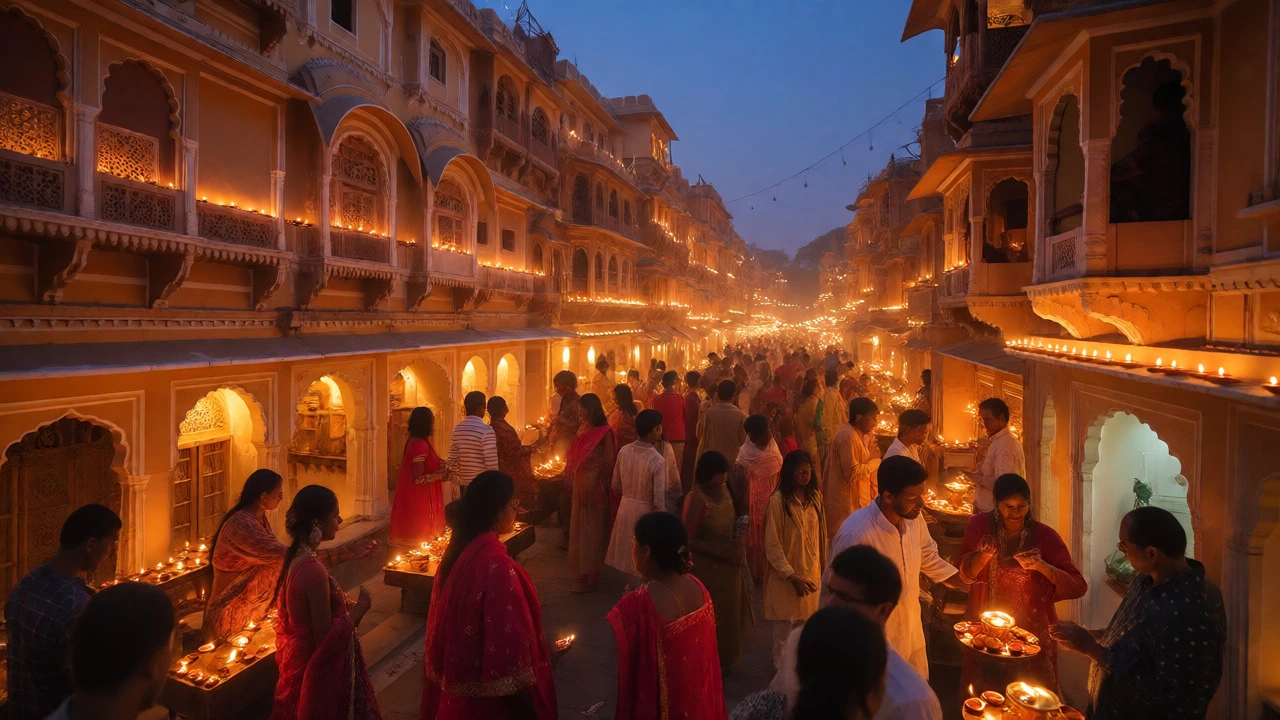
November adds another layer: cultural vibrancy. Diwali, the Festival of Lights, usually falls in late October or November. Seeing Delhi and Jaipur lit up with millions of diyas (oil lamps) is an unforgettable visual experience. Just be warned: domestic tourism spikes during Diwali. Train tickets sell out weeks in advance, and hotels fill up fast. If you plan to visit during Diwali, book everything three months ahead.
The Winter Chill: What to Expect in December and January
Many people underestimate how cold North India gets in winter. We aren’t talking about mild breezes. In January, morning temperatures in Agra and Jaipur can drop to 4°C or even lower. Frost is common. If you’re planning to see the Taj Mahal at sunrise-which you absolutely should do-you need thermal layers, gloves, and a hat. The stone floors of monuments feel icy underfoot.
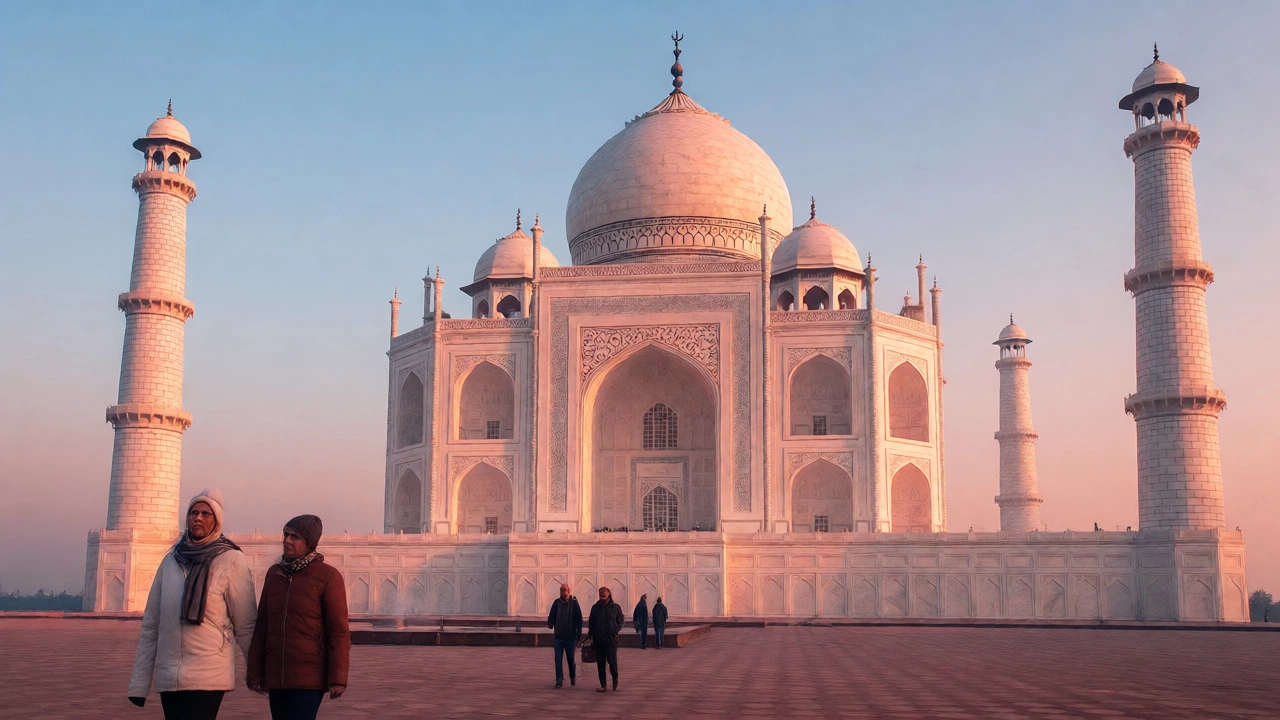
But here’s the upside: the clarity of the air is unmatched. Pollution levels are generally lower than in summer because wind patterns disperse smog. The white marble of the Taj Mahal glows pinkish-orange at dawn against a pale blue sky. It’s photographer heaven. However, December is also wedding season in India. Luxury hotels in Udaipur and Jaipur are often fully booked by private parties, driving up room rates for tourists. If budget is a concern, avoid the last two weeks of December.
Should You Visit During Summer (April-June)?
Is it impossible? No. Is it pleasant? Rarely. Daytime temperatures regularly exceed 40°C. The heat radiates off the sandstone buildings, creating a furnace-like effect. Outdoor activities become restricted to early mornings (before 9 AM) and evenings (after 5 PM). Midday is strictly for resting in air-conditioned rooms.
Who actually goes in summer? Backpackers on a tight budget and photographers chasing specific lighting effects who don’t mind the discomfort. Hotels offer steep discounts-sometimes 40-50% off peak rates. You’ll have monuments almost to yourself. But you must stay hydrated aggressively. Carry electrolytes, not just water. And wear breathable cotton or linen. Synthetic fabrics will stick to you instantly.
Monsoon Season: Lush Greenery vs. Logistics
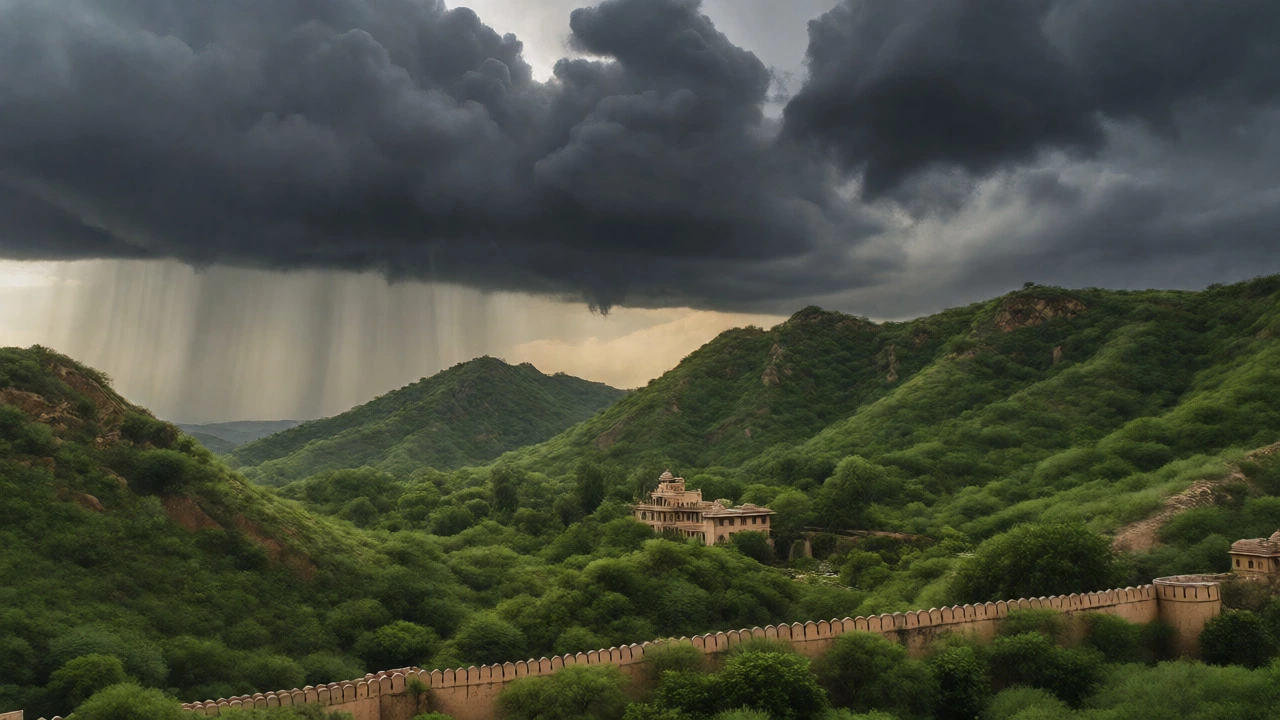
July through September brings heavy rain to the region. While the rest of India dries out, the Aravalli hills around Jaipur turn vibrant green. The landscape looks dramatic and alive. Crowds are thin, and you might find incredible deals on heritage hotels.
The catch? Travel disruptions. Trains may delay due to flooding tracks. Roads between cities can become hazardous. Some outdoor markets close during downpours. Also, humidity remains high even when it’s raining, making it feel sticky rather than cool. If you visit during monsoon, build buffer days into your itinerary in case of delays. Check weather forecasts daily; sudden cloudbursts can happen.
Tailoring Your Trip to Your Interests
Your "best" month depends on your primary goal. Let’s break it down by traveler type:
- Photographers: Go in November or February. The angle of the sun is perfect for capturing shadows on the intricate carvings of Fatehpur Sikri or the domes of Humayun’s Tomb. Light is soft, colors pop.
- Budget Travelers: Try April or June. Prices plummet. Negotiate hard with rickshaw drivers and guides-they are desperate for business. Stay in hostels or guesthouses with strong AC.
- Families with Kids: Stick to October or February. Extreme heat tires children quickly. Cold winters require too many clothes and can make kids cranky. Mild weather keeps energy levels high for exploring.
- Culture Enthusiasts: Aim for November (Diwali) or February (Holi preparations begin). You’ll witness local traditions in full swing.
Practical Tips for Any Season
No matter when you go, some rules apply. First, dress modestly. Both men and women should cover shoulders and knees when entering religious sites like mosques or temples. This isn’t just about respect; it helps regulate body temperature in hot weather and protects from sunburn.
Second, hydration strategy matters. Tap water is risky for foreign stomachs. Buy sealed bottled water from reputable brands like Bisleri or Aquafina. Avoid ice in drinks unless you’re sure it’s made from purified water. Street food is delicious but stick to cooked, hot items during monsoon to avoid bacterial issues.
Third, plan your transit wisely. The train journey from Delhi to Agra takes about 2 hours on the Gatimaan Express or Vande Bharat. Book these trains online via IRCTC as soon as they open for booking (usually 120 days in advance). They sell out fast, especially in peak season. Flights between these cities are short but often involve long security checks and transfers, making trains faster door-to-door.
A Sample Itinerary Adjustment Based on Season
If you’re visiting in winter, start your day very early. Wake up at 5 AM for the Taj Mahal opening at sunrise. By 10 AM, retreat to a café for chai and breakfast as the sun gets harsher. Spend midday indoors at museums or shopping complexes. Resume sightseeing after 4 PM.
In summer, flip this. Sleep in slightly later, hit the major sites immediately at 7 AM when gates open, then retreat by 11 AM. Use the afternoon for spa treatments, pool time, or indoor activities. Go back out after sunset for night bazaars in Jaipur, which are cooler and lively.
Remember, the Golden Triangle is dense with history. Don’t try to cram everything into three days. Pick two main sites per city. For example, skip lesser-known forts in Jaipur if you’re exhausted by the heat. Quality over quantity prevents burnout and ensures you actually enjoy the grandeur of places like the City Palace or Qutub Minar.
Frequently Asked Questions
Is it safe to drink tap water in the Golden Triangle?
Generally, no. Foreign visitors should stick to sealed bottled water or filtered water provided by hotels. Tap water may contain bacteria or minerals that cause digestive upset for those not accustomed to it. Always check the seal on bottles before purchasing.
How many days do I need for the Golden Triangle?
A minimum of 5 days is recommended to see the highlights comfortably. This allows 2 days for Delhi, 1 day for Agra (including sunrise/sunset at the Taj), and 2 days for Jaipur. Adding Ranthambore National Park for tiger safaris extends the trip to 7-8 days.
Do monuments close on specific days?
Yes. The Taj Mahal is closed on Fridays. Many other historical sites in Delhi and Jaipur also close on Fridays or Mondays. Always check the official ASI (Archaeological Survey of India) website or your hotel concierge for current closure schedules before planning your weekly itinerary.
What should I pack for a winter visit?
Pack layers. Mornings and nights can be near freezing, while afternoons are mild. Bring a warm jacket, scarf, gloves, and thermals. Comfortable walking shoes are essential, as you will walk several kilometers daily. A small umbrella is useful for occasional winter showers.
Is bargaining expected in markets?
Absolutely. In places like Chandni Chowk (Delhi) or Johari Bazaar (Jaipur), starting prices are often inflated. Start at 50% of the quoted price and negotiate politely but firmly. Fixed-price stores exist in malls and larger shops, but street vendors expect haggling.