Food and Travel in India: Eat Like a Local, Explore With Confidence
When you think of Food and Travel in India, the blend of bold flavors, regional diversity, and cultural rituals that shape how people eat while on the move. It’s not just about where you go—it’s what you bite into along the way. Whether you’re walking through a spice market in Kerala or hopping on a train in Tamil Nadu, your next meal is part of the journey. This isn’t just sightseeing—it’s tasting history, tradition, and daily life.
Indian cuisine, a vast collection of regional cooking styles shaped by climate, religion, and trade over thousands of years doesn’t have one single dish. It has hundreds. In the north, it’s buttery naan and rich curries. In the south, it’s coconut-based stews, steamed idlis, and fiery chutneys. And at the heart of it all? rice, the most consumed staple across India, eaten daily by over 60% of the population in forms like dosa, pongal, and biryani. You won’t find a single region where rice isn’t the silent backbone of every meal.
But here’s the real question travelers ask: Is it safe to eat salad in India? The answer isn’t yes or no—it’s about knowing where and how. Street vendors selling fresh veggies? Often fine if they rinse in clean water and you watch them prep. Fancy hotel buffets? Sometimes riskier if the produce isn’t locally sourced. And in South India, where coconut and tamarind dominate, you’ll find more pickled and fried options that naturally reduce bacteria. It’s not about avoiding fresh food—it’s about reading the signs: steam rising from a pot, hands washed, onions peeled in front of you.
Travelers who stick to local habits do better. Eat where locals queue. Choose hot, freshly cooked food over cold platters. Skip iceberg lettuce unless you’re in a high-end hotel. And don’t fear the roadside stall with five-star ratings from locals—even if it’s just a plastic stool and a metal tawa. The best food in India isn’t always in a restaurant. It’s in the alley, by the temple, or on the platform as your train pulls in.
South Indian food isn’t just spicy—it’s layered. Chettinad’s black pepper and star anise, Kerala’s coconut milk and curry leaves, Karnataka’s jowar roti and mysore pak. Each state has its own rhythm. And when you pair that with the rhythm of travel—early morning markets, afternoon chai breaks, late-night snacks—you start to see how food isn’t a stop on the trip. It’s the trip.
So whether you’re trying to figure out why rice rules the plate, wondering if that colorful salad will make you sick, or just looking for the next best dosa, you’re not just planning a meal. You’re planning a cultural experience. Below, you’ll find real guides from travelers who’ve been there—no fluff, no guesswork. Just what works, what to avoid, and where to find the food that stays with you long after you’ve left the table.
- Jan, 23 2026
- 0 Comments
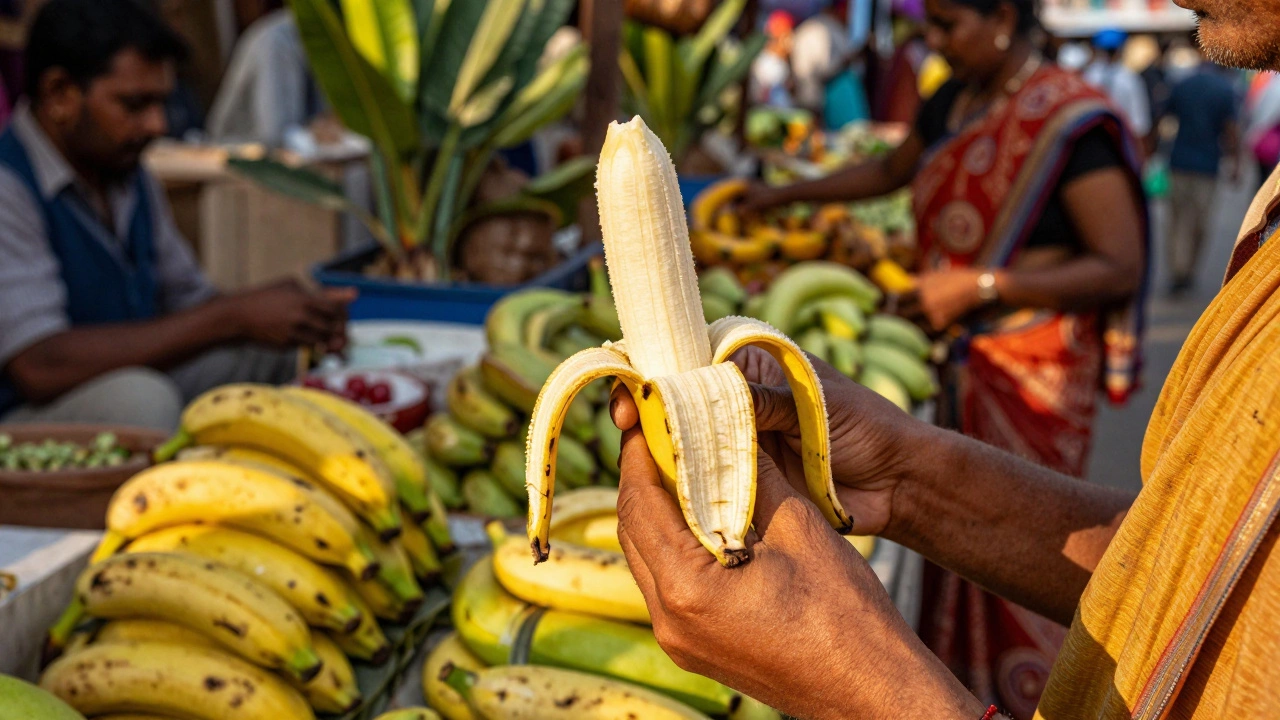
Bananas are one of the safest fruits to eat in India thanks to their natural peel. Learn why travelers rarely get sick from them, how to pick and eat them safely, and how they compare to other fruits.
More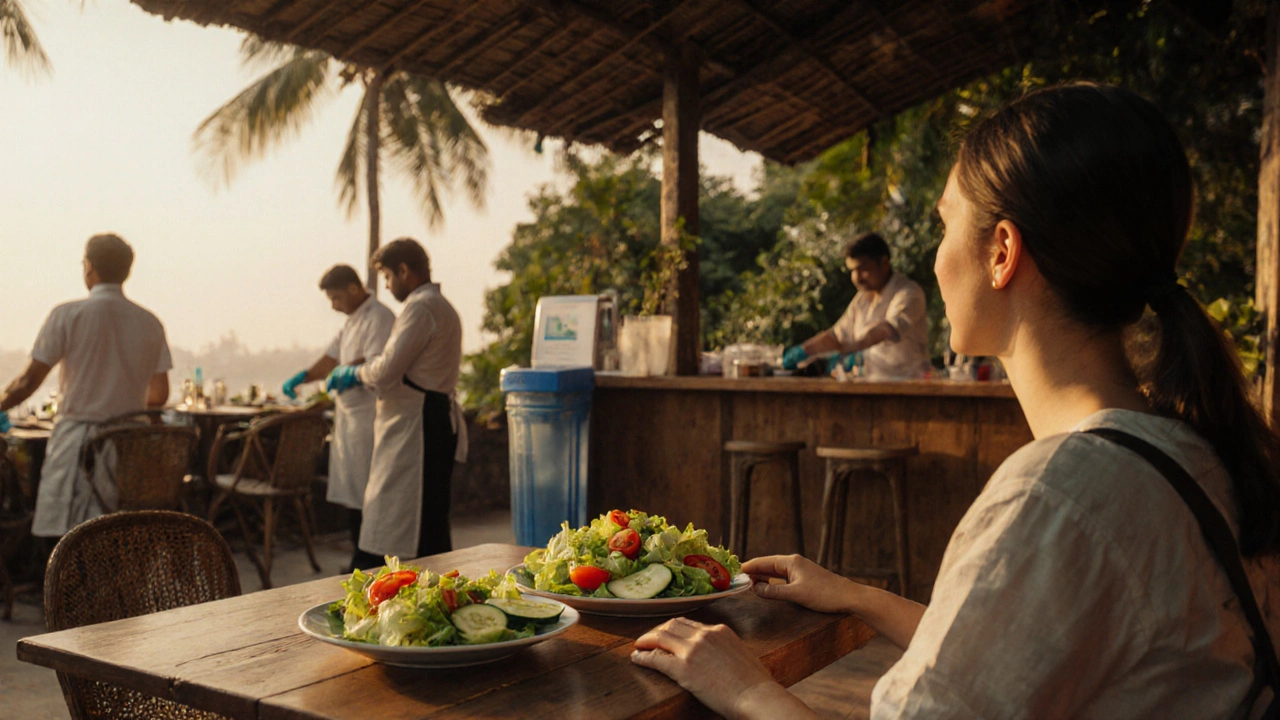
- Nov, 21 2025
- 0 Comments
Is it safe to eat salad in India? Learn how to enjoy fresh vegetables without getting sick-smart tips for travelers in South India on where to eat, what to avoid, and how to stay healthy.
More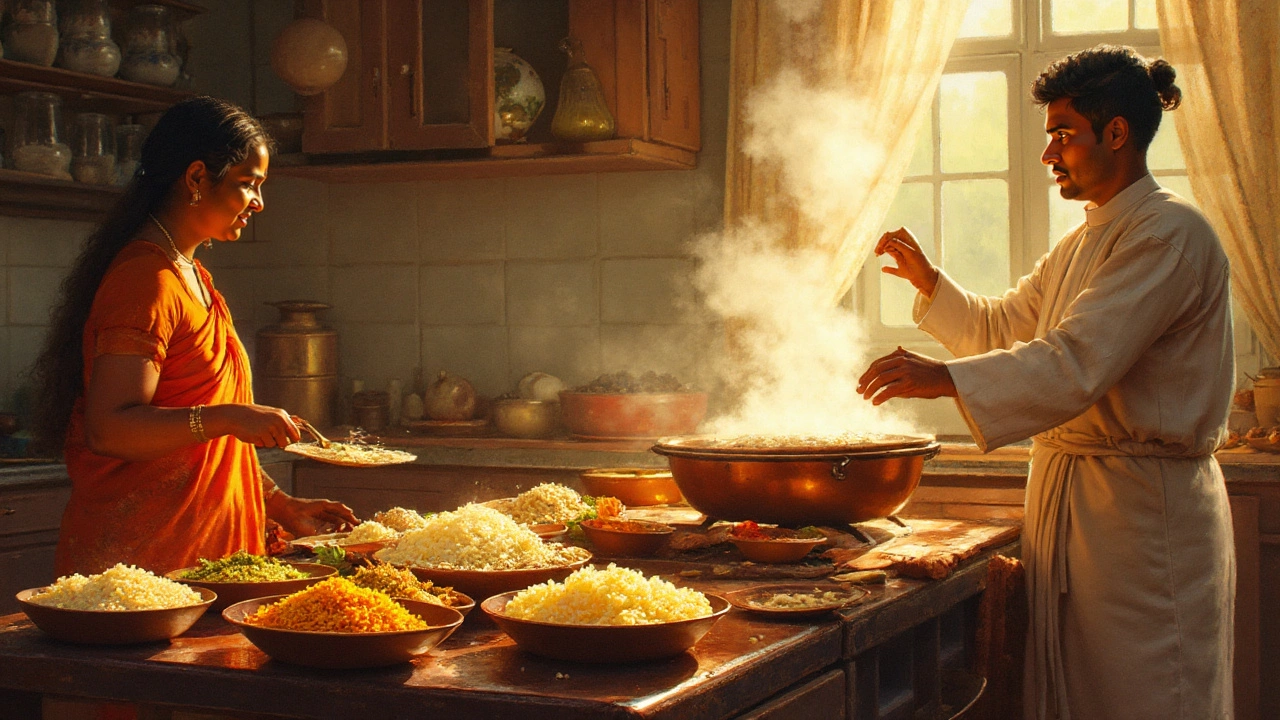
- Sep, 23 2025
- 0 Comments
Discover why rice is the most eaten food in India, backed by consumption data, regional habits, and its role in Indian cuisine.
More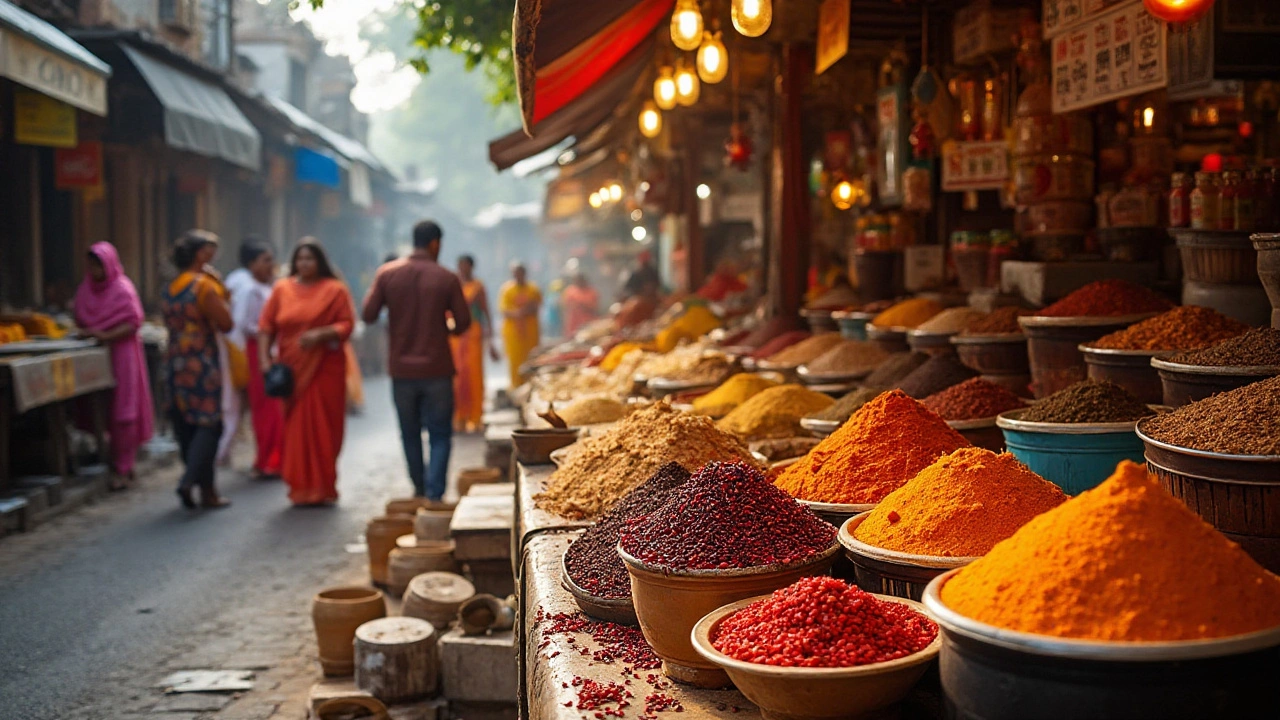
- Jan, 2 2025
- 0 Comments
South India is a treasure trove of culinary delights, where each state offers unique flavors and iconic dishes. This article delves into the diverse and rich culinary traditions of South Indian states, highlighting what makes each state's cuisine special. From the spicy Chettinad cuisine of Tamil Nadu to the seafood-rich dishes of Kerala, readers will embark on a flavorful journey. The article provides insights into must-try dishes, cooking styles, and local eating tips, making it a handy guide for food enthusiasts planning a trip.
More