India's Most Beautiful Place: Top Contenders & Travel Guide
 Oct, 27 2026
North India Beauty Finder
Not sure which part of North India to visit? Answer three quick questions to find your perfect match.
Question 1 of 3
What kind of landscape appeals to you most?
Ask ten travelers for India's most beautiful place, and you'll get ten different answers. That's because India isn't just one destination; it's a continent masquerading as a country. From the frozen peaks of Ladakh to the emerald backwaters of Kerala, the visual diversity is staggering. But if we focus on North India, where dramatic mountain vistas meet ancient history, the debate gets heated fast.
Is it the houseboats of Dal Lake? The monastic silence of Spiti Valley? Or perhaps the pink hues of Jaipur at sunset? There is no single objective winner, but there are clear front-runners depending on what kind of beauty moves you. This guide breaks down the top contenders, helping you decide which slice of paradise fits your next trip.
The Case for Kashmir: Switzerland of the East
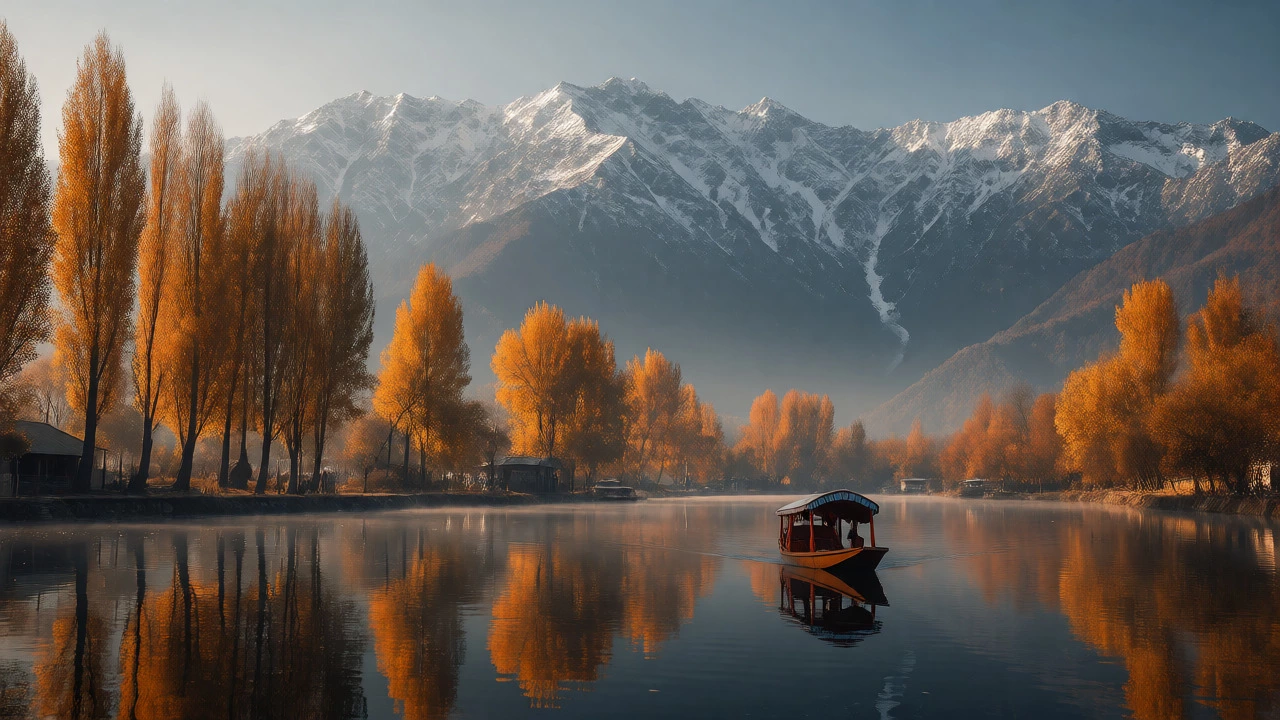
For decades, Kashmir has held the title of "Paradise on Earth" in local folklore and tourist brochures alike. And honestly, the hype is mostly deserved. When you float on a shikara across Dal Lake in Srinagar, surrounded by chinar trees turning gold in autumn or snow-dusted in winter, the scene feels almost cinematic.
Gulmarg, known as the "Meadow of Flowers," transforms into a ski resort in winter and a trekking hub in summer. The gondola ride here offers panoramic views that rival anything in the Alps. However, beauty comes with caveats. Accessibility can be tricky due to weather closures or security advisories. You need to check current travel guidelines before booking flights to Srinagar International Airport.
- Best time to visit: March to October for greenery; December to February for skiing.
- Must-do experience: Houseboat stay on Dal Lake or Nigeen Lake.
- Hidden gem: Dachigam National Park for spotting Hangul deer.
Ladakh: Where Earth Meets Sky
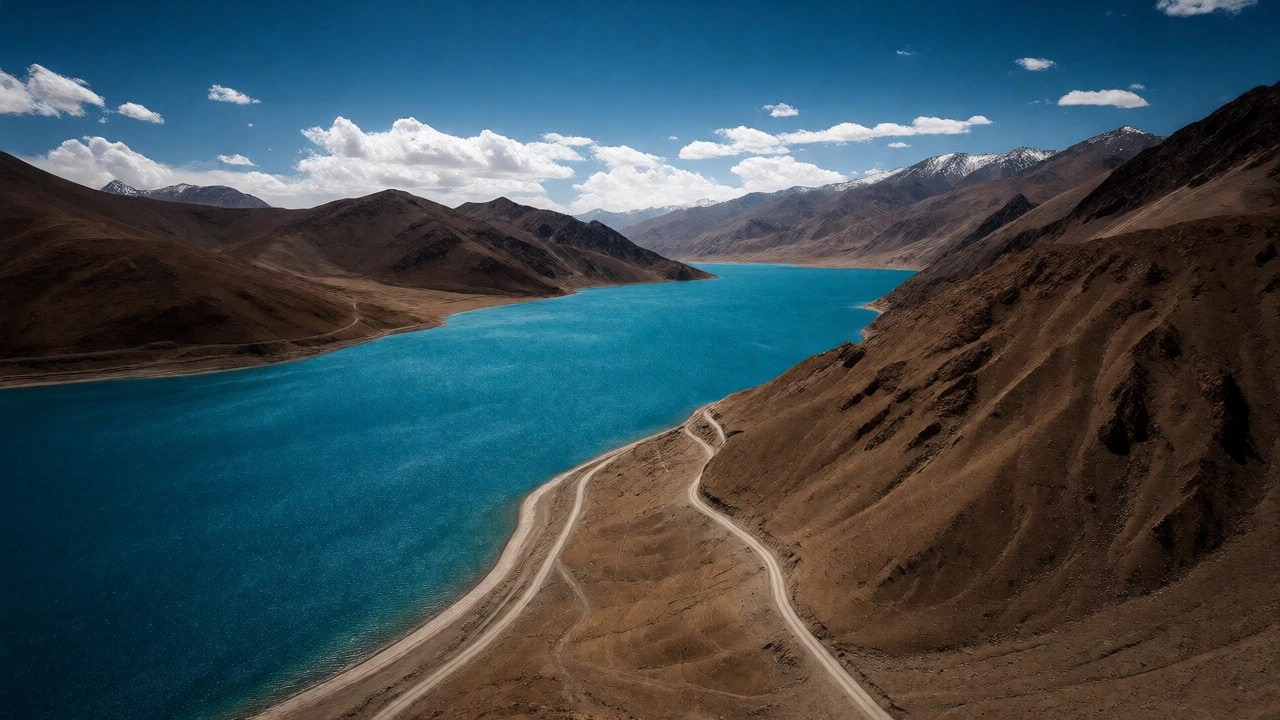
If Kashmir is lush, Ladakh is raw. This high-altitude desert looks like Mars landed on Earth. The stark contrast between the brown mountains and the turquoise waters of Pangong Tso lake creates visuals that look digitally enhanced, yet they are entirely natural. Nubra Valley adds another layer with its sand dunes and Bactrian camels, an oddity that makes no sense geographically until you see it.
The road trips here are legendary. Driving over Khardung La, one of the highest motorable passes in the world, tests both your vehicle and your lungs. Altitude sickness is real here. Spend two days acclimatizing in Leh before heading higher. The cultural beauty matches the physical landscape-monasteries like Hemis and Thiksey offer spiritual depth alongside stunning architecture.
| Destination | Primary Appeal | Best Season | Difficulty Level |
|---|---|---|---|
| Kashmir | Lush valleys, lakes, gardens | Apr-Oct | Moderate |
| Ladakh | Arid mountains, blue lakes, monasteries | May-Sep | High (Altitude) |
| Himachal Pradesh | Pine forests, colonial charm, temples | Mar-Jun, Sep-Nov | Low-Moderate |
| Rajasthan | Forts, deserts, vibrant culture | Oct-Mar | Low |
Himachal Pradesh: The Green Heart
While Ladakh screams for attention, Himachal Pradesh whispers. It’s greener, more accessible, and packed with hill stations that feel like cozy retreats. Manali is the gateway to adventure sports, while Shimla retains its British colonial elegance. But the real magic lies off the beaten path in places like Spiti Valley.
Spiti sits at the intersection of Himachal and Ladakh, offering a blend of green pastures and barren cliffs. The Key Monastery perched on a hilltop against a backdrop of snow-capped peaks is one of the most photographed scenes in Asia. Unlike the crowded tourist hubs, Spiti demands respect from nature. Roads are narrow, electricity is scarce, and mobile signals are non-existent in many stretches. This isolation enhances the beauty, forcing you to disconnect and truly observe the surroundings.
Rajasthan: Beauty in Stone and Color
Not all beauty is wild. Some of it is built. Rajasthan offers architectural splendor that few places on earth can match. Jaipur, the Pink City, glows under the setting sun, especially when viewed from Nahargarh Fort. The intricate jharokhas (balconies) and havelis tell stories of royal opulence.
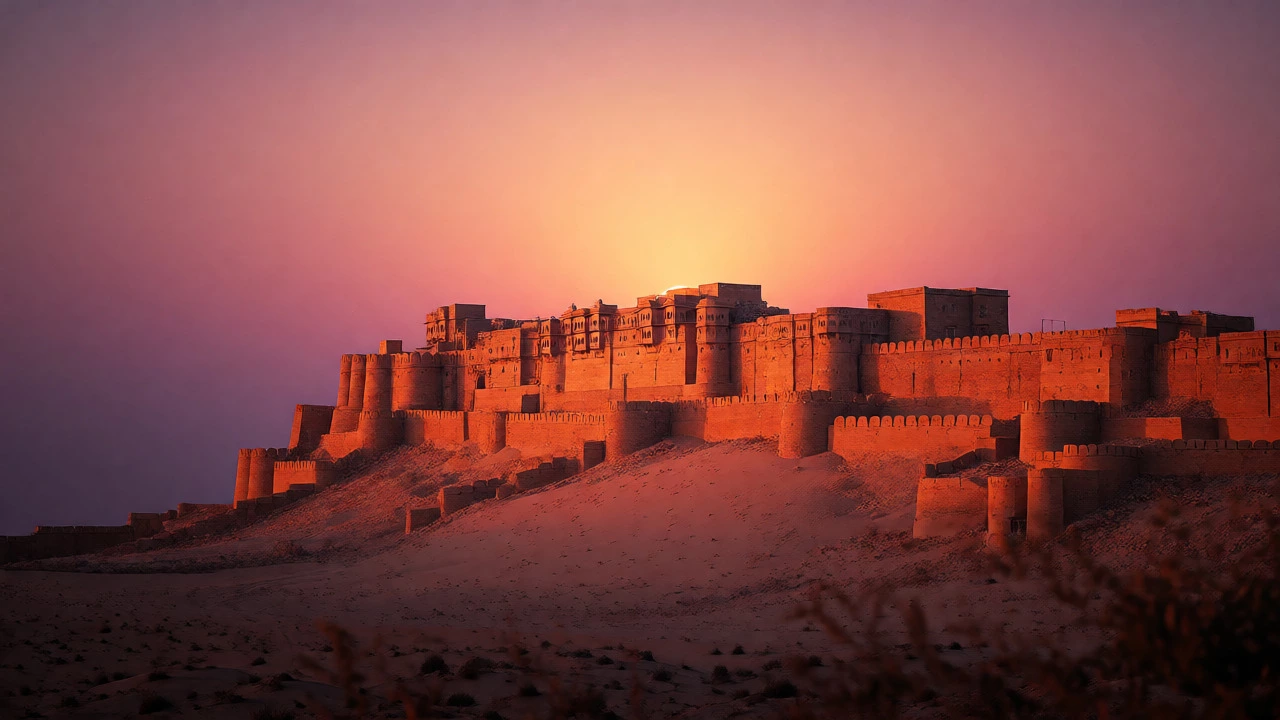
Move west to Jaisalmer, the Golden City, rising from the Thar Desert like a mirage. The living fort here is unique-you can still buy groceries inside its walls. Then there’s Udaipur, the City of Lakes, often called the Venice of the East. Its palace complexes reflected in Lake Pichola create romantic settings that attract honeymooners globally. Rajasthan’s beauty is human-made, celebrating craftsmanship and heritage.
Beyond North India: The Southern Contender
You can’t discuss India’s beauty without mentioning the south. Kerala’s backwaters offer a tranquil pace of life completely opposite to the Himalayan intensity. Drifting through palm-fringed canals on a traditional houseboat, watching fishermen cast nets at dawn, provides a serene aesthetic that many find equally compelling. While this article focuses on North India, Kerala remains a strong competitor for the overall title due to its lush biodiversity and calm atmosphere.
How to Choose Your Perfect View
Selecting the "most beautiful" place depends on your personal triggers. Do you crave solitude and vastness? Head to Ladakh or Spiti. Do you prefer comfort mixed with scenic grandeur? Kashmir or Udaipur might suit you better. Are you drawn to history and color? Rajasthan wins hands down.
Consider logistics too. North India’s best spots are often remote. Flight connections to Leh or Srinagar can be delayed by fog or wind. Road conditions vary wildly. Always build buffer days into your itinerary. Beauty shouldn’t come at the cost of extreme stress, unless you’re seeking that specific thrill.
Practical Tips for Travelers
- Permits: Foreign nationals need Inner Line Permits for parts of Ladakh and Spiti. Apply online via official government portals.
- Currency: Carry cash. ATMs are sparse in remote areas like Zanskar or Kinnaur.
- Health: Pack basic medications. Altitude sickness meds like Diamox are common, but consult a doctor first.
- Respect: Dress modestly in religious sites. Ask permission before photographing locals.
Is Kashmir safe for tourists?
Generally, yes. Tourist circuits like Gulmarg, Pahalgam, and Sonamarg remain popular and secure. However, always check recent travel advisories from your home country and local news before traveling, as situations can change rapidly.
What is the best month to visit Ladakh?
June to September is ideal. During these months, roads are open, temperatures are moderate, and Pangong Lake is accessible. Winter visits require specialized planning due to heavy snow and limited facilities.
Do I need a visa for North India?
Most foreign nationals require a visa. The e-Visa is available for many countries and covers entry points in Delhi, Mumbai, and other major cities. Ensure your passport has at least six months validity remaining.
Which place is cheapest to visit?
Rajasthan generally offers more budget-friendly options compared to Ladakh or Kashmir. Hostels, guesthouses, and local transport are cheaper. In high-altitude regions, costs rise due to logistical challenges and seasonal demand.
Can I visit multiple places in one trip?
Yes, but plan carefully. Combining Delhi, Jaipur, and Agra (the Golden Triangle) is easy. Adding Kashmir or Ladakh requires extra time due to long travel distances. A 10-day trip allows for a reasonable mix of two distinct regions.