Is an Overnight Train Worth It? The Honest Truth About Sleeper Trains in 2026
 Jun, 16 2026
Overnight Train vs. Flight Cost Calculator
Results
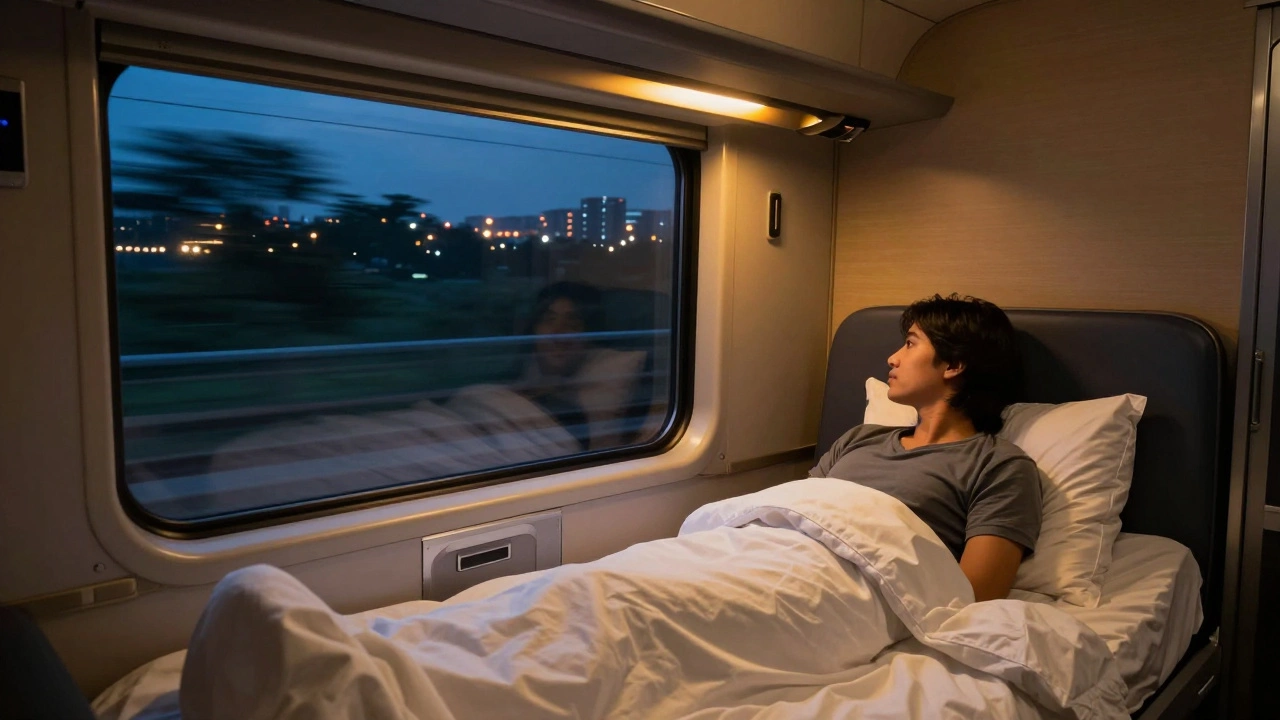
Picture this: You’re exhausted from a long day. Instead of dragging your suitcase through a sterile airport terminal, standing in security lines, and squeezing into a cramped economy seat, you step onto a train. Your room has a real bed. There’s hot water. Maybe even a window to watch the countryside blur by as you drift off. By morning, you wake up in a new city, refreshed and ready to explore.
That’s the promise of overnight train travel. But is it actually worth the money and time compared to a quick red-eye flight? The answer isn’t a simple yes or no. It depends entirely on what you value more: pure speed or the experience itself.
Is sleeping on a train comfortable?
It depends on the class. Basic sleeper berths can be noisy and cramped, but private cabins with en-suite facilities offer hotel-like comfort. Always check reviews for specific routes before booking.
The Real Cost: Time vs. Money
Let’s talk numbers first because that’s usually the biggest hurdle. If you’re flying from London to Paris, it takes about one hour in the air. But when you factor in getting to Heathrow, security, boarding, landing, and collecting bags, you’re looking at four to five hours door-to-door. The Eurostar takes about two hours and fifteen minutes, leaving you right in central Paris.
In this scenario, the train wins on convenience, not just speed. But what if you’re traveling across continents? A flight from New York to Chicago takes three hours. An overnight train might take twenty-four. That’s a huge difference. However, consider the hidden costs of flying. Layovers add stress. Lost luggage adds panic. Airport hotels add expense. When you book a sleeper train, you’re often paying for accommodation included in the ticket price. In many cities, a decent hotel room costs $150-$200 a night. If your train cabin is $180, you haven’t really spent extra-you’ve just shifted where you sleep.
Think about your daily schedule. If you fly at night, you lose a full day to transit and jet lag. With an overnight train, you turn "dead time" into productive rest. You arrive in the morning, grab breakfast, and start your vacation immediately. For business travelers or tight-itinerary tourists, that saved daylight hour is priceless.
Comfort Levels: From Berth to Suite
Not all overnight trains are created equal. This is where the category luxury train journeys comes into play. At the low end, you have shared compartments with bunk beds. These are cheap but can be loud, smelly, and insecure. You’re sharing space with strangers who might snore, leave lights on, or talk loudly at 3 AM.
At the high end, you have private suites. Think of the Venice Simplon-Orient-Express or Japan’s Seven Stars in Kyushu. Here, you get a full-size bed, a bathroom with a shower, fine dining, and impeccable service. These aren’t just transport; they’re destinations themselves. Prices here can rival five-star hotels, sometimes exceeding $1,000 per night. Is it worth it? If you treat it as a romantic getaway or a special celebration, absolutely. If you just want to get from Point A to Point B efficiently, probably not.
Most travelers fall in the middle. Modern European night trains (like ÖBB Nightjet or SNCF Intercités de Nuit) offer private cabins with washbasins and access to shared showers. They’re clean, quiet, and reasonably priced. This is the sweet spot for most people. You get privacy without breaking the bank.
| Feature | Economy Flight | Basic Sleeper Train | Luxury Train Cabin |
|---|---|---|---|
| Speed | Fastest | Slow | Very Slow |
| Cost (Avg.) | $100-$300 | $80-$150 | $500-$1500+ |
| Sleep Quality | Poor | Moderate | Excellent |
| Convenience | Low (Airports) | High (City Centers) | High (City Centers) |
| Experience | Functional | Authentic | Memorable |
The Experience Factor
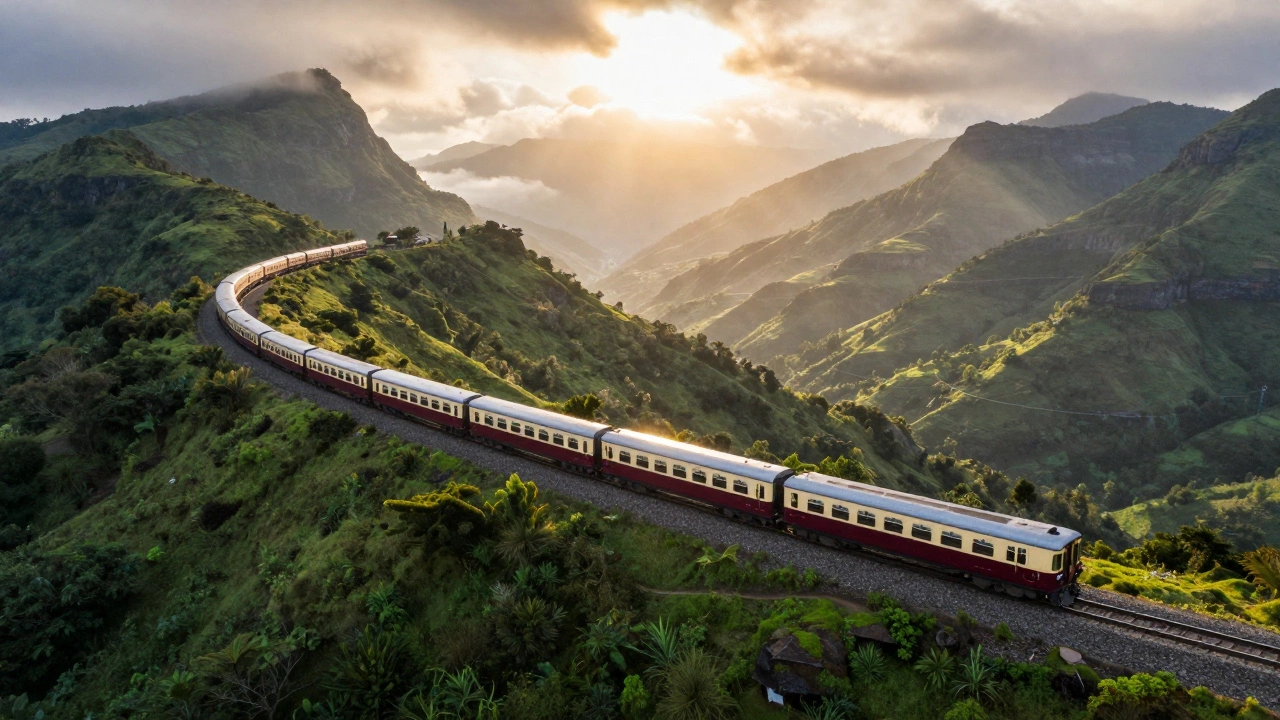
Why do people choose trains over planes? It’s rarely about efficiency. It’s about the vibe. There’s something magical about watching the world change outside your window while you sleep. In Europe, you might wake up to the Alps towering over the tracks. In India, the Palace on Wheels offers a glimpse into royal history. In North America, the Canadian Rockies Railway provides breathtaking scenery that you’d miss entirely from 30,000 feet.
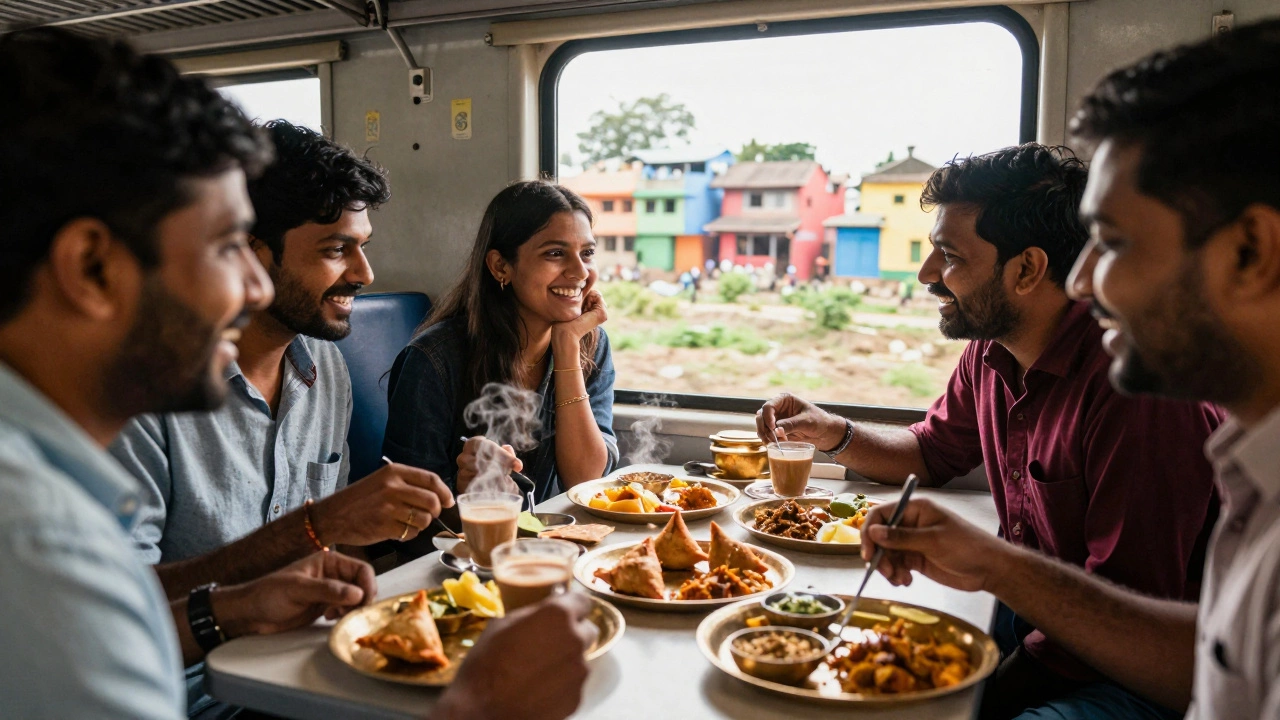
Trains also connect you to local culture. Stations are often architectural landmarks. Dining cars serve regional specialties. You chat with fellow passengers-locals, other travelers, historians-who share stories you’d never hear in an airport lounge. This human connection is part of the charm. It turns travel into a narrative rather than a transaction.
However, don’t romanticize it too much. Trains can be delayed. Tracks can be icy. Noise from wheels on rails can be jarring. If you’re a light sleeper, bring earplugs. If you hate confinement, ensure you have enough legroom. Research the specific route. Some overnight trains are legendary for their reliability; others are known for chaos.
Who Should Take an Overnight Train?
You should definitely consider an overnight train if:
- You value city-center arrivals: Flying often drops you 40 miles from downtown. Trains drop you in the heart of the action.
- You’re eco-conscious: Trains produce significantly fewer carbon emissions per passenger than short-haul flights. Taking the train is a tangible way to reduce your travel footprint.
- You want to save on hotels: Combining transport and accommodation saves money and packing hassle.
- You enjoy the journey: If you find airports stressful and boring, trains offer a relaxed, scenic alternative.
Avoid overnight trains if:
- Time is critical: If you need to be somewhere in under 5 hours, fly.
- You’re on a strict budget: While basic sleepers are cheap, they’re not always cheaper than budget airlines like Ryanair or Spirit, especially when booked last minute.
- You suffer from severe anxiety about confined spaces: Though less common than fear of flying, some people feel trapped on trains.
Tips for a Smooth Journey
If you decide to try it, preparation is key. First, book early. Popular routes sell out months in advance, especially during summer or holidays. Second, pack smart. Bring a change of clothes, toiletries, and comfortable shoes. You’ll likely walk around the station upon arrival. Third, secure your belongings. Even in private cabins, keep valuables with you or use a small lock for your bag. Fourth, eat well. Train food can be expensive and mediocre. Bring snacks, but respect your neighbors’ senses-avoid strong-smelling foods like durian or hard-boiled eggs in shared compartments.
Finally, embrace the unpredictability. Delays happen. Embrace them as part of the adventure. Use the extra time to read, write, or simply watch the landscape roll by. The goal isn’t just to arrive; it’s to enjoy the process.
Final Verdict
Is an overnight train worth it? For many routes, yes. It transforms travel from a chore into an experience. It saves hotel costs, reduces environmental impact, and offers a unique perspective on the land you’re crossing. While it may not beat a plane on raw speed, it beats it on comfort, convenience, and soul. Next time you plan a trip, look beyond the flight search engine. Check the train schedules. You might just discover that the journey is the best part of the destination.
Are overnight trains safe?
Generally, yes. Major rail networks in Europe, Japan, and North America have high safety standards. Private cabins offer added security. Always keep valuables close and be aware of your surroundings in stations.
Can I shower on an overnight train?
It depends on the train class. Luxury trains and some modern night trains (like ÖBB Nightjet) offer en-suite or accessible showers. Basic sleeper classes usually only provide a washbasin. Check the specific train amenities before booking.
How much does an overnight train cost?
Prices vary widely. Basic berths can start at $30-$50. Private cabins range from $100-$300. Luxury experiences like the Venice Simplon-Orient-Express can cost over $1,000 per night. Booking early often yields better deals.
What should I pack for an overnight train?
Pack light but smart. Essentials include: comfortable sleepwear, toiletries, earplugs, eye mask, a book or e-reader, snacks, water bottle, and any necessary medications. Wear layers as train temperatures can fluctuate.
Are overnight trains eco-friendly?
Yes, trains are one of the most environmentally friendly ways to travel. They emit significantly less CO2 per passenger kilometer compared to cars and airplanes, making them a great choice for sustainable tourism.