Most Visited UNESCO Heritage Sites: Global Leaders and India's Top Spots
 Jun, 2 2026
UNESCO Heritage Site Visitor Planner
When you think of the world’s most famous landmarks, a few names probably jump to mind immediately. The Eiffel Tower? The Great Wall? But if we are talking about UNESCO World Heritage Sites, the answer gets a bit more specific-and surprisingly crowded. You might assume the biggest museum or the tallest statue holds the title, but visitor numbers for these protected cultural treasures tell a different story.
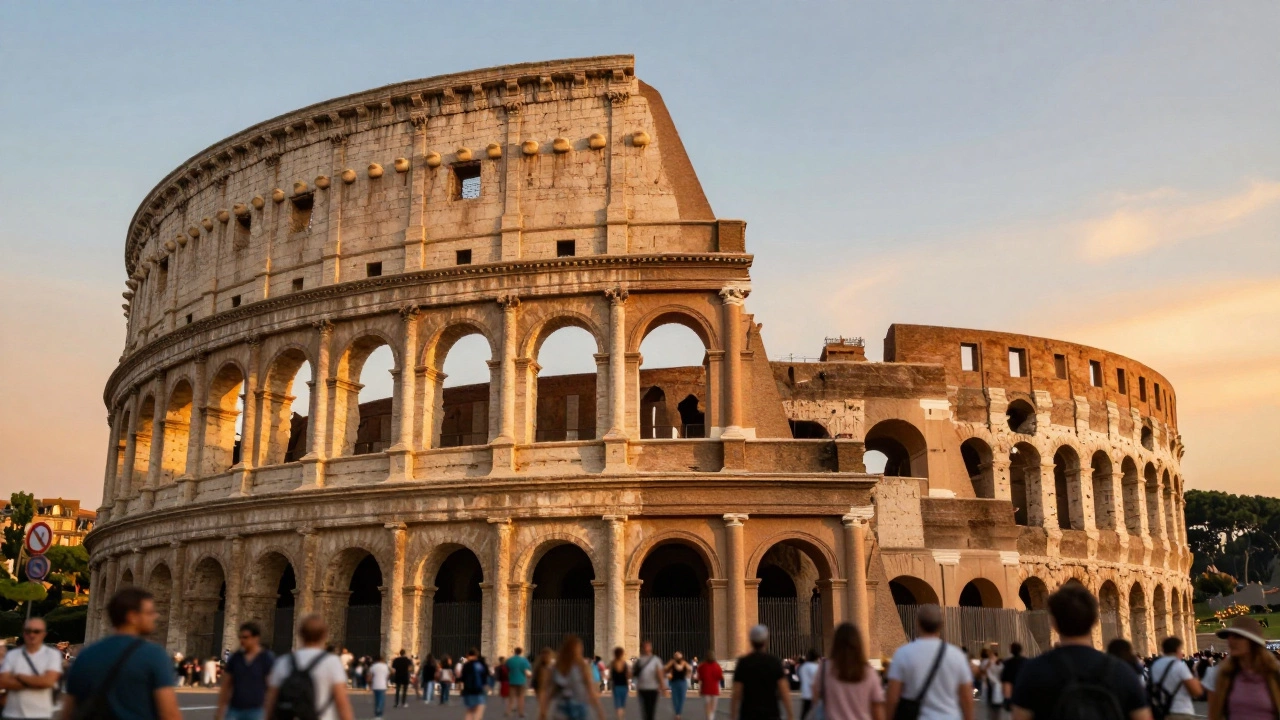
The short answer is that the Colosseum in Rome, Italy consistently ranks as the most visited UNESCO site globally, often welcoming over 7 million visitors annually before recent fluctuations. However, if you look at the broader category of "monuments" including those not strictly defined by the narrowest UNESCO criteria, or if you focus specifically on Asia, the picture changes. In India, the Taj Mahal dominates the charts, usually attracting between 6 to 8 million tourists each year.
Why does this matter? Because understanding which sites draw the most crowds helps you plan your trip better. It tells you where the pressure points are, where you need to book tickets months in advance, and where you might find a quieter alternative just a few miles away. Let’s break down the data, the reasons behind the popularity, and what it means for travelers heading to these iconic locations in 2026.
The Global Champions: Who Holds the Title?
Determining the single "most visited" site requires looking at reliable annual reports from organizations like the European Association of Archaeologists (EAA) and official government tourism boards. While exact numbers fluctuate due to economic factors, weather, and global events, a clear hierarchy has emerged over the last decade.
The Colosseum in Rome remains the heavyweight champion. As an ancient amphitheater built around 70-80 AD, it is not just a ruin; it is a symbol of Imperial Rome. Its accessibility in the heart of one of Europe’s top tourist cities drives its numbers. Visitors don’t just go to see the structure; they buy combo tickets that include the Roman Forum and Palatine Hill, boosting the overall footfall attributed to this archaeological zone.
Close behind, and often trading places depending on the year, is the Mona Lisa housed in the Louvre Museum in Paris. While the Louvre itself is a museum complex, the painting is the primary draw. The Louvre regularly sees over 9 million visitors, making it the most visited art museum in the world. However, purists argue that a painting inside a modern building isn't a "site" in the same way a historic monument is. This distinction is why the Colosseum usually takes the crown for architectural heritage.
Another giant in the room is the Eiffel Tower. Though technically not a UNESCO World Heritage Site (the historic center of Paris is, but the tower itself is often excluded from the specific list due to its late 19th-century origin and initial controversy), it receives around 7 million visitors annually. If we stick strictly to the UNESCO list, the Colosseum, the Acropolis in Athens, and the Great Pyramid of Giza are the usual suspects for the top spots.
India’s Crown Jewel: The Taj Mahal Phenomenon
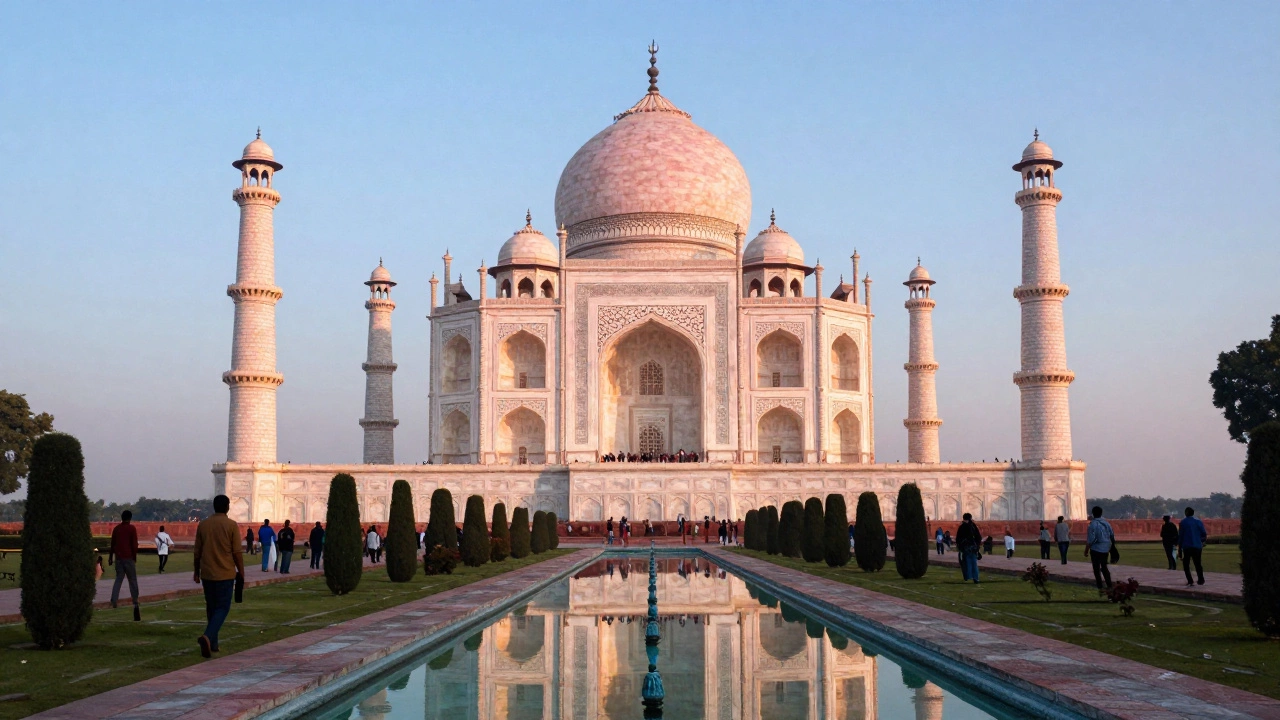
Since the context includes heritage sites in India, we cannot talk about visitor numbers without addressing the Taj Mahal. Located in Agra, Uttar Pradesh, this white marble mausoleum is India’s most popular tourist destination and one of the most visited UNESCO sites in the entire world.
In recent years, the Taj Mahal has consistently attracted between 6 and 8 million visitors annually. Why so many? First, it is the quintessential image of India. For international travelers, seeing the Taj is often the primary reason for booking a flight to New Delhi or Agra. Second, its location within the Agra Fort complex makes it part of a larger historical narrative. Many tourists combine visits to the Taj, the Red Fort, and Fatehpur Sikri in a single trip, creating a high-density tourism corridor.
The management of such high traffic is a constant challenge. The Archaeological Survey of India (ASI) has implemented strict measures to protect the monument. These include limiting the number of visitors per hour, banning plastic bottles near the site, and enforcing a ban on vehicles within a certain radius to reduce air pollution, which has historically threatened the marble’s luster.
| Rank | Site Name | Location | Approx. Annual Visitors | Type |
|---|---|---|---|---|
| 1 | Colosseum | Rome, Italy | 7.5 Million+ | Ancient Amphitheater |
| 2 | Taj Mahal | Agra, India | 6-8 Million | Mausoleum |
| 3 | Acropolis | Athens, Greece | 3.5 Million | Ancient Ruins |
| 4 | Great Pyramid of Giza | Cairo, Egypt | 1.5-2 Million | Ancient Tomb |
| 5 | Machu Picchu | Cusco Region, Peru | 1.5 Million | Incan Citadel |
Why Do Some Sites Attract More Crowds Than Others?
You might wonder why the Great Wall of China, which stretches thousands of miles, doesn’t always top the list despite its fame. Or why Machu Picchu, with its mystical allure, caps out at around 1.5 million visitors. The answer lies in a mix of accessibility, marketing, and infrastructure.
- Accessibility: The Colosseum is in the center of Rome, easily reachable by metro. The Taj Mahal is connected by train and road to major hubs like Delhi and Mumbai. In contrast, Machu Picchu requires a trek or a specialized train journey through the Andes, naturally limiting daily capacity.
- Marketing Power: Some sites benefit from centuries of being featured in literature, films, and postcards. The Taj Mahal was described by Rabindranath Tagore as a "teardrop on the cheek of time," cementing its romantic status. This emotional connection drives repeat visits and word-of-mouth recommendations.
- Infrastructure: Countries with robust tourism boards invest heavily in signage, guided tours, and multilingual support. Italy and India have matured their tourism ecosystems significantly, making it easier for millions to visit without logistical nightmares.
The Dark Side of Popularity: Overtourism
High visitor numbers are great for local economies, but they come with a cost. Overtourism is a real threat to the preservation of these sites. When millions of people walk on the same stone floors every year, erosion becomes inevitable. Breath from visitors can also damage delicate frescoes and marble surfaces.
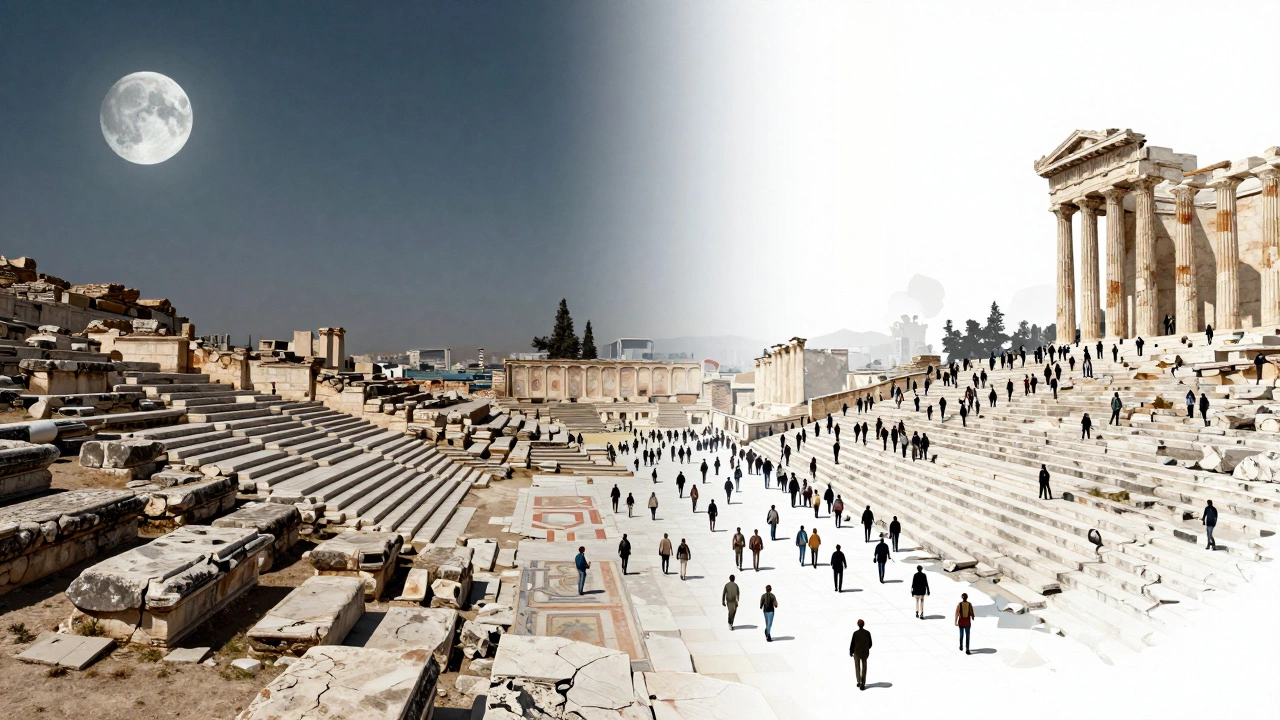
To combat this, many UNESCO sites have introduced timed entry slots. For example, the Acropolis in Athens now requires pre-booked tickets for specific time windows. Similarly, the Taj Mahal closes on Fridays for prayers and limits entry during peak hours. These measures ensure that while the sites remain accessible, they are not destroyed by their own popularity.
As a traveler, you play a role in this balance. Choosing off-peak times, respecting guidelines, and supporting local conservation efforts can help preserve these wonders for future generations. It’s not just about checking a box on your bucket list; it’s about ensuring the box remains open for others.
Other Notable Mentions in India
While the Taj Mahal leads the pack, India boasts 42 UNESCO World Heritage Sites, ranging from natural wonders to cultural landscapes. Here are a few other heavy hitters that draw significant attention:
- Hawa Mahal: Located in Jaipur, this "Palace of Winds" is iconic for its honeycomb-like facade. It attracts millions of visitors annually, though many do not enter the interior due to space constraints.
- Khajuraho Group of Monuments: Known for their erotic sculptures, these temples in Madhya Pradesh draw curious travelers from around the globe. Despite their remote location, they remain a top cultural destination.
- Sundarbans National Park: As the largest mangrove forest in the world, this natural heritage site attracts eco-tourists and wildlife enthusiasts hoping to spot the Bengal tiger.
- Agra Fort: Often visited alongside the Taj Mahal, this red sandstone fort is a testament to Mughal architecture and military strategy.
Planning Your Visit: Tips for Popular Sites
If you’re planning to visit any of these top-tier UNESCO sites, preparation is key. Here are some practical tips to enhance your experience:
- Book in Advance: For the Colosseum, Taj Mahal, and Acropolis, online tickets sold out weeks or even months ahead during peak seasons (summer and holidays). Use official websites only to avoid scams.
- Go Early or Late: Arriving right when the gates open allows you to beat the cruise ship groups and tour buses. Alternatively, late afternoon visits offer softer lighting for photography and fewer crowds.
- Hire a Local Guide: A knowledgeable guide can provide context that you won’t find on plaques. They can explain the symbolism behind the architecture, share lesser-known stories, and help navigate security checks efficiently.
- Respect Dress Codes: Many heritage sites, especially religious ones in India and the Middle East, require modest clothing. Carry a scarf or shawl to cover shoulders and knees if needed.
- Consider Alternative Sites: If the main attraction feels too crowded, explore nearby lesser-known gems. In Rome, the Appian Way offers a peaceful alternative to the Colosseum. In India, consider visiting Fatehpur Sikri instead of staying solely in Agra.
The Future of Heritage Tourism
As technology advances, virtual reality (VR) and augmented reality (AR) are changing how we interact with heritage sites. Imagine walking through the Colosseum with AR glasses that reconstruct the original seating and gladiatorial games. Or exploring the Taj Mahal via VR from your living room. These innovations could help distribute visitor pressure by offering immersive experiences without physical presence.
However, nothing replaces the awe of standing in front of a structure that has survived centuries. The tangible connection to history, the smell of old stone, the sound of footsteps echoing in ancient halls-these are experiences that digital replicas cannot fully replicate. That’s why UNESCO sites will continue to be magnets for travelers worldwide.
In 2026 and beyond, sustainable tourism will become even more critical. Governments and organizations are pushing for stricter caps on daily visitors, higher ticket prices to fund maintenance, and incentives for traveling during off-peak seasons. As responsible travelers, we must adapt to these changes to ensure that the beauty of these sites endures.
Is the Colosseum really the most visited UNESCO site?
Yes, based on recent annual reports from the European Association of Archaeologists and Italian Ministry of Culture, the Colosseum consistently ranks as the most visited individual UNESCO World Heritage Site, with over 7 million visitors annually. However, numbers can vary slightly year by year due to restoration work or global events.
How many visitors does the Taj Mahal get each year?
The Taj Mahal typically attracts between 6 to 8 million visitors annually. It is the most visited UNESCO site in India and one of the most popular in Asia. Visitor numbers spike during winter months (October to March) when the weather is pleasant.
Why is the Mona Lisa considered a UNESCO site?
Technically, the Mona Lisa is not a UNESCO site itself. The Louvre Museum houses it, but the UNESCO designation applies to the "Paris, Banks of the Seine" area. The painting is often cited in tourism statistics because it is the primary draw for the millions who visit the Louvre, but it is distinct from architectural heritage sites.
Are there any UNESCO sites in India that are less crowded?
Yes, while the Taj Mahal and Agra Fort are extremely busy, sites like the Churches and Convents of Goa, the Sun Temple at Konark, and the Western Ghats biodiversity hotspots receive fewer visitors. These offer rich cultural and natural experiences with less overtourism pressure.
Do I need to book tickets for the Colosseum in advance?
Absolutely. The Colosseum operates on a timed-entry system, and tickets often sell out weeks in advance, especially during summer and holiday periods. Booking online through the official website is highly recommended to guarantee entry and avoid long queues.