Agra Tourism: Discover the Taj Mahal and India's Most Iconic Heritage Site
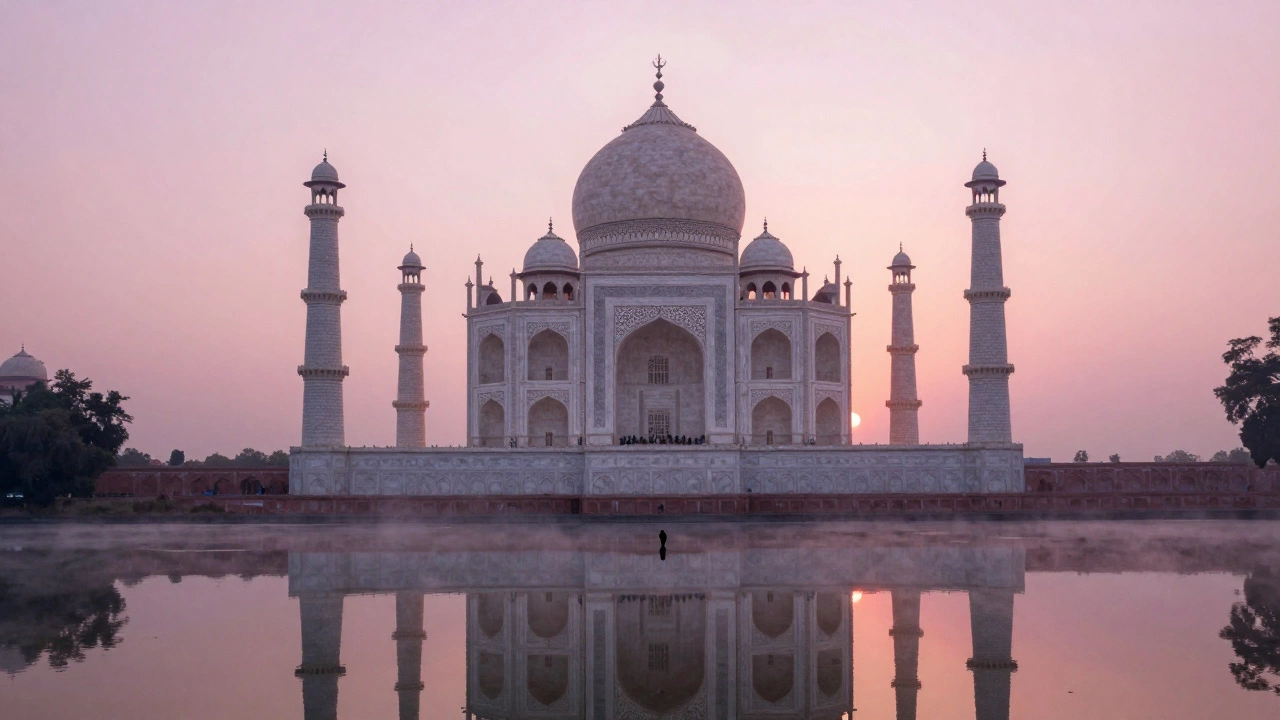
When you think of Agra tourism, a travel destination in Uttar Pradesh, India, famed for its Mughal-era monuments and deep historical roots. Also known as the City of the Taj, it’s where love, power, and art fused into stone over 400 years ago. Agra isn’t just about one building—it’s a living museum of empire, craftsmanship, and quiet tragedy. The Taj Mahal, a white marble mausoleum built by Emperor Shah Jahan for his wife Mumtaz Mahal, and one of the New Seven Wonders of the World draws over 7 million visitors a year. But walk a few minutes away, and you’ll find the Agra Fort, a massive red sandstone fortress that once housed emperors, their courts, and their secrets, where Shah Jahan spent his last years gazing at the Taj from his prison window.
Agra tourism isn’t just about sightseeing—it’s about understanding scale. The Taj Mahal took 20,000 workers and 22 years to build. The Agra Fort could hold an entire city. And then there’s Fatehpur Sikri, just 40 kilometers away, a ghost city abandoned overnight because the water ran out. These aren’t just ruins—they’re stories carved in stone. You’ll find local guides who know which corner of the Taj catches the sunrise best, or which side of the fort has the least crowds. You’ll taste kebabs that haven’t changed in 300 years, and haggle for marble inlay souvenirs that cost less than a cup of chai. The city doesn’t scream for attention—it waits. And if you’re patient, it gives you more than you expected.
What makes Agra tourism different from Delhi or Jaipur? It’s quieter. Less frantic. You won’t find ride-hailing apps working reliably here, but you will find rickshaw drivers who know your name by day three. The heat hits hard, but the evenings? Pure magic. You can sit by the Yamuna River and watch the Taj glow under the moon, with no crowds, no phones, just the silence of centuries. This isn’t a place you check off a list. It’s a place you carry with you.
Below, you’ll find real stories from travelers who’ve been there—the best times to visit, what to skip, how to avoid the tourist traps, and why the Taj isn’t even the most moving thing in the city. Whether you’re planning your first trip or revisiting after years, these posts give you the unfiltered truth about Agra.”
- Dec, 9 2025
- 0 Comments
The Taj Mahal is the most famous heritage site in India, known worldwide for its stunning white marble, intricate design, and the love story behind its creation. Built in the 17th century, it draws millions each year and remains a symbol of eternal devotion.
More