Cultural Heritage India: Discover the Living Traditions That Define the Nation
When you think of cultural heritage India, the deep-rooted traditions, ancient architecture, and living customs that have shaped the identity of the country over thousands of years. Also known as India's historical legacy, it’s not just about old buildings—it’s about the songs still sung in village squares, the rituals performed at dawn in temple courtyards, and the crafts passed down through generations.
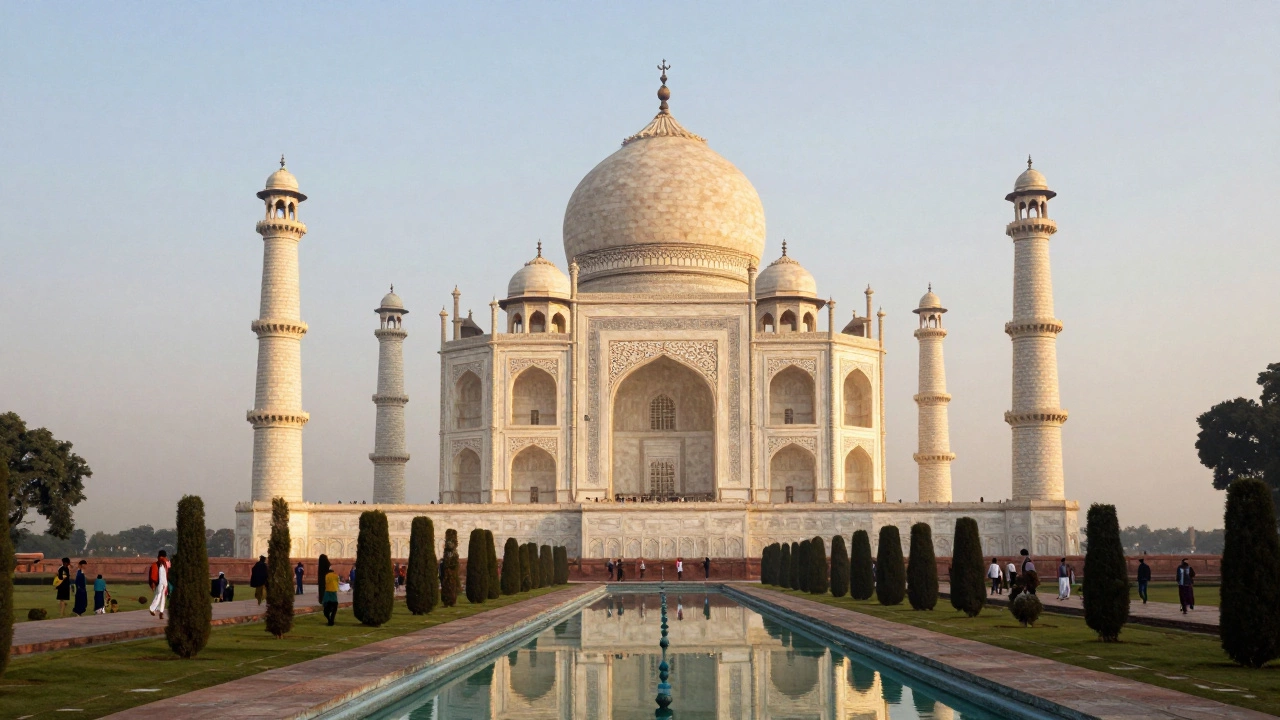
At the heart of this heritage is Jaipur, India’s only city entirely listed as a UNESCO World Heritage Site, known for its pink stone walls, grid-patterned streets, and royal observatories still in use today. Then there’s the Taj Mahal, a monument built from love, marble, and precision that draws over 7 million visitors each year—not just for its beauty, but because it carries a story that feels personal, even centuries later. These aren’t frozen relics. They’re part of daily life. In South India, you’ll find temples where priests chant the same hymns as 800 years ago, and in Kerala, traditional Kathakali dancers still wear hand-painted masks made using centuries-old techniques.
What makes India’s heritage different isn’t just its age—it’s how alive it is. You don’t just visit a heritage site; you taste it in the spices of a family-run kitchen in Varanasi, hear it in the rhythm of a dholak at a village wedding in Rajasthan, and feel it in the quiet stillness of a temple courtyard at sunrise. Unlike museums where artifacts sit behind glass, here, heritage walks beside you, sells you chai, and teaches your child how to tie a turban.
And it’s not all about the big names. While Jaipur and the Taj Mahal get the headlines, the real depth lies in the smaller places—like the stepwells of Gujarat, the wooden homes of Kerala, the handloom weavers of Banaras, and the ancient dance forms still taught in rural academies. These are the threads that hold the fabric together. They’re not on postcards, but they’re what travelers remember long after they’ve left.
Whether you’re planning a trip to South India to soak in temple art, wandering through the forts of Rajasthan, or simply trying to understand why millions return year after year, this collection gives you real, practical insights. You’ll find guides on where to eat safely without missing local flavors, which cities offer the deepest cultural immersion without the crowds, and how to tell the difference between a genuine heritage experience and a tourist show. This isn’t a list of must-sees—it’s a roadmap to what matters.
- Mar, 4 2026
- 0 Comments
India has 43 UNESCO World Heritage Sites in 2024, including iconic monuments like the Taj Mahal and new additions like Santiniketan. These sites reflect centuries of culture, architecture, and living traditions.
More
- Oct, 26 2025
- 0 Comments
Explore which Indian state boasts the richest heritage, based on UNESCO sites, ASI monuments, and cultural diversity, with travel tips and a detailed comparison.
More