Dark Tourism in India: Exploring Sites of Tragedy and Memory
When you think of India, you might picture golden temples, bustling bazaars, or the Taj Mahal—but dark tourism, a form of travel focused on places tied to death, tragedy, or suffering. Also known as grief tourism, it’s growing fast as travelers seek deeper, more honest stories behind the postcard scenes. This isn’t about morbid curiosity. It’s about remembering. It’s about standing where history broke open and listening to what’s left unsaid.
India has no shortage of these places. The Jallianwala Bagh, the Amritsar site where British troops fired on unarmed civilians in 1919 still bears bullet marks in its walls. The Partition Memorial in Delhi, a quiet space honoring the millions displaced during India’s 1947 division holds names of the lost, carved into stone. Then there’s the Bhopal Gas Tragedy Memorial, where a chemical leak killed thousands in 1984, and the fight for justice still continues. These aren’t just tourist spots—they’re active memorials, where pain is preserved so it’s never forgotten.
Some sites blur the line between history and haunting. The Dharmashala asylum ruins, a former British mental hospital in Himachal Pradesh, now abandoned and whispered about by locals, draw visitors drawn to the eerie silence. Others, like the Kashmir Valley conflict zones, where military presence and civilian grief coexist, offer no easy answers—only raw reality. These places don’t sell souvenirs. They ask questions. Why did this happen? Who was held accountable? What does it mean for us now?
What you’ll find in the posts below isn’t a list of spooky spots. It’s a collection of real, grounded stories tied to India’s complex past. You’ll read about places where heritage meets heartbreak, where tourism isn’t about escape—but about facing what happened. Whether it’s a forgotten massacre site, a colonial prison, or a memorial that no one talks about anymore, each piece here pulls you closer to the truth beneath the surface. These aren’t just destinations. They’re lessons in concrete form.
- Dec, 2 2025
- 0 Comments
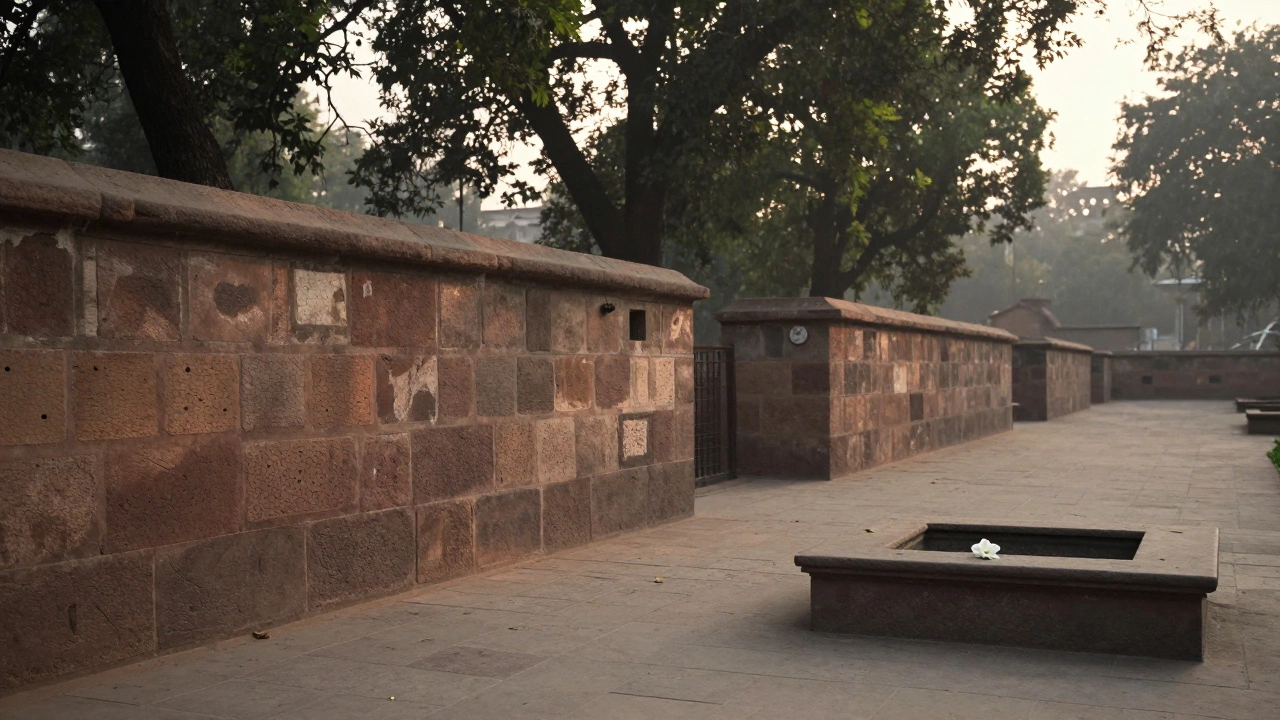
India has powerful dark tourism sites like Jallianwala Bagh and the Cellular Jail, but Poland, Japan, and Cambodia lead globally. Learn why these places matter and how to visit them with respect.
More
- Dec, 24 2024
- 0 Comments
Dark tourism, visiting places associated with death, tragedy, or the macabre, has gained popularity worldwide. In India, destinations like the haunting Bhangarh Fort and the historic Jallianwala Bagh attract tourists eager to understand and connect with the narratives of the past. This article explores the reasons why places with grim histories fascinate travelers, and how these sites offer a unique cultural lens into the nation's history and humanity's nature.
More