Heritage Sites India: Top Historical Places and What Makes Them Special
When you think of heritage sites India, ancient monuments and cultural landmarks that tell the story of centuries of civilization. Also known as historical places in India, these sites aren’t just old buildings—they’re living pieces of identity, faith, and art that still shape how Indians live today. From the white marble grandeur of the Taj Mahal, a 17th-century mausoleum built by Emperor Shah Jahan in memory of his wife. Also known as Agra Fort, it’s one of the most visited monuments on Earth. to the carved temples of Khajuraho, a cluster of Hindu and Jain temples famous for their intricate erotic sculptures and spiritual symbolism. Also known as UNESCO World Heritage sites, they’re protected not just for their beauty, but because they hold truths about how people lived, loved, and worshipped hundreds of years ago. These aren’t just tourist stops. They’re emotional anchors. People come here not just to see, but to feel connected—to history, to love, to something bigger than themselves.
What makes a place a true heritage site in India? It’s not just age. It’s scale, story, and survival. The Fatehpur Sikri, a deserted Mughal city built by Akbar as his capital, now standing as a ghostly masterpiece of red sandstone. Also known as historical places in India, it’s empty, but still loud with history. The Amber Palace, a hilltop fortress in Jaipur built with marble and red sandstone, blending Hindu and Muslim design. Also known as Indian heritage states treasures, it’s where royalty ruled and elephants marched. These places survived invasions, weather, and time—not because they were lucky, but because they mattered deeply to the people who built them and the ones who still care for them today. India has over 40 UNESCO World Heritage sites, more than any country in South Asia. But the real magic isn’t in the number. It’s in how each one tells a different part of the story: the devotion of the Chola dynasty in Tamil Nadu, the military genius of the Rajputs in Rajasthan, the trade power of the Deccan sultanates.
You don’t need to visit all of them to understand India’s soul. But if you want to feel its heartbeat, start with the ones that still breathe. Walk the halls of the Taj Mahal at sunrise. Stand under the towering spires of Hampi’s ruins. Touch the cool stone of a 1,000-year-old temple in Madurai. These aren’t just photos on a postcard—they’re places where time didn’t end. It just slowed down. And what you’ll find in the posts below? Real stories from travelers who’ve been there. Honest advice on when to go, how to avoid crowds, what to look for, and why some sites hit harder than others. No fluff. Just what you need to know before you go.
- Mar, 6 2026
- 0 Comments
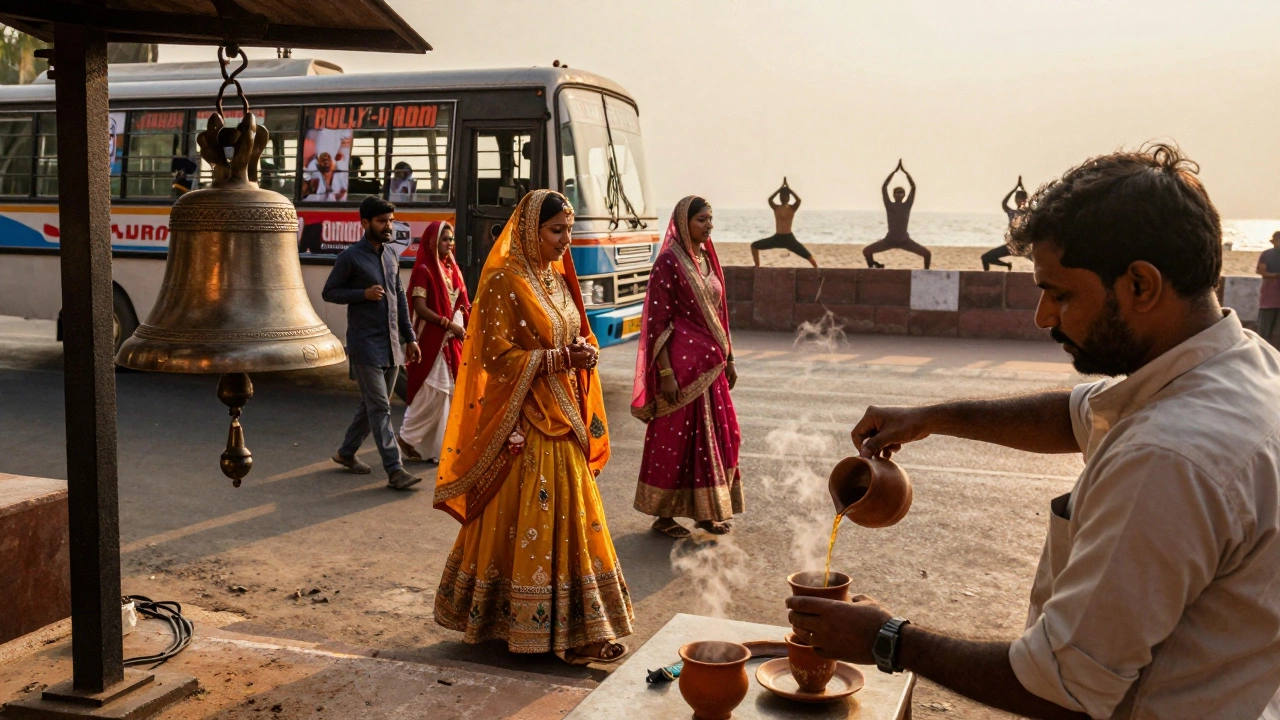
India's culture isn't preserved-it's lived. From 22 official languages to 500+ festivals, its heritage sites pulse with daily life. This is why India feels so deeply cultural: history doesn't sit still here.
More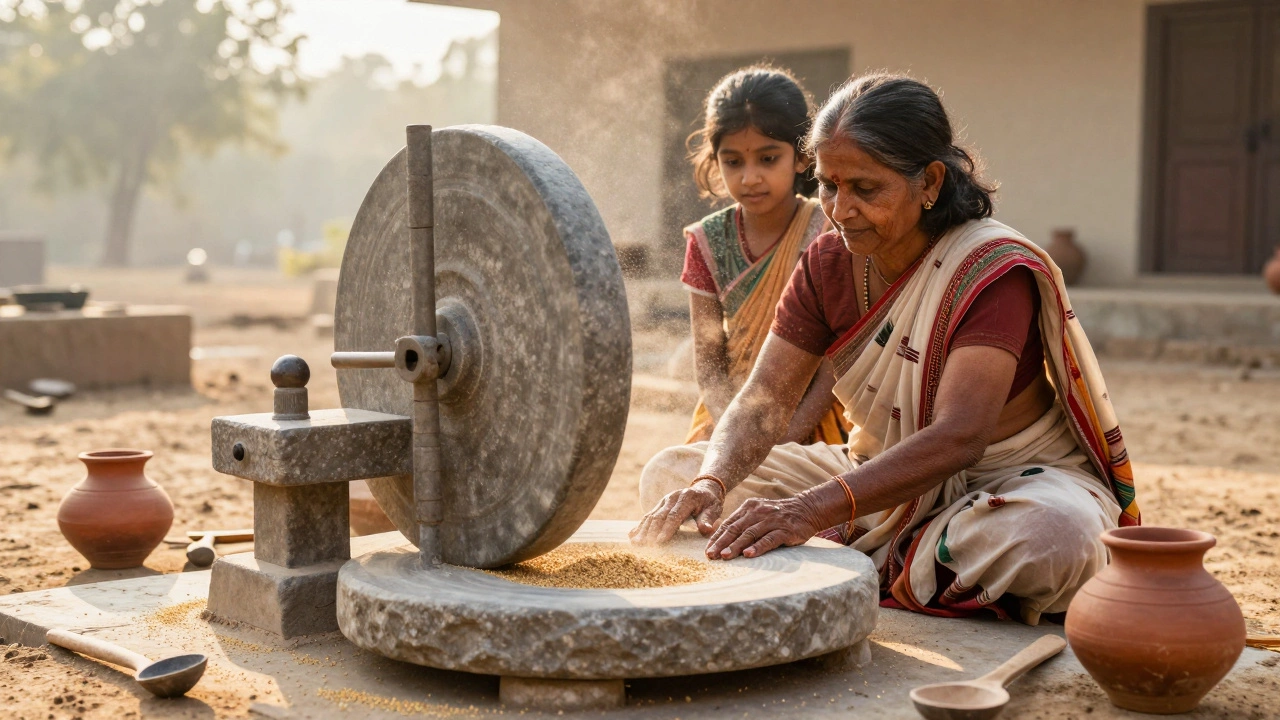
- Dec, 26 2025
- 0 Comments
India's cultural heritage is a living legacy of ancient monuments, vibrant traditions, and enduring crafts. From the Taj Mahal to village festivals, its history isn't just preserved-it's practiced every day.
More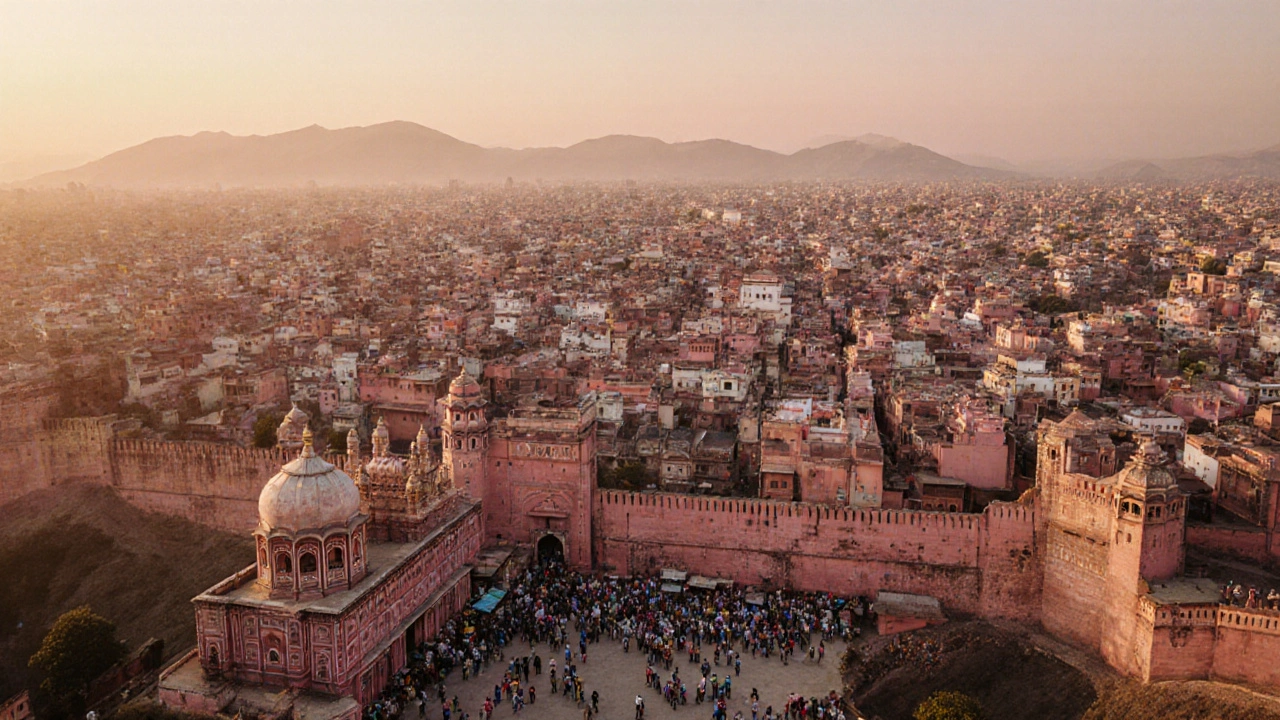
- Nov, 17 2025
- 0 Comments
Jaipur is India's only city entirely designated as a UNESCO World Heritage Site, known for its pink architecture, planned layout, and living heritage. Learn why it stands apart from Agra, Varanasi, and Delhi.
More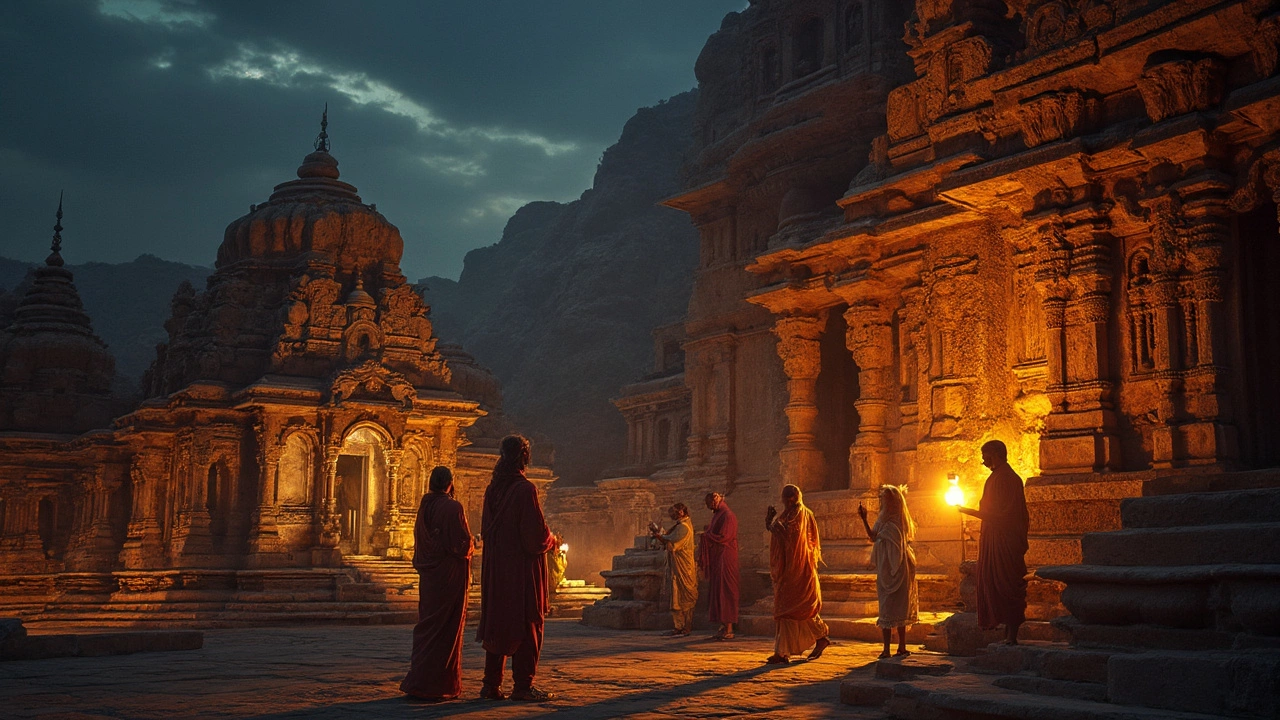
- Feb, 18 2025
- 0 Comments
India's rich heritage is a tapestry woven with threads of ancient traditions, diverse cultures, and remarkable architecture. With numerous UNESCO World Heritage Sites, it offers a journey through time, where each monument tells its unique story. This article explores why India stands out globally for its heritage, covering the confluence of traditions and the importance of preserving these historical treasures. Understanding India's vast heritage allows us to appreciate its cultural depth and history.
More