Indian purchasing power: What it means for travelers and budget trips
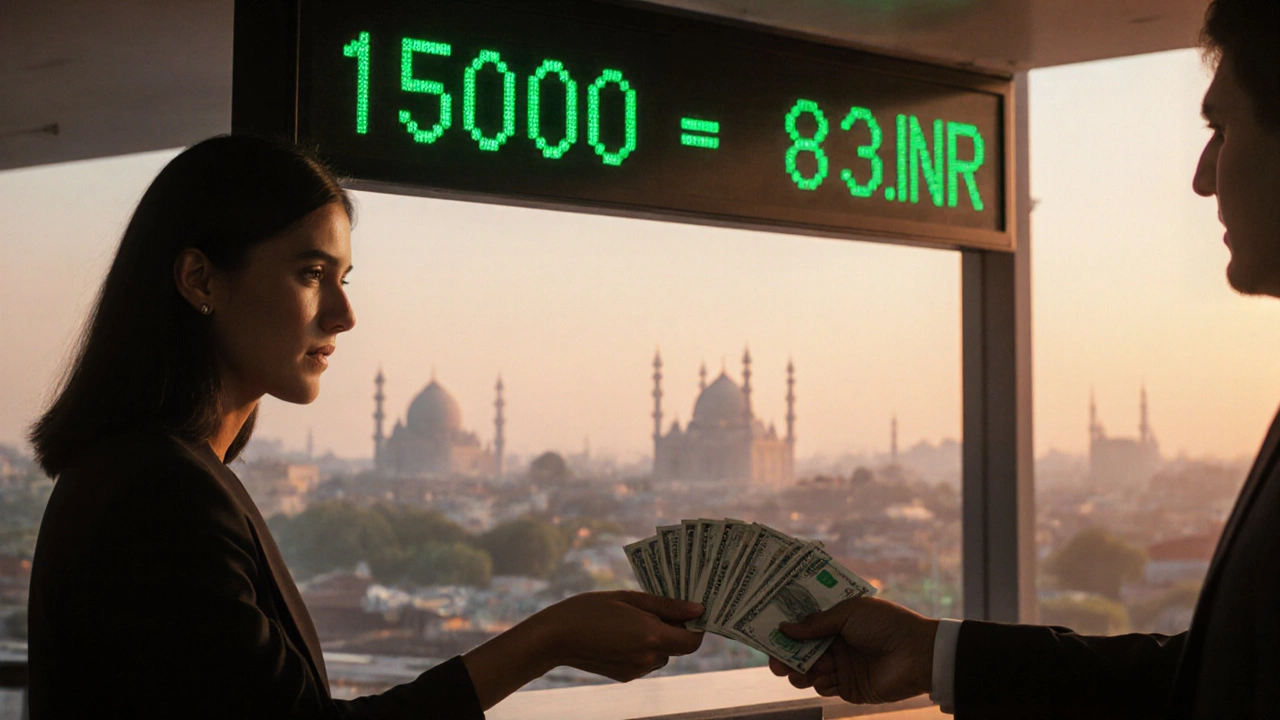
When we talk about Indian purchasing power, the ability of people in India to buy goods and services based on their income and local prices. It’s not just about salaries—it’s about how far a rupee goes, and that’s what makes India a top pick for budget travelers worldwide. A Coke costs less than $0.50. A three-course meal at a local restaurant runs under $5. A clean, comfortable hotel room in a historic city like Mysore or Jaipur? Often under $20 a night. That’s not luck. That’s Indian purchasing power, the economic reality where everyday expenses are low compared to global standards.
This isn’t just about cheap food and lodging. It’s about scale. When you compare India to Thailand, the Maldives, or even Bali, the difference isn’t just in currency exchange—it’s in how deeply value is built into daily life. A traveler with $100 USD can cover a week of meals, local transport, entry fees to heritage sites like the Taj Mahal, and still have cash left for souvenirs. That’s because cost of living India, the average amount needed to cover basic needs like food, housing, and transport remains among the lowest in the world. Even in tourist-heavy areas like Goa or Kerala, local markets and street vendors keep prices grounded. You’re not paying for Western-style markup—you’re paying what locals pay.
And it’s not just travelers who benefit. Indian purchasing power shapes everything from how long you should stay in South India to whether you can afford an all-inclusive honeymoon or a rugged trek in Ladakh. It’s why Uttar Pradesh draws nearly 60 million tourists a year—not because it’s the most exotic, but because it’s the most affordable. It’s why a $100 bill stretches further here than in almost any other major travel destination. You can visit the world’s most beautiful historical places, eat fresh salads without fear (if you know where), and still save money. That’s the quiet power of India’s economy at work.
What you’ll find in the posts below isn’t just a list of places or prices. It’s a real-world look at how Indian purchasing power plays out on the ground—from how much a Coke costs in Delhi to why Maldives trips feel expensive compared to Goa, from flight deals in the best month to visit to how much you’ll actually spend on a trek or a heritage tour. These aren’t guesses. They’re numbers from travelers who’ve done the math, eaten the food, taken the buses, and stayed in the rooms. You’re not reading theory—you’re reading what works.
- Oct, 8 2025
- 0 Comments
Find out if $500 USD is a lot in India, how far it stretches, and real‑world budgeting tips for travel and daily life.
More