Kerala Food: Authentic Flavors, Spices, and Must-Try Dishes
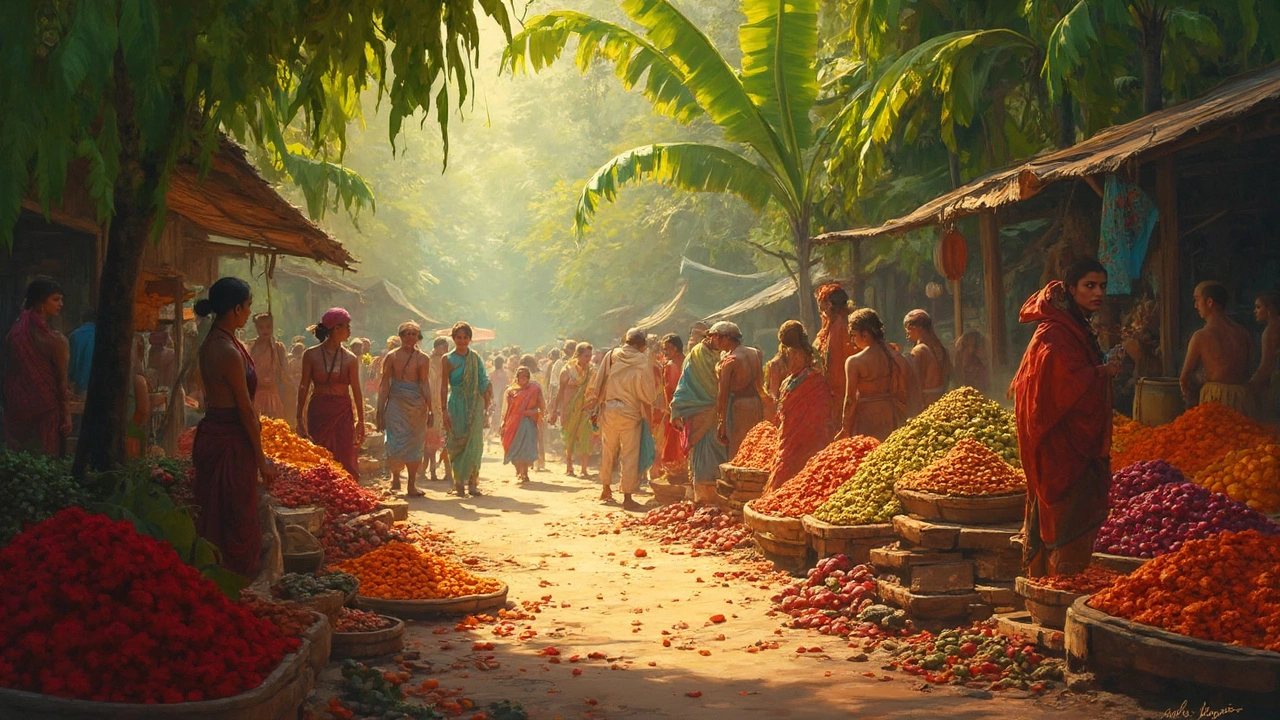
When you think of Kerala food, a vibrant, spice-driven cuisine from the southern coast of India, known for its heavy use of coconut, black pepper, and seafood. Also known as Malabar cuisine, it’s not just meals—it’s a sensory experience shaped by monsoons, coastal trade, and centuries of cultural mixing. Unlike North Indian food, which leans on dairy and wheat, Kerala food thrives on rice, coconut milk, and tamarind. The heat doesn’t come from chilies alone—it’s layered with curry leaves, mustard seeds, and freshly ground black pepper, the same pepper that once made Kerala a target for European traders.
Coconut is the quiet hero here. It’s not just oil or grated flesh—it’s milk in curries, oil for frying, and even water drunk straight from the shell. You’ll find it in appam, a soft, lacy rice pancake served with coconut milk stew, and in fish curry, a tangy, spicy dish simmered in coconut milk and tamarind, often cooked with local catch like kingfish or sardines. Even desserts like payasam, a creamy rice pudding sweetened with jaggery and flavored with cardamom rely on coconut. This isn’t just tradition—it’s necessity. The humid climate and rich soil make coconut trees grow wild, and generations have learned to use every part.
Street food in Kerala isn’t just snacks—it’s culture on a plate. Think puttu with banana and coconut, or idiyappam served with spicy egg curry. You won’t find greasy fried snacks here like in other parts of India. Meals are balanced: spicy, sour, sweet, and bitter all in one plate. The food is meant to be eaten with your hands, slowly, with family. It’s not about speed—it’s about connection.
What makes Kerala food stand out isn’t just the ingredients—it’s how they’re treated. Every spice is roasted fresh. Every coconut is grated by hand. Every curry is slow-cooked to let flavors settle. You won’t find pre-made pastes or bottled sauces in real homes. That’s why even travelers who avoid street food in other parts of India find Kerala’s food safe, fresh, and unforgettable. The coastal towns like Kochi and Kozhikode, the hill villages of Munnar, and even quiet backwater homestays serve food that tastes like it’s been passed down for centuries.
Whether you’re eating a simple banana leaf meal with rice and lentils or a lavish feast during Onam, Kerala food doesn’t shout—it whispers. And once you taste it, you’ll hear it loud and clear.
- Jun, 17 2025
- 0 Comments
Kerala draws travelers with its lush landscapes, peaceful backwaters, and amazing food. This article breaks down what sets Kerala apart for visitors—whether it's exploring spice markets or relaxing on palm-lined beaches. You'll get practical tips, fun facts, and a clear insider's look at why Kerala lives up to the hype. We also dive into the unique culture and festivals that keep people coming back. If you're planning a trip or just curious, this read covers exactly what you need to know.
More