Morbid Travel: Exploring Dark Tourism Sites in India and Beyond
When you think of travel, you probably imagine sunsets, markets, and temples. But morbid travel, a form of tourism centered on sites associated with death, tragedy, or the macabre. Also known as dark tourism, it’s not about shock value—it’s about confronting history in its rawest form. People visit places where lives were lost not to gawk, but to remember. In India, this isn’t just about ghost stories. It’s about colonial prisons, plague pits, battlefields, and temples tied to rituals of death—places that still echo with the weight of what happened there.
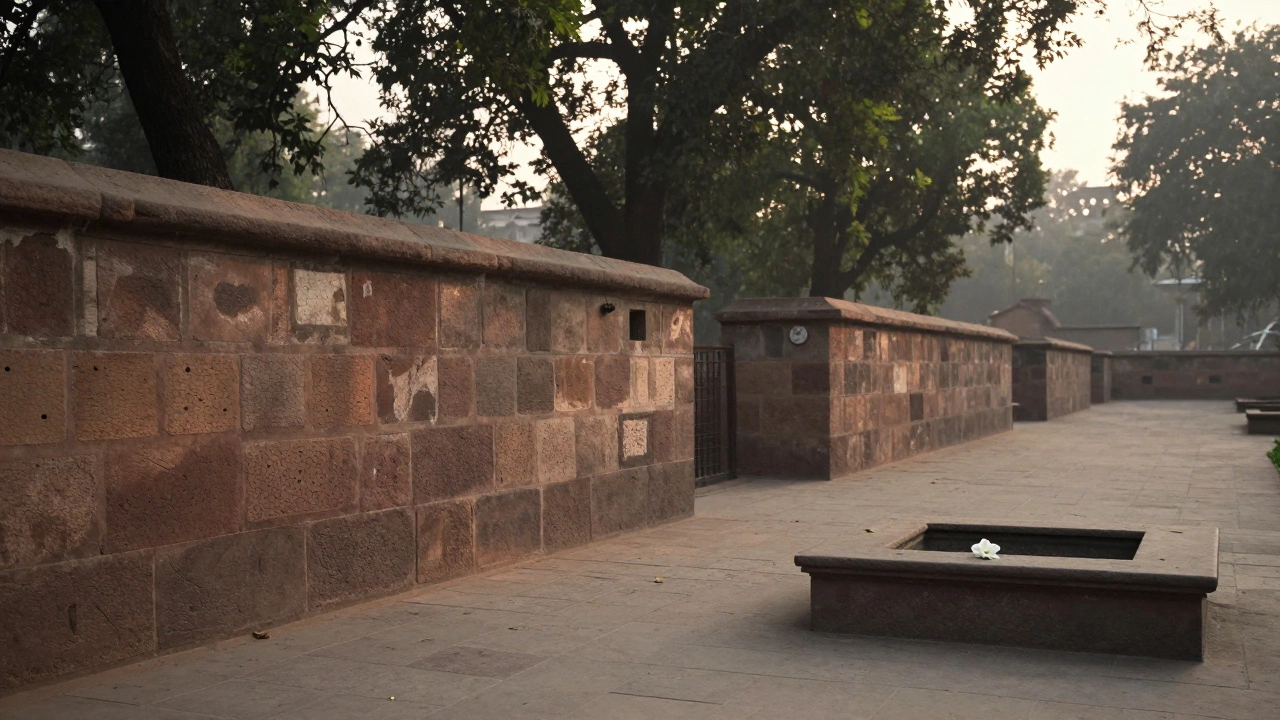
Haunted places in India, locations tied to unexplained deaths, legends, or spiritual beliefs surrounding mortality. Also known as supernatural tourism spots, it includes sites like the Dumas Cemetery in Gujarat, where the dead are buried facing the sea because of local beliefs about the afterlife. Or the abandoned Khasbagh Palace in Bhopal, where a royal family vanished overnight, leaving behind untouched meals and half-written letters. These aren’t just spooky backdrops—they’re preserved moments of human tragedy, often untouched by mass tourism. Then there’s the historical death sites, locations where mass casualties occurred due to war, famine, or disease. Also known as tragedy landmarks, it like the Jallianwala Bagh in Amritsar, where hundreds were shot by British troops in 1919. Visitors don’t come here for thrills. They come to stand quietly, to feel the silence left behind by gunfire.
Some travelers seek out cemetery tourism, visiting graveyards and burial grounds for cultural, artistic, or historical insight. Also known as funerary heritage tourism, it—like the sprawling Jewish cemetery in Mumbai’s Byculla, or the ancient Buddhist burial mounds in Sanchi. These aren’t just resting places. They’re open-air museums of belief, class, and identity. In India, death isn’t hidden. It’s woven into daily life, from funeral pyres on the Ganges to roadside shrines for accident victims. Morbid travel doesn’t ask you to enjoy death—it asks you to respect it.
What you’ll find in the posts below isn’t a list of creepy spots to check off. It’s real stories from people who’ve stood where others died, walked through abandoned hospitals, or sat in silence at places no guidebook mentions. You’ll read about how a single coin left on a grave in Varanasi can mean more than any tour guide’s speech. You’ll learn why some travelers avoid the Taj Mahal for the nearby Mughal-era plague cemetery. And you’ll see how even the most ordinary-looking building in a quiet town might hold a story that changed a region forever. This isn’t about fear. It’s about paying attention.
- Dec, 2 2025
- 0 Comments
India has powerful dark tourism sites like Jallianwala Bagh and the Cellular Jail, but Poland, Japan, and Cambodia lead globally. Learn why these places matter and how to visit them with respect.
More