Temple Tourism India
When you think of temple tourism India, the practice of visiting sacred religious sites as a form of cultural and spiritual exploration. Also known as religious travel India, it’s not just about seeing architecture—it’s about walking through centuries of devotion, art, and community life. India isn’t just home to temples; it’s a living museum where rituals happen daily, and every stone tells a story older than most countries.
Most temple tourism in India centers around Hindu temples, sacred structures dedicated to deities like Shiva, Vishnu, and Devi, often built with intricate carvings and vast temple complexes. You’ll find them in every corner—from the towering gopurams of Tamil Nadu to the ancient rock-cut shrines of Ellora. But it’s not just about Hindu sites. Temple tourism also includes Jain temples with their minimalist beauty, Buddhist stupas in Sarnath, and even ancient Sikh gurdwaras that welcome everyone, regardless of faith. These places aren’t frozen in time—they pulse with daily aartis, chanting, and offerings from pilgrims who’ve traveled hundreds of miles.
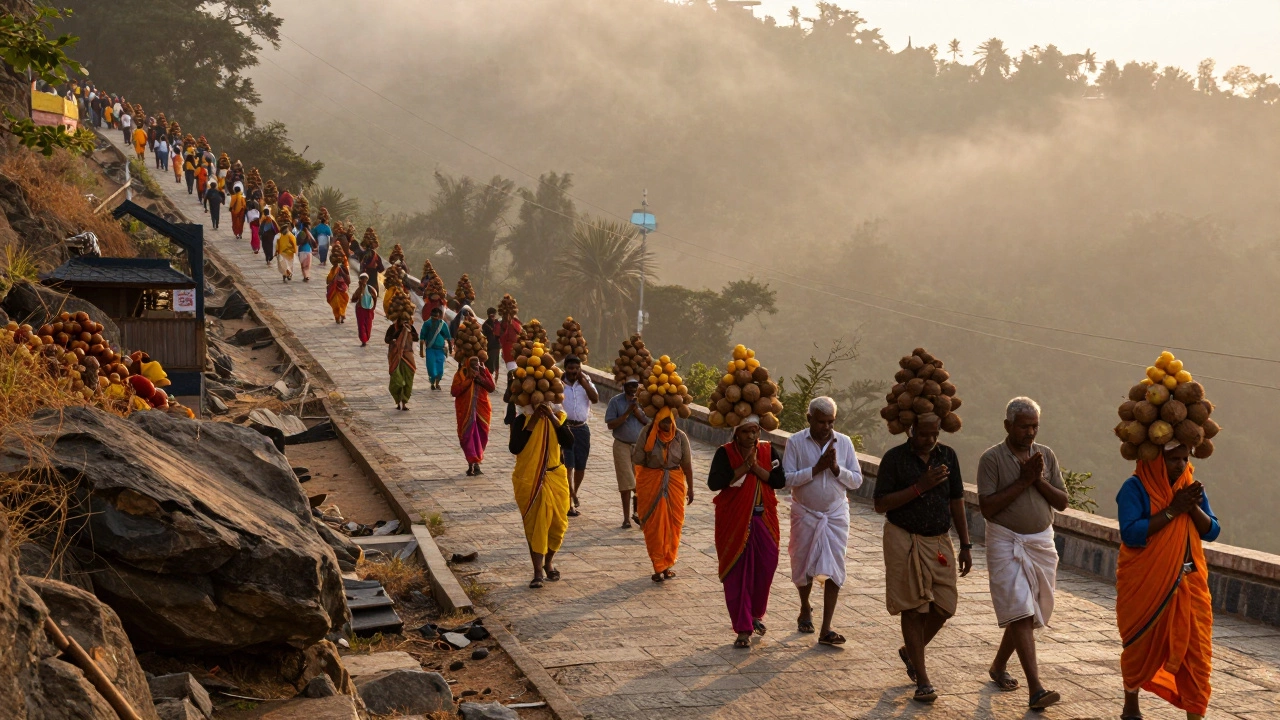
What makes temple tourism in India different from other countries? It’s the blend of the sacred and the everyday. In South India temples, dense clusters of temples in states like Tamil Nadu, Karnataka, and Kerala, often with centuries-old traditions still practiced exactly as they were., you might see a woman offering coconuts at dawn, a priest chanting Sanskrit verses, and tourists snapping photos—all in the same courtyard. These aren’t museums. They’re active centers of worship, education, and social life. Many are also part of the UNESCO heritage temples, sites recognized globally for their historical and architectural significance, like the Brihadeeswarar Temple or the Khajuraho group., meaning their preservation is a global priority.
Temple tourism isn’t just for the deeply religious. It’s for anyone who wants to understand India’s soul. The carvings on temple walls aren’t random—they depict ancient epics, daily life, and cosmic beliefs. The smell of incense, the sound of bells, the sight of marigold garlands draped over deities—it all adds up to an experience you won’t find in guidebooks alone. And while places like Varanasi and Rameswaram draw huge crowds, there are quiet, lesser-known temples in Odisha, Andhra, and Chhattisgarh where you can sit in silence and feel centuries of devotion around you.
Planning your trip? You’ll want to know the best seasons to visit, how to dress respectfully, and which temples allow photography. Some require bare feet. Others have strict entry rules. And while the Taj Mahal gets all the attention, the real heart of India’s spiritual landscape lives in its thousands of temples—each one a doorway to something deeper. Below, you’ll find real travel stories, practical tips, and honest insights from people who’ve walked these paths. Whether you’re looking for peace, history, or just a glimpse of something timeless, this collection has what you need.
- Dec, 5 2025
- 0 Comments
The Tirumala Venkateswara Temple in Tirupati is the most visited temple in India, welcoming over 50 million pilgrims annually. Learn why this ancient shrine draws more visitors than any other religious site in the world.
More