UNESCO World Heritage Sites in India: Top Places, Secrets, and Travel Tips
When you think of UNESCO World Heritage, places recognized by the United Nations for their outstanding cultural or natural value. Also known as World Heritage Sites, these are more than just tourist spots—they’re living pieces of human history, protected for everyone, forever. India has 40 of them, more than any country in South Asia. From the snow-capped peaks of the Himalayas to ancient temples carved into rock, these sites tell stories older than most nations.
Some of the most famous are Jaipur, India’s only fully designated UNESCO World Heritage city, with its pink-walled palaces and grid-planned streets built in the 1700s. Then there’s the Taj Mahal, a marble monument built by a grieving emperor for his wife, drawing over 7 million visitors every year. And let’s not forget Agra Fort, a red sandstone fortress that once held Mughal emperors and their courts. These aren’t just old buildings—they’re places where history still breathes, where guides tell tales passed down for generations, and where locals still live, work, and pray inside the walls.
What makes these sites special isn’t just their age or beauty. It’s how they’ve survived—through wars, weather, and mass tourism. Many, like the temples of Khajuraho or the rock-cut caves of Ellora, were carved by hand with tools that barely changed for centuries. Others, like the historic city of Hampi, were abandoned for hundreds of years before being rediscovered. Today, they’re not frozen in time—they’re alive. Families picnic near the Taj. Street vendors sell chai outside Jaipur’s gates. Monks chant in the same temples that pilgrims visited 500 years ago.
You don’t need to see them all to understand why they matter. But if you’ve ever wondered why people travel halfway across the world to stand in front of a single building, it’s because these places make you feel something real. They connect you to people who lived, loved, and built with no modern tools—yet left behind something that still moves us today.
Below, you’ll find real traveler stories, practical tips, and deep dives into the places that make India’s heritage unforgettable. Whether you’re planning your first trip or just curious about what makes these sites so special, there’s something here for you.
- Dec, 9 2025
- 0 Comments
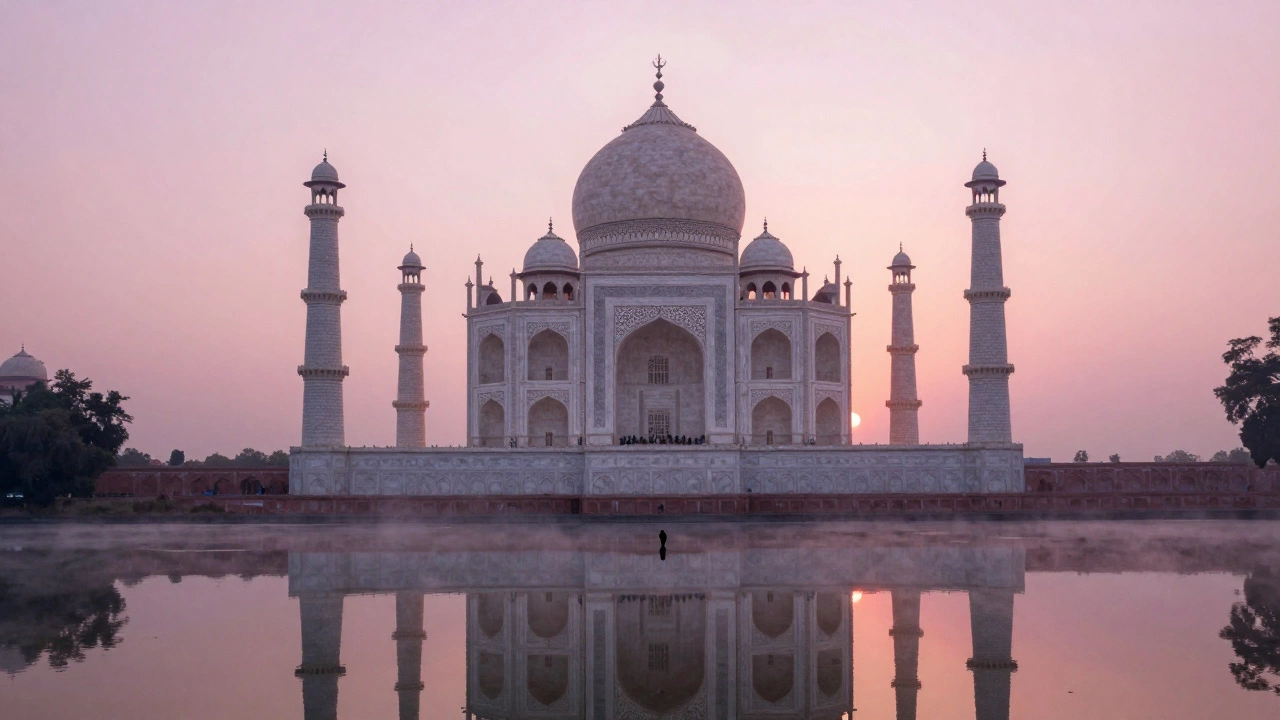
The Taj Mahal is the most famous heritage site in India, known worldwide for its stunning white marble, intricate design, and the love story behind its creation. Built in the 17th century, it draws millions each year and remains a symbol of eternal devotion.
More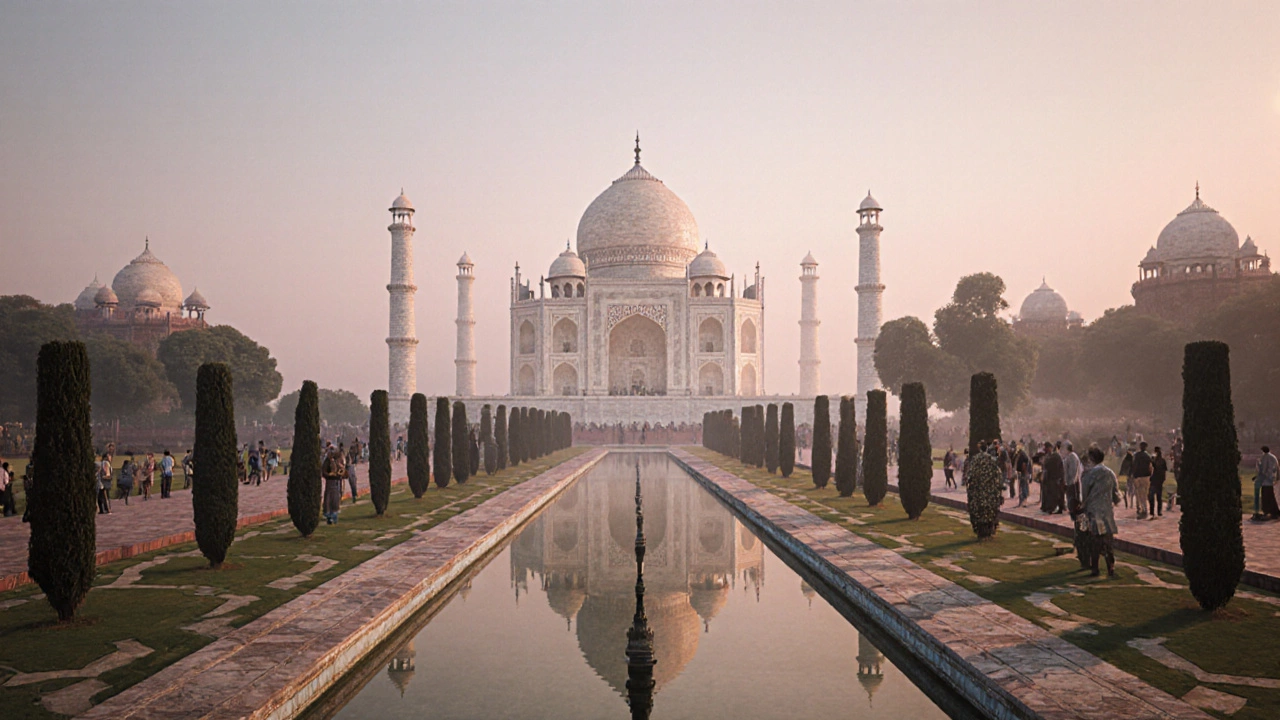
- Nov, 16 2025
- 0 Comments
The Taj Mahal is India's No. 1 historical site due to its global recognition, emotional impact, and millions of annual visitors. More than just a monument, it's a symbol of love and architectural genius.
More