Varanasi Heritage: Ancient Soul of India's Spiritual Heart
When you think of Varanasi heritage, the enduring spiritual and cultural legacy of India’s oldest continuously inhabited city. Also known as Kashi, it’s not just a place—it’s a pulse that’s beaten for over 3,000 years. This isn’t a museum piece. It’s a city where morning chants rise over the Ganges, where fire rituals light up the ghats at dusk, and where every cobblestone feels like it remembers a thousand generations. The Ganges River, the sacred river central to Hindu pilgrimage and daily life in Varanasi doesn’t just flow here—it defines everything. People come to bathe, to pray, to die, and to be cremated, believing the river washes away sin and carries souls to liberation. That’s the weight of this heritage—not just stone and sculpture, but belief made visible.
What makes Varanasi heritage stand out isn’t just its age, but how alive it is. Unlike other ancient sites that feel frozen in time, Varanasi breathes. You’ll find UNESCO World Heritage India, the official designation recognizing Varanasi’s cultural and historical significance as part of India’s global heritage reflected in its narrow alleys lined with silk weavers, in the smell of incense from 100-year-old temples, and in the sound of sitars drifting from open doorways. The spiritual India, the deep-rooted religious traditions that shape daily rituals and festivals across the country finds its purest expression here. This is where pilgrims from every corner of India come to touch the divine—not as tourists, but as seekers. And it’s not just Hinduism. Sufi shrines, Jain temples, and Buddhist sites coexist in quiet harmony, showing how deeply layered this heritage truly is.
There’s no filter here. No curated experience. You’ll see a mother washing her child’s hair by the ghats, a priest chanting ancient Sanskrit verses, a man selling marigold garlands for a funeral, and a foreign traveler sitting silent, trying to understand it all. That’s the power of Varanasi heritage—it doesn’t ask you to admire it. It invites you to witness it. The Varanasi heritage isn’t something you visit. It’s something you feel. And what you’ll find in the posts below is a collection of real stories, practical insights, and quiet moments that capture this city not as a postcard, but as a living, breathing soul. From the best times to walk the ghats, to what rituals you can respectfully observe, to why this city still holds the deepest spiritual truth for millions—you’ll find it here, told plainly, honestly, and without fluff.
- Nov, 17 2025
- 0 Comments
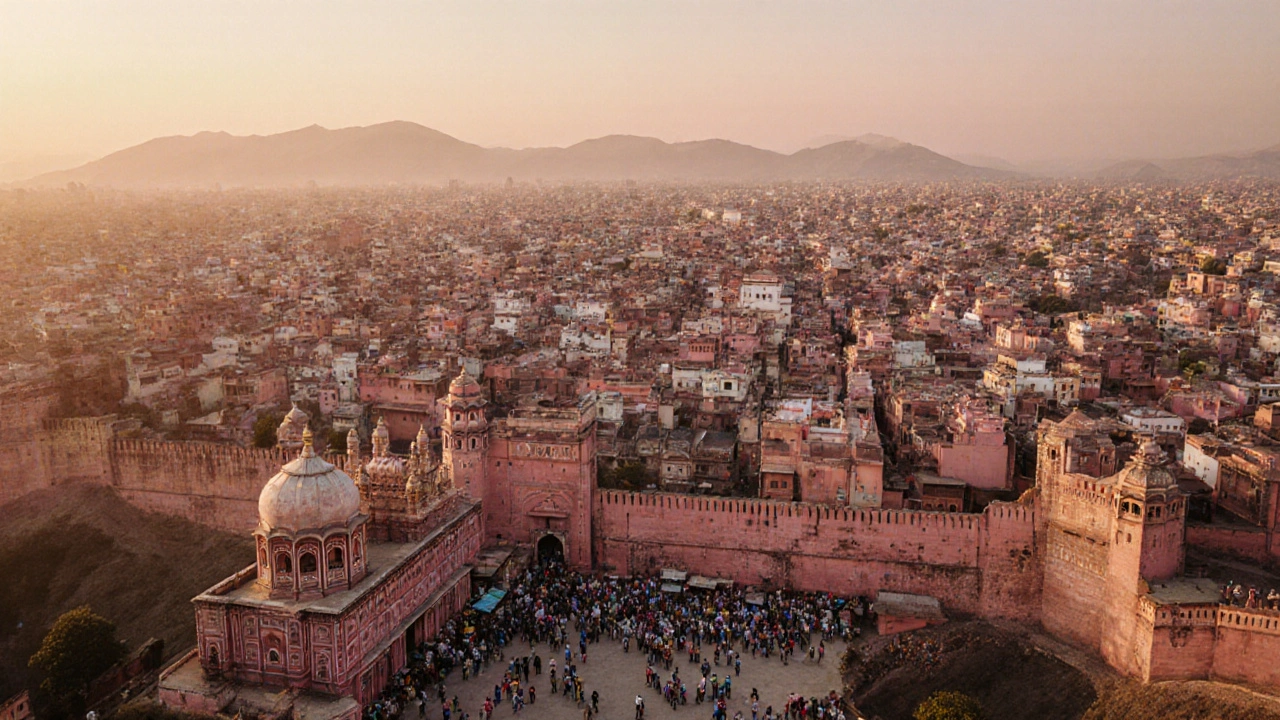
Jaipur is India's only city entirely designated as a UNESCO World Heritage Site, known for its pink architecture, planned layout, and living heritage. Learn why it stands apart from Agra, Varanasi, and Delhi.
More