What Is an Example of a Man-Made Tourism Product in India?
 Jan, 13 2026
Man-Made Tourism Product Classifier
Test whether a location qualifies as a man-made tourism product based on key criteria from the article about India's tourism landscape.
When people think of tourism in India, they often picture ancient temples, bustling bazaars, or misty hill stations. But not all tourist experiences come from nature or history alone. Many of the most visited places in India are man-made tourism products - places built, designed, or heavily curated by humans to attract visitors. These aren’t just buildings or monuments. They’re entire experiences engineered for tourism.
What Exactly Is a Man-Made Tourism Product?
A man-made tourism product is anything created by humans specifically to draw tourists. It’s not a natural landscape like a mountain or river - it’s something built, restored, or organized with tourism as the main goal. Think of it like a theme park, but for culture. These products combine architecture, storytelling, infrastructure, and services to turn a location into a destination.
In India, you’ll find these everywhere. Some are centuries old, others are modern additions. But they all share one thing: they exist because someone decided tourists would pay to see them.
The Taj Mahal: The Classic Example
The most obvious example? The Taj Mahal. Built in the 1600s by Emperor Shah Jahan as a mausoleum for his wife, it wasn’t meant to be a tourist spot. But over time, it became one. Today, it’s not just a monument - it’s a fully managed tourism product.
It has ticket counters, timed entry slots, guided tours, souvenir stalls, designated photo zones, and even air-conditioned waiting areas. The government controls visitor numbers to protect the structure. There are rules about what you can wear, where you can stand, and how long you can stay. It’s not just a building anymore - it’s a carefully operated attraction.
Over 6 million people visit the Taj Mahal every year. That’s not because it’s the only beautiful building in the world. It’s because it’s been turned into a world-class tourism experience.
Other Man-Made Tourism Products Across India
The Taj Mahal isn’t alone. Here are a few more:
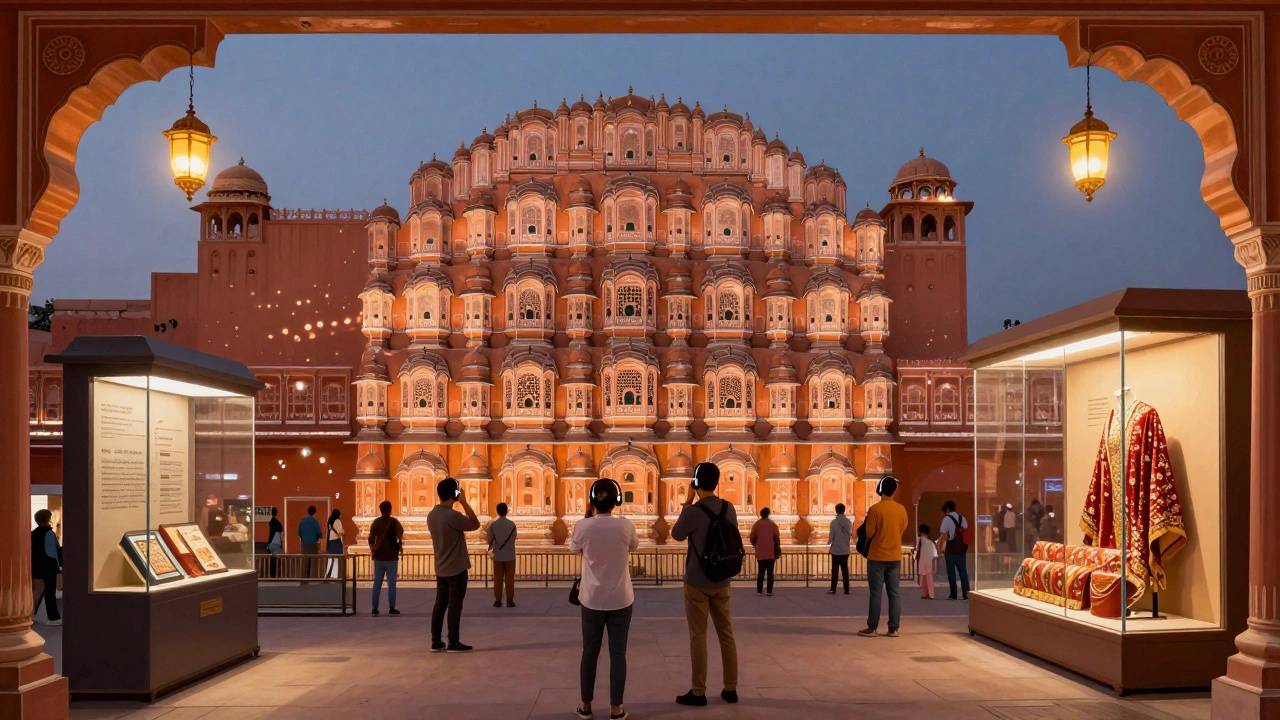
- Jaipur’s City Palace Complex - Originally a royal residence, it now has museums, guided audio tours, light shows, and curated exhibitions on Mughal fashion. Entry fees fund restoration work.
- Varanasi’s Ghat Lighting Ceremony - The nightly ritual at Dashashwamedh Ghat was once a private religious event. Now, it’s a scheduled tourist spectacle with reserved seating, sound systems, and organized boat tours.
- Amber Fort’s Elephant Rides and Sound-and-Light Show - The fort itself is ancient, but the elephant rides, souvenir shops, and evening projection mapping on the walls are modern additions built for visitors.
- Chandigarh’s Rock Garden - Built by a single man using recycled waste, this art installation was never meant to be a tourist site. But after media coverage, the government paved walkways, installed signage, and built parking lots. Today, it draws over 1 million visitors annually.
- Lotus Temple in Delhi - Opened in 1986, this Bahá’í House of Worship was designed to be a spiritual space. But its unique architecture made it an instant tourist magnet. Now, it has visitor centers, multilingual brochures, and a strict no-prayer policy for tourists to manage crowds.
Each of these places started as something else - a palace, a riverbank, a sculpture garden. But today, they function as tourism products. Their value isn’t just in their history. It’s in how they’re presented, packaged, and protected for visitors.
Why Do Governments Build These Products?
India’s tourism industry earned over $30 billion in 2024. That’s more than the entire GDP of several small countries. Governments know that tourism brings jobs, foreign exchange, and infrastructure upgrades.
But natural sites like forests or beaches can’t handle millions of visitors without damage. So instead of relying on nature alone, India invests in man-made tourism products. These are easier to control, monetize, and scale.
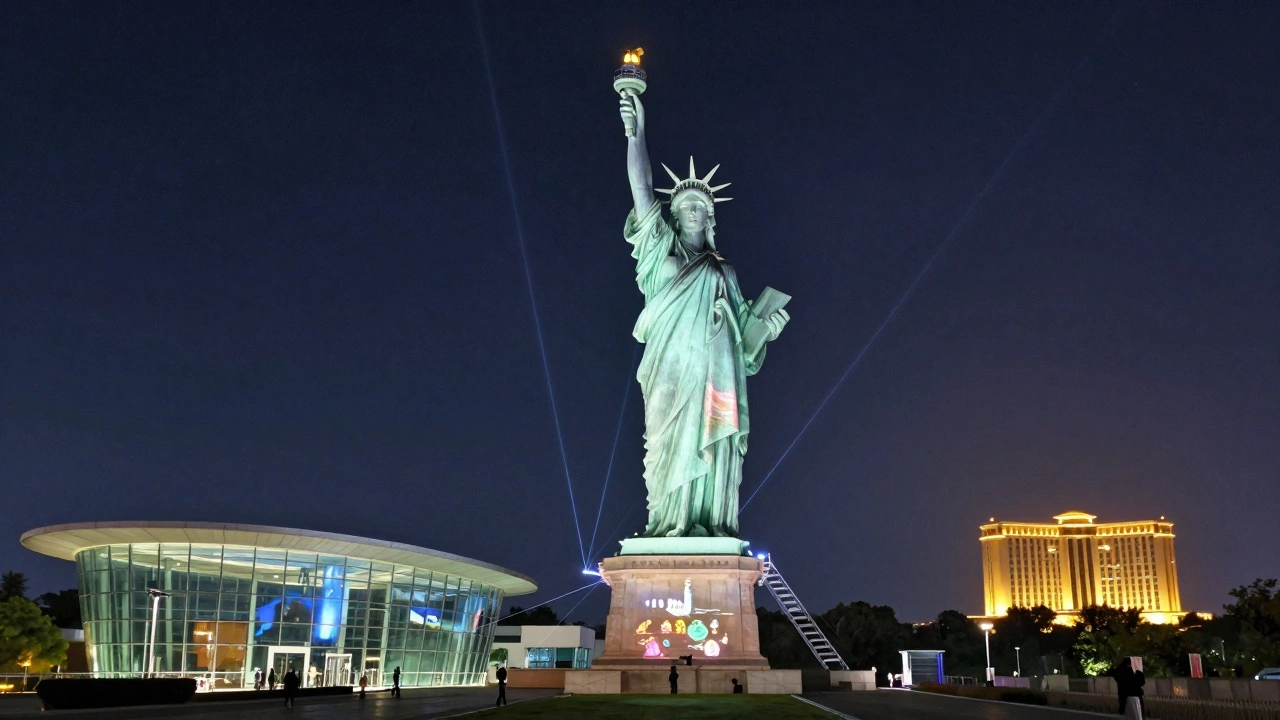
Take the Statue of Unity in Gujarat. Built in 2018, it’s the world’s tallest statue - 182 meters high. It cost over $400 million. It wasn’t built to honor Sardar Patel for historical reasons alone. It was built to be a destination. There’s a museum, a viewing gallery, a laser show, a cable car, and a luxury hotel nearby. It’s a tourism product from the ground up.
How Is It Different From a Heritage Site?
Not all ancient sites are man-made tourism products. A heritage site is something preserved because of its historical value. A man-made tourism product is something designed to attract visitors - even if it’s old.
The difference is in intent and management.
For example, the Khajuraho temples are UNESCO World Heritage Sites. They’re preserved as they are. No ticketed entry times. No souvenir stalls inside the temple grounds. No guided tours enforced. Tourists wander freely. That’s heritage preservation.
Compare that to the Red Fort in Delhi. It’s also a heritage site. But now, it has audio guides you can rent, a museum annex, a food court, and a night-time sound-and-light show. The government runs it like a theme park. That’s a man-made tourism product.
The same site can be both - but only one is actively managed for tourism revenue.
What Makes a Good Man-Made Tourism Product?
Not every fancy building becomes a success. The best ones share common traits:
- Clear storytelling - Visitors understand why it matters. Signs, apps, or guides explain the history simply.
- Good access - Parking, public transport, ramps for disabled visitors, and clean restrooms.
- Controlled crowds - Timed entry, online booking, and visitor caps prevent damage and improve experience.
- Authenticity with comfort - You don’t need fake souvenirs. But you do need shade, water, and clean toilets.
- Local involvement - When local artisans sell crafts or run food stalls, tourism benefits the community.
Places that ignore these - like overcrowded temples with no facilities or poorly maintained forts - lose visitors fast. Tourists don’t just want to see history. They want to feel it, safely and comfortably.
Why This Matters for Travelers
If you’re planning a trip to India, knowing the difference helps you choose better experiences. Want deep cultural immersion? Visit a heritage site with fewer tourists and no ticket counters. Want a polished, reliable experience? Go for the man-made product.
Man-made tourism products are great for first-time visitors. They’re safe, organized, and easy to understand. But if you’re looking for the real, unfiltered India - the quiet temple at dawn, the local market with no signs in English - you’ll need to go beyond the big attractions.
There’s no right or wrong. Just different kinds of travel. The Taj Mahal isn’t fake. It’s real history turned into a global experience. And that’s what makes it powerful.
What’s Next for Man-Made Tourism in India?
India is building more. The Grand Indian Railway Museum in Delhi is getting a full upgrade with VR train rides. A Maratha Empire Heritage Park is planned in Pune, complete with holographic battles and interactive exhibits. Even smaller towns are jumping in - like Rameswaram, where a new visitor center now offers guided walks along the sea with audio stories from local fishermen.
The goal isn’t to replace real culture. It’s to make it accessible. As more Indians travel domestically - over 1.2 billion trips were made in 2024 - the demand for clean, safe, well-managed sites will only grow.
Man-made tourism products aren’t going away. They’re evolving. And in India, they’re becoming the main way the world experiences its culture.
Is the Taj Mahal a man-made tourism product?
Yes. While the Taj Mahal was originally built as a royal tomb, it now functions as a fully managed tourism product. It has timed entry tickets, guided tours, souvenir shops, visitor centers, and strict crowd control measures - all designed to handle millions of tourists annually while preserving the site.
Are all historical sites in India man-made tourism products?
No. Some historical sites, like the Khajuraho temples, are preserved as heritage sites with minimal tourism infrastructure. They rely on natural foot traffic and lack ticketing systems, commercial stalls, or scheduled shows. A site becomes a tourism product only when it’s actively managed for visitor experience and revenue.
What’s the difference between cultural tourism and man-made tourism products?
Cultural tourism is the act of visiting places to experience culture - like rituals, food, or architecture. A man-made tourism product is the physical or operational structure created to support that experience. For example, attending a temple festival is cultural tourism. The same temple with a ticket booth, audio guide, and gift shop is a man-made tourism product.
Can a natural site become a man-made tourism product?
Yes. A natural site like a beach or waterfall can become a tourism product when infrastructure is added - boardwalks, parking lots, restrooms, guided tours, or entry fees. For example, the backwaters of Kerala are natural, but houseboat tours, branded resorts, and regulated navigation routes turn them into a tourism product.
Why do some tourists dislike man-made tourism products?
Some feel these sites are too commercialized or artificial. Crowds, ticket lines, and souvenir stalls can make a place feel less authentic. But for many, especially first-time visitors, these products make travel safer and easier. The key is balance - preserving the soul of the place while making it accessible.
Final Thought: It’s Not About Fake vs Real
It’s not about whether something is real or fake. The Taj Mahal is real. The elephant rides at Amber Fort are real. The sound-and-light show? Also real - it’s just a different kind of truth.
Man-made tourism products are how India shares its culture with the world. They’re not perfect. But they’re necessary. Without them, many of these treasures would crumble under the weight of their own fame - or be forgotten entirely.